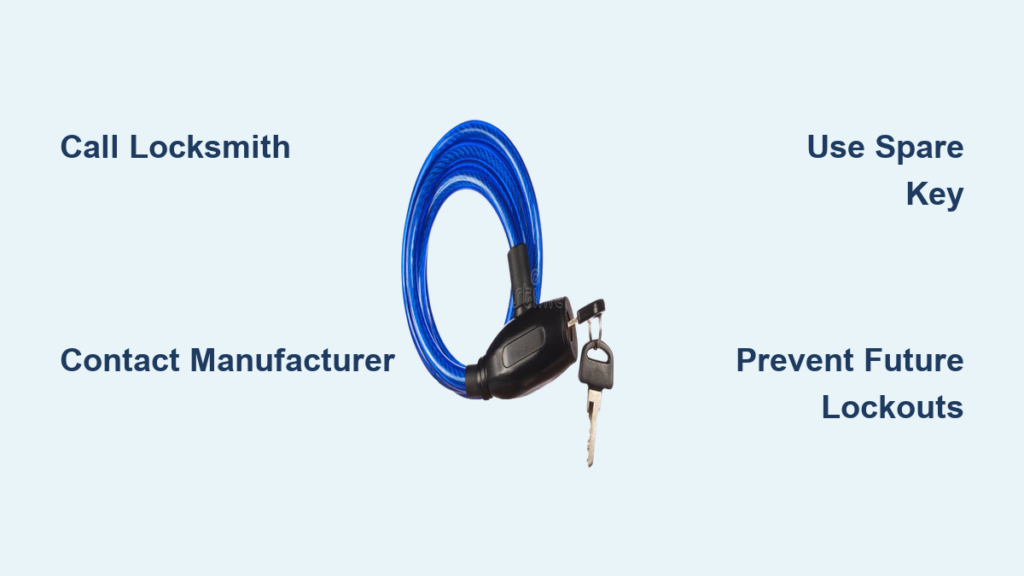
You’ve locked your bike to a rack, turned to leave, and realized you’ve lost your key. Panic sets in as you stare at your immovable bicycle. Or perhaps your combination lock has jammed, trapping your wheels in place. The immediate thought might be “how to cut a bike cable lock” as a quick fix to this frustrating situation. Before you reach for bolt cutters or search for cutting techniques online, it’s crucial to understand why this approach creates more problems than it solves—and what legitimate alternatives actually exist when you’re locked out of your own bike.
Cutting a bike cable lock may seem like the fastest solution when you’re stranded, but this action carries significant legal risks and potential consequences. In many jurisdictions, possessing tools specifically intended for defeating locks without proper authorization qualifies as possessing burglary tools, which is illegal regardless of your intentions. Even if you own the bike and lock, documenting ownership at the scene can be challenging, potentially leading to uncomfortable confrontations with authorities. More importantly, legitimate solutions exist that protect both your property and your legal standing—solutions that won’t leave you with a damaged lock requiring expensive replacement.
This guide will walk you through the proper steps to handle lockout situations with your bike, explain why cutting should be your absolute last resort (if considered at all), and provide legitimate alternatives that preserve your security while resolving your immediate problem. You’ll learn how to contact professionals who can help, understand manufacturer recovery options, and discover preventative measures to avoid future lockouts—without compromising your legal safety or security.
Legal Implications of Cutting Bike Locks Without Authorization
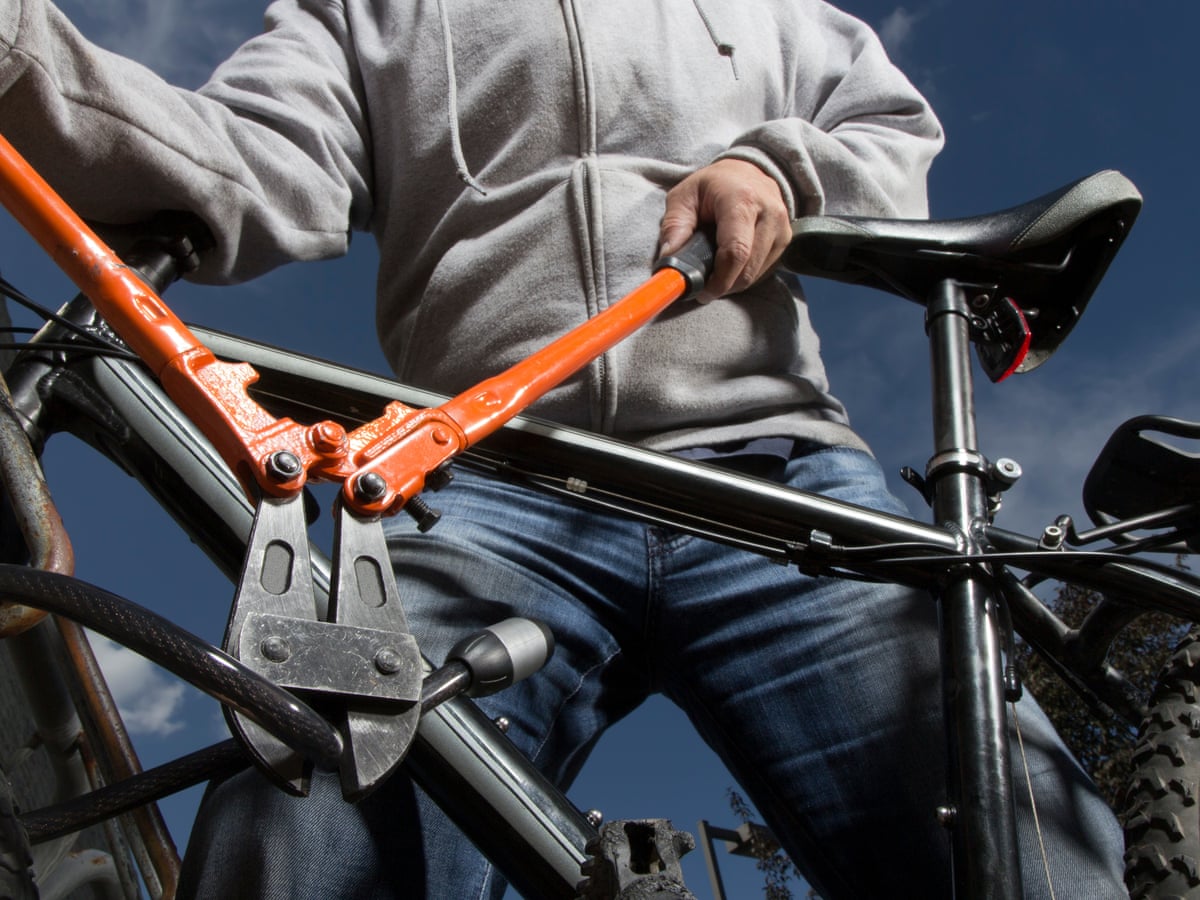
Why Cutting Your Own Lock Can Create Legal Problems
Cutting a bike cable lock, even when it secures your own property, introduces unexpected legal complications. Law enforcement officers cannot verify ownership at the scene, potentially leading to questioning or detention while you prove the bike belongs to you. Without immediate access to registration documents, purchase receipts, or identification matching the bike’s registration, you may face unnecessary scrutiny. In some cities, cutting any lock in public spaces triggers mandatory reporting requirements, creating an official record of the incident that could complicate future insurance claims or ownership verification.
Burglary Tool Laws You Should Know
Most jurisdictions have specific laws regarding “burglary tools” that apply even when you own the property being accessed. Simply possessing bolt cutters, angle grinders, or hydraulic cutters in public near bike racks can lead to suspicion and investigation. These laws don’t require proof of intent to commit theft—just possession of tools commonly used for unlawful entry. In California, for example, Penal Code 466 makes it illegal to possess “any instrument or tool” with intent to break into property, carrying penalties of up to six months in jail and $1,000 in fines. Similar statutes exist across most US states and many international locations.
Legitimate Solutions When Locked Out of Your Bike
Contacting Professional Locksmith Services
Bike-specific locksmiths provide the safest, most legitimate solution when you’ve lost your keys or forgotten your combination. These specialists carry insurance and proper identification that satisfies law enforcement concerns while they work. Most bike locksmiths can open cable locks in under five minutes using non-destructive methods that preserve your lock’s functionality. Expect to pay $25-$50 for this service—significantly less than replacing a damaged lock and cable system. When searching for “bike locksmith near me,” look for businesses specializing in bicycle security rather than general locksmiths, as they’ll have the specialized tools and knowledge for modern bike locks.
Manufacturer Recovery Options for Registered Locks
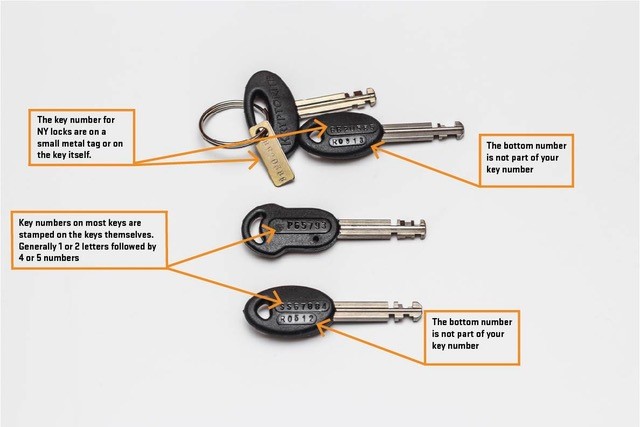
Many premium bike locks include registration systems that provide recovery options when you lose your keys:
- Master Lock’s Key Replacement Program: Registered owners can order replacement keys using their lock’s unique key number
- Kryptonite’s Lost Key Replacement: Provides new keys within 5 business days when you submit proof of purchase
- Abus Key Service: Offers key duplication services through authorized dealers with proper identification
Contact the manufacturer directly with your lock’s model number and any registration information. Most require proof of purchase but will work with you to restore access without damaging your security system. This process typically takes 3-7 business days, making it ideal for forgotten combinations rather than immediate lockout situations.
Preventative Measures to Avoid Future Lockouts
Creating a Key Management System
Develop a reliable system for managing your bike lock keys that eliminates accidental loss:
- Attach lock keys to your house keychain with a dedicated ring
- Keep a spare key in your wallet or purse in a waterproof container
- Store digital photos of your keys with identifying information in a secure cloud service
- Use key finders with Bluetooth connectivity that alert you when separated from your keys
For combination locks, write down the code in your phone’s secure notes section with a non-obvious label like “Bike Maintenance Code” rather than “Lock Combination.” Never attach written codes to your bike or helmet where thieves could discover them.
Choosing Locks with Multiple Access Methods
Modern security systems offer redundancy that prevents complete lockout situations:
- Smart locks with Bluetooth connectivity that unlock via smartphone app
- Dual-key systems where two different keys operate the same lock
- Combination + key backup locks that provide two access methods
- Biometric options using fingerprint recognition for keyless access
When purchasing your next bike lock, prioritize models with at least two independent access methods. This redundancy ensures that losing one key or forgetting one combination doesn’t completely lock you out of your own security system.
Emergency Situations: When Cutting Might Be Considered
https://www.police.uk/help-advice/vehicle-documentation/owning-a-bicycle/
Documenting Ownership Before Taking Action
If you’ve exhausted all other options and cutting becomes absolutely necessary (such as an emergency medical situation where your bike blocks access), proper documentation is critical:
- Take clear photos of yourself with the bike from multiple angles
- Capture images of any identifying features (scratches, unique components)
- Gather proof of ownership (receipts, registration documents)
- Contact local authorities to explain the situation before taking action
Having this documentation ready prevents misunderstandings and protects you from false accusations. In most cases, simply explaining your situation to police officers will result in them contacting a professional to assist you rather than allowing you to cut the lock yourself.
Using Proper Tools to Minimize Damage
If cutting becomes unavoidable, using the right tools reduces collateral damage and legal concerns:
- Cable cutters designed for bike locks create cleaner cuts with less sparking
- Battery-powered angle grinders with cutoff wheels work faster than manual tools
- Hydraulic cutters minimize noise compared to power tools
Always cut in a well-lit area where your actions are visible to others, and be prepared to immediately show documentation of ownership. The cleaner the cut, the less it resembles criminal activity—reducing the likelihood of police involvement.
Building a Comprehensive Bike Security Strategy

Layered Security Approaches That Prevent Lockouts
The most effective bike security systems incorporate multiple elements that work together while minimizing lockout risks:
- Primary U-lock for frame and rear wheel security
- Secondary cable lock for front wheel with different access method
- Smart GPS tracker hidden in the seat post for recovery
- Visible registration stickers that identify ownership
This layered approach means losing access to one lock doesn’t compromise your entire security system or leave you stranded. Consider investing in a lock system from the same manufacturer that uses a single key for multiple lock types—reducing the number of keys you need to manage while maintaining security.
Community Resources for Locked-Out Cyclists
Many urban areas have developed community solutions for cyclists who lose their keys:
- Bike co-ops that offer lock-picking services for members
- Local bike shops with lockout assistance programs
- Municipal bike stations with emergency tools for registered users
- Ride-share programs that provide temporary transportation home
Check with your local cycling advocacy organization to discover what resources exist in your community. Many cities now include emergency lockout assistance as part of their bike infrastructure programs, recognizing that stranded cyclists create safety hazards.
When you find yourself locked out of your bike, remember that cutting the cable lock creates more problems than it solves. The temporary convenience of cutting through your lock comes with legal risks, security compromises, and unnecessary expenses that far outweigh the cost of professional assistance. By establishing proper key management practices, choosing locks with redundant access methods, and knowing your legitimate recovery options, you’ll never need to consider destructive solutions to a simple lockout situation.
If you’re currently locked out, take a deep breath and call a bike locksmith or contact the lock manufacturer—they exist specifically to solve this exact problem without compromising your security or legal standing. Invest time in creating a reliable key management system today to prevent future lockouts, and consider upgrading to a smart lock system that provides multiple access methods. Your future self will thank you when you’re never stranded by a locked bike again—without ever needing to reach for bolt cutters.