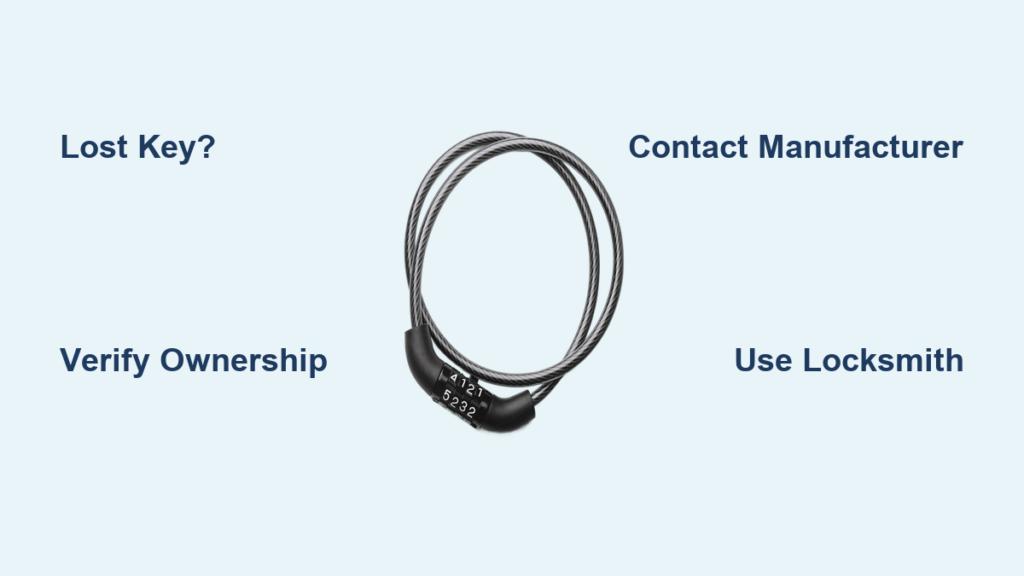
You’ve just finished your bike ride, ready to head home, when you realize you’ve misplaced your bike lock key. That chain lock securing your valuable bike suddenly transforms from a security feature into a frustrating obstacle. This common predicament affects thousands of cyclists each year who find themselves locked out of their own security system. Whether you’re at a busy transit station, outside a grocery store, or far from home, being unable to access your bike creates immediate stress and potential safety concerns.
The good news is that legitimate solutions exist for this problem without resorting to destructive methods that could damage your property or raise legal questions. This guide focuses exclusively on ethical, legal approaches to recovering access to your bike when you’ve lost your chain lock key. We’ll explore manufacturer replacement options, professional locksmith services, and preventive measures to avoid this situation altogether. Understanding your rights as a property owner and working within legal frameworks ensures you can regain access to your bike without crossing ethical boundaries.
Understanding Your Legal Rights with Bike Locks
Before attempting any lock removal, it’s crucial to understand the legal landscape surrounding bike lock access. Many cyclists don’t realize that attempting to cut someone else’s lock—even if you believe it’s your own bike—can have serious legal consequences. Law enforcement agencies frequently encounter situations where multiple people claim ownership of a locked bike, making proper identification essential.
Confirming Ownership Documentation
When working with professionals to remove your lock, be prepared to provide proof of ownership. Most reputable locksmiths and bike shops require one or more of these verification methods:
- Original purchase receipt showing the bike’s serial number
- Photo identification matching the address where the bike is currently locked
- Bike registration documentation from your city or a national database
- Clear photos of your bike taken before it was locked up
Without proper documentation, even professional services may refuse assistance to avoid potential involvement in theft situations. This verification process protects both you and the service provider from legal complications.
Legal Removal Options by Location
Your geographical location significantly impacts available solutions. In many urban areas, municipal bike programs offer lock removal services specifically for cyclists who’ve lost keys. For example:
- City bike programs: Some municipalities provide free lock-cutting services through transportation departments
- Campus security: University police departments often assist students with lock issues
- Bike co-ops: Community bike workshops sometimes offer lock replacement services
Research local resources before attempting any DIY solutions, as unauthorized lock removal could be considered criminal mischief in your jurisdiction, even if you own the bike.
Professional Solutions for Lost Bike Lock Keys
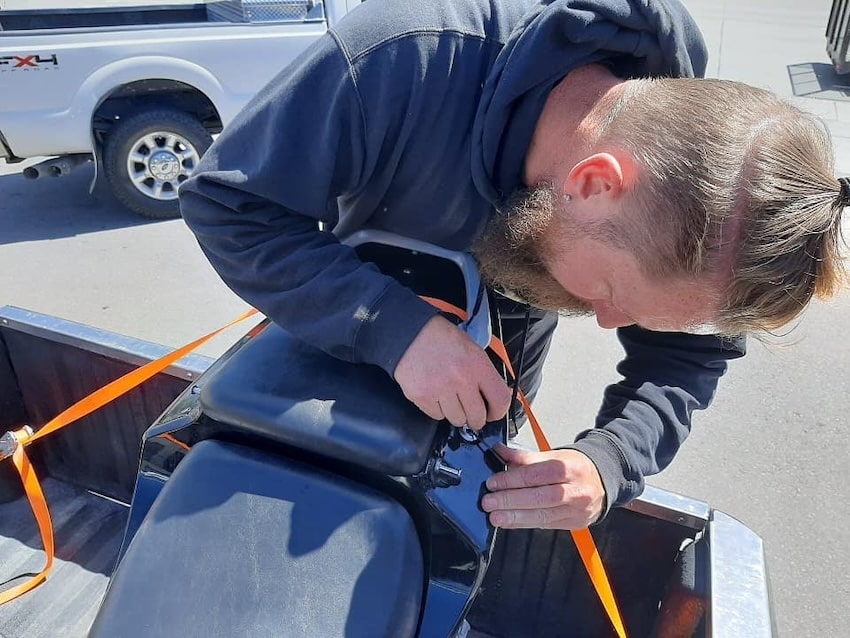
When you’ve verified ownership and confirmed legal pathways, professional services offer the safest, most reliable options for regaining access to your bike without damage.
Working with Bike Lock Manufacturers
Most quality bike lock manufacturers provide key replacement services when you’ve lost your original keys. This process typically involves:
- Locating your lock’s unique identification number (usually stamped on the lock body)
- Contacting the manufacturer’s customer service with proof of purchase
- Receiving replacement keys, often for a small fee
Brands like Kryptonite, Abus, and Hiplok maintain extensive keying systems that allow them to recreate keys based on your lock’s specific code. The replacement process usually takes 3-7 business days, making this solution ideal if you’re not stranded immediately but want to prevent future issues.
Finding Specialized Bike Locksmiths
Not all locksmiths have experience with bike locks, which require different techniques than standard door locks. Look for professionals who specifically advertise bike lock services:
- Bike shop partnerships: Many local bike stores work with specialized locksmiths
- Mobile bike repair services: Some mobile mechanics offer lock assistance
- Security specialists: Companies focusing on bicycle security often provide key replacement
When contacting a locksmith, ask specifically about their experience with chain locks and whether they carry replacement keys for common brands. Reputable services will ask for ownership verification before proceeding.
Emergency Solutions When Stranded
If you’re unexpectedly stranded without your key and need immediate solutions, these approaches balance urgency with legality.
Using Temporary Security Measures
When you must leave your bike temporarily while seeking help:
- Improvise secondary security: Use a spare cable lock through the bike frame only (not the wheel)
- Choose high-traffic locations: Leave your bike near building entrances with security cameras
- Ask for supervised storage: Some nearby businesses may allow temporary indoor storage
Never attempt to cut your own lock in public spaces, as this could attract police attention even if you own the bike. Instead, focus on securing your bike temporarily while you arrange proper key replacement.
Contacting Local Bike Advocacy Groups
Many cities have active bicycle advocacy organizations that maintain emergency assistance networks:
- Bike collectives: Volunteer-run organizations often help cyclists in immediate need
- Ride-sharing programs: Some services offer emergency lock removal for members
- Community response teams: In larger cities, specialized bike response teams may assist
These groups typically verify ownership through community networks rather than formal documentation, providing faster assistance when you’re stranded.
Preventing Future Lockout Situations
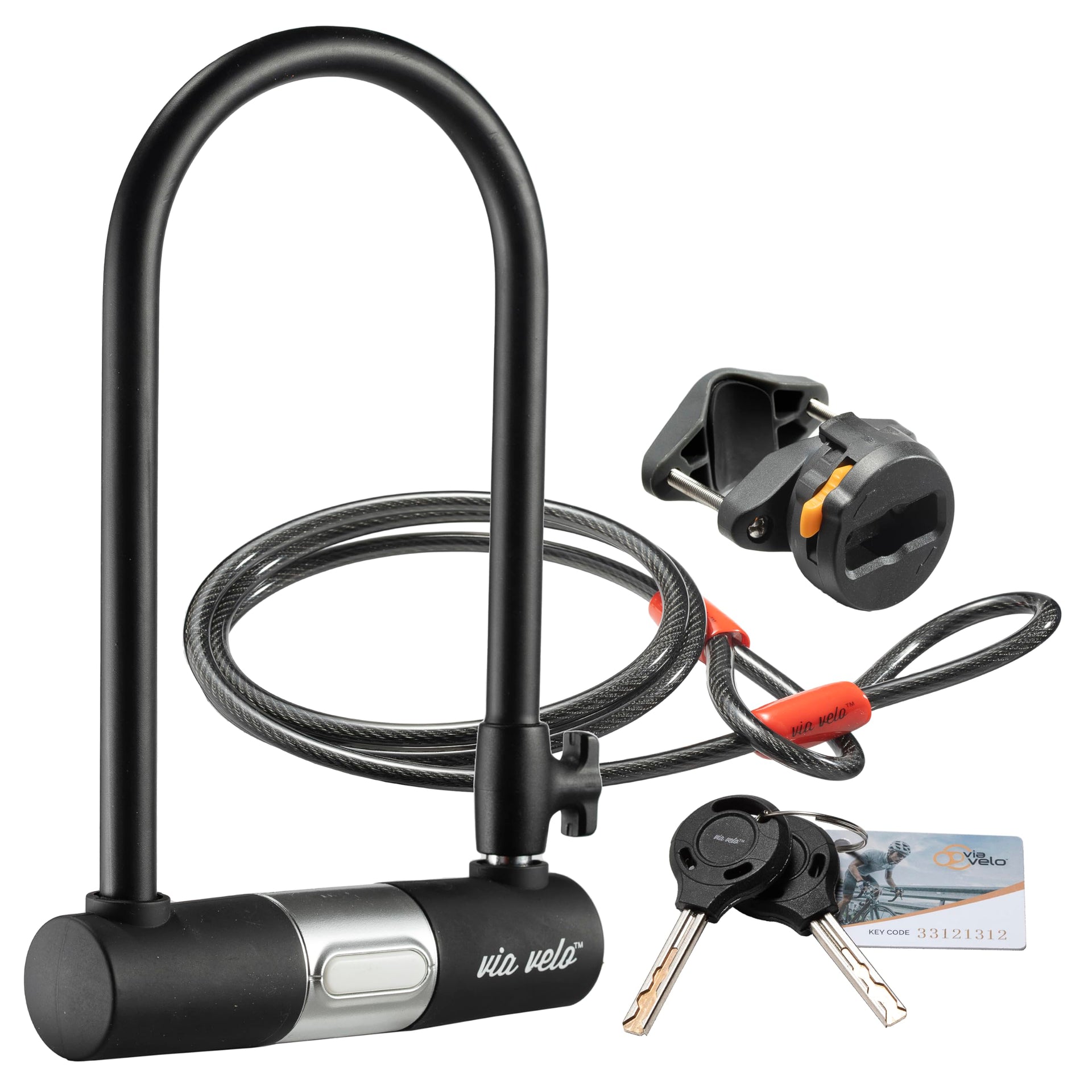
The most effective solution is preventing lockout situations before they occur through proper preparation and smart lock management.
Creating a Key Backup System
Professional cyclists and frequent riders use these proven strategies to avoid lockouts:
- Key duplicates: Keep one set at home and one in your work bag
- Digital key tracking: Use apps that remind you to check for keys before leaving
- Lock-specific keychains: Attach your bike lock key to a distinctive ring for easy identification
Consider investing in smart locks that use combination codes or Bluetooth technology, eliminating physical keys altogether while maintaining high security standards.
Selecting the Right Lock for Your Needs

Not all chain locks create the same risk profile. When choosing your next bike lock:
- Look for key replacement programs: Choose brands with established keying systems
- Consider dual-lock systems: Use a primary U-lock with a secondary cable for wheels
- Evaluate security ratings: Higher security locks often have better manufacturer support
Quality locks from reputable manufacturers typically offer better key replacement services and customer support when issues arise.
Responsible Bike Security Practices
Building comprehensive bike security habits protects both your property and your peace of mind.
Documenting Your Security Setup
Create a simple security profile for your bike:
- Photograph your lock with its identification number
- Record the lock brand and model in your phone notes
- Save manufacturer contact information in your emergency contacts
This documentation streamlines the verification process if you ever need professional assistance with your lock.
Building Relationships with Local Bike Resources
Establish connections with bike resources before you need them:
- Introduce yourself to local bike shop staff
- Join community cycling groups
- Attend bike safety workshops
These relationships create informal support networks that can provide crucial assistance when you encounter problems like lost keys.
Final Note
Being unable to access your bike due to a lost key creates understandable frustration, but the solution lies in working within legal frameworks rather than resorting to destructive methods. By understanding your rights, leveraging manufacturer resources, and building relationships with local bike communities, you can resolve lockout situations safely and ethically. Most importantly, implementing simple preventive measures—like maintaining key backups and documenting your security setup—will save you from future stress. When selecting bike security products, prioritize those with strong customer support systems that stand behind their products even when keys go missing. Your bicycle represents both transportation and personal investment; protecting it properly includes planning for those moments when the key to your security becomes the problem itself.