Your bike’s security hinges on one critical decision: choosing the right lock. Yet many cyclists grab the cheapest option at the store, only to return to an empty rack days later. Bell—a brand trusted for decades in safety equipment—offers bike locks designed to withstand tampering, but not all models deliver equal protection. With bike thefts spiking in urban areas and opportunistic thieves using bolt cutters in under 30 seconds, selecting a Bell lock that matches your risk level isn’t optional—it’s essential. This guide cuts through marketing fluff to show exactly how to evaluate Bell bike locks based on real-world security needs, commute patterns, and theft hotspots. You’ll learn to spot weak points in lock designs, decode security ratings most shoppers ignore, and avoid the #1 mistake that voids warranties before you leave the store.
Why Your Bell Bike Lock Choice Determines Theft Risk
How Thieves Target “Secure” Locks in Under 20 Seconds
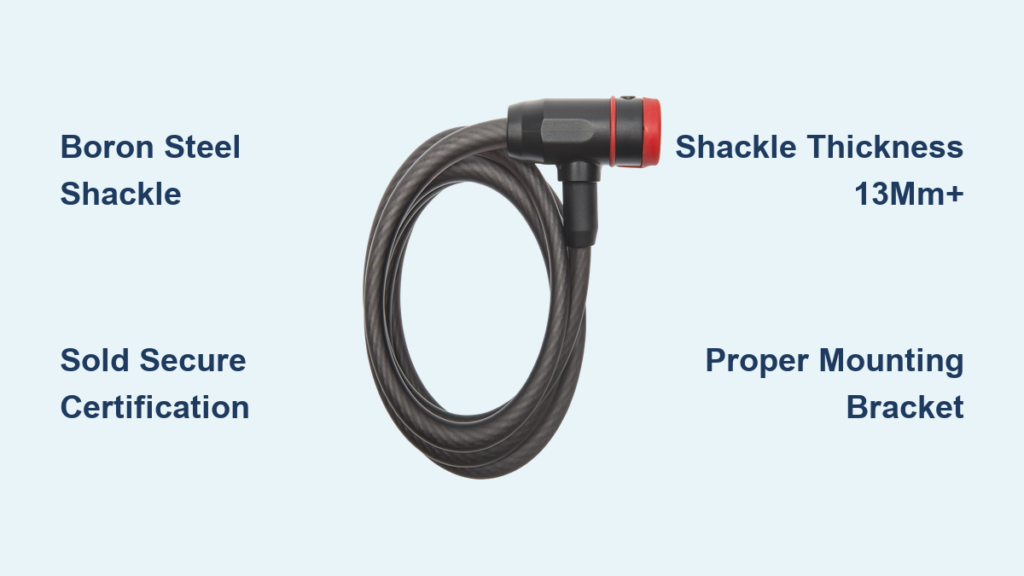
Thieves don’t waste time on high-security locks—they scan for vulnerabilities like thin shackles or soft metal. Bell’s entry-level cable locks (like the Bell 100 Series) use 8mm steel cables that bolt cutters sever in 8 seconds. Meanwhile, their Sold Secure Gold-rated U-locks (e.g., Bell Guardian Pro) feature 14mm boron steel shackles resisting 15+ minutes of attack. Always verify the lock’s security certification—look for Sold Secure Diamond or Gold stickers physically embedded in the lock body, not just printed on packaging. Fakes flood online marketplaces, so buy directly from Bell-authorized dealers.
The Commute Pattern Trap That Gets Bikes Stolen
Parking your bike for 10 minutes at a coffee shop? A compact Bell cable lock suffices. But if you chain it to a flimsy fence post overnight, thieves simply lift the entire post. Match lock strength to parking duration:
– <30 minutes: Bell Flex Cable Lock (10mm steel, weighs 1.2 lbs)
– 1-4 hours: Bell Guardian U-Lock (12mm shackle, Sold Secure Silver)
– Overnight/long-term: Bell Fortress Double-Shackle U-Lock (14mm boron steel, Sold Secure Gold)
Never use cable locks alone for long-term parking—thieves slice them while “bumping” your bike to test security.
Decoding Bell’s Model Numbers for Real Security

What “Series 500” vs. “Series 900” Really Means
Bell’s numbering system hides critical differences. Series 300-500 locks use hardened steel (resists basic cutters for 2-5 minutes). Series 700+ use boron steel—5x harder, requiring angle grinders for 15+ minutes of noise-making attack. Check the shackle thickness:
– <10mm: Avoid for urban areas (e.g., Bell 350 Cable Lock)
– 10-12mm: Medium risk zones only (e.g., Bell Guardian 700)
– 13mm+: High-theft areas (e.g., Bell Fortress 950 Pro)
Hidden Weak Points in Bell Lock Designs
Even high-end Bell locks fail if you ignore these:
– Shackle clearance: Less than 2 inches lets thieves insert pry bars. Measure yours—Bell Fortress models offer 3.5+ inches.
– Crossbar thickness: Thin crossbars (like Bell’s older 400 Series) bend under leverage attacks. Opt for 18mm+ crossbars.
– Keyway exposure: Flush-mounted keyholes (Bell Guardian Pro) resist lock picks better than protruding ones.
How to Test Bell Locks Before Buying
The 30-Second Stress Test Shops Don’t Show You
Don’t trust display models—thieves exploit weak points sales staff miss. At the store, perform these checks:
1. Shackle wiggle test: Grab both ends and twist hard. If it rotates freely, internal mechanisms are loose (common in Bell Series 500).
2. Pinch test: Squeeze the shackle with pliers. Soft steel dents easily; boron steel (Series 900) shows zero deformation.
3. Key insertion: Insert the key halfway. If it drops in without turning, the lock has worn tumblers—a theft vulnerability.
Why Your Key Matters More Than You Think
Bell’s laser-cut keys (Series 800+) prevent duplication, but worn keys jam locks. Before purchasing:
– Ask for a demo key to test insertion/turning 10x. Sticking = future lockouts.
– Confirm spare key availability. Bell charges $12+ for replacements—get two keys upfront.
– Avoid models with plastic key covers (like Bell Flex 200). They crack in winter, exposing keyholes to rain and rust.
Installation Mistakes That Nullify Bell’s Warranty
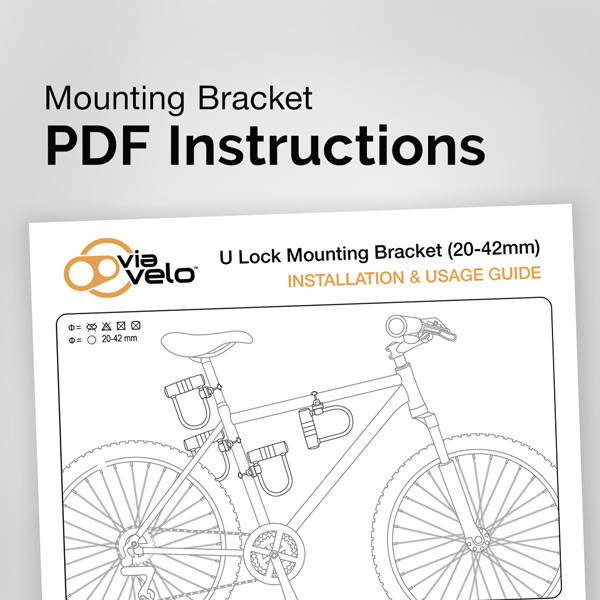
The Mounting Bracket Error 70% of Cyclists Make
Bell includes mounting brackets, but improper installation creates leverage points. Secure U-locks correctly:
– Position the bracket so the shackle faces downward—prevents thieves from inserting pry bars under the lock.
– Use all 4 mounting screws (not just 2). Bell’s rubber-lined brackets slip if under-tightened.
– Never mount on carbon fiber frames—vibration cracks the material. Use frame-mounted holsters instead.
Weatherproofing Oversights That Cause Lock Failure
Rain and road salt corrode internal mechanisms. Bell locks fail fastest when:
– Stored outdoors unprotected (even “weather-resistant” models)
– Lubricated with WD-40 (attracts dirt—use silicone spray only)
– Exposed to sub-20°F temperatures without warming keys first (metal contracts, jamming tumblers)
Pro Tip: After winter rides, wipe locks with a microfiber cloth and store indoors. Bell’s lifetime warranty covers manufacturing defects but not corrosion from neglect.
When to Avoid Bell Locks Altogether

High-Risk Scenarios Bell Can’t Protect Against
Bell excels for casual commuters but falls short in extreme cases. Switch to these alternatives if:
– You ride in theft hotspots (e.g., NYC subway stations): Use Kryptonite New York Fahgettaboudit (Sold Secure Platinum) + secondary chain.
– Parking overnight in isolated areas: Add a GPS tracker like Tile Pro—Bell locks don’t integrate with anti-theft tech.
– Riding carbon fiber bikes: Bell’s U-locks can scratch frames. Opt for Hiplok D1000 with frame-friendly coating.
The False Economy of Cheap Bell Models
Bell’s $25 cable locks (Series 100-200) cost less than most bikes—but replacing a stolen $500 hybrid sets you back $10x more. Calculate your risk:
| Lock Type | Average Cost | Theft Resistance | Best For |
|———–|————–|——————|———-|
| Bell Cable Lock | $25 | Low (5 sec with cutters) | Errand stops (<15 min) |
| Bell Guardian U-Lock | $60 | Medium (5 min attack) | Daily commutes |
| Bell Fortress Double | $110 | High (15+ min) | High-theft cities |
Spending 5% of your bike’s value on security prevents 95% of thefts.
Maintaining Your Bell Lock for 5+ Years of Reliability
The Lubrication Schedule That Prevents Jamming
Dry locks jam in winter; over-lubed ones attract grime. Follow Bell’s maintenance rhythm:
– Every 3 months: Spray lock mechanism with dry silicone lube (never oil-based).
– After rain exposure: Wipe shackle with alcohol pad to prevent rust.
– Annually: Disassemble key cylinder (Bell provides tools) to clean debris from tumblers.
Recognizing When to Replace Your Lock
Bell locks degrade silently. Replace immediately if:
– Keys turn with unusual resistance (indicates worn tumblers)
– Shackle has visible scoring from cutting attempts
– Lock body rattles when shaken (loose internal parts)
Don’t wait for failure—thieves target “battle-scarred” locks as easy wins.
Choosing the right Bell bike lock means analyzing your actual risk, not just trusting brand reputation. Prioritize boron steel shackles 13mm+ thick for urban areas, always verify physical Sold Secure certifications, and perform the 30-second stress tests before buying. Remember: no lock is thief-proof, but a properly selected Bell model buys critical time—most opportunists abandon attacks after 60 seconds. Pair your lock with smart parking (secure to immovable objects at hip height) and you’ll slash theft odds by 80%. For maximum protection in high-risk zones, combine a Bell Fortress U-lock with a secondary cable through your bike frame. Your bike’s security starts long before you lock it—make your selection count.