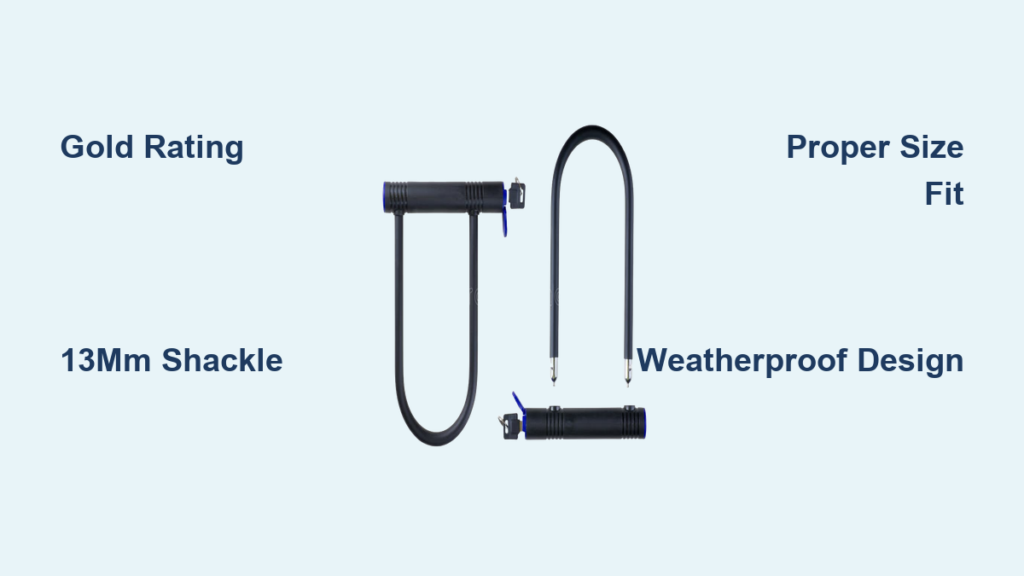
Your bike is more than just transportation—it’s an investment that deserves proper protection. With bicycle theft rates remaining stubbornly high in urban areas, choosing the right U-lock isn’t just convenient, it’s absolutely critical for preventing theft. The wrong lock could mean coming back to an empty bike rack, while the right U-lock creates a formidable barrier that deters even the most determined thieves. In this guide, you’ll discover exactly what separates effective bike security from false confidence, with specific criteria that matter most when selecting your U-lock.
Why Most Riders Choose the Wrong U-Lock (And Pay the Price)
Many cyclists make critical mistakes when selecting bike security, often based on convenience rather than actual protection. The most common error is prioritizing weight and portability over security ratings, leaving expensive bikes vulnerable to bolt cutters in under 30 seconds. Another widespread issue is misunderstanding how lock ratings translate to real-world protection—many riders assume “heavy-duty” marketing claims equal security when they don’t. The reality is that without understanding proper security standards and testing methodologies, you’re essentially gambling with your bicycle’s safety.
How Lock Ratings Actually Determine Real-World Security
Security ratings form the foundation of any effective U-lock selection process. The two primary certification systems you should recognize are Sold Secure (UK-based) and ART (Approved Testing) ratings. Gold-rated locks (Sold Secure Gold or ART 2-star) represent the minimum acceptable standard for urban environments, having withstood at least 5 minutes of attack by professional lock testers using common tools. Silver-rated locks offer moderate protection for lower-risk areas, while bronze provides only basic security for very low-theft neighborhoods.
Critical security rating benchmarks:
– Gold/Sold Secure Gold: Minimum 5 minutes resistance against bolt cutters
– Silver/Sold Secure Silver: Minimum 2 minutes resistance
– Bronze/Sold Secure Bronze: Basic protection against opportunistic theft
Why Shackle Thickness Matters More Than You Think
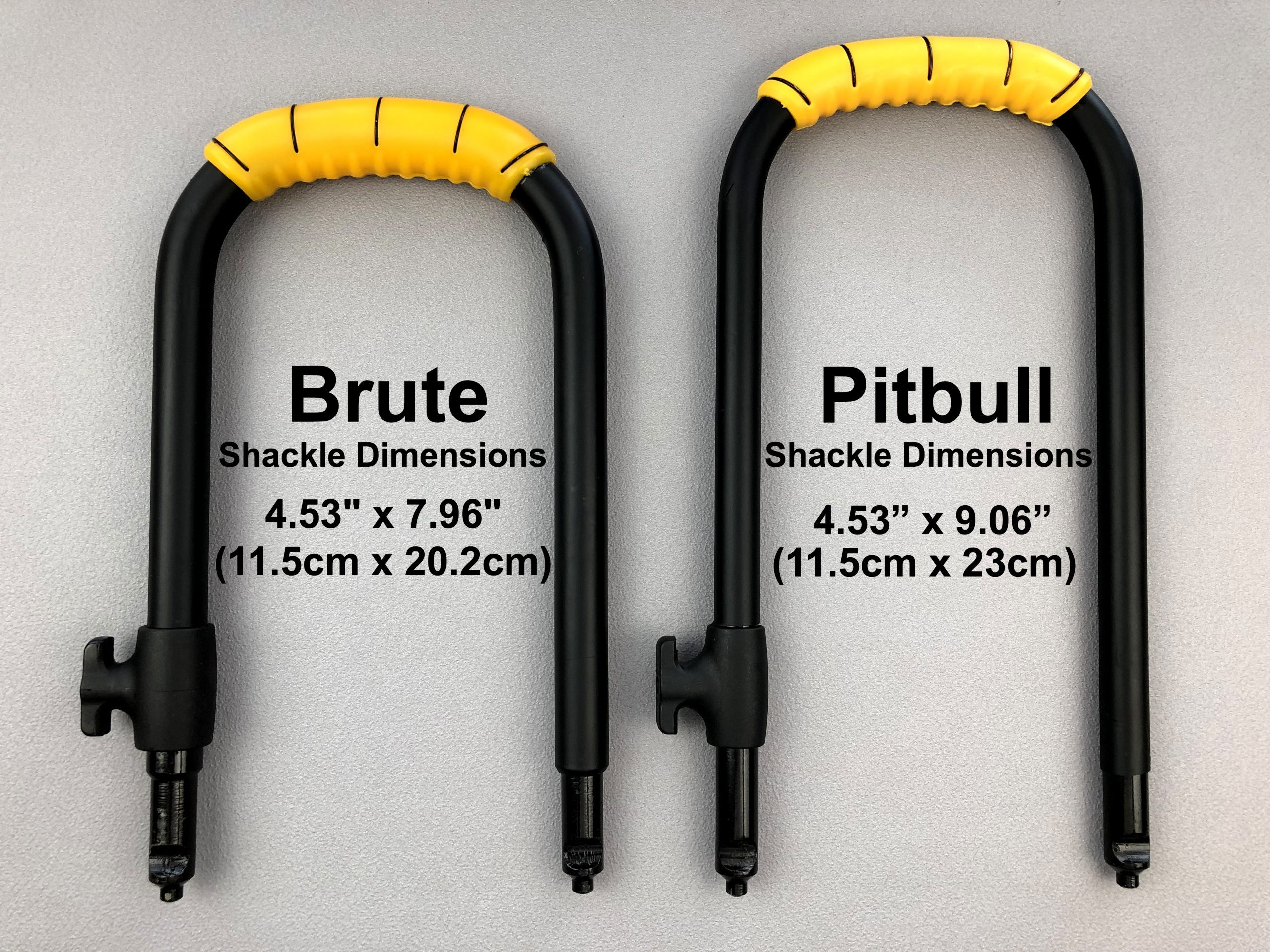
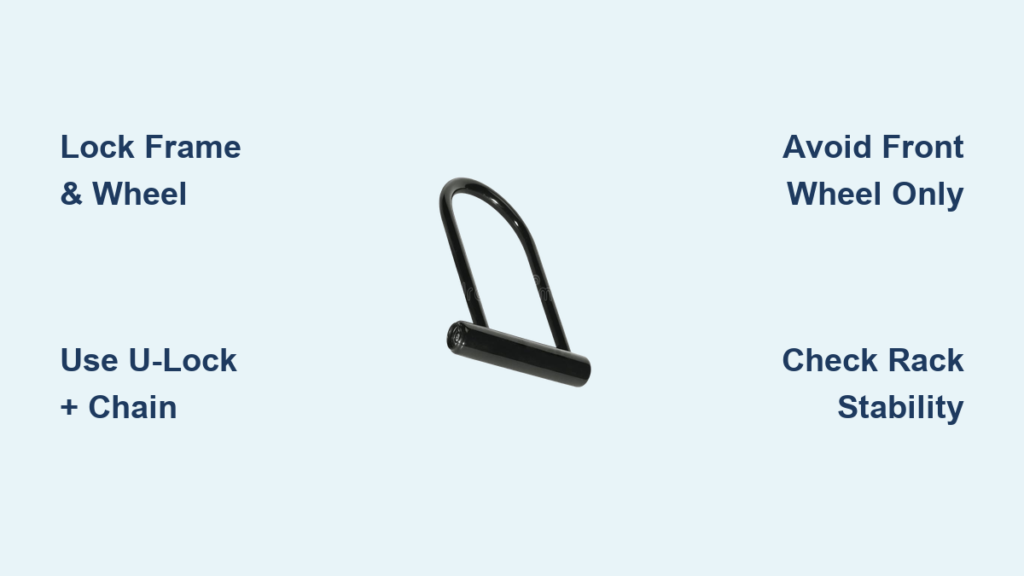
The physical dimensions of your U-lock’s shackle directly correlate with its resistance to cutting tools. For serious protection against modern hydraulic cutters, you need a minimum shackle thickness of 13mm (½ inch), with premium locks reaching 16-18mm. Thinner shackles (under 12mm) can be compromised in seconds with quality bolt cutters. The internal hardening process also matters—look for locks specifying “through-hardened” steel that maintains hardness throughout the metal, not just on the surface.
Choosing the Right Size U-Lock for Maximum Protection
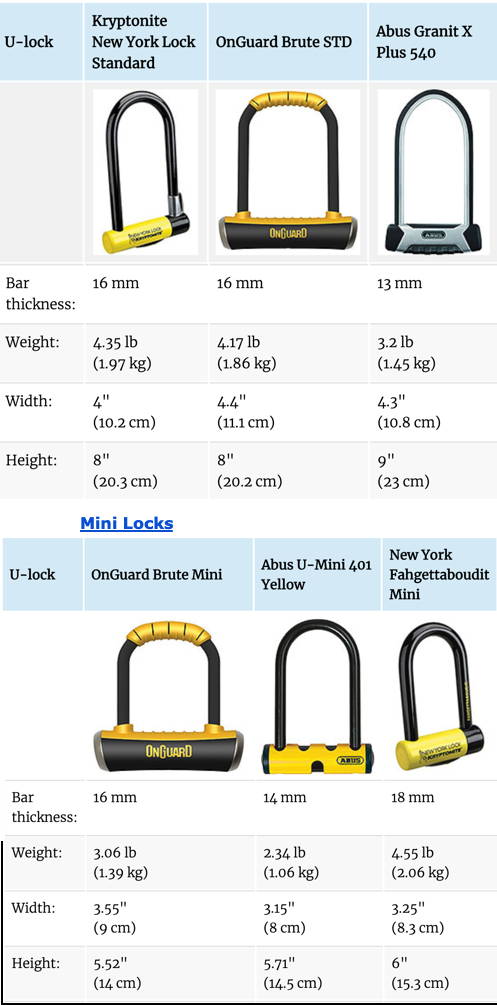
Selecting the proper size represents one of the most overlooked yet critical factors in U-lock effectiveness. Too large, and you create dangerous gaps that thieves can exploit with leverage tools. Too small, and you can’t properly secure both your frame and a substantial object.
The Perfect Size Calculation Method
Measure the widest point of your bike frame where you’ll typically lock it (usually around the seat tube or down tube). Add 2-3 inches to this measurement to determine your ideal internal dimensions. For most standard bikes, a U-lock with internal dimensions of 7-9 inches wide by 10-12 inches tall provides the best balance of security and versatility. Compact bikes may work with smaller locks (5-7″ wide), while cargo bikes or those with large frames might require extra-large models (10″+).
Avoiding the Fatal Gap Mistake
When securing your bike, always minimize the space between the lock and your frame. A gap larger than 2 inches creates vulnerability to leverage attacks where thieves insert pry bars to create pressure points. Position your lock so the shackle makes maximum contact with both your bike frame and the fixed object. If you must lock to a narrow post, choose the smallest possible U-lock that still accommodates both your frame and the post.
Key vs. Combination Mechanisms: Which Offers Better Security?
The lock mechanism itself significantly impacts both security and practicality. Understanding the trade-offs between keyed and combination U-locks helps you select the right option for your specific needs and riding habits.
Keyed U-Locks: The Security Advantage
Keyed mechanisms generally provide superior security because they can incorporate more complex internal components that resist picking and drilling. High-security locks often feature disc detainer mechanisms that are extremely difficult to manipulate. The primary drawbacks include carrying keys (which can be lost) and potential freezing in cold weather. Premium keyed locks typically cost 20-30% more than comparable combination models but offer better protection per dollar spent.
Combination U-Locks: Convenience With Compromises
Combination locks eliminate the need for keys, making them ideal for casual riders who prefer not to carry additional items. However, most combination mechanisms sacrifice security for convenience—many can be “cracked” through manipulation techniques that require minimal skill. If you choose a combination lock, look for models with at least 5 digits (providing 100,000 possible combinations) and physical shielding around the dials to prevent “reading” the combination through wear patterns.
Weather Resistance: Why It Matters for Long-Term Reliability
U-locks face constant exposure to environmental elements that can compromise both security and functionality over time. Proper weather resistance ensures your lock remains operational when you need it most.
Essential Weatherproofing Features to Demand
Look for locks with fully enclosed keyholes or combination mechanisms that prevent water ingress. Internal components should be either stainless steel or feature proper corrosion-resistant coatings. Sealed ball bearings in the shackle mechanism maintain smooth operation despite exposure to rain, snow, and road salt. Avoid locks with visible seams or openings where moisture can penetrate and cause internal rusting that could seize the mechanism.
Maintenance Requirements for All-Weather Performance
Even the best-protected U-locks require occasional maintenance. Every 3-6 months (more frequently in coastal or snowy areas), apply a dry lubricant like graphite powder to the keyhole or mechanism. Never use oil-based lubricants that attract dirt and eventually create a grinding paste inside the lock. Periodically check for shackle movement—any stiffness indicates potential internal corrosion that needs addressing before it causes a complete lockout.
Weight Considerations: Balancing Portability and Protection
The weight-security trade-off represents one of the most personal decisions in U-lock selection. While heavier locks generally provide better protection, carrying excess weight becomes impractical for daily commuters.
The Practical Weight Threshold
For most riders, a U-lock weighing between 2.5-4 pounds offers the best compromise between security and portability. Locks under 2 pounds typically sacrifice too much security, while those over 5 pounds become burdensome for regular carrying. Consider your typical ride distance—commuters traveling under 5 miles can reasonably carry heavier security, while long-distance riders should prioritize lighter options.
Carrying Solutions That Don’t Compromise Security
If weight remains a concern, investigate mounting options rather than choosing a less secure lock. Many U-locks come with frame mounts that distribute weight effectively. For smaller frames without mounting options, consider a specialized U-lock carrier that attaches to your seat post or handlebars. Avoid carrying your lock in a backpack where it becomes dead weight and is more easily forgotten.
Cost vs. Protection: Getting Maximum Value From Your Investment

Bike security represents one of the few purchases where spending more directly correlates with significantly better protection. However, you don’t need to break the bank to get effective security.
The Minimum Security Investment That Makes Sense
Plan to spend at least 10-15% of your bike’s value on security. For a $500 bike, this means a minimum $50-$75 lock; for a $2,000 bike, budget $200-$300. The most cost-effective security comes from Gold-rated U-locks in the $80-$150 range that provide verified 5+ minute resistance against cutting tools. Avoid extremely cheap locks (under $30) regardless of their appearance—these typically fail basic security tests.
When to Upgrade Beyond a Single U-Lock
For high-value bikes ($1,500+) or in high-theft areas, consider supplementing your U-lock with a secondary cable or chain lock securing your wheels. This layered approach addresses the single biggest vulnerability of U-locks—they can’t typically secure both the frame and wheels simultaneously. The secondary lock doesn’t need to be as robust as your primary U-lock, but it should still provide meaningful delay to thieves.
Final Note: Your U-lock represents the last line of defense between your bike and theft. By selecting a properly sized, high-rated lock with appropriate weather resistance and understanding its limitations, you dramatically increase your bike’s chances of remaining where you left it. Remember that no lock is theft-proof, but a quality U-lock makes your bike an unattractive target compared to less protected options nearby. Regularly inspect your lock for signs of tampering or wear, and replace it immediately if you suspect any compromise to its security. The small investment in proper security today prevents the much larger cost and frustration of replacing a stolen bicycle tomorrow.