Your Kia Soul’s boxy shape makes it a cycling enthusiast’s dream SUV, but installing the right bike rack requires knowing your model’s specific quirks. Whether you’re loading up for a weekend trail ride or planning cross-country cycling adventures, this guide shows exactly how to put a bike rack on a Kia Soul without damaging your vehicle or compromising safety. Follow these model-specific instructions to securely transport 2-4 bikes while maintaining full access to your Soul’s cargo area.
Why Your Kia Soul Needs the Right Bike Rack Installation
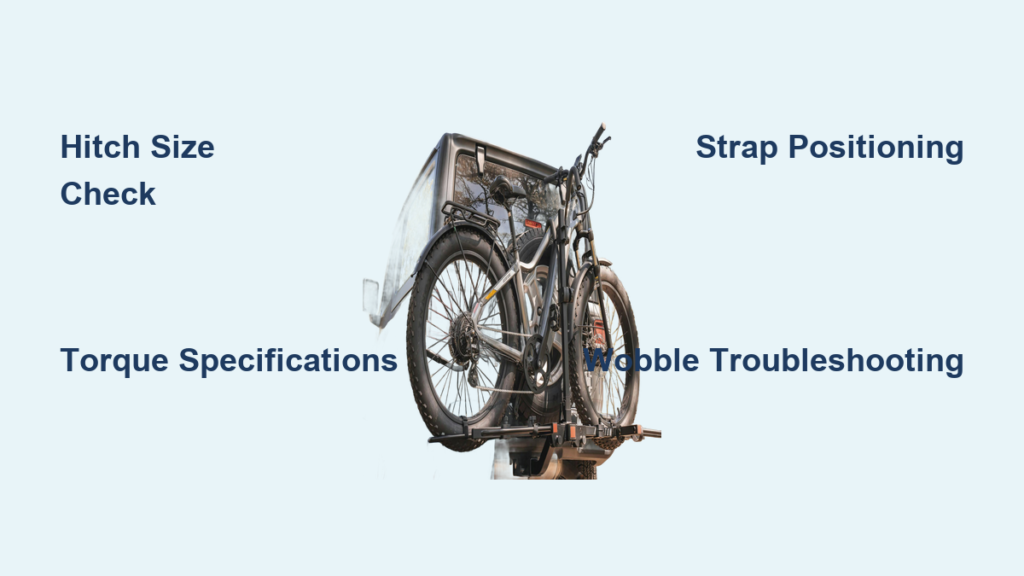
Hitch-Mounted Bike Rack Setup (Most Popular)
Check Your Soul’s Factory Equipment Before Buying Anything
Before spending a dime, inspect your Soul’s rear bumper area. Most 2010-2023 models have pre-threaded frame holes for hitch installation, but base trims lack factory receivers. Peek under your bumper—if you see a 2-inch square opening, you’re ready for hitch-mounted racks. If not, you’ll need an aftermarket hitch, which installs in under an hour using your Soul’s existing mounting points.
Aftermarket Hitch Installation Steps That Won’t Void Your Warranty
Skip the dealership markup with this DIY method that maintains your Kia warranty:
Gather These Tools First:
– Socket set (10mm, 15mm, 17mm, 19mm)
– Torque wrench hitting 85 ft-lbs (critical!)
– Wire brush for cleaning frame threads
– Jack stands or sturdy ramps
– Safety glasses and gloves
Installation Process That Takes Under 60 Minutes:
1. Prep your workspace – Level ground, parking brake engaged, front wheels chocked
2. Drop the spare – Grab the spare tire tools from your cargo area and lower it down
3. Find the holes – Look for pre-threaded mounting points in your frame rails
4. Clean the threads – Wire brush removes debris for smooth bolt insertion
5. Position the hitch – Align with mounting points, hand-tighten all bolts first
6. Torque properly – Final torque to 85 ft-lbs prevents future issues
7. Test the receiver – Slide in your hitch pin and check clearance
Best Hitch-Mounted Racks for Kia Soul’s Unique Shape
Platform Style (Easiest Loading):
– Kuat NV 2.0 – Zero interference with Soul’s rear spoiler
– Thule T2 Pro XT – Handles up to 60 lbs per bike
– Yakima HoldUp EVO – Tilting feature maintains hatch access
Hanging Style (Budget-Friendly):
– Thule Helium Pro – Lightweight aluminum won’t rust
– Yakima FullSwing – Swings away for full hatch access
– Allen Sports Deluxe – 4-bike capacity under $200
Trunk-Mounted Bike Rack Alternative for Hitchless Souls
When Trunk Mounts Make Sense for Your Soul
If you drive a base model without hitch mounting points or want a temporary solution, trunk-mounted racks work—but the Soul’s distinctive rear spoiler requires careful selection. Never use trunk racks on Soul models with rear spoilers higher than 3 inches, as this creates dangerous clearance issues with bike tires.
Top Trunk-Mounted Picks for Kia Soul’s Boxed Rear End:
– Saris Bones EX – Adjustable arms conform to Soul’s unique rear profile
– Allen Sports Deluxe – Available in 2 or 4-bike versions
– Yakima FullBack – Premium option with built-in security
Trunk Rack Installation in 6 Minutes Without Scratching Paint
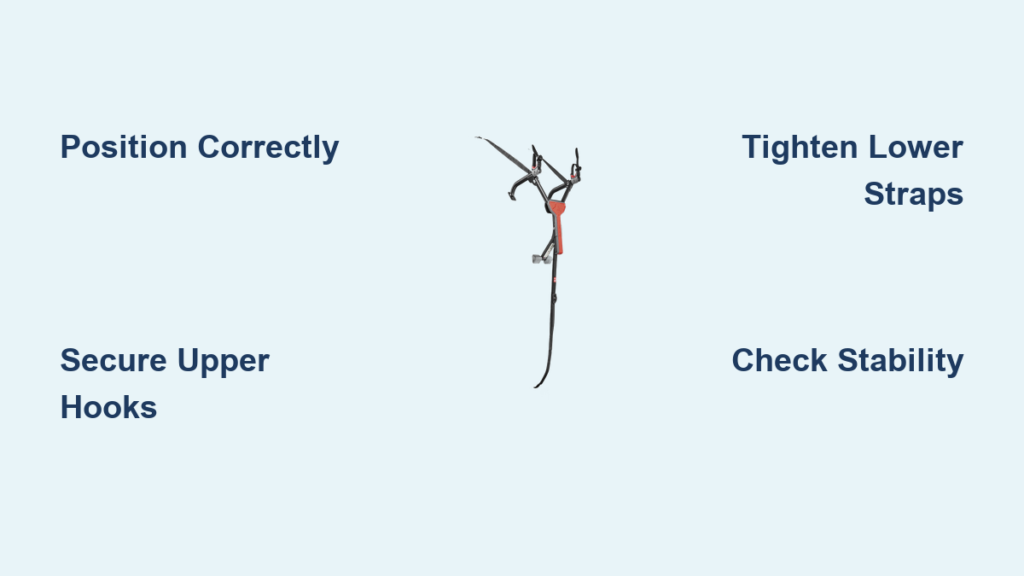
1. Center the rack – Position on rear hatch, ensuring level placement
2. Set the arms – Adjust top hooks to grab over the hatch edge
3. Secure sides – Attach straps to hatch sides, avoiding tail lights
4. Hook bottom – Connect lower hooks to bumper edge
5. Tighten evenly – Snug but don’t over-tighten – you want secure, not stretched
6. Test thoroughly – Shake gently to confirm stability before loading bikes
Roof-Mounted Bike Rack Solution for High-Capacity Needs
Factory vs Aftermarket Roof Setup for Different Soul Trims
EX and GT-Line trims include factory roof rails rated for 165 pounds dynamic load. Base models need aftermarket crossbars, but both work excellently for bikes. Critical tip: Measure your Soul’s roof crossbar spacing—32-36 inches between bars provides optimal stability for most bike carriers.
Quick Roof Rack Setup That Won’t Damage Your Soul:
1. Measure spacing – 32-36 inches between crossbars provides optimal stability
2. Install towers – Position at recommended mounting points
3. Secure crossbars – Thule Aeroblade or Yakima JetStream fit perfectly
4. Choose carriers – Fork-mount for security, wheel-mount for convenience
5. Lock everything – Integrated locks prevent theft
Model-Specific Installation Tips That Prevent Costly Mistakes
2020-2023 Kia Soul Specifics: No Drilling Required
These newer Souls include pre-drilled frame holes, making hitch installation straightforward. You might need to remove a small undertray panel, but no drilling required. Warning: Some owners report backup camera interference with certain hanging racks—always test camera functionality before finalizing your rack choice.
2014-2019 Soul Considerations: Bumper Clearance Is Critical
The more rounded rear bumper requires careful measurement before choosing racks. Dual exhaust tips need adequate clearance, and some setups benefit from a license plate relocation bracket. Pro tip: Install your hitch first, then test-fit racks—many universal racks require minor adjustments for proper Soul clearance.
2010-2013 Early Model Notes: Rust Prevention Is Essential
First-generation Souls occasionally need drilling for aftermarket hitches. Apply anti-seize compound to all hardware for rust prevention, especially in salt-heavy regions. Critical mistake to avoid: Skipping the torque wrench—under-torqued bolts loosen on Soul’s boxy frame, while over-torqued bolts strip the softer frame threads.
Safety Essentials Every Soul Owner Must Know
Weight Limits That Actually Matter for Your Soul
- Tongue weight limit – Never exceed 200 lbs total (hitch + rack + bikes)
- Individual bike limit – Most racks handle 60 lbs per bike maximum
- Heaviest bikes first – Position weight closest to vehicle
- Spare tire factor – Factor in 30+ lbs if leaving spare installed
Driving Adjustments That Prevent Accidents:
– Measure total height with bikes loaded (most Souls clear 6’2″ with bikes)
– Practice backing up in an empty lot first
– Reduce highway speeds by 10-15 mph (65 mph max recommended)
– Check straps and connections every stop
Troubleshooting Common Issues Fast

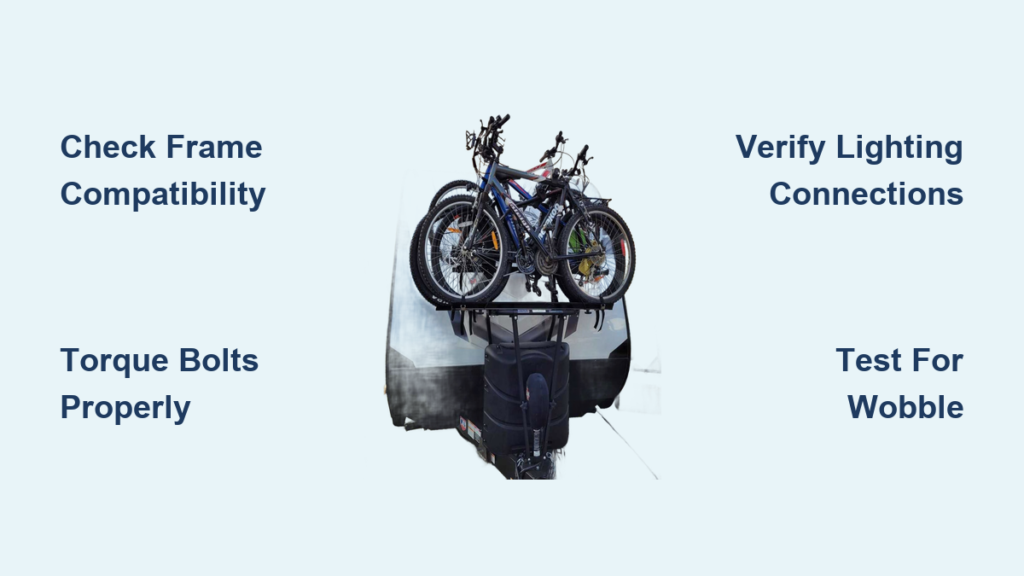
Eliminating Rack Wobble That Damages Your Soul
Problem: Annoying movement or rattling during driving
Quick fix: Replace worn hitch pin, add anti-rattle device ($15)
Prevention: Monthly torque checks keep everything tight—Soul’s boxy shape amplifies vibration
Preventing Bike Contact That Scratches Your Soul
Problem: Bikes swaying into your Soul’s rear quarter panel
Solution: Use frame adapters, reposition bikes by weight
Red flag: This usually means you’re overloaded—Soul’s narrow rear track requires perfect weight balance
Maintaining Hatch Access Without Removing the Rack
Problem: Can’t open rear hatch with bikes loaded
Fix: Choose tilting (Kuat NV) or swing-away (Yakima FullSwing) rack models
Test before buying: Always check hatch clearance with rack installed—Soul’s vertical hatch needs 8+ inches of clearance
Final Installation Checklist Before Your First Ride
Before hitting the road with bikes on your Kia Soul:
– [ ] All bolts torqued to 85 ft-lbs specification
– [ ] Hitch pin secured with clip or lock
– [ ] Bikes loaded with heaviest closest to vehicle
– [ ] All straps and connections double-checked
– [ ] License plate and lights remain visible
– [ ] Test drive around neighborhood completed
– [ ] Emergency toolkit packed (extra straps, bungee cords)
Your Kia Soul is now ready to transport bikes safely and securely. Whether you chose the DIY route or professional installation, following these guidelines ensures years of reliable cycling adventures. Remember—the best bike rack for your Soul isn’t the fanciest one, but the one that fits your specific model year and gets used regularly. Critical final tip: Remove your rack when not in use—Soul’s distinctive shape makes hitch racks tempting theft targets in urban areas. With proper installation, your Soul transforms from city commuter to adventure vehicle in under an hour.