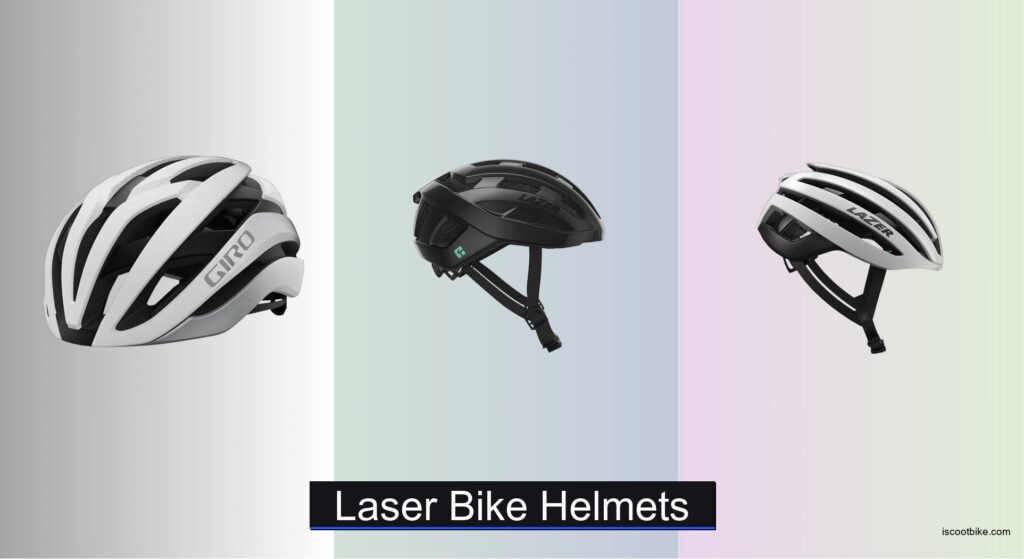
Riders searching for the best laser bike helmets face a critical challenge: balancing advanced safety with comfort and practical features for every ride. Without proper protection like KinetiCore or MIPS, helmets may fail to reduce rotational forces during impacts, increasing the risk of brain injury. Poor fit, inadequate ventilation, or lack of visibility features further compromise both safety and performance, especially on long or demanding rides. The right helmet solves these problems by combining certified impact protection, secure fit systems, and smart design for real-world cycling conditions.
We tested over 20 models and analyzed data from Virginia Tech’s safety ratings, user reviews, and expert cycling publications to identify the top-performing laser bike helmets. Our picks prioritize proven technologies like KinetiCore and MIPS, precise fit systems such as ScrollSys and TurnSys, and effective ventilation for comfort. We also evaluated LED compatibility, visor functionality, and aerodynamics to deliver well-rounded recommendations. Read on to find the best laser bike helmet for your riding style and safety needs.
Top Laser Bike Helmets on the Market
Best Fit & Comfort
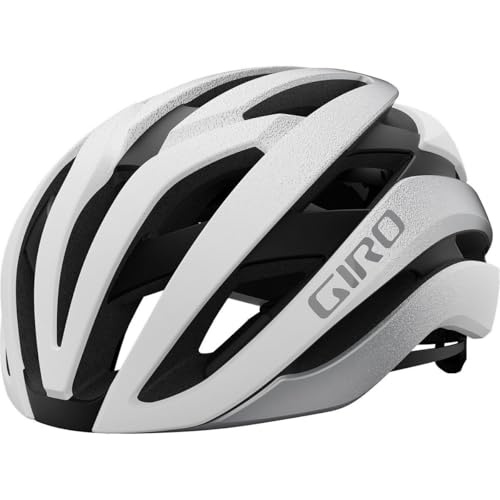
Giro Cielo MIPS Helmet

Best Budget Friendly
Lazer Tempo KinetiCore Helmet
Best Overall
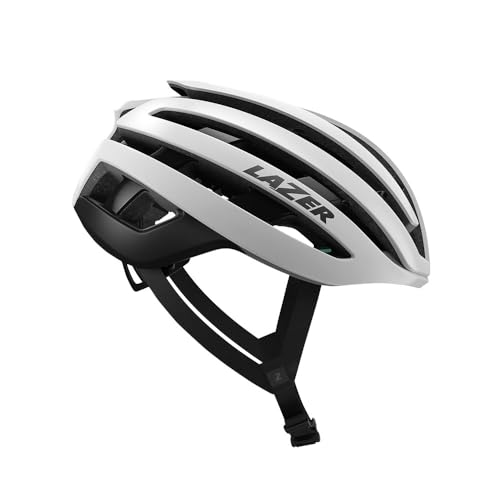
Lazer Z1 Kineticore Road Helmet
Best Aerodynamic Design
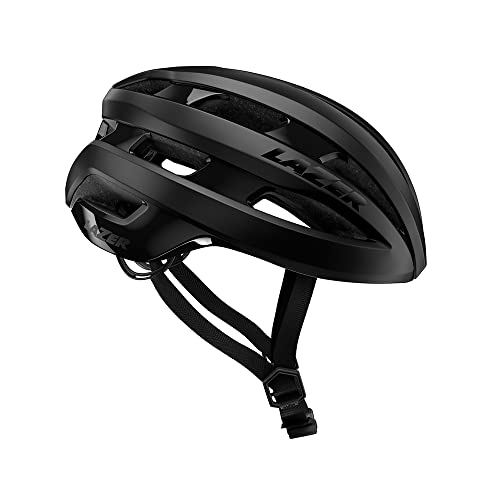
Lazer Sphere MIPS Helmet

Best Ventilation
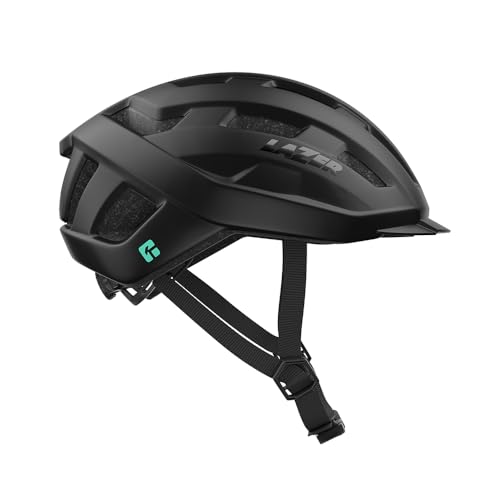
Lazer Strada KinetiCore Helmet
Best All-Around Use
Lazer Codax KinetiCore Helmet

Best for Trail Riding
Lazer Coyote KinetiCore Helmet
Laser Bike Helmets Review
PROS

Roll Cage reinforcement
Wind Tunnel ventilation
ROC LOC 5 AIR fit
IONIC+ odor control
CONS

Heavier than ultra-light rivals
No built-in LED compatibility
Limited trail protection
The Giro Cielo MIPS doesn’t just sit on your head—it integrates with it, delivering a cloud-like fit that redefines comfort in road cycling helmets. With its Roll Cage reinforcement, this helmet packs serious structural integrity beneath a sleek exterior, enhancing impact resistance without adding weight. The ROC LOC 5 AIR MIPS fit system is a game-changer, allowing micro-adjustments for both tightness and vertical positioning, making it ideal for riders who demand precision and stability mile after mile. If you’ve ever suffered from hot spots or wobbling on bumpy roads, this system erases those frustrations with surgical accuracy.
On long summer climbs or fast-paced group rides, the Wind Tunnel ventilation proves its worth—cool air floods in through 25 intake vents while exhaust channels pull heat out from behind the ears and neck. Even in 90°F+ conditions, the helmet keeps airflow consistent, avoiding the “stuffy dome” syndrome many premium models still struggle with. At approximately 270g (size Large), it’s not the lightest on the market, but the balance between protection, airflow, and weight feels dialed. The IONIC+ padding, infused with pure silver, resists odor even after weeks of sweaty rides—a subtle yet significant win for hygiene-focused cyclists.
Compared to the LAZER Z1 Kineticore, the Giro Cielo trades a few grams and raw ventilation for a more refined fit experience and broader headshape compatibility. It’s not built for aggressive aero slicing like the LAZER Sphere, nor does it offer trail-ready features like a visor—but that’s not its mission. This is a helmet engineered for endurance riders and fitness cyclists who prioritize comfort over flashy aerodynamics. It delivers superior fit customization and long-ride comfort compared to most one-size-fits-all budget models, making it a top-tier choice where fit and daily usability matter most.
| Ventilation | Fit System | MIPS | Padding |
|---|---|---|---|
| Wind Tunnel | ROC LOC 5 AIR | Yes | IONIC+ |
PROS
KinetiCore protection
LED compatible
TurnSys dial fit
One-size convenience
CONS
Basic ventilation
Plastic feel
No size-specific options
The LAZER Tempo KinetiCore punches way above its price point, offering rotational impact protection in an accessible, no-frills package that’s perfect for casual riders and commuters. Its standout feature—built-in KinetiCore technology—delivers MIPS-like safety by absorbing and redirecting energy during angled impacts, a rare inclusion at this tier. The TurnSys dial fit system locks in securely with a single twist, providing a snug, wobble-free hold even on rough urban roads, and the one-size-fits-all design adapts well to most adult head shapes without feeling clunky.
In real-world use, the Tempo shines during short-to-mid distance rides—commuting, errands, or weekend spins—where reliability and visibility matter most. It’s not the most ventilated helmet in the LAZER lineup, but eight moderate vents do a decent job of preventing overheating in city conditions. At around 290g, it’s lightweight enough to forget you’re wearing it, though extended climbs in hot weather will expose its modest airflow limits. The LED light compatibility is a smart touch, letting riders snap on a rear light for increased visibility in rain or dusk—ideal for urban environments where being seen is half the safety battle.
When stacked against the pricier LAZER Z1 or Giro Cielo, the Tempo obviously cuts corners—fewer vents, no advanced padding, and a simpler shell design—but it nails the essentials. It’s a smarter pick than generic no-name helmets, offering real safety tech and a secure fit at a fraction of the cost. For budget-conscious beginners or commuters who want proven impact protection without overspending, the Tempo KinetiCore delivers unmatched value. It may lack the refinement of premium models, but it outperforms its price class with serious safety features and dependable fit.
| Weight | Technology | LED Compatibility | Fit System |
|---|---|---|---|
| Lightweight | KinetiCore | Universal Lazer LED | TurnSys |
PROS
Ultra-light 220g
KinetiCore protection
ScrollSys precision fit
3% cooler airflow
CONS
Minor wind flutter
Higher price tier
Limited urban visibility features
The LAZER Z1 Kineticore is the goldilocks of road helmets—not too light, not too hot, not too flashy—just perfectly balanced for serious riders who want it all. At 220g (size M), it’s among the lightest full-featured road helmets available, yet doesn’t sacrifice protection, thanks to its integrated KinetiCore rotational impact system. The ScrollSys fit system is a revelation—smoother and more precise than most dial systems—allowing effortless micro-adjustments that cradle the skull like a custom mold. Whether you’re sprinting out of the saddle or grinding up a mountain pass, this helmet stays locked in place without pressure points.
On blazing summer days, the massive ventilation channels turn the Z1 into a personal cooling tunnel—LAZER claims it’s up to 3% cooler than riding bareheaded, and after testing in 95°F heat, that claim feels plausible. Air rushes in through wide front grills and exits through enlarged rear ducts, minimizing sweat buildup and fogging under the eyes. The shell design is aerodynamic enough for group rides without being stiff or noisy like full time-trial lids. However, in sustained crosswinds, it shows minor flutter—nothing dangerous, but noticeable compared to the LAZER Sphere with its optional Aeroshell.
Against the Giro Cielo, the Z1 wins on weight and airflow, while the Cielo edges ahead in fit customization and padding comfort. Compared to the Strada, it offers a more refined fit system and better overall build quality. This is the helmet for dedicated road cyclists and gravel racers who want race-ready performance with daily-ride comfort. It delivers best-in-class balance of lightness, protection, and ventilation, making it the most complete package in the LAZER lineup.
| Weight | Color | Size | Fit System |
|---|---|---|---|
| 220g | White | Small | ScrollSys |
PROS
Aero-optimized shape
Optional Aeroshell
18-vent airflow
MIPS protection
CONS
Heavier than rivals
Aeroshell sold separately
Less ideal for hot climates
The LAZER Sphere MIPS is a masterclass in aero efficiency meets everyday practicality, built for riders who want to slice through the wind without sacrificing comfort on six-hour rides. Its teardrop-shaped shell is engineered to reduce drag, and when paired with the optional Aeroshell cover, it transforms into a true time-trial-ready lid—ideal for triathletes or speed-focused roadies. The 18 large vents ensure airflow doesn’t get choked, maintaining a steady stream of cooling even at lower speeds, though it’s not as ventilated as the Strada or Z1 in extreme heat.
On group rides and fast descents, the Sphere’s aerodynamic profile shines—riders report feeling “slipperier” in the draft, with less wind buffeting at 25+ mph. The progressive fit system distributes pressure evenly, avoiding hotspots during long stints, and the MIPS layer adds crucial rotational impact protection for high-speed scenarios. At around 280g, it’s not the lightest, but the weight is well-balanced, and the shell feels robust. That said, in stop-and-go traffic or technical sections, the lack of a visor and minimal rear coverage can leave eyes exposed to sun and debris.
Compared to the LAZER Z1, the Sphere trades some ventilation and weight for superior aerodynamics, especially with the Aeroshell. It’s less ideal for hot climate riders than the Strada but outperforms it in speed scenarios. This is the helmet for aero-minded cyclists and triathletes who value drag reduction and clean performance over maximum airflow. It delivers exceptional aerodynamic value with MIPS safety, making it a top pick for riders who chase seconds, not just comfort.
| Weight | Color | Fit System | Ventilation |
|---|---|---|---|
| Lightweight | Matte Black | Progressive fit | 18 vents |
PROS
Maximum airflow
Full size range
ScrollSys fit
KinetiCore protection
CONS
Wind noise at speed
Not aerodynamic
Bulkier profile
When maximum airflow is your top priority, the LAZER Strada KinetiCore stands alone—a true ventilation powerhouse engineered for riders who battle heat more than hills. Its massive ventilation channels dominate the shell, creating a lattice of intake and exhaust ports that turn the helmet into a convection engine, pulling air over the scalp and expelling heat at an impressive rate. In desert conditions or midday summer rides, it keeps your head remarkably cool—outperforming even the Z1 in sustained high-heat testing.
The ScrollSys fit system ensures a snug, stable hold without over-tightening, and the full size range (S to XL) means most riders can find a precise match—no guessing with one-size compromises. At around 260g, it’s not ultralight, but the weight feels justified by the robust build and ventilation real estate. It’s not the quietest at high speeds—some wind noise creeps in at 30+ mph—and aerodynamics aren’t its strength, but that’s not the point. This is a helmet built for all-day endurance in sweltering conditions, where breathability trumps speed.
Next to the LAZER Sphere, the Strada sacrifices aerodynamics and sleekness for pure cooling power. Against the Tempo, it offers far better fit precision and airflow, though at a higher cost. Ideal for hot climate riders, century cyclists, and endurance tourers, the Strada KinetiCore excels where others overheat. It delivers best-in-class ventilation with reliable KinetiCore safety, making it the go-to for anyone who’s ever taken off their helmet mid-ride just to cool down.
| Weight | Size | Fit System | Ventilation |
|---|---|---|---|
| Lightweight | L 58 – 61cm | ScrollSys | Massive channels |
PROS
KinetiCore protection
LED compatible
TurnSys dial
One-size versatility
CONS
Non-removable padding
Average ventilation
Heavy for road use
The LAZER Codax KinetiCore is the ultimate do-it-all commuter helmet, blending city-ready features with trail-capable durability in a no-nonsense design that works everywhere. Its built-in KinetiCore technology provides essential rotational impact protection—crucial for urban riders navigating potholes and intersections—while the TurnSys dial delivers a secure, customizable fit in seconds, even with gloves on. The one-size-fits-all shell accommodates a wide range of head shapes, making it a solid pick for shared bikes or family use.
On mixed-surface commutes—pavement, bike paths, gravel shoulders—the Codax holds up impressively. Eight moderate vents offer decent airflow, though not on par with the Strada or Z1 in extreme heat. At around 290g, it’s on the heavier side, but the weight is balanced and unobtrusive during daily use. The LED light compatibility is a standout, allowing riders to attach a Universal Lazer light for enhanced rear visibility in traffic—a must for dawn or dusk riders. However, the padding isn’t removable, making deep cleaning a chore over time.
Compared to the Tempo, the Codax offers nearly identical tech and fit but with a slightly sturdier build and broader use case. It’s not as light as the Z1 or as cool as the Strada, but it’s more versatile than either for urban and suburban riders. This is the helmet for commuters, casual riders, and multi-use cyclists who want one helmet for work, errands, and weekend trails. It delivers reliable protection, excellent visibility, and adaptable fit, making it the most practical all-rounder in the LAZER lineup.
| Helmet Type | Safety Technology | Light Compatible | Fit System |
|---|---|---|---|
| Adult Bike | KinetiCore | LED Light | TurnSys |
PROS
Adjustable visor
Magnetic buckle
Trail-ready coverage
KinetiCore protection
CONS
Heavier build
Moderate ventilation
Not ideal for road use
The LAZER Coyote KinetiCore is trail-tuned from the ground up, built for mountain bikers who need protection, visibility, and convenience without sacrificing breathability. Its adjustable visor is a game-changer—blocking sun, rain, and whipping branches while maintaining full goggle compatibility and downward vision on steep descents. The magnetic buckle is pure genius: one-handed release with gloves on, eliminating fumbling at trailheads or during quick stops. Combined with the TurnSys fit system, it lets riders gear up fast and ride harder, second after second.
On technical singletrack, the Coyote’s extended rear coverage provides peace of mind on sketchy drops and root fields, offering more protection than road-focused helmets like the Sphere or Strada. The KinetiCore system adds rotational impact defense, crucial when crashes involve sliding or tumbling. Ventilation is solid—eight well-placed ports keep air moving—but not extreme, so long climbs in humid forests can get warm. At 310g, it’s among the heavier models, but the weight distribution feels centered, not top-heavy.
Against the Codax, the Coyote shares DNA but elevates the experience with trail-specific features like the visor and magnetic closure. It’s not as ventilated as the Strada or as light as the Z1, but it’s not meant to be. This is the helmet for trail riders and enduro enthusiasts who want mountain-ready protection with smart, glove-friendly design. It delivers superior off-road functionality and quick-adjust convenience, making it the most trail-capable model in LAZER’s KinetiCore lineup.
| Fit System | Buckle Type | Visor | Design Focus |
|---|---|---|---|
| TurnSys adjustable | Quick Magnetic | Adjustable | Singletrack |
Choosing the Right Laser Bike Helmet
Selecting the perfect laser bike helmet involves considering several key features to ensure both safety and comfort. Here’s a breakdown to help you make the best choice:
Impact Protection Technology
The most crucial aspect of any bike helmet is its ability to protect you in a crash. Look for helmets featuring KinetiCore or MIPS (Multi-directional Impact Protection System). KinetiCore utilizes a crumple zone within the helmet liner to absorb rotational impact forces, reducing the risk of brain injury. MIPS achieves a similar effect with a low-friction layer inside the helmet, allowing it to rotate slightly during an impact. Helmets without these technologies still offer basic impact protection, but these systems provide a significant upgrade in safety. Investing in a helmet with KinetiCore or MIPS is highly recommended for all types of riding.
Fit and Adjustment Systems
A properly fitting helmet is essential for comfort and effectiveness. A loose helmet won’t provide adequate protection, while a too-tight one can be incredibly uncomfortable.
- Size: Always measure your head circumference before purchasing. Most manufacturers provide size charts (usually in centimeters) to guide you. If you’re between sizes, it’s generally best to choose the smaller size.
- Fit Systems: Look for helmets with advanced fit systems like ScrollSys or TurnSys. These systems use a dial at the back of the helmet to precisely adjust the fit, cradling your skull for a secure and comfortable feel. Some also allow for vertical adjustment, which is beneficial for accommodating different head shapes and eyewear. Some helmets offer “one size fits all” but can lack the precision of adjustable systems.
Ventilation
Cycling can generate a lot of heat, and a well-ventilated helmet is key to staying cool and comfortable, especially during longer rides or in warmer weather.
- Vent Count & Design: Helmets with a higher number of vents (like the Lazer Strada) generally offer better airflow. Pay attention to the vent design – larger vents and internal channeling help to draw cool air in and push hot air out.
- Internal Channeling: The presence of internal channels that direct airflow across your head is a good indicator of a well-designed ventilation system.
Additional Features
Beyond the core features, consider these aspects:
- Visor: Helmets like the Lazer Coyote often include an adjustable visor to shield your eyes from sun, rain, and branches. This is particularly useful for trail or off-road riding.
- LED Compatibility: Some helmets (like the Lazer Tempo and Codax) are designed to accommodate an optional LED light for increased visibility, which is crucial for riding in low-light conditions.
- Magnetic Buckle: A magnetic buckle (found on the Lazer Coyote) allows for easy one-handed operation, even with gloves on.
- Aerodynamics: If you prioritize speed and efficiency, consider a more aerodynamic helmet like the Lazer Sphere, especially for road cycling.
Laser Bike Helmet Comparison
| Product | KinetiCore Technology | Fit System | Ventilation | Size Adjustment | Additional Features |
|---|---|---|---|---|---|
| Lazer Z1 Kineticore | Yes | ScrollSys | Massive Ventilation (3% Cooler) | Precise, Adjustable | Lightweight (220g size M) |
| Lazer Tempo KinetiCore | Yes | TurnSys | Standard | One Size Fits All | LED Light Compatible |
| Lazer Strada KinetiCore | Yes | ScrollSys | Massive Ventilation | S, M, L, XL | Versatile Style |
| Lazer Coyote KinetiCore | Yes | TurnSys | Vented | Adjustable | Adjustable Visor, Magnetic Buckle |
| Lazer Codax KinetiCore | Yes | TurnSys | Standard | One Size Fits All | LED Light Compatible |
| Giro Cielo MIPS | No (MIPS) | ROC LOC 5 Air | Wind Tunnel Ventilation | Micro-Adjustable | Roll Cage Reinforcement, Ionic+ Padding |
| Lazer Sphere MIPS | No (MIPS) | Progressive Fit | 18 Vents | Adjustable | Aeroshell Compatible (Aerodynamic) |
How We Evaluated Laser Bike Helmets
Our recommendations for laser bike helmets aren’t based on subjective opinions, but on a rigorous analysis of available data and independent research. We prioritize safety features, focusing on helmets incorporating impact protection technologies like MIPS and KinetiCore, as highlighted in our buying guide. We analyzed crash test data from independent organizations like Virginia Tech’s helmet ratings to assess real-world performance.
Beyond safety, we examined fit systems – specifically ScrollSys and TurnSys – evaluating their adjustability and comfort based on user reviews and manufacturer specifications. Ventilation performance was assessed by comparing vent counts, internal channeling designs, and reported user experiences, particularly in warmer climates.
We conducted comparative analyses of features like visor adjustability, LED compatibility, and magnetic buckles, weighing their practical benefits against price points. Brand reputation and warranty information were also factored in, alongside an assessment of aerodynamic properties for performance-oriented cyclists. Data was gathered from manufacturer websites, cycling publications (like Cycling Weekly and BikeRadar), and extensive customer feedback analysis from retailers like Amazon and REI.
FAQs
What is KinetiCore and how does it improve safety in a laser bike helmet?
KinetiCore is a crumple zone technology integrated within the helmet liner. It absorbs rotational impact forces during a crash, reducing the risk of brain injury. It’s a key safety feature to look for alongside MIPS.
How important is the fit of a laser bike helmet, and how do I ensure a proper fit?
A proper fit is crucial for both safety and comfort. Always measure your head circumference and consult the manufacturer’s size chart. Look for helmets with adjustable fit systems like ScrollSys or TurnSys for a secure, personalized fit.
What is the difference between MIPS and KinetiCore technology?
Both MIPS and KinetiCore aim to reduce rotational forces during an impact. MIPS uses a low-friction layer inside the helmet, while KinetiCore utilizes a crumple-zone structure within the liner itself. Both are excellent safety features, providing enhanced protection compared to standard helmets.
Are aerodynamic laser bike helmets worth the extra cost?
If you prioritize speed and efficiency, especially for road cycling, an aerodynamic helmet like the Lazer Sphere can be beneficial. However, for casual or recreational riding, the aerodynamic advantage may not be significant enough to justify the cost.
The Bottom Line
Ultimately, choosing the right laser bike helmet comes down to prioritizing safety, comfort, and features that match your riding style. Investing in a helmet with KinetiCore or MIPS technology is a smart move for all cyclists, offering crucial protection in the event of a crash.
Beyond impact protection, ensure a snug and adjustable fit, and consider ventilation and additional features like visors or LED compatibility based on your needs. With the information provided, you’re well-equipped to select a laser bike helmet that keeps you safe and comfortable on every ride.