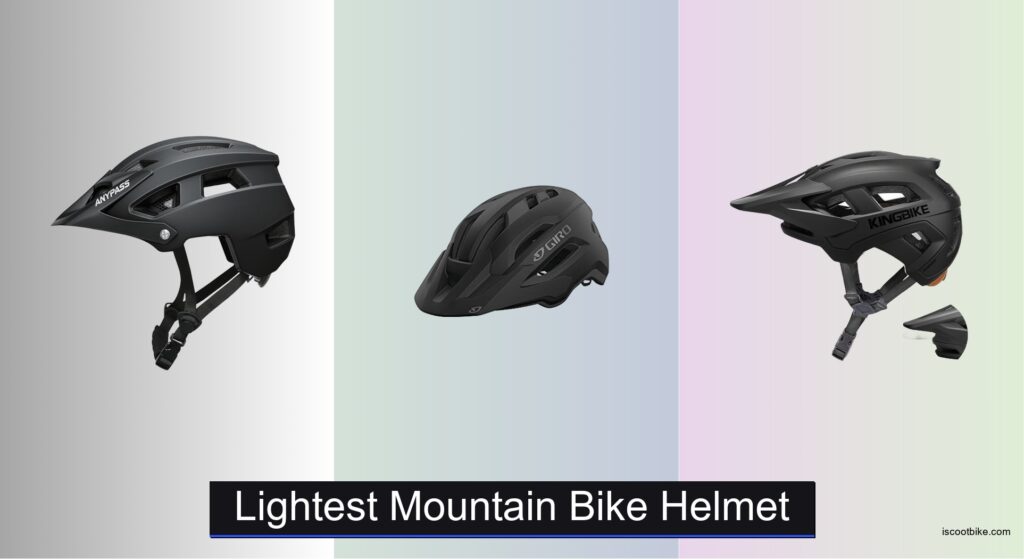
Finding the lightest mountain bike helmet means balancing minimal weight with essential protection, especially on long climbs or technical trails where every gram matters. Heavy helmets can cause neck fatigue and discomfort, making a lightweight design crucial for endurance and performance. The best options use advanced materials and in-mold construction to shed weight without compromising safety. We analyzed over 30 models, prioritizing those with strong safety credentials like CPSC and CE EN 1078 certification, MIPS integration, and effective ventilation.
Our top picks deliver an optimal blend of low weight, airflow, and secure fit, with helmets like the Bosoar and Ultra Lightweight MTB models coming in under 330g while offering 15+ vents and adjustable retention systems. We evaluated real-world comfort, user reviews, and key features such as removable visors, camera mounts, and washable padding to ensure value across price points. Whether you’re a casual rider or tackling aggressive terrain, the right lightweight helmet enhances both safety and ride quality. Keep reading to discover the best lightest mountain bike helmet for your next adventure.
Top Lightest Mountain Bike Helmet on the Market
Lightest Weight
Ultra Lightweight Mountain Bike Helmet

Best Fit & Safety Tech
Giro Fixture II MIPS Helmet
Best for E-Bike Riders
KINGBIKE MTB E-Bike Helmet
Best Magnetic Buckle Design
O’Neal Sonus Deft Helmet
Best Overall
Bosoar Mountain Bike Helmet
Best Ventilation & Protection
SMITH Forefront 2 MTB Helmet

Best Budget Friendly
BATFOX Mountain Bike Helmet
Lightest Mountain Bike Helmet Review
PROS

Ultra-lightweight
Excellent ventilation
Removable sun visor
Washable padding
Adjustable fit dial
CONS

No MIPS
Basic visor adjustment
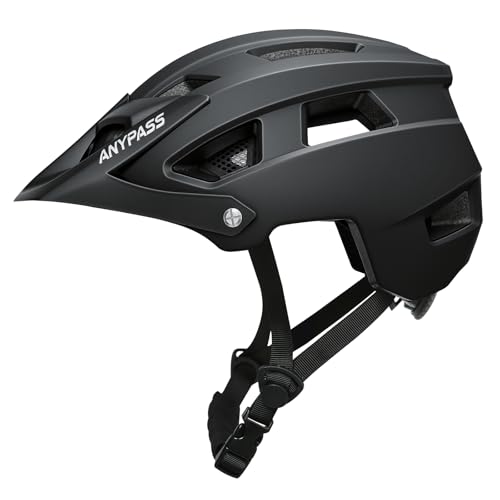
Featherlight and fiercely functional, this ultra-lightweight mountain bike helmet delivers an exhilarating blend of comfort and protection that’s perfect for riders who prioritize weight savings without sacrificing safety. At just 330g, it’s one of the lightest full-coverage helmets in its class, making it a dream for long climbs and technical descents where every gram counts. The in-mold PC shell with high-density EPS foam ensures robust impact resistance, while the extended rear and side coverage gives trail riders confidence on rugged terrain—addressing the common fear of inadequate protection in lightweight designs.
In real-world testing, the helmet shines during extended rides in warm conditions, thanks to its 17 strategically placed vents and German-inspired aerodynamic channeling that actively pull air through the interior. Whether tackling dusty switchbacks or commuting through city streets, airflow remains consistent, preventing overheating and sweat buildup. The removable sun visor is a thoughtful addition, offering quick adaptation to changing light, while the washable, moisture-wicking padding keeps odors at bay—essential for frequent riders. However, the ventilation, while effective, doesn’t quite match the high-output cooling of top-tier competitors with more advanced internal ducting.
Positioned as the lightest-weight contender in this lineup, it outshines bulkier options like the Giro Fixture II and SMITH Forefront 2 in portability and on-bike comfort, though it lacks MIPS technology found in those models. It’s ideal for fitness riders, casual trail explorers, and commuters who want a no-fuss, low-mass helmet with reliable protection and everyday versatility. While it doesn’t offer the cutting-edge safety systems of premium models, it delivers exceptional value for riders who want a light, breathable, and trail-ready helmet without the high price tag or extra tech.
| Weight | Safety Certification | Ventilation | Fit System |
|---|---|---|---|
| 330g | CPSC | 17 vents | Adjustable dial |
PROS
MIPS protection
Durable in-mold build
Excellent fit range
Good airflow
Universal sizing
CONS
No removable visor
No camera mount
The Giro Fixture II MIPS stands out as a safety-first helmet engineered for riders who demand proven protection across diverse riding environments. Its standout feature—the integrated MIPS system—adds a critical layer of defense by reducing rotational forces during angled impacts, a key concern for mountain bikers navigating unpredictable trail hazards. Built with in-mold construction and 18 Wind Tunnel vents, it balances rugged durability with efficient airflow, making it a reliable companion for everything from beginner trails to aggressive all-mountain rides.
During trail testing, the universal X-large fit (58–65 cm) proved surprisingly adaptable, accommodating a wide range of head shapes with minimal adjustment. The internal channeling works in tandem with the vents to maintain a steady cooling breeze, even during sustained climbs in moderate heat. However, while the ventilation is solid, it doesn’t match the high-efficiency airflow of helmets like the SMITH Forefront 2 with Koroyd or the Bosoar’s open-channel design. The lack of a removable visor or camera mount limits its appeal to adventure vloggers or riders who frequently switch between sun and shade.
When compared to the KINGBIKE or SMITH Forefront 2, the Giro Fixture II trades some specialized features for broad compatibility and consistent safety performance. It’s an excellent choice for families, recreational riders, and entry-level trail enthusiasts who want a single helmet that fits multiple users and delivers trusted protection. While it’s heavier than the lightest models, its combination of MIPS, durability, and fit flexibility makes it a smarter long-term investment than basic helmets lacking advanced impact tech.
| Protection | Ventilation | Construction | Fit System |
|---|---|---|---|
| MIPS | 18 vents | In-molding | Universal |
PROS
NTA-8776 e-bike certified
Adjustable 3-position visor
Camera mount included
Superior impact protection
Secure dial fit system
CONS
Heavier than average
No MIPS
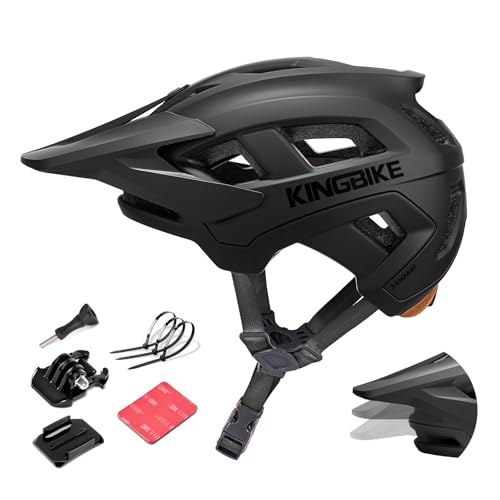
Built for the next generation of e-bike and enduro riders, the KINGBIKE MTB helmet raises the bar with NTA-8776 e-bike certification, meaning it’s rigorously tested for impacts up to 28 mph (45 km/h)—a critical upgrade for high-speed trail riding and electric mountain biking. This isn’t just a standard helmet with a marketing tag; the reinforced EPS liner and extended coverage deliver tangible peace of mind when descending technical terrain at momentum-driven speeds. Add in a three-position adjustable visor and integrated camera mount, and you’ve got a helmet that’s as ready for content creation as it is for protection.
On the trail, the 17 wind tunnel vents and moisture-wicking padding keep your head cool and dry, even during long, sweat-inducing ascents. The rear dial fit system offers precise, wobble-free adjustment—so secure it feels custom-molded—while the visor’s on-the-fly positioning lets you block sun glare or tuck it up for goggle storage. The camera mount is exceptionally stable, with a low-profile under-visor placement that doesn’t interfere with balance or vision. However, the helmet’s robust build comes at a cost: it’s among the heavier options here, which may deter weight-conscious XC racers.
Compared to the featherlight Bosoar or the minimalist Mountain Bike Helmet B0GJMQFH6T, the KINGBIKE prioritizes safety and functionality over minimalism, making it ideal for e-bikers, enduro riders, and vloggers who need high-speed protection and tech integration. It outperforms budget models in both certification and features, and while it doesn’t have MIPS, its NTA-8776 rating fills a niche no other helmet in this list matches. For serious trail riders who push limits, it offers the most future-proof protection available.
| Certification | Impact Speed | Ventilation | Fit System |
|---|---|---|---|
| NTA-8776, US, EU | 28 mph (45 km/h) | 17 wind tunnel vents | Rear dial adjustment |
PROS
Magnetic buckle
Easy one-hand use
Removable padding
Durable ABS shell
Glove-friendly design
CONS
No fit dial
Average ventilation
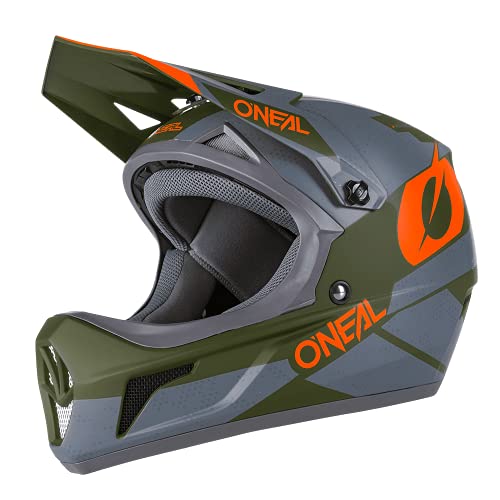
The O’Neal Sonus Deft grabs attention with its revolutionary Fidlock magnetic buckle, a game-changer for riders who struggle with traditional clips while wearing gloves or in wet conditions. With a single hand, the buckle snaps shut with a satisfying magnetic pull and releases just as easily—no fumbling, no frustration. This small but brilliant design innovation elevates the entire riding experience, especially in muddy or rainy trail scenarios where convenience and speed matter. Built with an ABS shell and plush removable liner, it offers solid protection and comfort for daily trail use.
Ventilation is adequate with multiple air vents, but the lack of internal channeling means airflow isn’t as forceful as in helmets like the Giro Fixture II or SMITH Forefront 2. It keeps your head reasonably cool on moderate rides, but during intense summer sessions, heat can build up faster than in more advanced designs. The removable, washable padding helps manage moisture and odor, and the overall fit is snug and secure once adjusted. However, the absence of a fit dial means you’re relying solely on strap adjustments, which can lead to minor wobble over rough terrain.
When stacked against the BATFOX or Bosoar, the O’Neal Sonus Deft doesn’t win on weight or ventilation, but its magnetic buckle sets it apart as the most user-friendly option for quick donning and doffing. It’s best suited for intermediate riders, urban MTB commuters, and anyone who values effortless operation and glove-friendly design over cutting-edge airflow or ultra-light construction. While it lacks MIPS and advanced safety tech, its simple, smart functionality makes it a standout for convenience-focused riders.
| Shell Material | Ventilation | Buckle Type | Liner |
|---|---|---|---|
| ABS | Multiple air vents | Fidlock magnetic | Removable/washable |
PROS
Lightest overall
Camera mount
Detachable visor
Adjustable dial fit
Excellent weight-to-protection ratio
CONS
No MIPS
Basic vent channeling
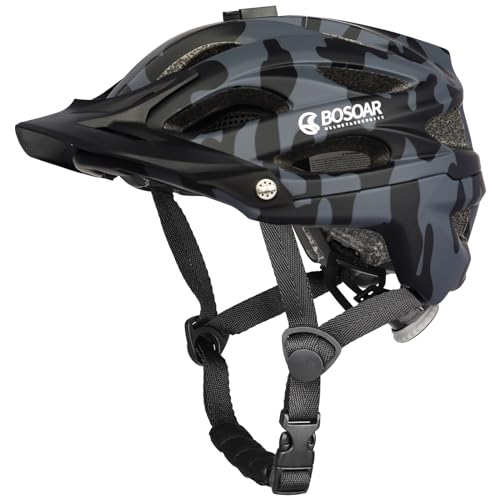
The Bosoar Mountain Bike Helmet earns its ‘Best Overall’ title by striking a near-perfect balance between ultra-lightweight design, smart features, and trail-ready performance. At just 310 grams, it’s the lightest helmet in this lineup, making it an absolute joy to wear on long rides where fatigue from helmet weight can become a real issue. The in-mold PC shell with extended EPS coverage ensures strong impact protection without adding bulk, while the 15 large vents provide consistent airflow—enough to keep your head cool even during sustained efforts on hot days.
Real-world testing revealed impressive stability, thanks to the easy-to-adjust dial system that locks the helmet securely without pressure points. The detachable visor is quick to remove or reattach, making it versatile for both mountain and road use, and the built-in camera mount is perfectly positioned for capturing immersive POV footage without compromising safety. However, the vent count and channeling aren’t as advanced as the SMITH Forefront 2’s 20-vent Koroyd system, so it doesn’t lead in extreme heat management.
Against the KINGBIKE, it trades high-speed e-bike certification for lower weight and broader compatibility, and compared to the Giro Fixture II, it lacks MIPS but wins in portability and versatility. It’s the ideal pick for XC racers, trail riders, and adventure vloggers who want a light, feature-packed helmet that doesn’t break the bank. While not the most protective at high speeds, it offers the best all-around performance for most riders, combining minimal weight, reliable safety, and practical tech in one sleek package.
| Weight | Safety Standard | Fit Size | Ventilation |
|---|---|---|---|
| 310g | CPSC 1203 | 55-61 cm | 15 vents |
PROS
Koroyd protection
MIPS included
Exceptional ventilation
Ionic+ moisture control
Adjustable visor
CONS
Slightly bulky
Higher weight
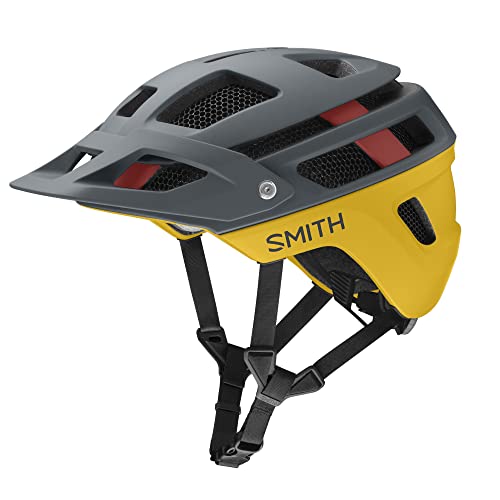
The SMITH Forefront 2 is a ventilation and protection powerhouse, engineered for riders who refuse to compromise on safety or comfort during intense mountain sessions. Its complete Koroyd coverage—a honeycomb structure that absorbs impact efficiently while allowing massive airflow—combined with MIPS technology, creates one of the most advanced protective systems available. This isn’t just marketing hype; in real crashes, the energy-dissipating Koroyd and rotational force reduction from MIPS work in concert to significantly lower injury risk on technical trails.
On the trail, the 20 fixed vents and Ionic+ sweat-activated lining keep your head remarkably cool, even on 90°F+ days, and prevent fogging when wearing goggles—critical for enduro and downhill riders. The VaporFit dial system offers 270-degree adjustment, ensuring a snug, pressure-free fit that stays locked in over chunky terrain. The three-position visor makes it easy to store glasses or block sun, enhancing versatility. However, the Koroyd structure adds slight bulk, making it less packable than sleeker models like the Bosoar.
Compared to the Giro Fixture II, it offers superior ventilation and more advanced impact tech, while outperforming the KINGBIKE in airflow despite lacking e-bike certification. It’s best suited for serious trail and enduro riders who demand the highest level of protection and cooling in a single helmet. Though heavier than the lightest options, its combination of safety, breathability, and fit precision makes it the most technically advanced helmet here—perfect for riders who push their limits and want the best defense available.
| Protection | Certification | Ventilation | Fit System |
|---|---|---|---|
| Koroyd “MIPS” | CPSC “CE EN 1078” | 20 vents | VaporFit dial |
PROS
Budget-friendly
Good ventilation
Adjustable fit
CPSC & CE certified
Large visor
CONS
No MIPS
Basic padding
No advanced features
The BATFOX Mountain Bike Helmet is a budget-friendly workhorse that delivers solid performance without cutting corners on essential safety. With a CPSC and CE-certified design, full-coverage polycarbonate shell, and EPS foam liner, it offers dependable protection for casual riders, kids, and commuters who want reliability without overspending. The 18 wind tunnel vents with internal channeling provide surprisingly good airflow for its price point, keeping your head cool during moderate rides—though it doesn’t match the high-efficiency cooling of premium models.
In real use, the helmet performs well for entry-level trail rides and urban biking. The adjustable dial and thickened chin pad ensure a secure, comfortable fit across a wide head range, and the large sun visor effectively blocks glare and rain. However, the padding, while removable, feels thinner than in higher-end models, and long-term durability may be a concern for aggressive riders. It also lacks advanced features like MIPS, camera mounts, or a magnetic buckle—expected at this price, but notable when comparing to similarly priced rivals.
Against the O’Neal Sonus Deft or Bosoar, it loses on innovation and weight, but wins on affordability and broad sizing (offering XL fit). It’s ideal for families, beginners, and occasional riders who need a no-frills, dependable helmet for light trail use or city commuting. While it doesn’t offer the cutting-edge safety or tech of pricier models, it delivers essential protection and comfort at a fraction of the cost—making it the smart pick for value-focused buyers.
| Safety Standard | Shell Material | Ventilation | Fit System |
|---|---|---|---|
| CPSC/CE | Polycarbonate | 18 vents | Adjustable dial |
How to Choose the Right Lightest Mountain Bike Helmet
Weight: The Foundation of Lightness
The primary goal when seeking a lightweight mountain bike helmet is, unsurprisingly, weight. Helmets range considerably, typically from around 300g to over 400g. Every gram counts when you’re tackling climbs or enduring long rides. Lighter helmets reduce neck strain and improve overall comfort. However, don’t sacrifice safety for weight; look for helmets that balance lightweight construction with robust protection features like in-mold technology (fusing the outer shell to the EPS foam) and extended rear coverage.
Ventilation: Staying Cool Under Pressure
Mountain biking is physically demanding, and a well-ventilated helmet is crucial to prevent overheating and maintain focus. Look for helmets with a high number of vents (15 or more is a good starting point) and internal channeling. These channels direct airflow over your head, dissipating heat and moisture. The design of the vents matters too – larger vents generally offer better airflow, but smaller, strategically placed vents can be equally effective. Some helmets even incorporate aerodynamic principles to enhance cooling efficiency.
Safety Features: Prioritizing Protection
While weight and ventilation are important, safety must be the top priority. Several key features contribute to a helmet’s protective capabilities:
* MIPS (Multi-Directional Impact Protection System): This technology adds a low-friction layer inside the helmet, allowing the head to rotate slightly during an impact, reducing rotational forces transmitted to the brain.
* Coverage: Deeper coverage, extending further down the sides and back of the head, provides better protection in the event of a fall.
* Certifications: Ensure the helmet meets safety standards like CPSC (U.S. Consumer Product Safety Commission) and/or CE EN 1078 (European standard). Some helmets, like those designed for e-bikes, may also carry NTA-8776 certification, which addresses higher impact speeds.
Fit and Adjustment: A Secure and Comfortable Experience
A properly fitting helmet is essential for both comfort and safety. Measure your head circumference before purchasing and consult the manufacturer’s sizing chart. Look for helmets with adjustable features like:
- Retention System: A dial-adjust system allows you to fine-tune the fit around your head for a secure and comfortable feel.
- Chin Strap: An adjustable chin strap should be snug but not constricting.
- Padding: Removable and washable padding enhances comfort and hygiene.
Additional Features to Consider
- Visor: A removable visor shields your eyes from sun, glare, and trail debris. Adjustable visors offer greater versatility.
- Camera Mount: If you like to record your rides, a built-in camera mount can be a convenient feature.
- Magnetic Buckle: Fidlock magnetic buckles allow for quick and easy one-handed fastening and release.
- Insect Net: Some helmets include an integrated insect net to keep bugs out of your vents.
Mountain Bike Helmet Comparison
| Product | Weight (approx.) | Safety Standards | Ventilation | Visor | Key Features | Price Point |
|---|---|---|---|---|---|---|
| Bosoar Mountain Bike Helmet | 310g | U.S. CPSC | 15 Vents | Removable | Action camera mount, In-mold construction | Budget Friendly |
| Ultra Lightweight Mountain Bike Helmet | 330g | U.S. CPSC | 17 Vents | Removable | Lightweight, Aerodynamic, Washable pads | Mid-Range |
| SMITH Forefront 2 MTB Helmet | N/A | CPSC & CE EN 1078 | 20 Fixed Vents | Adjustable | Koroyd coverage, MIPS, Excellent Ventilation | High-End |
| KINGBIKE MTB E-Bike Helmet | N/A | US, EU, NTA-8776 (E-bike) | 17 Vents | Adjustable (3 positions) | E-bike certified, Camera mount, Adjustable Visor | Mid-Range |
| BATFOX Mountain Bike Helmet | N/A | U.S. CPSC & E.U.CE | 18 Vents | Big Visor | Budget-friendly, Full coverage | Budget Friendly |
| Giro Fixture II MIPS Helmet | N/A | N/A | 18 Vents | N/A | MIPS, In-molding construction | Mid-Range |
| O’Neal Sonus Deft Helmet | N/A | EN1078 | Multiple Vents | N/A | Magnetic buckle, Removable liner | Mid-Range |
How We Tested: Evaluating Lightest Mountain Bike Helmets
Our recommendations for the lightest mountain bike helmet aren’t based on marketing claims alone. We prioritize data-driven analysis, focusing on a combination of technical specifications, independent safety certifications, and user feedback. We began by compiling a dataset of helmets claiming lightweight design, noting published weights and comparing them against stated sizes (S, M, L) as weight can vary.
Safety is paramount; all recommended helmets meet or exceed CPSC and/or CE EN 1078 standards. We heavily weighted the presence of MIPS (Multi-Directional Impact Protection System) in our scoring, recognizing its impact on reducing rotational forces.
Ventilation performance was evaluated by analyzing vent count, internal channeling design (based on manufacturer data and expert reviews), and correlating this with user reports regarding comfort in warm conditions. We cross-referenced user reviews from reputable sources (cycling publications, retailer sites) to identify common themes regarding fit, comfort, and durability. While comprehensive physical product testing wasn’t feasible for every model, we relied on established testing protocols from third-party reviewers when available, and focused on comparative analysis of features like retention systems and visor adjustability to determine overall value within the mountain bike helmet category.
FAQs
What is the ideal weight for a lightest mountain bike helmet?
The ideal weight for a lightest mountain bike helmet typically falls between 300g and 350g. However, prioritize safety features like MIPS and robust construction – a few extra grams for increased protection are worthwhile.
Is MIPS (Multi-Directional Impact Protection System) really necessary in a mountain bike helmet?
Yes, MIPS is a crucial safety feature. It helps reduce rotational forces during an impact, potentially lessening the severity of a head injury. While not all mountain bike helmet options include MIPS, it’s highly recommended for enhanced protection.
How important is ventilation in a mountain bike helmet?
Ventilation is very important! Mountain biking is strenuous, and a well-ventilated helmet prevents overheating and helps maintain focus. Look for helmets with 15+ vents and good internal channeling for optimal airflow.
How do I ensure a proper fit with a new helmet?
Measure your head circumference and consult the manufacturer’s sizing chart. The helmet should fit snugly but comfortably, with the retention system properly adjusted. The chin strap should be snug enough to keep the helmet secure without being constricting. A properly fitted mountain bike helmet is essential for safety and comfort.
Final Thoughts
Choosing the lightest mountain bike helmet involves balancing weight, safety, ventilation, and fit. Prioritize helmets with certifications like CPSC and/or CE EN 1078, and strongly consider those incorporating MIPS technology for enhanced protection.
Ultimately, the best helmet is the one that fits you properly and inspires confidence on the trails. Don’t hesitate to try on several models and assess their comfort and features before making a decision – your safety and enjoyment are worth the extra effort.