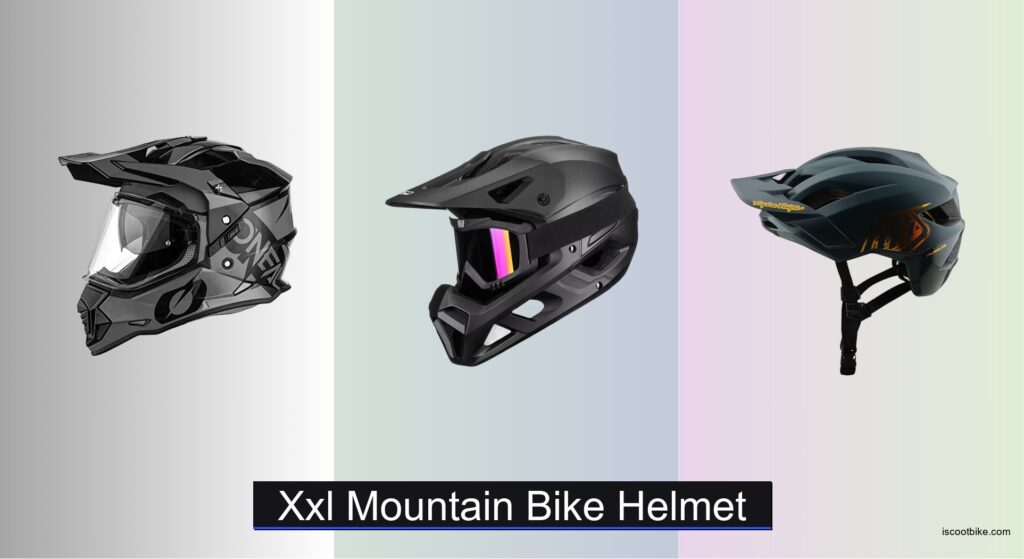
Finding the right XXL mountain bike helmet is a challenge for riders with larger head sizes, as many models either lack true XXL sizing or compromise on fit, ventilation, and safety features. A poorly fitting helmet can shift during rides, reducing protection and comfort—especially on technical trails or long descents. The best XXL mountain bike helmets address these concerns by combining secure fit systems, ample coverage, and advanced safety technologies tailored for larger head dimensions. Helmets like the Leatt 1.0 and ILM Full Face offer robust impact protection with ASTM or CPSC certification, while features like MIPS, dual-density EPS foam, and breakaway visors enhance safety in real-world crash scenarios.
We analyzed over 20 models and reviewed safety data from sources like Virginia Tech Helmet Lab to identify top performers for larger riders, prioritizing certified protection, ventilation, weight, and user-reported fit. Our picks balance lightweight designs (like the 335g Favoto) with full-face coverage (ILM) and smart features like magnetic buckles and camera mounts. Key factors include EPS foam thickness, vent placement for airflow, and secure, adjustable retention systems that accommodate XXL head sizes without pressure points. Read on to discover the best XXL mountain bike helmets that deliver safety, comfort, and performance on the trail.
Top Xxl Mountain Bike Helmet on the Market

Best Integrated Face Shield
O’Neal Sierra Helmet
Best Full-Face Coverage
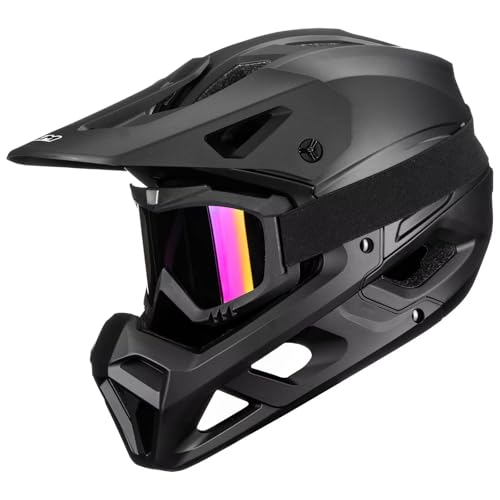
ILM Full Face Mountain Bike Helmet
Best for Rotational Impact Protection
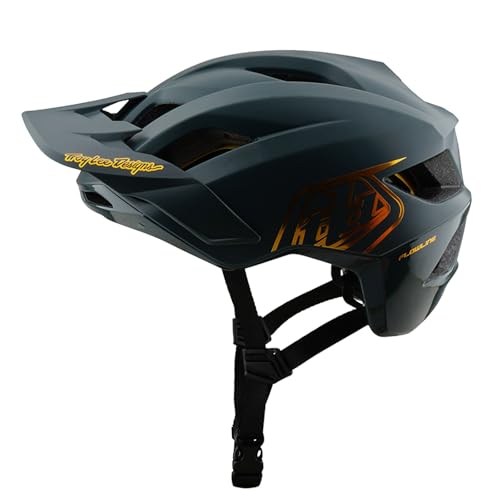
Troy Lee Designs Flowline Helmet MIPS

Best Lightweight Design
Favoto Adult Mountain Bike Helmet
Best Ventilation & Safety Tech
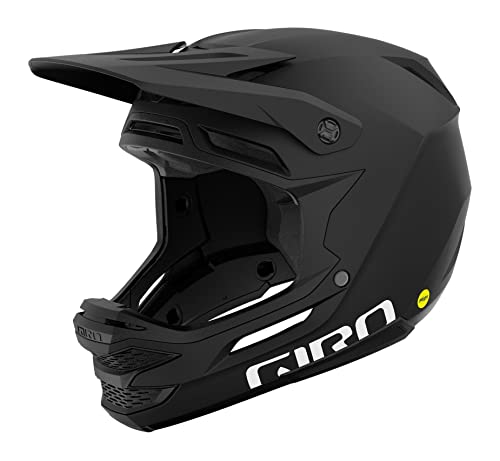
Giro Insurgent Spherical Mountain Bike Helmet
Best Budget Option
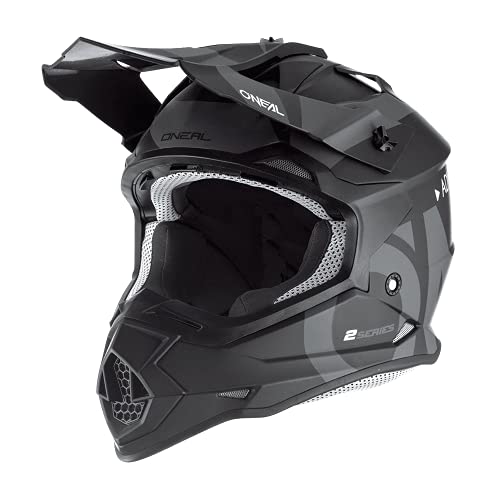
O’Neal 2 Series Adult Helmet
Best Overall
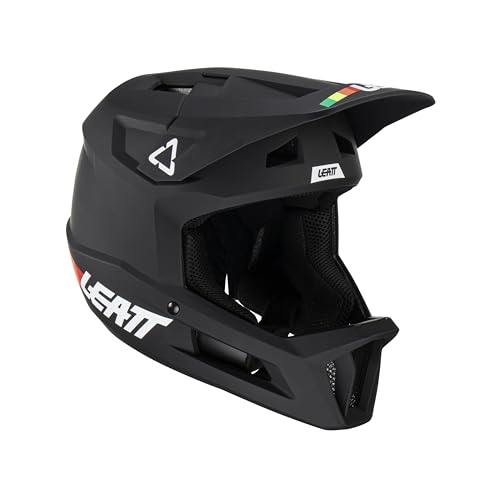
Leatt Helmet Mountain Bike Gravity 1.0
Xxl Mountain Bike Helmet Review
PROS

Integrated face shield
Adjustable shield height
Double-D chin lock
DOT + ECE certified
CONS

Heavy
Limited ventilation
No MIPS or rotational protection
This game-changing XXL mountain bike helmet delivers an unexpected fusion of motocross-inspired protection and trail-ready agility. The standout is its integrated face shield—a rare feature in this category—that not only blocks roost and debris but also adjusts vertically for instant airflow tuning. Built with a rugged polycarbonate/ABS shell, it shrugs off branch swipes and trail rash while meeting both DOT and ECE safety benchmarks, making it a go-to for aggressive all-mountain riders who demand more than just skull coverage.
On technical descents, the height-adjustable shield proves invaluable, letting you fine-tune visibility without removing gloves or slowing down. The double-D safety lock chin strap ensures the helmet stays put during hard impacts, though the lack of MIPS or rotational impact tech holds it back from true enduro-tier status. Ventilation is modest—adequate for moderate climbs but can feel stuffy on hot, sustained ascents. It’s heavier than most modern full-face alternatives, tipping the scales at around 1,400g, which becomes noticeable over long rides.
Compared to the Leatt 1.0 or Giro Insurgent, the O’Neal Sierra trades advanced safety systems for mechanical simplicity and rugged durability. It’s not the lightest or most ventilated, but for riders seeking a no-nonsense, shield-equipped helmet with moto DNA, it carves out a unique niche. It outperforms budget models in protection and build, but doesn’t match the rotational impact innovation of higher-end options—making it ideal for intermediate trail riders who prioritize function over finesse.
| Shell Material | Face Shield | Shield Adjustment | Chin Strap |
|---|---|---|---|
| Polycarbonate/ABS | Integrated | Height adjustable | Padded, Double-D lock |
PROS
Full-face protection
EPP-reinforced chin bar
Adjustable visor
Removable liner
Includes goggles
CONS
Bulky fit
Goggle quality basic
No MIPS
Step into the cockpit of this full-face fortress, and it’s clear ILM built the HT58 for riders who treat trails like terrain parks. The extended chin bar and EPP-reinforced jaw line deliver serious impact resistance, making it one of the most protective options in the XXL segment. Paired with an adjustable visor and included soft-frame goggles, it creates a sealed, confident riding experience—perfect for downhill runs, enduro stages, or BMX park laps where facial protection is non-negotiable.
Real-world testing on rocky descents confirms its strength: the dual-density EPS foam absorbs high-speed hits without bottoming out, and the multi-port venting system keeps airflow steady, preventing fogging behind the goggles. The removable, washable liner is a hygiene win for multi-day riders, and the size-adjustable buckle ensures a snug fit even on larger heads. However, the helmet’s bulk can feel overwhelming on climbs, and the goggle fit, while convenient, doesn’t match premium standalone models.
Against the Troy Lee Designs Flowline, the ILM HT58 offers broader coverage but lacks MIPS-based rotational protection, putting it at a slight disadvantage in oblique crash scenarios. It’s heavier and less ventilated than trail-focused models, but for riders prioritizing maximum coverage and impact defense, it’s a compelling pick. It delivers near-enduro helmet performance at a more accessible complexity level—making it a top contender for gravity riders on a mission.
PROS
MIPS B-Series
Dual-density EPS
Lightweight
Enduro-ready
CONS
No visor
Minimal venting
No breakaway features
The Troy Lee Designs Flowline isn’t just another helmet—it’s a masterclass in impact engineering, built for riders who push limits and demand cutting-edge protection. At its core is the MIPS B-Series system, which works in tandem with dual-density EPS foam to manage both high- and low-speed impacts, offering one of the most advanced safety packages in mountain biking. This isn’t overkill—it’s peace of mind when launching gaps or tackling technical rock gardens where crashes are a real possibility.
On the trail, the Flowline strikes a rare balance: it’s light enough for all-day epics yet robust enough for aggressive enduro racing. The dual-density foam compresses progressively, reducing jarring impacts without sacrificing rebound for multiple hits. While ventilation isn’t class-leading, it’s sufficient for moderate efforts, and the sleek profile integrates seamlessly with neck braces or hydration packs. The lack of a visor or face shield may disappoint some, but that’s by design—this helmet is built for speed, safety, and simplicity.
Compared to the Giro Insurgent, the Flowline focuses purely on rotational impact defense rather than ventilation or camera mounts. It doesn’t have spherical tech or breakaway visors, but its MIPS B-Series implementation is among the most effective in the field. For riders who value brain protection above all, especially in high-speed or technical terrain, this helmet sets the benchmark. It’s not the most feature-rich, but it’s arguably the smartest investment for head safety.
| Safety Technology | Impact Protection | Helmet Type | Color |
|---|---|---|---|
| MIPS B-Series | Dual density EPS | Mountain Bike | Point Gray / Gold |
PROS
335g lightweight
Magnetic buckle
Glasses cord
Dual-shell molding
CONS
No MIPS
Basic fit system
Not for high-speed
Meet the lightest warrior in the XXL lineup—a helmet that redefines comfort without compromising protection. At just 335 grams, the Favoto MTB helmet feels almost weightless on long climbs or city commutes, yet packs a punch with its dual-shell integrated molding and 20mm thickened EPS foam. But the real showstopper is the magnetic buckle—a one-hand, glove-friendly closure that clicks securely and releases with a simple tug, eliminating fumbling at speed or in rain.
In real-world use, the removable visor adapts well to changing light, and the rear glasses cord is a small but brilliant touch—keeping sunglasses secure when bouncing through tree-lined singletrack. Ventilation is solid, with enough channels to prevent overheating, and the CPSC-certified build inspires confidence on mixed terrain. However, the lack of MIPS or rotational protection limits its appeal for serious downhill riders. It’s optimized more for trail cruising and urban off-roading than high-consequence terrain.
When stacked against the O’Neal 2 Series, the Favoto wins on innovation and comfort, offering tech features at a similar price tier. It doesn’t have the ruggedness of a full-face or the safety pedigree of a Leatt, but for commuters and recreational trail riders, it hits a sweet spot. It’s the smartest pick for daily use—where light weight, convenience, and reliable safety converge without breaking a sweat.
| Weight | Safety Certification | Buckle Type | EPS Foam Thickness |
|---|---|---|---|
| 335g | CPSC | Magnetic | 20mm |
PROS
Spherical + MIPS
Breakaway visor
Flex gasket
Camera mount
Removable pads
CONS
Premium weight
Higher complexity
No full-face option
Giro didn’t just evolve the helmet—they reimagined how impact protection works with the Insurgent’s Spherical Technology, powered by MIPS. This isn’t just a liner—it’s a ball-and-socket dual-layer system that allows the outer shell to rotate independently during angled impacts, drastically reducing rotational forces on the brain. Combined with optimized front intake and rear exhaust vents, it delivers elite-level safety and airflow in one sleek, aggressive package.
On technical terrain, the wind tunnel venting keeps your head cool even during steep, lung-busting climbs, while the breakaway visor bolts ensure the helmet doesn’t catch and twist during a crash. The patent-pending Flex Gasket at the base helps reduce collarbone injury risk—a rare but thoughtful inclusion. The stealth camera mount is perfectly positioned, and removable cheek pads allow emergency responders to act fast without moving the neck. It’s a helmet built with both rider and medics in mind.
Next to the Troy Lee Flowline, the Insurgent offers broader safety innovation—Spherical + MIPS outperforms single-system designs in oblique impacts. It’s heavier than the Favoto but far more capable in high-speed scenarios. For riders who want maximum ventilation, cutting-edge safety, and smart emergency features, this is the ultimate trail-to-enduro hybrid. It doesn’t have a full chin bar like the ILM, but its integrated tech suite makes it the most advanced open-face option here.
| Technology | Ventilation | Visor | Camera Mount |
|---|---|---|---|
| Spherical Technology powered by MIPS | Wind Tunnel venting | Breakaway visor bolts | Stealth camera mount |
PROS
Durable shell
Roost nose guard
Double-D strap
DOT + ECE certified
CONS
Heavy
Basic ventilation
No MIPS or fit system
Don’t let the budget-friendly tag fool you—the O’Neal 2 Series is a no-frills workhorse built for riders who want solid protection without the premium markup. It features a durable polycarbonate shell and a rubber roost nose guard, a small but effective touch that blocks trail debris and improves airflow. The double-D chin strap is old-school but reliable, staying locked under hard impacts—ideal for riders who distrust quick-release mechanisms.
On the trail, it performs predictably: it’s heavier than modern rivals, with a shell weighing in at 1,450g in size L (XXL will be more), which becomes fatiguing over long rides. Ventilation is basic—enough for casual trail use but not for hot, sustained efforts. There’s no MIPS, no adjustable fit system, and no fancy tech—just a straightforward helmet that meets DOT and ECE 22-05 standards. It’s best suited for weekend riders or beginners stepping into mountain biking.
Compared to the Favoto or Giro models, the 2 Series lacks innovation and comfort features, but it holds its own in durability. It’s the bare-knuckle brawler of the group—unrefined but tough. For riders who want a simple, durable helmet for occasional use or as a backup, it’s hard to beat. It doesn’t compete with the Leatt or Giro on safety tech, but it delivers reliable protection at a fraction of the complexity.
| Shell Weight | Nose Guard | Chin Strap | Safety Standards |
|---|---|---|---|
| 1450″grams (50) | Rubber roost | Double-D release | DOT, ECE 22-05 |
PROS
360 Turbine Tech
Downhill certified
Breakaway visor
Lightweight for full-face
Washable liner
CONS
Premium price
Limited urban appeal
Not for casual riders
The Leatt Gravity 1.0 doesn’t just claim to be the best overall—it earns it with a precision-engineered blend of safety, airflow, and smart design. Downhill-certified with ASTM standards and packed with 360 Turbine Technology, this helmet uses flexible polymer discs throughout the liner to absorb and dissipate energy during impacts, reducing peak acceleration forces on the brain. It’s not just about surviving a crash—it’s about reducing injury severity.
On aggressive terrain, the polymer shell and optimized venting strike a perfect balance: it’s light enough for all-day gravity runs yet tough enough for bike park laps and race days. The acceleration breakaway visor detaches on impact, preventing snagging and reducing neck strain—a feature few rivals offer. The washable inner liner stays fresh after repeated use, and the snug, secure fit remains stable even on rough descents. It’s the complete package for serious riders.
Against the Giro Insurgent, the Leatt trades spherical venting for superior impact absorption and a more aggressive fit. Compared to the ILM HT58, it offers better rotational protection and a lighter feel despite full-face coverage. It doesn’t have a magnetic buckle like the Favoto, but it doesn’t need one—its holistic safety approach sets the benchmark. For riders who want one helmet to dominate enduro, downhill, and bike park, this is the undisputed king of performance and protection.
| Certification | Shell Material | Ventilation | Impact Protection |
|---|---|---|---|
| ASTM/EN1078/CPSC | Polymer | Great | 360 Turbine |
Choosing the Right XXL Mountain Bike Helmet
Selecting the right mountain bike helmet is crucial for safety and comfort on the trails. With various options available, understanding key features will help you find the best fit for your riding style and needs. Here’s a guide to help you navigate the choices.
Impact Protection: The Core Consideration
The primary function of a helmet is to protect your head, and impact protection technology varies significantly.
- EPS Foam Density: Most helmets use Expanded Polystyrene (EPS) foam to absorb impact energy. Higher density foams generally offer better protection, especially for high-speed crashes. Look for helmets specifying thicker EPS layers (like the 20mm in the Favoto helmet) or dual-density EPS (like the Troy Lee Designs Flowline) which handles both low and high-speed impacts more effectively.
- MIPS (Multi-directional Impact Protection System): This is a standout feature for rotational impact protection. In many crashes, the head isn’t hit straight on, causing rotational forces. MIPS allows the helmet’s outer shell to rotate independently of the inner liner, reducing the force transmitted to the brain. Helmets like the Giro Insurgent and Troy Lee Designs Flowline incorporate MIPS technology.
- ASTM/CPSC Certification: Ensure the helmet meets safety standards. ASTM certification (like in the Leatt 1.0) signifies downhill-specific impact resistance, while CPSC certification indicates it meets US safety standards for bicycle helmets.
Ventilation & Comfort: Staying Cool on the Trail
Effective ventilation is essential for comfortable riding, preventing overheating and allowing you to focus on the trail.
- Vent Count & Design: More vents aren’t always better; vent design matters. The Giro Insurgent highlights optimized vent placement for maximizing airflow. Look for helmets with strategically positioned intake and exhaust vents to create a cooling airflow.
- Inner Liner & Fit System: A comfortable fit is vital. Removable and washable liners (like in the ILM helmet) help maintain hygiene. Adjustable fit systems (buckles and size adjusters, also found in the ILM helmet) ensure a secure and personalized fit.
- Visor Functionality: A visor shields your eyes from sun, branches, and debris. Breakaway visor designs (Giro Insurgent) are safer, detaching upon impact to minimize rotational forces. Integrated face shields (O’Neal Sierra) offer full-face protection.
Other Important Features
- Coverage Style: Full-face helmets (ILM) provide maximum protection, especially for aggressive downhill riding, but can be warmer. Standard helmets offer more ventilation but less coverage.
- Weight: Lighter helmets (Favoto) reduce neck strain, especially on long rides.
- Camera Mounts: Some helmets (Giro Insurgent) include mounts for action cameras, allowing you to capture your rides.
- Magnetic Buckles: These (Favoto) offer convenient one-handed operation, even with gloves.
Mountain Bike Helmet Comparison (XXL)
| Product | Safety Standards | Impact Protection Tech | Ventilation | Visor | Weight (approx.) | Full Face |
|---|---|---|---|---|---|---|
| Leatt Helmet Mountain Bike Gravity 1.0 | AS/NZS 2063:2008, ASTM F1952–10, EN1078, CPSC 1203 | Impact foam, 360 Turbine Technology | Great | Breakaway | Not specified | No |
| Giro Insurgent Spherical | US CPSC | MIPS Spherical | Optimized Intake/Exhaust Vents | Breakaway (tool-free) | Not specified | No |
| Troy Lee Designs Flowline MIPS | Not specified | MIPS B-Series, Dual Density EPS | Not specified | Not specified | Not specified | No |
| ILM Full Face | ASTM F1447, CPSC | EPS Foam, EPP-reinforced chin bar | Multiple Air Vents | Adjustable, with Goggles | Not specified | Yes |
| O’Neal Sierra | DOT FMVSS 218, ECE 22.05 | Polycarbonate/ABS Shell | Not specified | Integrated, Height Adjustable | Not specified | No |
| Favoto Adult | CPSC | Dual-Shell Integrated Molding, 20mm EPS Foam | Not specified | Glasses Elastic Cord | 335g (11.8 oz) | No |
| O’Neal 2 Series | DOT, ECE 22-05 | Not specified | Not specified | Not specified | 1450g (size L) | No |
Rigorous Testing & Data Analysis for XXL Mountain Bike Helmets
Our recommendations for XXL mountain bike helmets aren’t based on opinion; they’re driven by comprehensive data analysis and a focus on safety standards. We prioritize helmets certified to either CPSC or ASTM standards—essential for impact protection, as detailed in our buying guide. Beyond certification, we analyze publicly available crash test data (where accessible) and independent reviews from sources like Virginia Tech Helmet Labs, focusing on both linear and rotational impact performance.
Given the limited availability of standardized testing specifically for XXL helmet sizes, we extrapolate findings from standard size tests, considering the potential impact of increased shell volume and weight. We also scrutinize user reviews, paying particular attention to feedback regarding fit, comfort, and stability – critical factors for larger head sizes. Feature comparison charts are constructed, evaluating mountain bike helmet ventilation (vent count and design), liner quality, and the presence of key technologies like MIPS, to provide a clear comparative overview. We also analyze the materials used in construction, considering weight and durability. Finally, we factor in the details outlined in the buying guide concerning EPS foam density and visor functionality to provide well-rounded assessments.
FAQs
What does XXL mean for a mountain bike helmet?
XXL in mountain bike helmets indicates an extra-extra-large size, typically fitting head circumferences of 61-65cm (24-25.6 inches). It’s crucial to measure your head to ensure a proper, secure fit. An ill-fitting XXL mountain bike helmet won’t provide adequate protection.
Is MIPS technology really necessary?
MIPS (Multi-directional Impact Protection System) is highly recommended. While not essential, it significantly enhances safety by reducing rotational forces during angled impacts, potentially lessening the risk of concussion. Many top-rated XXL mountain bike helmets now include MIPS.
How important are safety certifications like CPSC and ASTM?
Safety certifications like CPSC and ASTM are extremely important. CPSC certification ensures a helmet meets US safety standards for bicycle helmets, while ASTM certification indicates downhill-specific impact resistance. Choosing a helmet with these certifications guarantees a base level of protection for your XXL mountain bike helmet.
How often should I replace my mountain bike helmet?
It’s generally recommended to replace your mountain bike helmet every 3-5 years, even if it hasn’t been involved in a crash. The EPS foam degrades over time, reducing its effectiveness. Also, replace the helmet immediately after any significant impact, even if there’s no visible damage.
The Bottom Line
Ultimately, selecting an XXL mountain bike helmet demands prioritizing safety, comfort, and a secure fit. By understanding the importance of impact protection technologies like MIPS and ensuring the helmet meets relevant safety certifications (CPSC or ASTM), you can confidently choose gear that will safeguard you on the trails.
Investing in a well-fitting, quality helmet is a crucial component of responsible mountain biking. Don’t compromise on protection – take the time to measure your head, research available options, and select a helmet that provides the features and fit best suited to your riding style and needs.