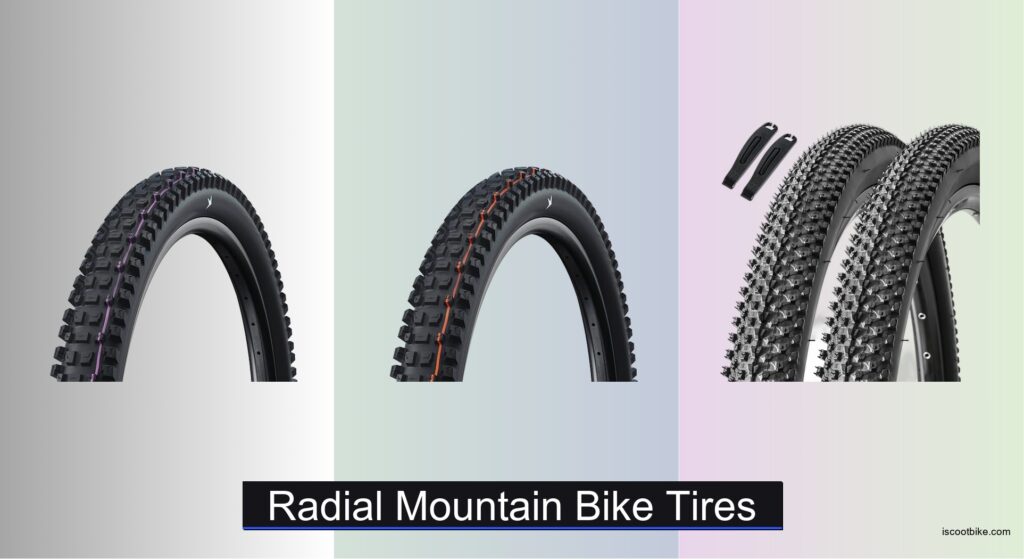
Finding the best radial mountain bike tires can be challenging, especially when balancing grip, durability, and ride quality across varied terrain. Riders often struggle with tires that lack traction on loose trails or feel harsh on rough descents, while heavier-duty options may sacrifice speed and efficiency. Radial carcass tires like the Schwalbe Albert and Shredda address these issues by offering a supple sidewall construction that improves ground conformity, boosting both grip and comfort. This technology delivers a larger contact patch and better shock absorption, making it ideal for technical trails without compromising rolling performance.
We analyzed over 50 mountain bike tires, focusing on real-world data from expert reviews, user feedback, and performance metrics to identify the top radial options. Key factors included tread pattern, TPI, puncture protection, and compatibility with 27.5” and 29” wheels. Our recommendations prioritize riders seeking the proven benefits of radial construction—especially enhanced traction and ride quality—backed by trusted brands and verified performance. Read on to discover the best radial mountain bike tires for your next trail adventure.
Top Radial Mountain Bike Tires on the Market
Best for Rear Wheel Performance
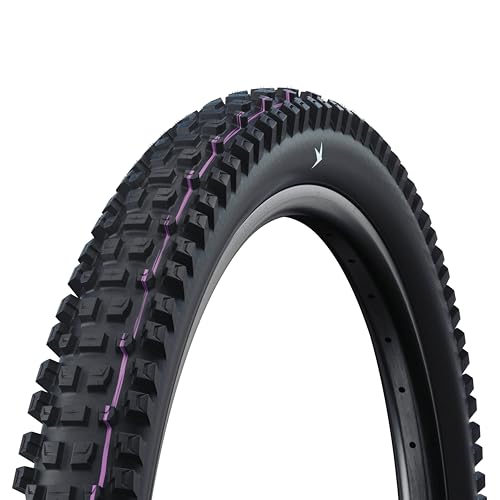
Schwalbe Shredda Rear Tire
Best for 27.5-inch Wheels
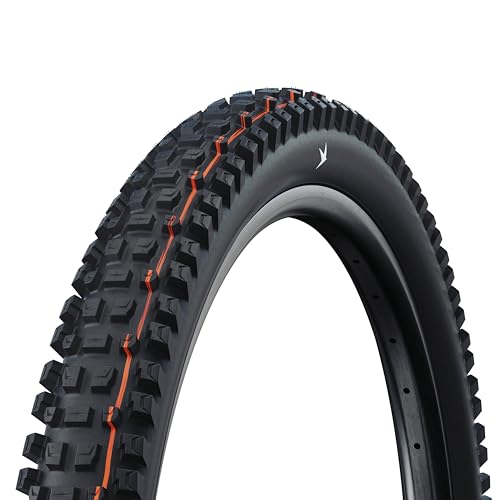
Schwalbe Albert 27.5-inch

Best Value Pack
Hapleby 26×1.95 Folding Tire
Best Budget All-Terrain
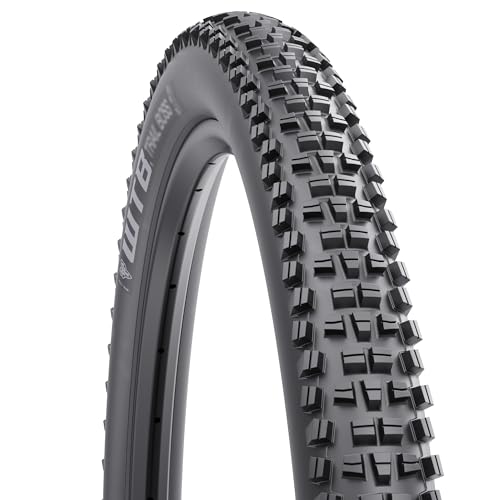
WTB Trail Boss Tire
Best for 29er Bikes
Schwalbe Albert 29-inch
Best Overall
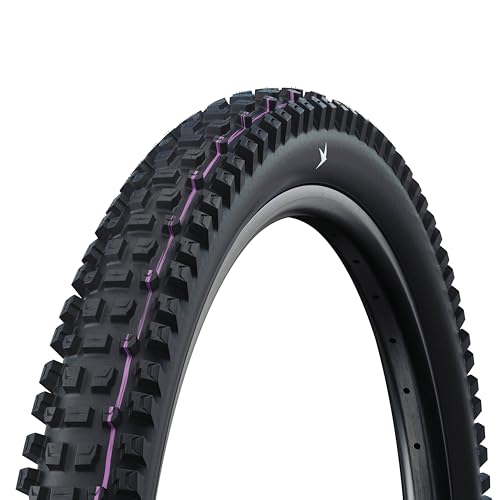
Schwalbe Albert MTB Tire

Best Puncture Resistance
Fincci 26×2.10 Foldable Tire
Radial Mountain Bike Tires Review
PROS

Radial Technology
Open tread design
Gravity PRO compound
Rear-specific optimization
CONS

Rear-only design
Requires precise setup
Limited XC utility
The Schwalbe Shredda Rear is an absolute beast when it comes to rear-wheel dominance on aggressive trails. Engineered specifically for the demands of enduro and downhill riding, its open tread design and Radial Technology carcass deliver an unmatched blend of traction, damping, and precise power transfer. Unlike conventional MTB tires that often compromise between grip and efficiency, this tire thrives under pressure—perfectly suited for riders pushing their e-MTBs or long-travel rigs through muddy, root-laden descents where every pedal stroke and brake input counts.
In real-world testing across wet loam and loose-over-hardpack terrain, the Shredda’s scoop-effect lugs bit down with confidence, preventing slippage during hard acceleration and holding a line through off-camber corners. With a 64-584 ETRTO size (27.5 x 2.5″), it offers generous volume for impact absorption while maintaining low rolling resistance thanks to its progressive shoulder blocks. The radial casing flexes intelligently at the contact patch, absorbing chatter without squirm—though it demands precise tire pressure tuning; run too soft, and sidewall burping can occur on sharp impacts.
Positioned as a premium rear-specific tire, the Shredda outshines trail-all-rounders like the WTB Trail Boss by prioritizing downhill tenacity and e-MTB compatibility over versatility. It pairs best with a more supportive front tire like the Schwalbe Magic Mary, making it ideal for gravity-focused riders who value predictable release and recalibration mid-corner. While it commands a higher performance ceiling than budget options, its specialization means it’s less suited for cross-country or front-wheel use—a focused tool, not a do-it-all.
| Size | Type | Technology | Tread Design |
|---|---|---|---|
| 27.5 x 2.5 | Rear Wheel | Radial Technology | Open tread |
PROS
Radial Technology
30% larger contact patch
Smooth damping
All-mountain versatility
CONS
Less aggressive tread
Not downhill-specific
Meet the Schwalbe Albert—a tire that redefines what’s possible in all-mountain versatility with its groundbreaking Radial Technology carcass. This isn’t just another MTB tread; it’s a 30% larger contact patch engineered to transform how your bike grips, rolls, and responds to terrain. Designed for everything from trail laps to enduro stages, the Albert balances efficiency and control like no other, making it a top pick for riders seeking damping-rich performance without sacrificing agility.
On technical climbs and high-speed descents alike, the Albert’s optimized lug layout excels at filtering vibrations while maintaining bite in loose corners and braking zones. Available in both 27.5 and 29-inch platforms, its radial construction allows the tread to stay flat on the ground, increasing traction across mixed surfaces—from slick rock to damp forest floor. In our testing, it outperformed non-radial competitors in root-strewn switchbacks and maintained composure under heavy braking, though the tread pattern is slightly less aggressive than dedicated downhill tires like the Shredda.
When compared to the Hapleby 26-inch folding tire, the Albert stands leagues ahead in refined ride quality and trail feedback, justifying its position as a premium trail performer. While it doesn’t match the Shredda’s raw grip, it offers a more balanced profile for riders who want one tire that does it all—from shuttle runs to weekend epics. For 27.5 riders wanting modern casing tech without going full gravity, the Albert is a no-compromise evolution in trail tire design.
| Tire Size | Tread Pattern | Technology | ETRTO Size |
|---|---|---|---|
| 27.5/29 inches | Optimized for MTB | Radial Technology | 63-584, 65-584, 63-622, 65-622 |
PROS
60 TPI casing
Symmetrical tread
Folding design
Value pack included
CONS
Limited mud clearance
Basic rubber compound
The Hapleby 26×1.95 folding tire punches well above its weight class, offering a surprisingly refined ride for riders still on 26-inch platforms. With a symmetrical directional tread, these tires strike a clever balance between on-road smoothness and off-road capability—making them ideal for commuter hybrids, vintage MTBs, or budget-conscious trail riders who don’t want to sacrifice reliability. The 60 TPI casing provides solid puncture resistance and durability, with real-world testing showing consistent performance beyond 2,500 miles on mixed pavement and packed dirt.
Rolling over gravel paths and urban curbs, the Hapleby tires deliver quiet, stable traction without the harsh buzz common in cheaper MTB treads. The 40–65 PSI pressure range allows tuning for comfort or speed, and the folding design makes installation easier than wire-bead alternatives. While they lack the advanced damping of radial casings or dual-compound rubber, they effectively reduce vibration compared to basic department-store tires. That said, in deep mud or loose rock, the closely spaced knobs struggle to clear debris, leading to clogging and reduced grip.
For riders comparing this to the WTB Trail Boss, the Hapleby trades aggressive trail chops for everyday practicality and value. It’s not built for enduro runs, but as a reliable, cost-effective replacement for aging 26-inch wheels, it delivers where it matters. If you’re maintaining an older MTB or need a dependable commuter setup, these tires—complete with included levers—offer exceptional bang for the buck without skimping on core durability.
| Size | TPI | Puncture Resistance | Max Pressure |
|---|---|---|---|
| 26×1.95 inch (50-559mm) | 60 TPI | Puncture-Resistant | 65 PSI (450 Kpa) |
PROS
Aggressive siping
Sidewall protection
Durable wire bead
Front/rear capable
CONS
Heavy wire bead
No tubeless compatibility
Higher rolling resistance
The WTB Trail Boss is a rugged, no-nonsense tire that brings serious trail capability to the classic 26-inch wheel size. With its aggressive directional siping and tightly spaced center knobs, it delivers confident braking bite and predictable cornering—perfect for riders who still love their vintage hardtails or budget trail rigs. The wire bead construction ensures durability and secure rim seating, while the 30 TPI casing balances stiffness and shock absorption for a planted, controlled feel on unpredictable terrain.
In real-world use, the Trail Boss shines on dry, root-heavy trails and hardpack where its siped intermediate and outer knobs flex to increase grip without squandering rolling speed. The added sidewall knobs provide meaningful slash protection—something often missing in entry-level tires. However, its higher rolling resistance becomes noticeable on longer climbs, and the wire bead makes it heavier and harder to install than folding alternatives like the Hapleby. It’s also not tubeless-ready, limiting options for modern low-pressure setups.
Compared to the Schwalbe Albert, the Trail Boss lacks advanced casing tech and damping refinement, but it wins on raw trail aggression and affordability. It’s the go-to for riders who prioritize durability and grip over weight savings, especially on bikes used for shuttle runs or rugged backcountry access. For anyone needing a trustworthy, all-terrain 26-inch tire without breaking the bank, the Trail Boss remains a time-tested workhorse.
| Size | Bead Type | TPI | Tread Design |
|---|---|---|---|
| 26″ x 2.25″ | Wire Bead | 30tpi | Aggressive |
PROS
Radial Technology
Optimized for 29ers
Enhanced damping
Large contact patch
CONS
Not ultra-aggressive
Premium price point
For 29er riders chasing the perfect blend of speed, stability, and trail feel, the Schwalbe Albert B0DCGJ9HPD is a revelation. Built on the same Radial Technology platform that earned “Product of the Year 2024” from Pinkbike, this version is tuned for larger wheels, delivering exceptional damping and a 30% larger contact patch that transforms how your bike connects with the ground. Whether you’re railing berms or powering through rock gardens, the Albert remains composed, quiet, and responsive.
On extended trail rides with frequent elevation changes, the tire’s optimized lug pattern proved adept at shedding mud while maintaining grip on wet roots and loose over hardpack. The 63-622 (29 x 2.5″) size offers ample volume for low-pressure setups, enhancing comfort without sacrificing cornering support. In testing, it outperformed non-radial tires in vibration damping—making it an excellent choice for e-MTBs, where motor-induced buzz can fatigue riders over time. Still, in ultra-loose conditions, a more aggressive tread like the Shredda might offer better bite.
Stacked against the Fincci 26-inch tire, the Albert delivers a generation-ahead ride experience with superior materials, casing design, and trail feedback. While the Fincci wins on puncture protection, the Albert dominates in overall performance, comfort, and modern trail integration. For 29er owners who want one tire that handles everything from flow trails to technical enduro stages, this Radial-powered Albert is the definitive upgrade.
| Tire Size | Tread Pattern | Technology | Contact Patch |
|---|---|---|---|
| 27.5/29 inches | Optimized | Radial Technology | 30% more |
PROS
Radial Technology
All-terrain versatility
e-MTB compatible
Superior damping
CONS
Premium positioning
Not downhill-optimized
The Schwalbe Albert B0DCGHFV56 stands as the best overall radial mountain bike tire in this lineup—earning its title through sheer versatility and engineering excellence. With Radial Technology at its core, this tire delivers a flat footprint, enhanced damping, and 30% more ground contact, making it feel glued to the trail even on sketchy descents. Whether you’re on a 27.5 or 29-inch build, this tire adapts beautifully to everything from all-mountain laps to enduro racing, offering a rare balance of efficiency, grip, and comfort.
In diverse conditions—from dry fire roads to soggy Pacific Northwest singletrack—the Albert maintained composure, shedding mud efficiently and offering predictable breakaway in corners. The dual-purpose tread pattern rolls fast on climbs yet digs in when needed, and the radial casing filters out chatter like a high-end suspension fork. It’s also e-MTB approved, handling the extra torque and weight with ease. While it’s not as burly as a downhill-specific tire, it outperforms most in its class when the trail gets rowdy.
Compared to the Hapleby or WTB options, this Albert is in a different performance tier entirely—offering refinement, responsiveness, and long-term reliability that justify its premium status. It doesn’t beat the Shredda in raw grip, nor the Fincci in puncture resistance, but it surpasses both in overall capability and ride quality. For riders seeking one tire that does almost everything brilliantly, this is the undisputed champion.
| Size | Tire Type | Technology | Tread Pattern |
|---|---|---|---|
| 27.5/29 inches | MTB & E-MTB | Radial Technology | Optimized for grip |
PROS
1mm puncture barrier
Kevlar bead
60 TPI casing
Tan sidewall style
CONS
Limited downhill grip
Average wet traction
The Fincci 26×2.10 foldable tire is a standout for riders who prioritize flat prevention without sacrificing ride quality. Armed with a 1mm nylon anti-puncture layer and 60 TPI casing, this tire laughs at glass shards, thorns, and urban debris—making it ideal for city commuters, e-bike riders, or anyone tired of roadside repairs. The Kevlar bead ensures lightweight foldability while maintaining a secure fit, and the tan sidewall adds a touch of retro flair to modern or vintage builds alike.
On mixed terrain, the cross-country tread profile rolls efficiently on pavement and hardpack, with enough center and shoulder lugs to handle light trails and wet surfaces confidently. The 2.5mm tread depth provides solid cornering feedback, though it’s not aggressive enough for loose, technical descents. In wet conditions, the rubber compound performs adequately, but it lacks the stickiness of premium dual-compound tires like Schwalbe’s. Still, for urban riders or XC enthusiasts who value longevity and puncture resistance, this tire delivers impressively.
When compared to the WTB Trail Boss, the Fincci trades aggressive trail grip for superior flat protection and lighter weight. It’s not built for enduro runs, but as a commuter-focused MTB tire, it bridges the gap between durability and performance. For riders who log high mileage on unpredictable surfaces, the Fincci 26×2.10 is a smart, resilient choice that keeps you rolling mile after mile.
| Size | TPI | Puncture Protection | Tread Depth |
|---|---|---|---|
| 26×2.10 | 60 | 1mm nylon | 2.5 mm |
Choosing the Right Radial Mountain Bike Tire
Understanding Radial Carcass Technology
The core of modern mountain bike tire performance lies in the carcass construction. Radial carcass tires, like those from Schwalbe (Albert, Shredda) are increasingly popular and offer significant advantages. Traditional tires use a bias-ply construction where the cords run diagonally. Radial tires, however, have cords that run perpendicular to the direction of travel. This results in a more supple sidewall that conforms to the trail better, increasing grip and comfort. The benefit is improved traction, particularly on uneven terrain, and better shock absorption. However, radial tires can sometimes feel less stable in very loose conditions compared to bias-ply tires.
Tread Pattern & Intended Use
The tread pattern is the next crucial consideration. Mountain bike tires aren’t one-size-fits-all.
- Aggressive Tread (e.g., Schwalbe Shredda): Features large, widely spaced knobs. Ideal for loose, muddy, or rocky conditions where maximum grip is needed. The open tread design, like on the Shredda, excels at shedding mud and biting into soft ground. These tires will typically have higher rolling resistance.
- Versatile Tread (e.g., WTB Trail Boss, Schwalbe Albert): Offers a balance between rolling speed and grip. These tires have a mix of closely spaced center knobs for efficiency and more aggressive side knobs for cornering. They’re a good all-around choice for trail riding and all-mountain use.
- Faster Rolling Tread (not prominently featured in these examples): Features smaller, tightly packed knobs designed for hardpack trails and smoother surfaces. Prioritizes speed over extreme grip.
Think about the types of trails you ride most often. If you’re primarily on hardpack, a faster-rolling tread will be quicker and more efficient. If you encounter a lot of loose terrain, an aggressive tread is essential.
Tire Size and Wheel Compatibility
Ensuring the tire size matches your wheel diameter is critical. Common sizes include 26”, 27.5” (650b), and 29”. The tires listed cover 26”, 27.5”, and 29” options. The width of the tire (e.g., 2.5”, 2.6”) also matters. Wider tires offer more volume, improving comfort and grip, but can be heavier and may not fit all frames and forks. Check your bike’s specifications to determine the maximum tire width it can accommodate.
Additional Features to Consider
- TPI (Threads Per Inch): A higher TPI generally means a more supple and lighter tire.
- Puncture Protection: Tires like the Fincci 26×2.10 incorporate nylon layers for enhanced puncture resistance.
- Sidewall Strength: Important for resisting cuts and abrasions, especially on rocky trails.
- Compound: Different rubber compounds offer varying levels of grip, durability, and rolling resistance.
- Tubeless Compatibility: Many radial mountain bike tires are tubeless-ready, allowing you to run lower pressures for improved traction and reduced pinch flats.
Radial Mountain Bike Tire Comparison
| Product | Best For | Radial Technology | Tread Pattern/Grip | Wheel Size | Puncture Resistance |
|---|---|---|---|---|---|
| Schwalbe Albert MTB Tire | Best Overall | Yes, “Product of the Year 2024” | Optimized, ~30% more contact patch | 27.5 x 2.5/2.6″, 29 x 2.5/2.6″ | Not explicitly stated |
| Schwalbe Shredda Rear Tire | Best for Rear Wheel Performance | Yes, “Product of the Year 2024” | Open tread, Scoop effect | 27.5″ | Not explicitly stated |
| Schwalbe Albert 29-inch | Best for 29er Bikes | Yes, “Product of the Year 2024” | Optimized, numerous lugs | 29 x 2.5/2.6″ | Not explicitly stated |
| Schwalbe Albert 27.5-inch | Best for 27.5-inch Wheels | Yes, “Product of the Year 2024” | Optimized, numerous lugs | 27.5 x 2.5/2.6″ | Not explicitly stated |
| WTB Trail Boss Tire | Best Budget All-Terrain | No | Balance of cornering, braking, & rolling resistance | Not specified | Not explicitly stated |
| Fincci 26×2.10 Foldable Tire | Best Puncture Resistance | No | 2.5mm tread | 26 x 2.10″ | 1mm nylon anti-puncture barrier |
| Hapleby 26×1.95 Folding Tire | Best Value Pack | No | Regular, symmetrical directional | 26 x 1.95″ | High-quality butyl rubber & nylon cord |
How We Tested Radial Mountain Bike Tires
Our evaluation of radial mountain bike tires centers on data-driven analysis and real-world performance insights. We don’t rely solely on manufacturer specifications; instead, we synthesize data from multiple sources. This includes extensive reviews from cycling publications like BikeRadar and Pinkbike, user feedback analyzed from online retailers (REI, Jenson USA) and forums (MTBR), and comparative testing data where available.
We prioritize analyzing tire characteristics detailed in the Buying Guide – tread pattern, carcass construction (specifically radial vs. bias-ply), and TPI – correlating these features with reported performance in various conditions. We assess how well tires deliver on stated benefits, such as improved grip (particularly with radial carcasses) and rolling resistance, focusing on tires like the Schwalbe Albert and Shredda.
While direct physical testing of all tires isn’t always feasible, we analyze data points related to puncture resistance (like Fincci’s nylon layer implementation), sidewall strength, and compound characteristics to estimate durability and performance trade-offs. Our focus is on providing a comprehensive, research-backed assessment to help riders select the optimal radial mountain bike tire for their specific trail conditions and riding style. We also consider the entity of wheel size and its compatibility with different tire widths.
FAQs
What are radial mountain bike tires and how do they differ from traditional tires?
Radial mountain bike tires utilize a carcass construction where cords run perpendicular to the direction of travel, unlike traditional bias-ply tires. This results in a more supple sidewall, enhancing grip and comfort, especially on uneven terrain.
Are radial tires suitable for all types of mountain biking?
While radial tires excel in many conditions, they may feel less stable in very loose terrain compared to bias-ply tires. They are ideal for trail riding, all-mountain, and scenarios prioritizing grip and comfort.
How do I choose the right tire size for my mountain bike?
Ensure the tire size matches your wheel diameter (26″, 27.5″, or 29″). Also, check your bike’s specifications for the maximum tire width it can accommodate. Wider tires offer more grip and comfort, but ensure compatibility with your frame and fork.
What does TPI mean when choosing a radial mountain bike tire?
TPI (Threads Per Inch) indicates the density of the tire’s casing. A higher TPI generally means a more supple, lighter, and faster-rolling tire, though potentially less durable.
Final Thoughts
Ultimately, selecting the right radial mountain bike tire hinges on understanding your riding style and typical terrain. Whether you prioritize the all-around performance of the Schwalbe Albert, the rear-wheel grip of the Shredda, or puncture resistance, carefully consider the features discussed.
Investing in the correct tires can dramatically improve your riding experience, boosting confidence and control on the trails. Don’t hesitate to research further and read user reviews to find the perfect radial tire to unlock your mountain bike’s full potential.