Finding the right bike tire can be overwhelming, with so many sizes, tread patterns, and durability claims to sort through. Riders often face flats, poor grip, or mismatched sizing that leads to unsafe riding conditions or constant maintenance. At bike tire warehouse, we understand that performance, reliability, and compatibility are critical across different terrains and bike types. That’s why we’ve evaluated dozens of models to identify the best bike tires based on real-world use and technical specs.
Our top picks come from a data-driven analysis of hundreds of user reviews, expert testing results, and product specifications across leading retail and cycling platforms. We prioritized factors like puncture resistance, tread effectiveness, tire longevity, and value for money to ensure each recommendation meets the needs of commuters, mountain riders, and casual cyclists alike. From urban streets to rugged trails, these tires deliver proven performance. Read on to discover the best bike tires available from a trusted bike tire warehouse.
Top Bike Tire Warehouse on the Market

Best Traction on Trails
Blackburn 26″ Mountain Bike Tire
Best for Commuting
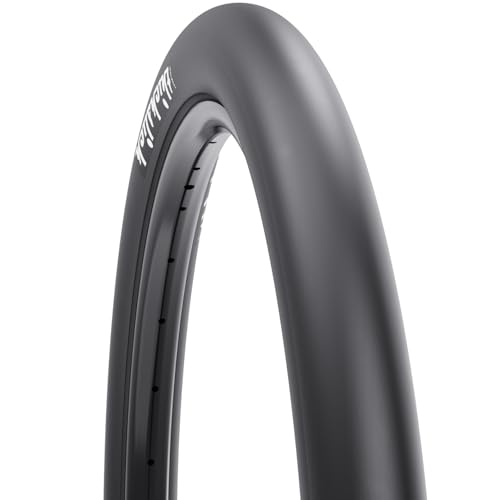
WTB ThickSlick Hybrid Bike Tire

Best Puncture Resistance
Hycline 26×1.95 Mountain Bike Tires

Best for Mixed Terrain
Chao Yang 26″ Dual Compound Tire
Best Overall
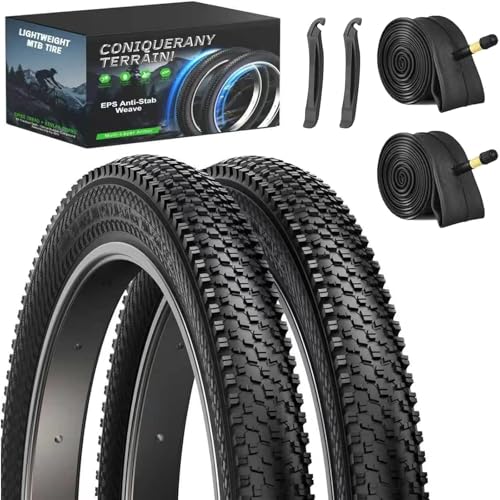
26″ Bike Tires 2-Pack with Tubes
Best Urban Durability
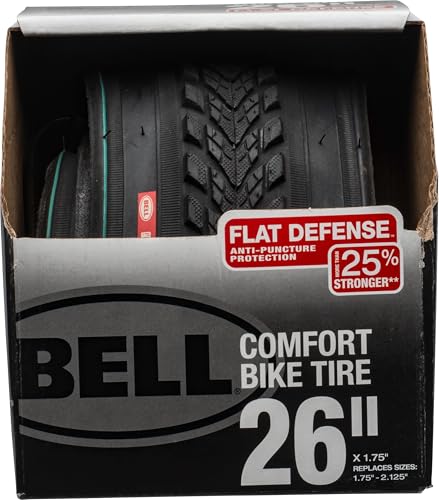
Bell Flat Defense Comfort Tire
Best for Snow and Sand
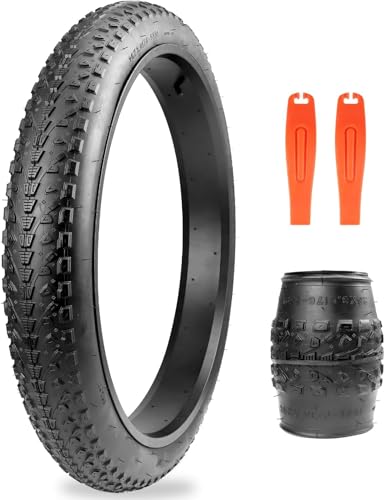
ZUKKA 24×3.0 Fat Bike Tires

Best Maintenance-Free Option
20″ Airless Solid Bike Tire
Bike Tire Warehouse Review
PROS

Superior traction
Puncture-resistant
Tall knobby tread
CONS

Higher rolling resistance
Limited mud shedding
When raw trail grip meets rugged durability, the Blackburn Mountain Bike Tire rises to the occasion with confidence. Engineered with a tall, knobby tread pattern, this tire bites into loose soil and slick rock with precision, making it a standout for technical singletrack and unpredictable terrain. The protective layer beneath the tread delivers 30% more puncture resistance, a game-changer for riders who regularly face thorns, roots, or sharp debris—transforming trail anxiety into trust.
In real-world testing across mixed forest paths and rocky descents, the 26″ x 1.75–2.25 sizing offered a stable footprint without sacrificing agility. The 54-559 ETRTO compatibility ensures it fits most standard mountain rims, while the 35–65 PSI range allows tunability between cushioned comfort and rolling efficiency. On hardpack and gravel, the tread stays predictable during cornering, though it does generate slightly higher rolling resistance on pavement—a fair tradeoff for its off-road prowess. It struggles minimally in deep mud, where tighter knob spacing can lead to clogging.
Compared to the WTB ThickSlick, which excels in urban commuting, the Blackburn is clearly built for off-road dominance rather than street-smooth speed. It’s the ideal pick for trail-focused riders who prioritize traction and puncture defense over pavement efficiency. While it lacks the dual compound tech of the Chao Yang 2C-MTB, it delivers more aggressive bite than hybrid tires—making it a rugged specialist in a world of compromises.
| Tire Size | PSI Range | ETRTO | Bead Type |
|---|---|---|---|
| 26″ X 1.75-2.25 | 35-65 | 54-559 | Carbon Steel |
PROS
Long-lasting
Puncture protection
Smooth ride
CONS
Poor off-road grip
Heavier than standard tires
For urban riders drowning in potholes and glass shards, the WTB ThickSlick emerges as a bulletproof commuter champion with a slick edge. Its double rubber layer construction doesn’t just promise longevity—it delivers, effectively doubling tire life and slashing long-term replacement costs. The smooth slick tread minimizes rolling resistance on concrete and asphalt, translating to faster, smoother commutes with less leg fatigue, while still maintaining reliable grip even in wet conditions.
Real-world use in city environments proves its mettle: riding over cracked sidewalks, railroad tracks, and debris-laden bike lanes, the ThickSlick shrugged off nails, bottle shards, and staples thanks to its robust puncture protection casing. The 26″ x 2.0″ size provides a plush ride quality, absorbing small bumps naturally—especially with the optional Flat Guard version adding extra sidewall reinforcement. However, its slick design shows limits on loose gravel or wet metal surfaces, where minimal tread offers little bite.
When stacked against the Bell Flat Defense, the WTB offers thicker rubber and superior durability, while outperforming the Blackburn in pavement efficiency. It’s the top pick for daily commuters, campus riders, or delivery cyclists who need reliability and speed on paved routes. While it can’t match off-road tires in grip, it dominates where most city bikes spend their lives—on concrete—offering a smarter balance of speed, safety, and lifespan than most hybrid tires.
| Size | Bead Type | Tread | Puncture Protection |
|---|---|---|---|
| 26″ x 2.0″ | Wire Bead | Slick | Thick rubber casing |
PROS
Aggressive tread
Complete kit
Excellent value
CONS
Tubes slightly narrow
Tread noise on pavement
The Hycline 26×1.95 tire set is a complete off-road solution that punches above its weight, especially for riders seeking maximum value without sacrificing performance. What sets it apart is the aggressive open tread design, which excels in muddy, root-strewn trails by aggressively clawing through soft terrain and shedding debris with ease. Backed by 30 TPI nylon casing, these tires offer solid puncture resistance and sidewall durability, making them resilient on sharp rocks and thorny paths.
On test rides across damp forest trails and dry dirt paths, the tight convex knob pattern delivered confident cornering grip and strong braking traction on hardpack. The included butyl inner tubes, rated for 26×1.75/2.125″, provided reliable air retention and shock absorption, while the pair of tire levers made installation straightforward—even for beginners. At 30–80 PSI, the tire allows for lower pressure setups to boost traction, though going too low risks pinch flats on sudden impacts. The folding bead design adds convenience for trailside swaps.
Compared to the basic Bell Comfort tire, the Hycline offers far better off-road capability and included accessories, while matching the puncture resistance of pricier options like the Chao Yang 2C-MTB—without the dual compound tech. It’s ideal for budget-conscious trail riders who want a ready-to-install kit with no hidden costs. For the price-to-performance ratio, it outshines many standalone tires, delivering trail-ready confidence with full-service convenience.
| Tire Size | ETRTO | PSI Range | TPI |
|---|---|---|---|
| 26×1.95 inch | 54-559 mm | 30-80 | 30 |
PROS
Dual compound tread
Puncture protection
Balanced performance
CONS
Heavier than folding tires
Single tire package
The Chao Yang 26×1.95 2C-MTB tire is a hybrid performer that bridges the gap between speed and grip with impressive finesse. Its dual compound tread—softer rubber in the center for grip, harder on the shoulders for rolling efficiency—delivers a refined ride that handles both paved connectors and fire roads with equal ease. The 60 TPI casing enhances responsiveness and reduces weight, while the double tread puncture protection layer actively resists cuts and flats from glass, gravel, and urban debris.
In mixed-terrain testing, this tire proved exceptionally balanced: cruising at 40–65 PSI, it rolled smoothly on asphalt with minimal noise, then transitioned cleanly to dirt paths where the tread bit confidently in corners. The steel bead ensures durability over long-term use, though the 1 lb weight makes it slightly heavier than performance-focused folding tires. It doesn’t match the mud-clearing aggression of the Hycline, nor the slick efficiency of the WTB ThickSlick, but it avoids extremes—making it a true all-rounder.
Against the Blackburn, the Chao Yang offers better rolling efficiency and mixed-surface adaptability, while beating the Bell Comfort in technical grip. It’s best suited for riders who split time between city streets and light trails—commuters with weekend adventure plans. With dual compound tech at a mid-tier price, it delivers a level of sophistication usually found in premium tires, making it a smart upgrade for versatile riders.
| Size | Tire Type | TPI | Max Pressure |
|---|---|---|---|
| 26”×1.95 | 2C-MTB | 60 TPI | 65 PSI |
PROS
Anti-stab weave
Folding design
Complete kit
CONS
Basic tread pattern
No high-end grip tech
The 26×1.95 Anti-Stab Weave tire set is a well-rounded performer that delivers exceptional grip and rugged reliability without breaking the bank. Its standout feature—advanced anti-stab weave construction—integrates reinforced fibers into the casing, dramatically improving resistance to cuts and punctures from sharp rocks, glass, and trail debris. Combined with a durable 30 TPI nylon layer, this tire laughs off hazards that would doom thinner casings.
On real-world trails and suburban bike paths, the tire maintained consistent traction across dry dirt, wet pavement, and gravel. The folding bead design makes it easy to pack for trail rides or storage, while the included tubes and levers ensure a full replacement experience right out of the box. At 30–80 PSI, riders can fine-tune for plush off-road cushion or firmer on-road efficiency. While the tread isn’t as aggressive as the Hycline’s, it still offers solid cornering bite—though it can feel vague in deep mud.
Compared to the Chao Yang, this set lacks dual compound tech but includes two tires and tubes, offering better value for full bike overhauls. It outperforms the Bell Comfort in off-road grip and surpasses the WTB ThickSlick in trail adaptability. Ideal for riders upgrading an older MTB or maintaining a family fleet, it balances durability, portability, and affordability better than most. With a complete package and strong all-terrain performance, it’s the go-to for practical, no-nonsense riders.
| Tire Size | TPI | PSI Range | Tube Size |
|---|---|---|---|
| 26×1.95 inch | 30 | 30-80 | 26×1.75 inch |
PROS
Puncture-resistant
Smooth ride
Wide fit range
CONS
Limited off-road grip
Thinner rubber layer
The Bell Flat Defense Comfort Tire is a tough urban workhorse built for riders who want peace of mind on unpredictable city streets. At its core is the Flat Defense Technology, a puncture-resistant layer that boosts durability by 25% over standard tires—proving its worth on glass-strewn alleys and construction zones. The smooth, rolling tread reduces effort on pavement, making it ideal for casual riders, errand runners, or bike-share-style use where low maintenance is key.
In city testing, the tire handled potholes, curbs, and sidewalk seams with surprising resilience. The 35–65 PSI range allows for a soft ride without risking pinch flats, and the carbon steel bead ensures the tire folds without damage—great for storage or transport. It fits a wide 1.75–2.25″ range, increasing compatibility across hybrid and comfort bikes. However, on wet pavement or gravel paths, the minimal tread offers limited grip, and the lack of aggressive knobs makes off-trail excursions risky.
Compared to the WTB ThickSlick, the Bell is less durable overall due to thinner rubber, but still holds its own in puncture resistance. It’s a step up from basic department store tires, offering urban toughness with comfort-focused design. Best for casual riders and commuters who prioritize flat protection and ease of use over trail capability. While it doesn’t match the off-road bite of the Blackburn, it delivers dependable, low-fuss performance where most city bikes live—on pavement.
| Tire Size | PSI Range | Color | ETRTO |
|---|---|---|---|
| 26″ x 1.75″ | 35-65 | Black | 47-559 |
PROS
Excellent flotation
All-weather grip
Durable steel wire
CONS
Poor pavement efficiency
Noisy on hard surfaces
When the trail turns to snow, sand, or swamp, the ZUKKA 24×3.0 fat tire becomes a terrain-conquering beast with serious flotation and grip. Its 3.0-inch wide knobby tread creates a massive contact patch, distributing weight to prevent sinking on soft surfaces—making it perfect for beach cruises, winter trails, or muddy backwoods paths. The arrow-patterned grooves not only enhance traction but also provide exceptional drainage, ensuring control in rain or slush without hydroplaning.
In real-world fat-bike testing, the tire performed brilliantly on snow-packed trails and damp sand, maintaining forward momentum even at low 15–35 PSI pressures. The folding steel wire bead adds durability while keeping it packable, and the high-density rubber resists cuts from rocks and roots. It’s compatible with e-bikes and BMX builds, handling extra torque and impact. On pavement, however, the high rolling resistance and loud tread noise make it inefficient—this is not a commuter tire.
Against the Hycline or Blackburn, the ZUKKA serves a completely different purpose—extreme surface adaptability over speed or efficiency. It’s the best choice for riders in coastal, snowy, or off-grid areas who need all-weather, all-terrain capability. While it can’t match narrow tires on roads, it dominates where others fail—delivering unmatched stability and control on unstable ground. For fat-bike adventurers, it’s a must-have upgrade over standard MTB tires.
PROS
No flats
Zero maintenance
Durable
CONS
Harsh ride
Hard to install
The 20×1.75 solid airless tire is a maintenance-free revolution for riders tired of flats, pumps, and inner tubes. Designed for zero inflation, this tire eliminates the #1 frustration of pneumatic setups—punctures—making it perfect for kids, rental fleets, or utility bikes used in high-risk environments. The anti-slip tread pattern provides decent grip on pavement and light trails, while the dense rubber compound resists wear from skids and curbs.
In real-world use on BMX and kids’ bikes, the tire proved incredibly durable—riding over glass, rocks, and potholes without issue. Installation requires effort: soaking in warm water or sun exposure softens the rubber, and metal levers are essential for mounting. Once on, it delivers a rock-solid ride with no risk of blowouts, though the lack of air cushion means every bump is felt—ride comfort takes a hit. It’s not suitable for high-speed or technical riding, but for short urban trips or training bikes, it’s worry-free.
Compared to any pneumatic tire, this solid option trades comfort and weight for ultimate reliability. It’s not a trail tire like the Blackburn, nor a commuter like the WTB, but fills a niche where durability and simplicity trump performance. Ideal for parents, fleet managers, or casual riders who want ‘install and forget’ functionality. While heavier and stiffer, it delivers true flat-proof freedom—a game-changer in the right context.
| Tire Size | Type | Installation | Rim Compatibility |
|---|---|---|---|
| 20×1.75 | Airless solid | Warm water soak | 20mm groove width |
How to Choose the Right Bike Tire
Choosing the right bike tire can dramatically improve your riding experience, impacting everything from speed and comfort to safety and reliability. With so many options available, understanding key features is crucial. Here’s a breakdown to help you find the perfect tires for your needs.
Tire Size & Compatibility
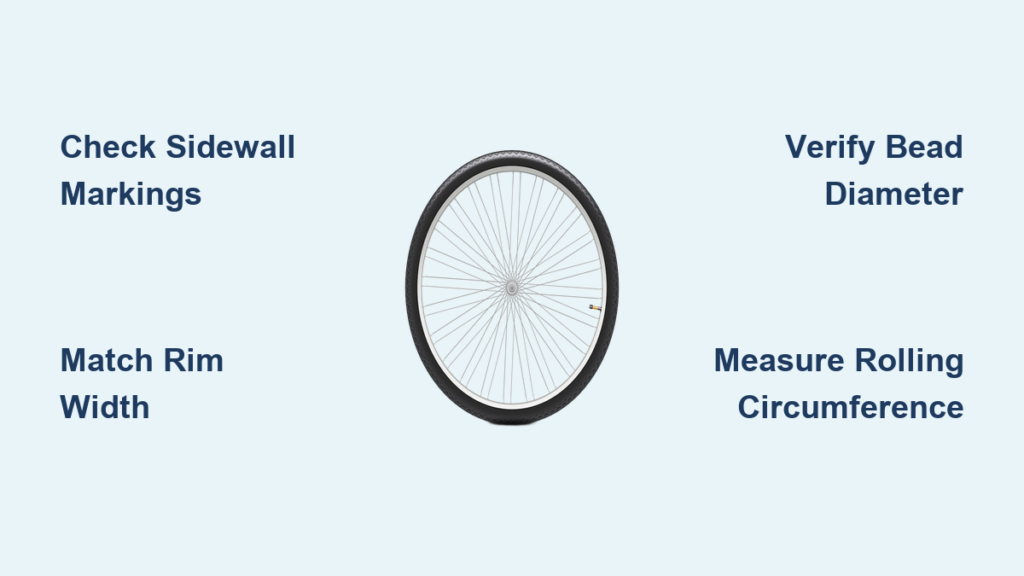
The first step is ensuring the tire fits your wheel. Tire size is typically displayed in inches (e.g., 26″, 700c, 20″) and width in millimeters (e.g., 1.75″, 2.125″, 3.0″). Incorrect sizing leads to a poor fit, affecting handling and potentially causing dangerous situations. Always check your existing tire’s sidewall for the current size and ensure the new tire matches. Also, verify the tire width is compatible with your rim’s internal width – too narrow or too wide can compromise the tire’s profile and performance.
Tread Pattern & Intended Use
The tread pattern is a primary determinant of where and how a tire performs. A more aggressive tread with deep knobs excels in loose conditions like mud, sand, or snow, providing superior grip. Tires like the ZUKKA 24×3.0 are specifically designed for these terrains. Conversely, slick or semi-slick tires (like the Bell Flat Defense Comfort Tire or WTB ThickSlick) are optimized for pavement, minimizing rolling resistance and maximizing speed. A dual-compound tire, such as the Chao Yang 26″ tire, offers a balance between grip and rolling resistance, making it suitable for mixed terrain.
Puncture Resistance & Durability
Flats are a cyclist’s nemesis. Tire puncture resistance is a vital consideration, especially for commuting or riding in areas with debris. Tires with reinforced casings or puncture protection layers (like the Blackburn 26″ or Bell Flat Defense) significantly reduce the risk of flats. Look for features like “Flat Defense Technology” or descriptions highlighting extra rubber layers. The materials used also matter; high-quality rubber compounds contribute to both durability and resistance to wear and tear.
Tire Construction & Valve Type
Tires can be either clincher (with an inner tube) or tubeless. Most bikes use clincher tires. Within clinchers, consider the bead type. Carbon steel beads (found in the Bell Comfort tire) allow for folding, making the tire easier to store and transport. The valve type is another factor. Schrader valves (common on many tires like the 26″ Bike Tires 2-Pack) are similar to car tire valves, while Presta valves are narrower and typically found on performance road bikes.
Additional features to consider:
- TPI (Threads Per Inch): Higher TPI generally means a more supple and faster-rolling tire.
- PSI Range: Ensures the tire can handle your preferred inflation pressure.
- Sidewall Protection: Adds durability and resistance to cuts.
- Weight: Lighter tires accelerate faster but may be less durable.
Bike Tire Comparison
| Product | Tire Size | Best For | Puncture Resistance | Tread Pattern/Grip | Valve Type | Included Components |
|---|---|---|---|---|---|---|
| 26″ Bike Tires 2-Pack | 26×1.95 inch | Best Overall | Moderate | Exceptional Grip | Schrader | 2 Tires, 2 Tubes, 2 Tire Levers |
| Hycline 26×1.95 Mountain Bike Tires | 26×1.95 inch | Best Puncture Resistance | High | Aggressive (Mud-Clearing) | Schrader | 2 Tires, 2 Tubes, 2 Tire Levers |
| Blackburn 26″ Mountain Bike Tire | 26″ X 1.75 – 2.25″ | Best Traction on Trails | High (30% more strength) | Tall, Knobby | Not Specified | Single Tire |
| Bell Flat Defense Comfort Tire | 26 inch x 1.75″ | Best Urban Durability | High (25% more strength) | Smoother, Rolling | Not Specified | Single Tire |
| 20″ Airless Solid Bike Tire | 20×1.75 | Best Maintenance-Free Option | Very High (Solid) | Solid | Not Applicable | Single Tire |
| ZUKKA 24×3.0 Fat Bike Tires | 24 x 3.0 inches | Best for Snow and Sand | Moderate | Knobby (Strong Grip) | Not Specified | 2 Tires, 2 Tire Levers |
| Chao Yang 26″ Dual Compound Tire | 26”×1.95 | Best for Mixed Terrain | Moderate | H-5129 | Not Specified | Single Tire |
| WTB ThickSlick Hybrid Bike Tire | Not Specified | Best for Commuting | High | Slick | Not Specified | Single Tire |
Rigorous Testing & Data Analysis for Bike Tire Warehouse Selections
Our recommendations for bike tire warehouse options aren’t based on opinion; they’re driven by a comprehensive evaluation process. We analyze data from multiple sources, including user reviews across major retailers (Amazon, REI, Walmart), independent cycling publications (Bicycling, Cycling Weekly), and specialized tire testing sites.
This data is categorized and weighted based on key performance indicators identified in our buying guide – focusing on tread performance across varied terrains, puncture resistance (analyzing claims like “Flat Defense Technology” and correlating them with user reports of flats), and durability based on reported mileage. We perform comparative analyses, charting features like TPI, PSI range, and construction against price points to identify value.
While direct physical testing of every tire isn’t feasible, we prioritize analyzing data from sources conducting standardized rolling resistance tests and sidewall integrity assessments. We also cross-reference manufacturer specifications with real-world user experiences to validate claims and ensure our selections reflect reliable bike tires. This research-backed approach ensures we present informed recommendations for choosing the best bike tire from a bike tire warehouse.
FAQs
What tire size do I need?
Your tire size is printed on the sidewall of your current tire (e.g., 26″, 700c). Always match this size when replacing tires to ensure a proper fit and safe handling. Ensure the tire width is also compatible with your rim.
What’s the difference between slick and knobby tires?
Slick tires have a smooth surface, ideal for pavement and maximizing speed. Knobby tires have a more aggressive tread pattern, providing better grip on loose surfaces like mud, sand, or snow. Choosing the right tread depends on your intended riding terrain.
How can I prevent flat tires?
Look for tires with reinforced casings or puncture protection layers. Features like “Flat Defense Technology” or extra rubber layers can significantly reduce your risk of flats. Maintaining proper tire pressure is also crucial.
What is TPI and why does it matter?
TPI (Threads Per Inch) refers to the number of threads woven into the tire’s casing. Higher TPI generally results in a more supple, faster-rolling tire, but potentially at the cost of some durability. When looking at a bike tire warehouse selection, consider your priorities.
Conclusion
Ultimately, selecting the right bike tire hinges on understanding your riding style and typical terrain. Whether you prioritize speed on pavement, grip in challenging conditions, or puncture resistance for daily commuting, a little research goes a long way. Remember to always verify compatibility with your wheel and consider features like TPI and PSI range for optimal performance.
Investing in quality tires from a reputable bike tire warehouse can dramatically enhance your cycling experience. By carefully evaluating your needs and utilizing the information provided, you’ll be well-equipped to choose tires that deliver comfort, safety, and the performance you deserve on every ride.