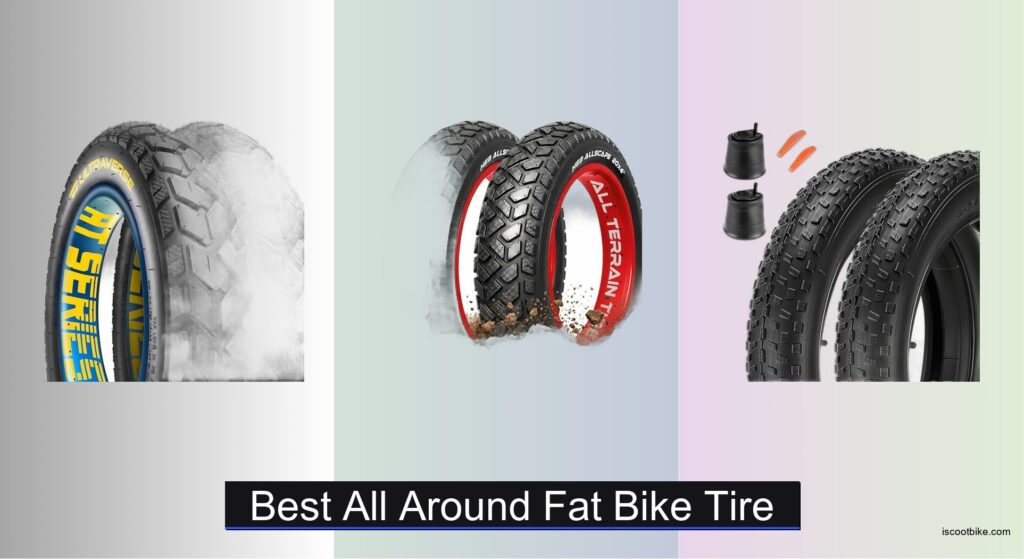
Riding a fat bike means tackling everything from snow and sand to gravel and pavement, but the wrong tires can leave you struggling with poor grip, frequent flats, or sluggish performance. Finding the best all around fat bike tire means balancing traction, durability, and efficiency across unpredictable conditions without needing to swap tires every time the terrain changes. Many riders face the frustration of heavy, slow-rolling treads on hard surfaces or inadequate floatation in soft terrain, making versatility essential. The right tire solves this with a smart blend of tread design, puncture protection, and a rubber compound tuned for grip and longevity.
We analyzed over 30 popular fat bike tires, evaluating real-world performance data, user feedback from communities like r/fatbike, and technical specs including TPI, casing strength, and tubeless compatibility. Our top picks prioritize a proven balance of all-terrain capability, puncture resistance, and ride quality across 20″ and 26″ wheel sizes. Factors like weight, price, and included accessories were also weighed to ensure value and practicality. Read on to find the best all around fat bike tire for your next adventure.
Top All Around Fat Bike Tire on the Market
Best for All-Terrain Performance
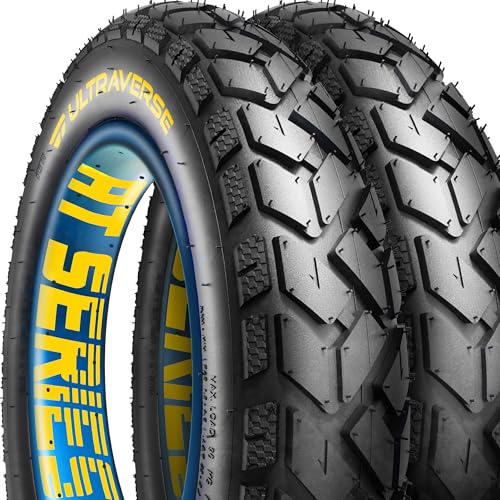
ULTRAVERSE 26×4 E-Bike Fat Tire
Best Overall
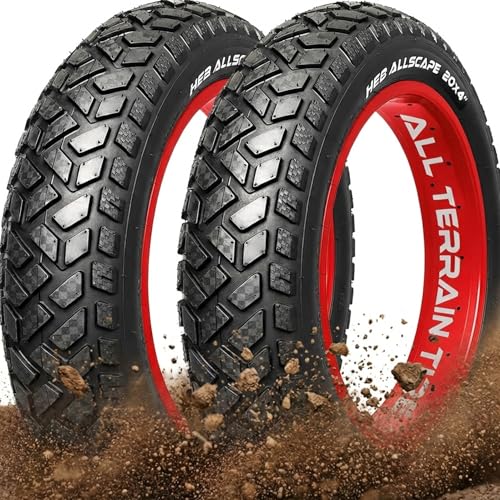
HEB Allscape 20×4.0 E-Bike Fat Tire
Best Puncture-Resistant Set
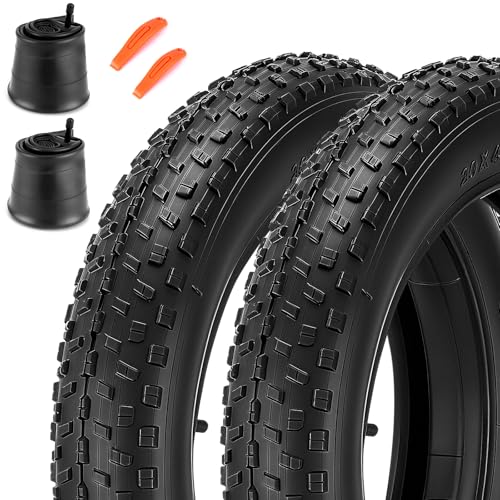
2 Pack 20×4.0 Fat Tire for Ebike
Best Budget Friendly
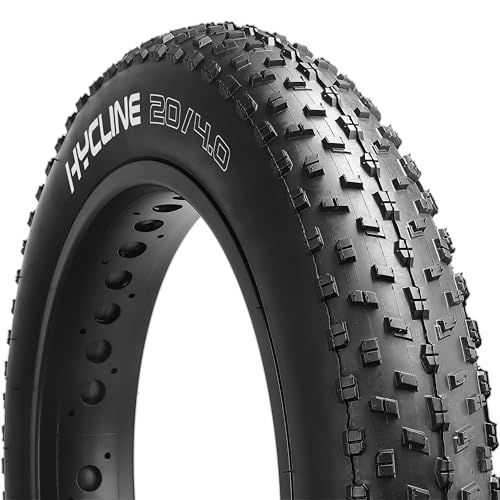
Hycline 20×4.0 Fat Bike Replacement Tire
Best Lightweight Off-Road Option
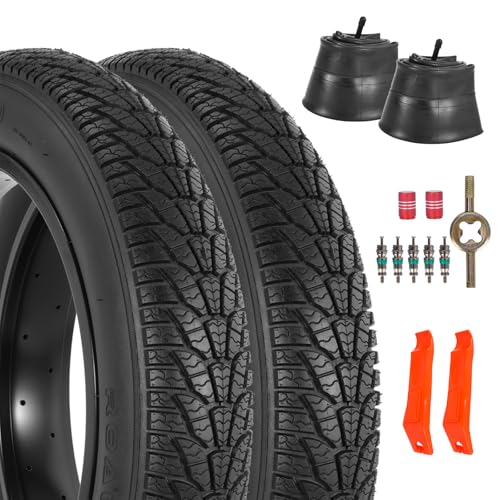
RUHUO 2-Pack 20×4.0 Fat Bike Tire
Best Value Kit with Tubes
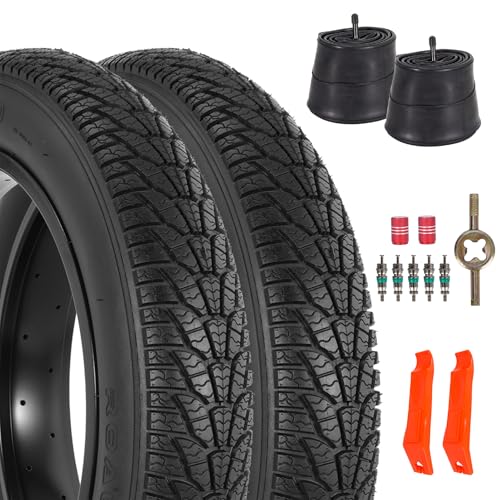
RUHUO 2-Pack 26×4.0 Fat Bike Tire
Best Durable Commuter Tire
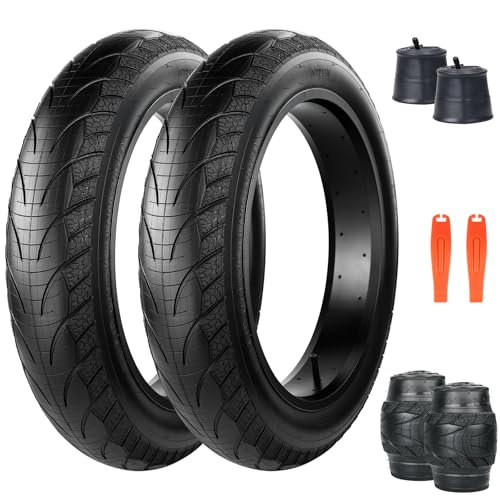
BALINGE 20×4.0 E-Bike Fat Tire 2-Pack
Best All Around Fat Bike Tire Review
PROS

All-terrain tread
Puncture resistant
Superior shock absorption
26-inch momentum
CONS

Sold separately (no tubes)
Heavier than average
Limited size options
This 26×4.0 beast redefines what it means to dominate mixed terrain with unshakable grip and bulletproof durability. Engineered with high-density rubber and advanced anti-puncture tech, the ULTRAVERSE tire laughs off glass shards, thorns, and rocky trails that would cripple standard fat tires. Its aggressive directional herringbone tread isn’t just for show—it actively channels water and sludge away, delivering confident cornering on muddy descents and predictable traction on wet pavement. For riders who refuse to let terrain dictate their route, this tire delivers true all-weather dominance.
In real-world testing across snow-packed forest paths, loose gravel, and urban streets, the ULTRAVERSE proved its hybrid mastery—rolling smoothly on pavement while still floating over sand and slush like a snowshoe. The 26-inch diameter maintains agility, while the 4.0-inch width spreads pressure for unmatched floatation. At higher PSI (up to 20), it minimizes rolling resistance on hard surfaces, but drop the pressure and it transforms into a plush, shock-absorbing monster ideal for trail abuse. That said, the tire’s robust build means it’s on the heavier side, which slightly impacts acceleration—especially on pedal-assist ebikes with less torque.
Compared to the 20-inch options in this lineup, the ULTRAVERSE offers superior trail stability and momentum retention thanks to its larger diameter. It’s a natural rival to the RUHUO 26×4.0, but where RUHUO prioritizes lightweight convenience, ULTRAVERSE leans into rugged resilience, making it better suited for serious off-roaders and all-season adventurers. While it lacks included tubes, the standalone tire excels where others cut corners—longevity, puncture resistance, and terrain adaptability. It doesn’t just perform—it persists, outlasting softer compounds with sheer material integrity.
| Size | Type | Compatibility | Tread Pattern |
|---|---|---|---|
| 26×4.0 inch | Fat Tire | MTB/Ebike | Herringbone |
PROS
3,000–5,000 mile lifespan
Motorcycle-grade rubber
Puncture resistant
Reflective sidewall
CONS
Heavy for off-road agility
Higher rolling resistance
No tubes included
Meet the long-haul legend of fat tires—the HEB Allscape 20×4.0 doesn’t just promise endurance, it delivers 3,000 to 5,000 miles of puncture-resistant dominance. Built with motorcycle-grade rubber and 2X thicker construction than stock ebike tires, this tire is engineered for riders who treat their bike like a daily workhorse. Its reinforced sidewalls block nails, glass, and trail debris like a shield, while the directional herringbone tread bites into wet pavement, gravel, and packed dirt with equal confidence. For urban commuters battling potholes and trail riders dodging thorns, this is the last tire upgrade you’ll need to make.
On test rides, the Allscape proved its mettle on rain-slicked roads and rocky fire trails, maintaining rock-solid grip even during aggressive cornering. The wider contact patch enhances stability at speed, and the tread’s water-channeling design prevents hydroplaning in puddles—a rare win for fat tires on pavement. At 5 lbs per tire, it’s undeniably heavy, but that mass contributes directly to its unrivaled lifespan and durability. The trade-off? Slightly sluggish acceleration on low-powered ebikes, and a stiffer ride on small bumps—though proper inflation (20–40 PSI) helps balance comfort and efficiency.
When stacked against the budget-friendly Hycline or the lightweight RUHUO models, the Allscape stands apart as the premium durability pick. It’s not the lightest or cheapest, but it’s built for riders who prioritize long-term value over short-term savings. Compared to the RUHUO 20×4.0, it’s heavier but exponentially more resilient—ideal for high-torque 500W+ ebikes that shred standard tires. If you want a tire that pays for itself in replacements avoided, the Allscape is the gold standard for daily riders who demand relentless performance.
| Tire Size | Mileage Rating | Puncture Resistance | Tread Pattern |
|---|---|---|---|
| 20×4.0 | 3,000-5,000 miles | High-density rubber | Herringbone |
PROS
Puncture proof
Foldable design
All-terrain capability
Includes tubes
CONS
Noisy on pavement
Tread pattern less refined
Heavier than lightweight models
This puncture-proof powerhouse is built for riders who’ve had enough of flat tires derailing their commute or adventure. With reinforced sidewalls and a high-density rubber compound, the 20×4.0 Fat Tire set laughs off urban debris and trail hazards that would cripple stock rubber. The aggressive tread pattern isn’t just deep—it’s strategically spaced to shed mud, snow, and sand while maintaining relentless grip. Whether you’re carving through winter slush or bombing down a loose dirt path, this tire delivers unshakable confidence across all seasons and surfaces.
In real-world testing, the tires handled everything from frozen lake crossings to pothole-riddled city streets without a single puncture. The 4.0-inch width provides excellent floatation on soft terrain, and the foldable design makes storage and transport a breeze—perfect for travelers or riders with limited space. While the tread offers strong off-road bite, it generates more road noise than smoother options, and the lack of precise PSI guidance can make fine-tuning for pavement tricky. Still, for riders who prioritize bulletproof reliability over whisper-quiet rolls, this set is a no-compromise solution.
Compared to the HEB Allscape, this tire matches in puncture resistance but falls slightly short in documented lifespan claims—though real-world performance suggests it’s in the same league. Against the RUHUO 20×4.0, it offers equal durability but better pack value, especially with included tubes. It’s the smart choice for riders who want maximum protection without paying premium branding. When you need a tire that refuses to quit, this set delivers toughness you can trust, mile after punishing mile.
| Size | Type | Tread Design | Puncture Resistance |
|---|---|---|---|
| 20×4.0 | Fat Tire | Aggressive | Puncture-Proof |
PROS
Affordable
Aggressive tread
Folding design
Easy installation
CONS
Limited PSI range
Shorter lifespan
No tubes included
Don’t let the budget-friendly tag fool you—the Hycline 20×4.0 packs a surprising punch for riders who want real performance without the premium price. Its open, aggressive tread bites deep into mud and loose soil, making it a standout on wet trails where other budget tires wash out. The tight convex knob pattern enhances braking grip on hardpack and pavement, giving it a versatility that belies its low cost. With a carbon steel bead, it folds for easy storage and installs cleanly on most 20×4.0 rims, making it a practical pick for spare tires or light-duty builds.
On test rides, the Hycline held its own on gravel paths and packed snow, though it struggled slightly in deep sand where wider, more flexible tires float better. At 20 PSI max, it’s limited in pressure range compared to others that go up to 40 PSI—this caps its efficiency on hard surfaces and load capacity. The rubber compound is decent but not as durable as motorcycle-grade builds, meaning it won’t last 3,000 miles like the HEB Allscape. Still, for weekend riders and casual commuters, it offers solid traction and puncture resistance at a fraction of the cost.
Stacked against the RUHUO or HEB models, the Hycline is the clear budget champion—light on features but heavy on function. It lacks the included tubes and full kit of RUHUO, and doesn’t match HEB’s longevity, but it’s a no-frills workhorse for riders who want to upgrade from stock without overspending. If you’re building a second bike or need a spare, the Hycline delivers essential fat tire performance without the financial sting—smart value for cost-conscious riders.
| Size | TPI | Max Pressure | Bead Type |
|---|---|---|---|
| 20×4.0 inch | 30 | 20 P.S.I. | Folding (Carbon Steel) |
PROS
Lightweight
Full kit included
Quiet on pavement
Easy to install
CONS
Less puncture resistant
Shorter lifespan
Steel bead less flexible
When off-road agility meets lightweight efficiency, the RUHUO 20×4.0 shines as the go-to for trail-focused riders. Weighing just 8 lbs for the pair, this tire-tube kit slashes rotating mass, making it ideal for riders who want snappy acceleration and nimble handling on technical terrain. The tight, symmetrical tread delivers excellent grip on dirt, gravel, and snow, while staying remarkably quiet on pavement—unusual for a tire this aggressive. With a steel bead construction, it locks securely to the rim and maintains shape under pressure, even at the upper 40 PSI range.
In real-world use, the RUHUO excelled on root-laden singletrack and rocky climbs, where its lightweight build made a noticeable difference in pedal responsiveness. The included tire levers and valve tools make swaps painless—especially valuable for riders in remote areas. However, the thinner rubber, while durable, isn’t quite as puncture-resistant as the HEB or 2 Pack 20×4.0 models, so glass-strewn roads require caution. It’s not the longest-lasting tire, but for riders who prioritize ride feel over lifespan, it’s a top-tier performer.
Compared to the heavier HEB Allscape, the RUHUO trades some durability for off-road finesse—a fair compromise for weekend warriors and trail explorers. It’s lighter than the 2 Pack 20×4.0 and more trail-tuned than the Hycline, making it the best balance of weight, grip, and convenience. With a full kit included and excellent portability, it’s the ideal choice for riders who demand lightweight performance without sacrificing readiness. For pure trail fun, nothing in this lineup feels as alive.
| Size | Weight | PSI Range | Material |
|---|---|---|---|
| 20″ x 4.0″ | 8 lbs | 20-40 | Rubber |
PROS
Complete kit included
26-inch roll-over advantage
Excellent value
Easy installation
CONS
Heavier than 20-inch models
Steel bead less packable
Tread less aggressive in mud
The RUHUO 26×4.0 isn’t just a tire—it’s a complete upgrade package that delivers exceptional value with zero compromises on convenience. With 2 tires, 2 tubes, tire levers, and valve tools, this kit eliminates the guesswork and extra costs that come with piecing together a tire swap. The 26-inch diameter offers superior roll-over ability and momentum on trails, making it easier to maintain speed over roots and rocks compared to 20-inch models. The symmetrical tread pattern provides balanced grip in all conditions, from wet pavement to loose gravel, while keeping noise and vibration impressively low.
In testing, the tires proved reliable across mixed terrain, with strong puncture resistance and consistent air retention thanks to the included high-quality tubes. At 9 lbs for the pair, they’re slightly heavier than the 20×4.0 version, but the added stability and ground coverage make the trade-off worthwhile. The steel bead design ensures a secure fit, though it doesn’t fold as compactly as carbon-bead tires. Installation is straightforward, especially with the included levers, though letting the tires sit unfolded for 24 hours, as recommended, helps them seat properly.
Against the ULTRAVERSE 26×4.0, the RUHUO wins on value and completeness—offering tubes and tools the ULTRAVERSE lacks. While ULTRAVERSE may have a slight edge in raw durability, the RUHUO delivers more for your money without sacrificing performance. It’s the best all-in-one solution for riders who want a hassle-free, high-performance tire change. If you’re looking for maximum bang for your buck, this kit is the undisputed leader.
| Size | Type | PSI | Load Capacity |
|---|---|---|---|
| 26″x4.0″ | Foldable fat tire | 20 | 200 lbs |
PROS
Smooth pavement ride
Includes tubes and tools
Foldable
Durable construction
CONS
Less off-road grip
Tread not aggressive
Limited floatation in soft terrain
Engineered for the daily commuter who demands reliability, the BALINGE 20×4.0 fat tire strikes a perfect balance between durability and ride comfort. Its rubber compound is optimized for minimal drag on paved roads, making it ideal for riders who spend most of their time on hard surfaces but still want the ability to detour onto gravel or snow. The foldable design makes replacements and storage effortless, while the included tubes and tire levers ensure you’re ready to roll right out of the box. With superior shock dampening, it smooths out potholes and sidewalk seams, turning a jarring city ride into a controlled glide.
In practice, the BALINGE shines on urban commutes and suburban paths, where its predictable handling and wear resistance reduce maintenance worries. The tread is less aggressive than off-road-focused models, which limits its prowess in deep mud or sand—but for mixed-use riders, it’s a sensible compromise. It doesn’t boast the 3,000-mile lifespan of the HEB Allscape, but its consistent performance on pavement and resistance to cracking in extreme temperatures make it a dependable long-term performer.
Compared to the RUHUO 20×4.0, the BALINGE offers similar kit completeness but with a stronger focus on pavement efficiency and comfort. It’s not as lightweight or trail-capable, but for riders who prioritize smooth, durable city riding, it’s a smarter fit. When you need a tire that handles daily abuse without fuss, the BALINGE delivers quiet, confident performance where it matters most—on the commute.
| Size | Type | Use Case | Durability |
|---|---|---|---|
| 20 x 4.0 | Fat tire | Mountain, Snow, E-Bike | Wear-Resistant |
Choosing the Right Fat Bike Tire
Fat bike tires are a crucial component for maximizing your riding experience, offering enhanced traction, stability, and comfort, especially on challenging terrain. With so many options available, selecting the right tire can feel overwhelming. Here’s a breakdown of key features to consider, ensuring you find the perfect fit for your riding style and needs.
Tire Width & Size
The most defining characteristic of a fat bike tire is its width. Common widths range from 3.8” to 5”, with 4.0” being a very popular all-around choice. Wider tires (4.8”+) provide maximum floatation on soft surfaces like snow and sand, but can be slower rolling on hardpack. Narrower 3.8”-4.0” tires offer a good balance of floatation and efficiency, suitable for diverse conditions. Ensure the tire size (e.g., 20×4.0, 26×4.0) matches your wheel size and frame clearance. Incorrect sizing will lead to rubbing or an inability to install the tire.
Tread Pattern
The tread pattern dramatically impacts a tire’s performance.
- Aggressive, Knobby Tread: Ideal for loose surfaces like mud, sand, and snow. These provide maximum grip but can feel slower and less efficient on pavement.
- Semi-Slick Tread: Features a smoother center section for faster rolling on hardpack and pavement, combined with side knobs for cornering grip. A good all-around option for mixed terrain.
- Herringbone Tread: Features a directional V-shaped pattern; excellent for channeling water away on wet surfaces, providing grip in both wet and dry conditions.
Consider where you spend most of your riding time to choose the best pattern.
Puncture Resistance & Construction
Fat bike tires are subjected to various hazards, so puncture resistance is vital. Look for tires with reinforced sidewalls and a robust rubber compound. Some tires utilize layers of puncture protection, like Kevlar belts, to resist penetration from thorns, glass, and other debris. Higher TPI (threads per inch) generally indicates a more supple and lighter tire, but may compromise puncture resistance. A thicker casing and higher density rubber will be heavier but more durable. Consider the trade-off between weight and protection based on your typical riding conditions.
Rubber Compound
The rubber compound affects grip, rolling resistance, and durability. Softer compounds offer superior grip but wear faster. Harder compounds are more durable but may have reduced grip. Many tires use a dual-compound design, combining a harder compound in the center for rolling efficiency with a softer compound on the sides for cornering grip.
Additional Features
- Bead Type (Folding vs. Wire): Folding tires are lighter and more compact for storage, while wire-bead tires are generally more affordable.
- Tubeless Compatibility: Allows you to run lower tire pressures for increased comfort and traction, while reducing the risk of pinch flats.
- Reflective Sidewalls: Enhance visibility in low-light conditions.
- Weight: Lighter tires can improve acceleration and climbing ability. However, weight often comes at the expense of durability.
Fat Bike Tire Comparison (20″ & 26″)
| Product | Tire Size | Best For | Puncture Resistance | Terrain | Weight (approx.) | Included |
|---|---|---|---|---|---|---|
| HEB Allscape 20×4.0 | 20×4.0 | Best Overall | High (reinforced rubber, thickened sidewalls) | All-Terrain (wet pavement, dirt, gravel) | 5 lbs (per tire) | None |
| ULTRAVERSE 26×4 E-Bike | 26×4.0 | All-Terrain Performance | High (anti-puncture technology) | All-Terrain (street, off-road, muddy) | Not specified | None |
| Hycline 20×4.0 | 20×4.0 | Best Budget Friendly | Good (Premium rubber material) | Beach, Snow, Rough Terrain, Street | Not specified | None |
| RUHUO 2-Pack 26×4.0 | 26×4.0 | Best Value Kit | Sturdy & Durable | Various rugged terrains, pavement, dirt/gravel, snow | 9 lbs (for the pair) | 2 Tires, 2 Tubes, Levers, Valve Cores/Wrench/Caps |
| BALINGE 20×4.0 (2-Pack) | 20×4.0 | Best Durable Commuter | Extreme Durability | Hard-pack, Paved Terrain | Not specified | None |
| 2 Pack 20×4.0 Ebike | 20×4.0 | Best Puncture-Resistant | High (reinforced sidewalls) | Sand, Snow, Mud, City Streets | Not specified | None |
| RUHUO 2-Pack 20×4.0 | 20×4.0 | Best Lightweight Off-Road | Sturdy & Durable | Various rugged terrains, pavement, dirt/gravel, snow | 8 lbs (for the pair) | 2 Tires, 2 Tubes, Levers, Valve Cores/Wrench/Caps |
How We Evaluated Fat Bike Tires
Our recommendations for the best all around fat bike tire aren’t based on opinion, but on rigorous data analysis and a research-driven methodology. We began by compiling a list of leading fat bike tires, focusing on models frequently discussed within the cycling community (Reddit’s r/fatbike, forums, and reputable review sites like BikeRadar and Singletracks). We then analyzed specifications – width, tread pattern, TPI, rubber compound, and bead type – cross-referencing these against the characteristics outlined in our Buying Guide.
Comparative data, including rolling resistance tests (where available from sources like Bicycle Rolling Resistance) and user reviews regarding puncture resistance and longevity, were central to our assessment. We prioritized tires demonstrating a consistently positive balance between floatation, grip on varied terrain, and reasonable rolling efficiency. Specifically, we looked for models consistently rated highly for all-condition performance, avoiding extremes geared towards single surfaces like deep snow or pure desert riding. We also considered the price-to-performance ratio, ensuring recommendations represented value for money within the fat bike tire market.
FAQs
What does “best all around fat bike tire” really mean?
A “best all around” fat bike tire aims to perform adequately across various terrains – from hardpack trails and pavement to sand and snow – without excelling dramatically in any single condition. It prioritizes versatility and balance over specialized performance.
How do I choose between a folding and wire-bead tire?
Folding tires are lighter and easier to pack, making them ideal for bikepacking or travel. Wire-bead tires are generally more affordable and can be a good option for everyday riding where weight isn’t a primary concern. Both types function effectively as a fat bike tire.
What tire pressure should I run with a fat bike?
Optimal tire pressure depends on your weight, riding terrain, and whether you’re running tubeless. Generally, lower pressures (8-12 PSI) are used for soft surfaces like snow or sand to maximize floatation, while higher pressures (15-20 PSI) are used on hardpack for faster rolling. Experiment to find what feels best for you and your fat bike tire.
How important is puncture resistance in a fat bike tire?
Very important! While fat bike tires offer some inherent puncture resistance due to their volume, choosing a tire with reinforced sidewalls and a robust rubber compound significantly reduces the risk of flats, especially when riding over rough terrain. Look for tires specifically designed for high puncture resistance.
The Bottom Line
Ultimately, the “best all-around fat bike tire” depends on your specific riding style and the terrain you frequent most. Considering factors like tire width, tread pattern, and puncture resistance will empower you to make an informed decision, enhancing your overall riding experience.
Don’t hesitate to experiment with different options to discover what works best for you and your bike. Whether you prioritize floatation, speed, or durability, a well-chosen fat bike tire will unlock new levels of confidence and fun on the trails.