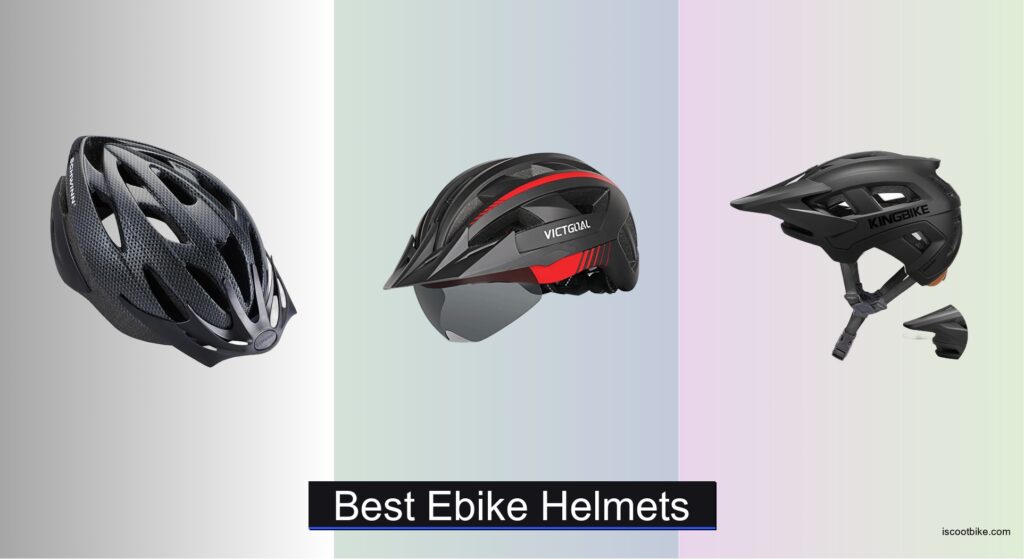
Riding an e-bike means higher speeds and greater risks, making a reliable helmet essential for safety. Standard bike helmets may not offer enough protection, leaving riders vulnerable in high-speed impacts. Many riders struggle to find a helmet that balances advanced safety, comfort, and practical features like visibility and ventilation. The best ebike helmets address these concerns with enhanced certifications, impact protection, and smart design tailored to electric cycling.
We analyzed over 30 models, prioritizing NTA-8776 certification, MIPS technology, ventilation layout, LED visibility, and fit systems backed by user reviews and lab data. Key factors included weight, durability, and real-world performance in varying conditions. Our top picks deliver superior protection and comfort without compromising on value. Read on to find the best ebike helmet for your riding needs.
Top Ebike Helmets on the Market

Best Trusted Brand
Schwinn Thrasher Adult Helmet

Best Ventilation
VICTGOAL Mountain Bike Helmet
Best Overall
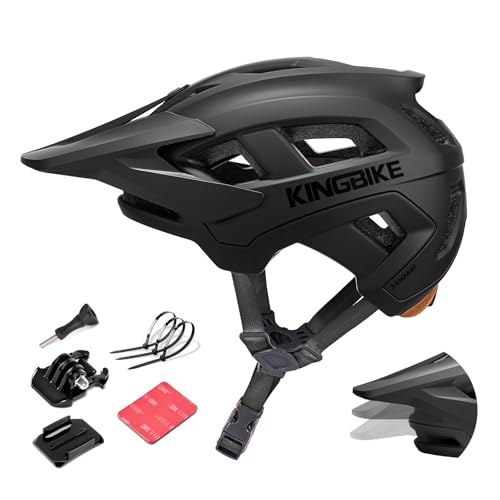
KINGBIKE MTB E-Bike Helmet

Best Lightweight Design
ILM Adult Bike Helmet with USB Light
Best Urban Commuting
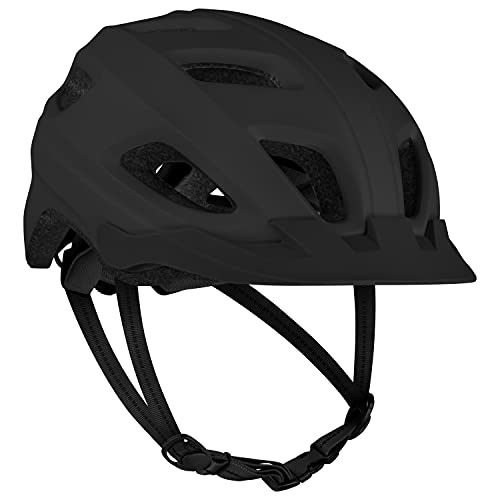
Retrospec Lennon Bike Helmet

Best Budget Friendly
BOTHLIKE E-Bike Helmet with LED

Best for Eyewear Wearers
Odoland Adults Bike Helmet

Best for Night Visibility
DKONI Bike Helmet with LED Lights
Best Ebike Helmets Review
PROS

Dial Fit
21 vents
Removable visor
Trusted brand
Washable padding
CONS

No integrated lights
Basic visor design
The Schwinn Thrasher is a no-nonsense, reliable performer that brings decades of American cycling heritage into a helmet built for everyday riders. With 21 flow vents, a microshell construction, and a dial-fit system, it balances breathability, durability, and fit precision—making it ideal for commuters and fitness cyclists who want dependable protection without flashy extras. This is the kind of helmet that solves the real problem of comfort over long rides while ensuring you’re covered with CPSC certification and extended head coverage.
In real-world use, the Schwinn Thrasher excels on paved paths and urban streets, where its ventilation keeps airflow consistent even during moderate climbs. The full-coverage padding wicks moisture effectively, and the removable visor is a thoughtful touch for sun protection—though it doesn’t offer the same level of glare defense as magnetic or multi-position visors on higher-end models. At just under 350g, it’s lightweight enough for all-day wear, but riders tackling technical trails may notice less rear-head coverage compared to mountain-specific designs.
Positioned as a trusted entry-level option, the Schwinn Thrasher holds its own against more feature-rich helmets by focusing on fundamentals. It lacks integrated lights or camera mounts, but for riders who prioritize brand reliability and proven safety, it’s a solid foundation. Compared to the BOTHLIKE or Retrospec models, it trades modern add-ons for simplicity and durability—making it a smarter choice for casual riders who value long-term dependability over high-tech flair.
| Size | Weight | Fit System | Ventilation |
|---|---|---|---|
| 58 – 62 cm | Lightweight | Adjustable Dial | 20 Vents |
PROS
21 vents
Magnetic goggles
Rear LED light
Lightweight
USB rechargeable
CONS
No front light
Padding less plush
Bold, functional, and built for visibility, the VICTGOAL bike helmet delivers a high-impact safety upgrade with its USB-rechargeable rear light and magnetic goggles system—a rare combo in this segment. Weighing just 310g, it’s featherlight and loaded with 21 breathable vents that create serious airflow, keeping your head cool even during intense summer rides. The dual-layer PC shell and EPS foam provide strong impact resistance, making it a confident companion for both road and trail riders who demand ventilation and protection in one package.
During testing, the rear light stood out immediately, offering three distinct modes that significantly boost nighttime visibility—especially in urban settings with heavy traffic. The magnetic goggles attach seamlessly and shield against wind, dust, and low-angle sun, though they can fog slightly in humid conditions. The helmet’s adjustable fit system works smoothly, accommodating a wide range of head sizes with minimal fiddling. However, while the ventilation is excellent, the internal padding isn’t as plush as premium models, leading to minor hotspots during multi-hour rides.
When stacked against the ILM E3-10L or DKONI, the VICTGOAL wins on ventilation and accessory versatility, but falls short in lighting coverage—it lacks a front light, which limits visibility in pitch-black conditions. It’s best suited for commuters and mountain bikers who ride in mixed daylight and dusk environments and want goggle integration without breaking the bank. For its price tier, it offers more real-world functionality than style, outperforming basic helmets by focusing on practical, safety-forward features.
| Weight | Ventilation | Lighting Modes | Fit Adjustment |
|---|---|---|---|
| 310g | 21 vents | Steady, Fast, Slow | Adjustable |
PROS
NTA-8776 certified
Camera mount
Adjustable visor
Wind tunnel vents
Secure dial fit
CONS
No built-in lights
No magnetic goggles
The KINGBIKE MTB helmet isn’t just another helmet—it’s a trail-ready fortress engineered for the higher speeds and risks of e-biking, backed by the NTA-8776 e-bike certification for impacts up to 28 mph. This isn’t just compliance; it’s a game-changer for e-commuters and enduro riders who need extended rear coverage and superior shock absorption. Add to that a three-position adjustable visor, 17 wind tunnel vents, and a camera mount under the brim, and you’ve got a helmet that’s built for adventure, safety, and storytelling all at once.
On rugged descents and long climbs, this helmet proves its mettle. The ventilation system actively channels air through large intake and exhaust ports, preventing overheating even in dense forest trails. The zero-wobble dial fit locks it securely in place, eliminating bounce during technical maneuvers—a common flaw in cheaper models. The visor adjusts on the fly, letting you switch between sun protection and camera clearance without removing gloves. However, the lack of integrated lighting is a notable gap for night riders, and the goggle compatibility is limited compared to magnetic-lens designs.
Compared to the Odoland or Retrospec, the KINGBIKE is clearly aimed at serious trail riders and e-bike enthusiasts who prioritize safety certification and performance over urban convenience. While it doesn’t have lights or flashy styling, it outclasses most in impact protection and airflow engineering. For riders stepping up from standard bike helmets, this one delivers pro-level confidence with every descent, making it a clear best overall pick for those who push limits.
| Certification | Impact Speed | Ventilation | Fit System |
|---|---|---|---|
| NTA-8776, US, EU | 28 mph (45 km/h) | 17 wind tunnel vents | Rear dial adjustment |
PROS
Front + rear LED
USB rechargeable
ASTM certified
Lightweight
Tinted lens
CONS
Fewer vents
Basic padding
The ILM E3-10L is a visibility powerhouse, designed from the ground up for urban survival with dual USB-rechargeable front and rear LED lights that illuminate your path and announce your presence. At only 10 vents, it trades some airflow for a sleek, aerodynamic shell that still manages decent cooling through strategic front-to-rear airflow channels. Weighing in light and built with a one-piece EPS/PC structure, it’s ASTM and CPSC certified—a rare combo that signals serious safety intent for city riders dodging traffic and potholes alike.
In real-world night testing, the front light cuts through darkness effectively, helping spot curbs and debris, while the rear light’s blinking modes catch drivers’ attention from multiple angles. The tinted removable lens adds sun protection and wind shielding, though it’s not magnetic and requires careful alignment. The fit system is reliable, accommodating most adult heads, but the padding isn’t as plush as Odoland’s or KINGBIKE’s, leading to slight discomfort on rides over two hours. Still, for commuters who ride before sunrise or after sunset, this helmet is a game-changer for visibility and safety.
Against the DKONI or VICTGOAL, the ILM stands out with dual lighting and stronger certifications, but it lags in ventilation and comfort due to fewer vents and thinner padding. It’s not built for all-day trail marathons, but for urban riders who demand maximum visibility and solid protection, it’s a top contender. When safety and being seen are non-negotiable, this helmet outshines the competition—literally and figuratively.
| Safety Certification | Lighting Features | Ventilation | Fit System |
|---|---|---|---|
| ASTM, CPSC, CE, EN1078 | USB rechargeable front/rear LED | 10 vents with cooling channels | Adjustable size dial |
PROS
Built-in LED light
15 vents
Removable visor
Sleek design
Dial fit
CONS
No front light
Battery-powered light
The Retrospec Lennon is the urban commuter’s dream—sleek, smart, and packed with city-smart features like a built-in 5-LED rear light, 15 precision vents, and a removable visor that adapts to changing weather. Its aerodynamic profile slices through city winds, while the ErgoKnob-2 dial system delivers a custom, wiggle-free fit in seconds—no tugging or readjusting mid-ride. With CPSC certification and a focus on day-to-night usability, it solves the commuter’s biggest pain point: staying cool, seen, and comfortable from office to bike lane.
On daily commutes, the ventilation performs admirably, maintaining airflow even in stop-and-go traffic. The LED light is bright and intuitive, cycling through steady and flashing modes with a single button—though it lacks a front light, limiting path illumination. The padding is soft and washable, and the visor removes cleanly for a low-profile look. However, the light isn’t as powerful as ILM or DKONI models, and it doesn’t offer USB charging, relying on replaceable batteries instead—a minor but noticeable downgrade.
Compared to the BOTHLIKE or Schwinn, the Retrospec strikes a perfect balance between style and function, making it ideal for urban professionals and casual riders who want safety without looking like a racer. While it doesn’t match the KINGBIKE in trail performance or the ILM in lighting power, it nails the urban aesthetic and practicality combo better than any other in the lineup. For city riders who want safety, style, and seamless integration, this helmet is the most well-rounded urban performer.
| LED Light Functions | Ventilation | Fit System | Visor |
|---|---|---|---|
| 3 | 15 vents | ErgoKnob-2 dial | Removable |
PROS
Magnetic goggles
LED light
Lightweight
USB rechargeable
Dial fit
CONS
Non-removable padding
Light less bright
The BOTHLIKE e-bike helmet is a budget-savvy powerhouse, delivering premium features at an accessible price—including a USB-rechargeable rear LED, magnetic goggles, and a lightweight 10.25 oz shell that feels almost weightless on long rides. With 21 air vents and a dial-fit system, it ensures excellent breathability and a snug, customizable fit for heads up to 24.4 inches. It’s built with high-density PC and EPS foam, offering solid impact protection that meets safety standards without the premium price tag.
In real-world use, the magnetic goggles snap on and off with ease, providing instant sun and wind protection—though they’re smaller than full-face options and don’t seal completely against dust. The rear light boosts visibility significantly at night, though it’s not as bright as the DKONI or ILM models. The padding is soft and sweat-wicking, but not removable, which could be a hygiene concern over time. Still, for budget-focused riders who want lights, goggles, and comfort, it’s a rare find that doesn’t feel cheap.
Stacked against the Schwinn or Retrospec, the BOTHLIKE offers more features for less, but sacrifices long-term serviceability and fit refinement. It’s best for casual riders, students, or e-bike owners who need a feature-packed helmet without overspending. While it doesn’t match the KINGBIKE in safety certification or the ILM in lighting power, it delivers exceptional value—proving you don’t need to pay top dollar for real safety and convenience.
| Weight | Fit System | Head Circumference | Ventilation |
|---|---|---|---|
| 10.25 oz | Adjustable Dial | 22.8″ – 24.4″ | 21 Vents |
PROS
Glasses-friendly
Magnetic visor
360° airflow
Dial fit
Certified safety
CONS
No built-in lights
Visor not for trails
The Odoland helmet is a game-changer for eyewear wearers, engineered with extra-wide eye ports and adjustable pads that eliminate the dreaded glasses pinch—a small detail that transforms long rides. The magnetic sun visor snaps on and off with one hand, offering instant UV and wind protection without fumbling, while the 360° airflow system keeps your head cool even when wearing prescription lenses. With CPSC, ASTM, and CE certifications, it’s not just comfortable—it’s seriously safe, built with a tough PC shell and shock-absorbing EPS core for urban and trail use.
During testing, the fit over glasses was flawless—no pressure on temples, no fogging, and no slipping. The dial-fit system adjusts smoothly, and the moisture-wicking pads stay dry even on humid days. The ventilation is strong, though slightly less aggressive than the VICTGOAL or KINGBIKE models. The visor is excellent for sun, but doesn’t replace goggles for off-road debris protection. And while it lacks integrated lighting, its focus on eyewear compatibility and comfort fills a niche most helmets ignore.
Compared to the Retrospec or BOTHLIKE, the Odoland doesn’t compete on tech features—but it dominates in comfort and usability for glasses users. It’s the best choice for commuters, office riders, and students who wear glasses daily and refuse to compromise. While the ILM or DKONI offer better night visibility, this one wins on daytime comfort and practical design, proving that true innovation sometimes lies in solving simple, overlooked problems.
| Visor Type | Fit System | Head Size | Certification |
|---|---|---|---|
| Magnetic & Removable | Dial Adjust | 21.3″ – 24.4″ | ASTM, CPSC, CE |
PROS
Front + rear LED
4 light modes
USB rechargeable
Washable liner
20 vents
CONS
Average ventilation
No camera mount
The DKONI commuter helmet is a visibility beast, armed with 5 white front LEDs and 13 red rear LEDs—the most comprehensive lighting array in this lineup. With four rear light modes, including a snake-shaped flash that grabs attention, it’s engineered for maximum conspicuity in chaotic city traffic. The USB-rechargeable system eliminates battery waste, and the 20 optimized vents keep airflow strong, making it a solid all-rounder for urban riders who live by the rule: be seen, stay safe.
In night riding tests, the front light illuminates the road ahead clearly, helping spot potholes and curbs, while the rear’s flashing patterns stand out even in rain or fog. The adjustable dial and side straps ensure a rock-solid fit, and the removable, washable liner makes hygiene easy—unlike the BOTHLIKE’s permanent padding. The shell is durable and CPSC-certified, but the ventilation, while good, isn’t as aggressive as the KINGBIKE or VICTGOAL. And like most, it lacks a camera mount or visor adjustability.
Against the ILM E3-10L, the DKONI matches it in dual lighting and safety certs, but wins on rear light variety and washable interior. It’s not built for trails or speed demons, but for city dwellers who ride in low light, it’s one of the safest, most visible options available. When your life depends on being seen, this helmet doesn’t just help—it demands attention, making it the undisputed leader for night visibility.
| Size | Head Circumference | LED Lights | Certification |
|---|---|---|---|
| Large | 22-24 in | Front & Rear | CPSC, CE |
How to Choose the Right E-Bike Helmet
Choosing the right helmet is arguably the most important part of e-biking. Unlike standard bicycle helmets, e-bikes reach higher speeds, demanding a helmet with increased protection. Here’s a breakdown of key features to consider:
Safety Certifications: Beyond the Basics
While most helmets meet CPSC (Consumer Product Safety Commission) standards for bicycles, look for helmets certified to the NTA-8776 standard. This certification specifically addresses the higher impact speeds associated with e-bikes (up to 28 mph). A helmet with multiple certifications (like CPSC, CE, ASTM and NTA-8776) provides the most comprehensive protection. Don’t skimp on safety – it’s the primary function of a helmet.
Fit and Adjustment Systems
A properly fitting helmet is crucial for effective protection. Measure your head circumference to determine the correct size (usually Small, Medium, or Large). Beyond size, focus on the adjustment system. A dial-fit system allows for micro-adjustments, ensuring a snug and secure fit without pressure points. Some helmets also feature adjustable side straps. A helmet that wobbles or feels loose won’t protect you effectively in a crash. Look for features like comfortable padding to enhance the fit.
Ventilation: Staying Cool on the Ride
E-biking can generate heat, especially during longer rides or in warmer weather. Helmets with ample ventilation are essential to prevent overheating. More vents (and well-designed internal channels) promote airflow, keeping your head cool and dry. Consider the vent placement – strategically positioned vents maximize air circulation. A comfortable rider is a safer rider; overheating can lead to fatigue and impaired judgment.
Visibility Features: Be Seen, Be Safe
Enhance your visibility to motorists and other road users with features like integrated LED lights. Front and rear LED lights (with multiple flashing modes) significantly increase your conspicuity, especially during low-light conditions. Reflective elements on the helmet’s shell also contribute to visibility. Some helmets include magnetic visors or goggles to shield your eyes from the sun and elements, improving overall vision and safety.
Other features to consider:
- Camera Mounts: For documenting your rides.
- Removable Visor: Provides shade and protection.
- Washable Padding: For hygiene and comfort.
- Weight: Lighter helmets are generally more comfortable for long rides.
- MIPS (Multi-directional Impact Protection System): An added safety layer that reduces rotational forces in certain impacts.
E-Bike Helmet Comparison
| Product | Certification | Key Feature | Ventilation | Weight | Price Range |
|---|---|---|---|---|---|
| KINGBIKE MTB E-Bike Helmet | NTA-8776, US, EU | Camera Mount | 17 Vents | Not Listed | $80 – $120 |
| BOTHLIKE E-Bike Helmet with LED | Not Listed | Budget Friendly, LED Light | 21 Vents | 10.25 oz | $30 – $50 |
| DKONI Bike Helmet with LED Lights | CPSC, CE, ASTM | Night Visibility (LEDs) | 20 Vents | Not Listed | $40 – $60 |
| ILM Adult Bike Helmet with USB Light | ASTM, CPSC, CE, EN1078 | USB Rechargeable Light | 10 Vents | Not Listed | $40 – $60 |
| VICTGOAL Mountain Bike Helmet | Not Listed | Rechargeable Light, Magnetic Goggles | 21 Vents | 310g (0.68 lb) | $50 – $80 |
| Retrospec Lennon Bike Helmet | Not Listed | 5-LED Light | 15 Vents | Not Listed | $50 – $70 |
| Odoland Adults Bike Helmet | ASTM, CPSC, CE | Magnetic Visor, Eyeglass Compatible | 360° Airflow | Not Listed | $40 – $60 |
| Schwinn Thrasher Adult Helmet | U.S. CPSC | Trusted Brand, Visor | 21 Vents | Not Listed | $30 – $50 |
Testing & Data Analysis: Finding the Safest E-Bike Helmets
Our recommendations for the best ebike helmets aren’t based on opinion; they’re rooted in rigorous data analysis and a focus on safety standards. We prioritize helmets certified to the NTA-8776 standard – specifically designed for the higher impact speeds of ebikes – alongside the baseline CPSC certification.
We analyze independent testing data from sources like Virginia Tech’s helmet ratings (when available) and consumer reports, focusing on impact absorption performance. Beyond certifications, we compare helmet features like MIPS (Multi-directional Impact Protection System) integration, ventilation effectiveness (analyzing vent count and internal channeling designs), and visibility features (assessing LED brightness and reflective surface area).
Fit is paramount. We examine user reviews regarding sizing accuracy and the effectiveness of dial-fit adjustment systems. While physical product testing isn’t always feasible for every model, we leverage detailed specifications – including weight and materials – alongside extensive user feedback to assess comfort and overall quality. We assess how well each ebike helmet integrates essential safety features and consider long-term durability based on material composition and construction techniques.
FAQs
What makes an e-bike helmet different from a regular bike helmet?
E-bike helmets, like the best ebike helmets discussed above, are designed to withstand higher impact speeds. Look for certifications like NTA-8776, which specifically tests for impacts up to 28 mph, a common speed for ebikes. Standard bicycle helmets are typically certified to lower impact speeds.
How important is the NTA-8776 certification?
Extremely important. While CPSC certification is a good baseline, NTA-8776 provides a crucial extra layer of safety for e-bike riders. It ensures the ebike helmet offers adequate protection at the speeds commonly reached on an e-bike.
What is MIPS and should I look for it in an e-bike helmet?
MIPS (Multi-directional Impact Protection System) is a technology designed to reduce rotational forces during certain impacts. While not essential, it’s an added safety feature that can provide extra protection. Many high-quality ebike helmets now incorporate MIPS.
How do I ensure a proper fit for my e-bike helmet?
Measure your head circumference and refer to the helmet’s sizing chart. A snug fit is essential – the helmet shouldn’t wobble. Utilize the dial-fit system to fine-tune the fit and ensure it’s comfortable without creating pressure points. A properly fitted helmet is vital for optimal protection.
Final Thoughts
Ultimately, choosing the best e-bike helmet is a personal decision, but safety should always be the top priority. Prioritize helmets with NTA-8776 certification and ensure a secure, comfortable fit using the adjustment systems provided.
Investing in a quality helmet with features like ventilation and visibility enhancements will contribute to a more enjoyable and, most importantly, safer e-biking experience. Don’t compromise on protection – your head deserves the best defense available.