You’re revving your dirt bike engine, ready for a trail ride, when suddenly it sputters and dies—gasoline pooling beneath your carburetor while the strong smell of fuel fills the air. This frustrating scenario points directly to a stuck carburetor float, one of the most common yet manageable issues facing carbureted dirt bike owners. When your float mechanism fails to regulate fuel properly, you’ll experience immediate performance problems that can ruin your riding experience. Understanding how to diagnose, repair, and prevent a stuck float will save you time, money, and the embarrassment of a bike that won’t run when you need it most.
This guide walks you through every stage of addressing a stuck carb float, from recognizing the warning signs to performing a complete cleaning or replacement. Whether you’re a weekend trail rider or a competitive motocross racer, the information here applies to all dirt bike models with carbureted engines. By the end, you’ll have the confidence to tackle this common issue yourself and keep your bike running at peak performance without costly shop visits.
Spot Fuel Overflow From Your Carburetor
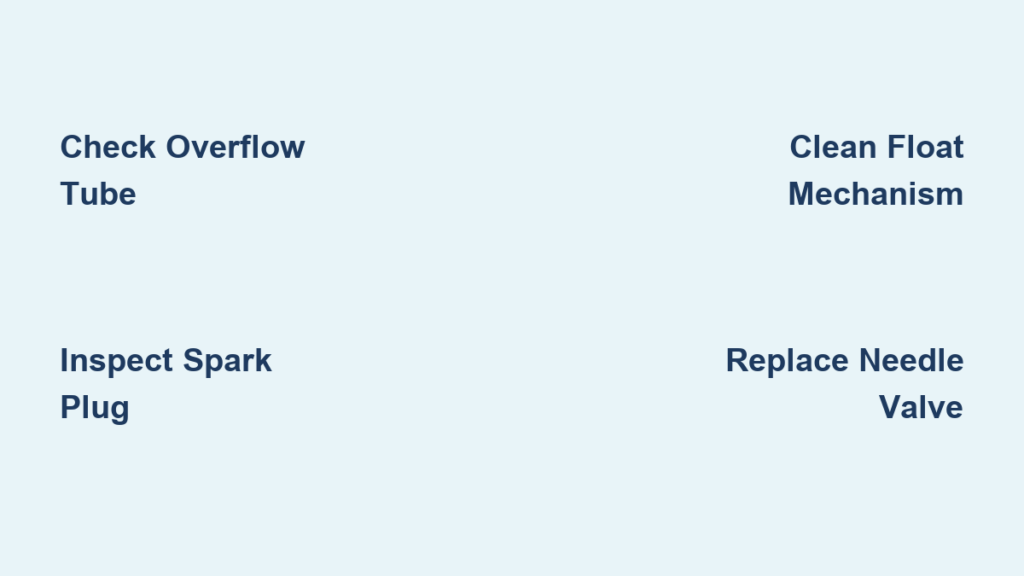
Fuel dripping from your carburetor’s overflow tube is the most obvious sign of a stuck float. This small brass or plastic tube typically runs vertically from the carburetor body down toward the ground. When your float sticks in the open position, fuel continuously flows into the bowl and overflows through this tube. You might notice gasoline pooling beneath your bike while it’s sitting idle or even after you’ve shut it off—a clear indication your float mechanism isn’t regulating fuel properly. This isn’t merely an inconvenience; it creates a serious fire hazard and wastes fuel unnecessarily.
Check for Wet, Blackened Spark Plugs
Remove your spark plug and examine it closely—black, wet deposits signal an overly rich condition caused by excessive fuel entering the combustion chamber. A healthy spark plug should show a light tan or gray coloration, indicating proper fuel mixture. When your float sticks open, raw gasoline washes past the piston rings, contaminating the cylinder walls and fouling the spark plug with carbon deposits. This condition prevents proper ignition and causes hard starting or immediate stalling after the engine fires.
Listen for Flooding Symptoms During Startup
A stuck float often reveals itself during startup attempts. Your dirt bike might crank but refuse to start, or it might fire briefly then stall immediately with a “wet” sounding engine. You’ll likely smell strong gasoline fumes from the exhaust or around the carburetor itself. If you’ve pulled the choke and cranked several times with no success, yet the engine sounds flooded when you attempt to start it, a stuck float mechanism is almost certainly to blame. The excess fuel prevents proper combustion and creates that characteristic flooded engine sound.
Identify Why Your Carb Float Sticks

Old, degraded fuel that has turned to varnish and gum deposits ranks as the primary cause of stuck carburetor floats. Gasoline begins breaking down within 30 days, especially ethanol-blended fuels that attract moisture and deteriorate faster. These sticky residues accumulate around the float’s pivot point and the needle valve seat, eventually binding the mechanism in place. The longer fuel sits in your carburetor, the more likely these deposits will form and cause your float to stick open or closed.
Remove Debris Contamination From Float Mechanism
Dust, dirt, and small particles entering through the air intake or fuel line can settle in the float bowl and interfere with proper float movement. Even a single grain of sand caught between the needle valve and its seat can prevent proper sealing, causing continuous fuel flow. This is why maintaining your air filter and using inline fuel filters significantly reduces the risk of float sticking. Riders in dusty conditions should inspect their carburetors more frequently to catch developing problems before they cause complete failure.
Address Corrosion In Float Bowl Components
Corrosion and rust within metal float bowls present another common challenge, particularly for bikes that sit unused during off-seasons. Moisture exposure causes oxidation on metal components, creating rough surfaces that impede smooth float movement. Check your float for cracks or fuel saturation—if gasoline has leaked inside the float, it becomes heavier than designed and won’t rise properly to shut off fuel flow. This condition creates identical symptoms to a mechanically stuck float, making proper diagnosis essential before attempting repairs.
Confirm Float Problems Before Disassembly
Before removing your carburetor, verify the float issue with simple diagnostic tests. With the fuel petcock turned on but the engine off, watch the overflow tube for several minutes. If fuel drips or streams from it without engine operation, you’ve confirmed the float isn’t sealing the needle valve properly. This visual confirmation saves you unnecessary disassembly if the problem lies elsewhere in your fuel system.
Examine Spark Plug Condition Systematically
Remove your spark plug and evaluate its condition methodically. A wet, black, fuel-soaked plug indicates excessive fuel delivery consistent with a stuck-open float. Dry black deposits suggest different issues like a clogged air filter or incorrect jetting. Consider the complete symptom picture—flooding combined with overflow tube discharge and wet spark plugs provides conclusive evidence of float mechanism failure rather than other potential causes.
Measure Fuel Level At Float Bowl Drain
Perform a precise fuel level check by removing the float bowl drain screw while catching the fuel in a container. The fuel that drains should correspond to your carburetor’s specified level relative to the inlet. If fuel continues flowing after the bowl empties or the level sits abnormally high, your float isn’t regulating properly. Consult your service manual for exact specifications, but generally, fuel flowing continuously or sitting above the inlet neck confirms float regulation failure requiring attention.
Execute Complete Carburetor Cleaning Procedure
When you’ve confirmed a stuck float, begin with thorough carburetor cleaning—this resolves most issues without needing part replacement. Remove the carburetor by disconnecting fuel lines, throttle cables, choke cables, and intake boot. Label each connection during removal to ensure correct reassembly. Place rags beneath the carburetor to catch residual fuel before removing mounting bolts.
Disassemble Float Mechanism Carefully
Remove the float bowl by unscrewing retaining screws (note different lengths for proper reinstallation). Inside, locate the float assembly that pivots on a small pin and operates the needle valve. Gently remove the float pin, then the float itself, followed by the needle valve and seat. Inspect all components for visible damage, corrosion, or excessive wear that might explain the sticking problem before proceeding with cleaning.
Clean All Passages With Proper Tools
Spray carburetor cleaner through all passages while using compressed air to blow out debris. Focus special attention on the tiny passages in main and pilot circuits, plus the float bowl area. The needle valve seat and float pivot pin require thorough cleaning to remove varnish or debris causing sticking. If your carburetor has removable jets, clean them individually with carb cleaner and fine wire—never use metal objects that might enlarge jet holes. For stubborn deposits, soak components in commercial carb dip solution following manufacturer instructions.
Replace Critical Worn Components

After cleaning, inspect the needle valve and seat for grooves, pitting, or wear patterns preventing proper sealing. Even minor imperfections here cause persistent flooding. Check the float for cracks or fuel saturation—if it feels heavy with absorbed gasoline, replace it immediately. The pivot pin should rotate smoothly without burrs or corrosion that impedes float movement.
Install New Needle Valve Assembly Correctly
Replace the needle valve and seat as a matched set rather than individually, as these components wear together and must match precisely. If your carburetor uses a rubber-tipped needle valve, inspect the rubber for cracking or deformation. Many technicians recommend replacing this assembly during every carburetor rebuild since these inexpensive parts commonly cause recurring problems if worn.
Renew All Seals and Gaskets
Check all O-rings, gaskets, and seals for deterioration. Old, brittle gaskets cause vacuum leaks that compound your flooding problems. Replace the float bowl gasket and any other seals showing signs of age. Using a complete rebuild kit ensures you have matching components and eliminates the need for a second disassembly if a worn seal causes problems later.
Test Your Repair Results Thoroughly
After reassembly and installation, test your work methodically. Start with the fuel petcock off, crank the engine to prime cylinders, then turn on fuel and attempt starting. Your bike should start relatively easily and settle into steady idle within seconds. If it floods immediately, your float height may still be too high. If it won’t start or runs lean (popping from exhaust, hesitation), the float might be set too low.
Evaluate Throttle Response Across RPM Range
Allow the engine to warm completely, then test throttle response through the entire RPM range. A properly functioning carburetor delivers crisp acceleration without hesitation, stumbling, or bogging. The engine should rev freely to redline without flat spots. Listen for unusual carburetor sounds—hissing suggests vacuum leaks while sputtering indicates fuel delivery issues requiring further investigation.
Verify No Overflow After Extended Operation
Recheck your overflow tube after several minutes of running. With the engine at operating temperature, watch for any fuel discharge. A properly functioning carburetor should show no fuel flow from this drain. If fuel appears, your float isn’t sealing properly and requires further adjustment or component replacement. Your spark plug should also show healthy coloration after a short test ride, confirming proper fuel mixture restoration.
Prevent Future Carb Float Sticking Problems
Always use fresh fuel—gasoline begins degrading within 30 days, and ethanol-blended fuels deteriorate faster. For bikes sitting more than a few weeks between rides, add fuel stabilizer to the tank and run the engine briefly to circulate it through the carburetor. This prevents varnish formation that causes float sticking and eliminates the need for frequent rebuilds.
Store Your Dirt Bike With Empty Carburetor
Store your dirt bike with an empty carburetor by running it until the engine dies from fuel starvation. This eliminates old fuel sitting in the float bowl where it evaporates and leaves deposits. Alternatively, install a fuel shut-off valve and close it after each ride, then crank until the engine stops to clear fuel from the bowl. Either approach significantly reduces fuel residue that causes sticking issues during storage periods.
Implement Regular Carburetor Inspection Routine
Perform carburetor inspections as part of your maintenance schedule, especially if riding in dusty conditions or using ethanol-blended fuels. Check the overflow tube periodically for discharge signs, and remove/inspect the float bowl annually to catch developing problems early. Keeping your air filter clean prevents debris from entering the carburetor, while using a fuel filter stops tank contaminants from reaching sensitive internal components.