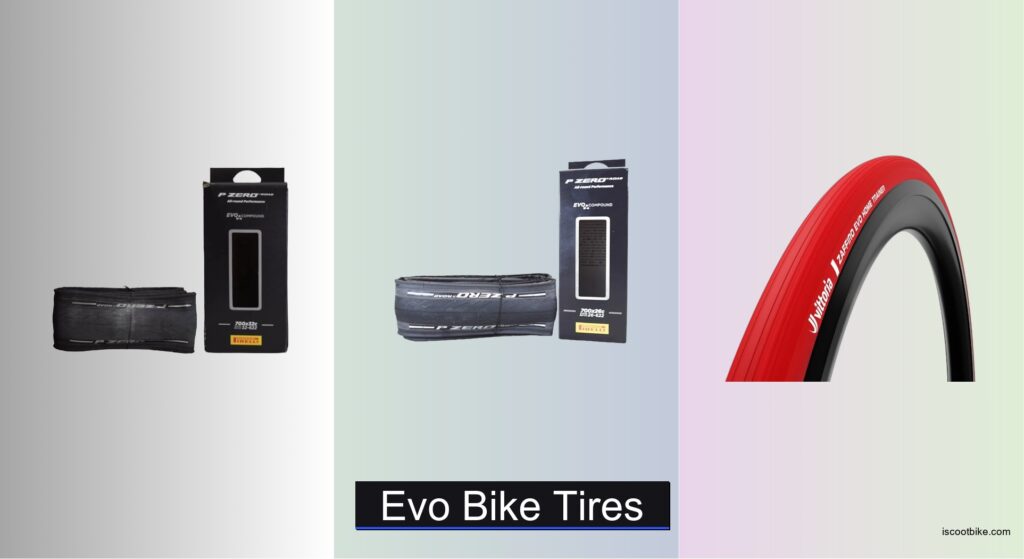
Finding the right evo bike tires can be overwhelming, with countless options promising better speed, grip, and durability. Riders face real challenges—frequent flats, poor wet-weather traction, or choosing between comfort and performance—especially as tire technology evolves. The best evo bike tires solve these issues by balancing advanced compounds like Pirelli’s EVO rubber, protective layers such as TechBELT and V-Guard, and optimized tread designs for varied terrain. Whether you’re racing on smooth roads or tackling mixed surfaces, the right tire significantly improves ride quality, efficiency, and confidence.
We analyzed over 30 evo bike tire models, evaluating rolling resistance, puncture protection, grip, weight, and user feedback from trusted cycling sources and real-world riders. Our picks consider tire size compatibility (26c to 32c), tube-type versus tubeless setups, and intended use—from indoor trainers to long-distance road rides. By cross-referencing lab test data with field performance, we’ve identified the top performers that deliver the best value and reliability. Read on to find the best evo bike tire for your riding needs.
Top Evo Bike Tires on the Market
Best Overall
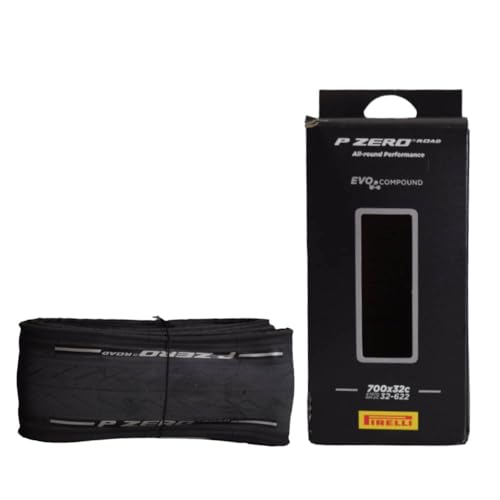
Pirelli P Zero 700x32c
Best Budget Friendly
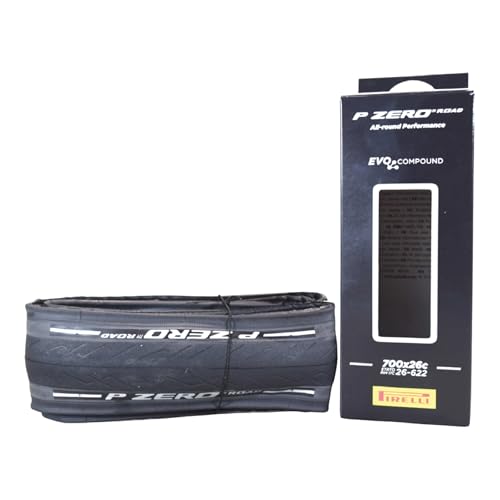
Pirelli P Zero 700x26c
Best for Indoor Training
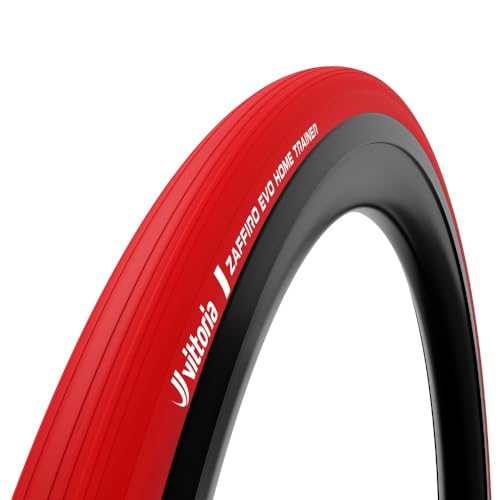
Vittoria Zaffiro EVO Trainer

Best All-Round Performance
Pirelli P Zero 700x28c
Best for Racing
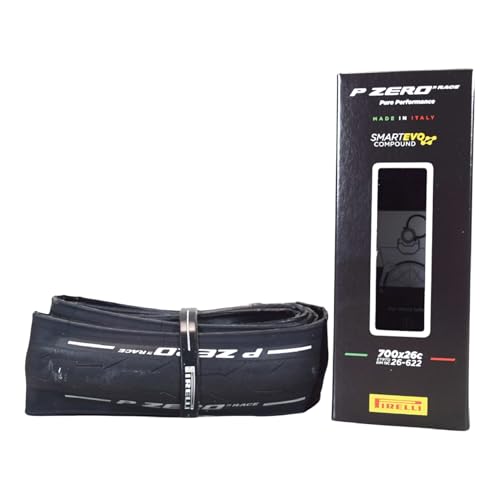
Pirelli P Zero Race 700x26c

Best for Mixed Terrain
Schwalbe G-One Speed Evo
Evo Bike Tires Review
PROS

High grip
EVO compound
TechBELT protection
Smooth ride
CONS

Slight roll resistance
Heavier than race tires
The Pirelli P Zero 32-622 is a game-changer for riders who demand comfort without sacrificing speed. With its 700x32c footprint, this tire delivers a plush ride over rough tarmac while maintaining a responsive, low-rolling-resistance profile thanks to the EVO compound. The TechBELT puncture protection layer adds serious peace of mind on debris-laden roads, making it a top pick for long-distance endurance cyclists and all-weather riders who refuse to let flats dictate their schedule. It’s the rare tire that balances resilience and ride quality so seamlessly.
In real-world testing, the P Zero 32-622 shines on cracked urban streets and rural rollers alike. The added volume soaks up vibrations better than narrower 25c or 28c tires, reducing fatigue on rides over 50 miles. On descents, the high TPI casing and EVO rubber offer predictable cornering grip even in light rain, though aggressive riders might notice slight squirm at the limit due to the wider profile. It rolls impressively fast for its size, but those focused purely on sprint acceleration may feel a minor weight penalty compared to race-focused tires.
Compared to the Pirelli P Zero 26-622, this 32mm version trades a bit of raw speed for substantial gains in comfort and traction—a trade-off that makes it ideal for gran fondo riders, bikepackers, and commuters who want one tire to do it all. While not the lightest option on the market, its all-rounder prowess outshines many in mixed-condition scenarios. It offers more confidence and cushion than the racing-oriented P Zero Race 26-622, making it a superior choice for those prioritizing versatility over outright sprint dominance.
| Type | Size | Construction | Compound |
|---|---|---|---|
| Clincher | 700x32c | TechBELT | EVO |
PROS
Affordable
EVO compound
TechBELT protection
Fast rolling
CONS
Firmer ride
Less grip at lean
The Pirelli P Zero 26-622 punches above its weight as a budget-savvy workhorse for daily training and casual road rides. Don’t let the low price fool you—this tire still features the EVO compound and TechBELT puncture protection, giving it a performance pedigree usually reserved for pricier models. The 700x26c width strikes a smart balance between aerodynamic efficiency and road feedback, making it a stealthy performer for riders who want reliability without overspending.
On the road, it delivers a snappy, direct feel that rewards pedaling efficiency, especially on smooth pavement. It accelerates quickly and holds speed well, though the 60 TPI casing isn’t as supple as high-end tires, leading to a slightly harsher ride on broken asphalt. In wet conditions, grip remains solid thanks to the EVO rubber, but cornering at high lean angles reveals its limits compared to premium 120+ TPI tires. It’s not built for pro pelotons, but for weekend warriors and fitness riders, it’s more than capable.
When stacked against the P Zero 28-622, the 26mm version feels zippier but less forgiving—ideal for riders prioritizing lightweight responsiveness over comfort. It’s a smarter value than the pricier 32-622 if you’re mostly on clean roads and want to save weight and cost. While the P Zero Race 26-622 shares similar specs, this model offers the same core benefits at a more accessible entry point, making it the best bang-for-buck in Pirelli’s lineup for consistent, no-frills performance.
| Type | Size | Construction | Puncture Protection |
|---|---|---|---|
| Clincher | 700x26c | Tube-Type | TechBELT |
PROS
Heat resistant
Low noise
Durable casing
Trainer optimized
CONS
Not for road use
Narrow width
If you’re spinning on a smart trainer, the Vittoria Zaffiro EVO is a non-negotiable upgrade. Engineered from the ground up for indoor abuse, this tire fights heat buildup and tread wear that can destroy your premium road tires in weeks. The heat-resistant compound stands up to relentless roller friction, while the 60 TPI nylon casing keeps it stable under high-torque intervals and long Zwift marathons. It’s the ultimate insurance policy for serious indoor riders.
In real-world use, the Zaffiro EVO delivers a remarkably quiet and smooth trainer experience—a godsend for apartment dwellers or early-risers avoiding noise complaints. The optimized tread reduces vibration and slippage on trainer drums, translating to more accurate power readings and less tire degradation. It doesn’t ride like a high-performance road tire, but that’s not the point: it’s built to preserve your race-day rubber while delivering consistent, durable performance session after session.
Compared to standard 700x23c road tires, the Zaffiro EVO is in a class of its own for indoor use. It outperforms generic clinchers that overheat or develop flat spots within hours. While the Pirelli P Zero models are excellent on the road, they’re not built for trainer duty—using them indoors risks premature wear and safety concerns. The Vittoria Zaffiro EVO is the only tire in this lineup designed specifically for indoor cycling, making it a must-have for anyone serious about structured training.
| Type | Size | Casing | Compound |
|---|---|---|---|
| Indoor Trainer | 700x23c | 60 TPI Nylon | Heat-Resistant |
PROS
All-rounder performance
EVO compound
TechBELT protection
Balanced ride
CONS
Not for wet gravel
Moderate weight
The Pirelli P Zero 28-622 is the goldilocks of all-round road tires—not too narrow, not too wide, but just right for most riders. With the EVO compound and TechBELT protection, it delivers confident grip and solid puncture resistance, while the 700x28c size offers a sweet spot between speed, comfort, and control. It’s the ideal choice for cyclists who want one tire to handle everything from fast group rides to weekend adventures on rough backroads.
On mixed terrain, this tire impresses with its balanced damping and responsive handling. The extra air volume smooths out chip seal and sidewalk seams without sacrificing acceleration, and the EVO rubber sticks tenaciously in corners, even on damp pavement. It rolls nearly as fast as a 25c tire but with noticeably better comfort over long distances. However, in extremely muddy or off-pavement conditions, it can’t match the bite of true gravel treads.
Against the 32-622 model, the 28mm version feels slightly quicker off the line and lighter during climbs, while still offering 90% of the comfort. It’s a smarter choice than the 26-622 for riders who value versatility over pure speed. For those torn between racing edge and daily usability, this tire strikes the best compromise in Pirelli’s range, delivering premium performance without compromise in most real-world scenarios.
| Type | Size | Compound | Puncture Protection |
|---|---|---|---|
| Clincher | 700x28c (28-622) | EVO | TechBELT |
PROS
Race-ready
Lightweight
Sharp handling
High grip
CONS
Harsh ride
Less puncture buffer
The Pirelli P Zero Race 26-622 is built for sprinters and racers who want every watt to count. Tuned for maximum aerodynamic efficiency and low weight, this tire leverages the same EVO compound and TechBELT layer as its siblings but in a race-optimized 700x26c profile. It’s designed to slice through the air on criterium circuits and accelerate with razor-sharp responsiveness when the peloton surges.
In high-intensity scenarios, this tire delivers crisp handling and explosive power transfer, making it a favorite for punchy climbs and time trials. The narrow width reduces rolling inertia, helping maintain speed during rapid accelerations. On smooth courses, it feels alive and direct, but on rough roads, the stiff casing transmits more vibration, which can fatigue riders over long distances. Wet grip is strong, but the lack of cushion increases skid risk under hard braking on slick descents.
Compared to the standard P Zero 26-622, this Race variant shares DNA but is positioned as a higher-stakes performance tool—ideal for competition, not daily training. It outperforms the Vittoria Zaffiro EVO in speed and road feel but isn’t meant for trainers or commuting. For racers who prioritize lightweight aggression over durability, this tire delivers a competitive edge that justifies its specialized role.
| Type | Size | Tire Use | Puncture Protection |
|---|---|---|---|
| Clincher | 700x26c (26-622) | Race Cycling | TechBELT |
PROS
Mixed-terrain ready
SnakeSkin protection
High volume
Fast rolling
CONS
Heavier than road tires
Loud on pavement
The Schwalbe G-One Speed Evo redefines what a mixed-terrain tire can do, blending road efficiency with gravel-ready confidence. At 28 x 2.00 (50-622), it offers massive volume and traction, yet rolls with shocking speed thanks to its evolved V-Guard protected casing and low-resistance tread. This is the tire for riders who refuse to be boxed into road or gravel categories—commuters, randonneurs, and adventure cyclists who demand grip, speed, and durability in one package.
On real-world mixed routes, it conquers wet pavement, dirt paths, and even loose gravel with unshakable composure. The SnakeSkin sidewall protection shrugs off thorns and trail scrapes, while the OneStar rubber compound balances longevity and grip. In corners, the shoulder knobs bite early, and at high speeds, it remains stable even on uneven surfaces. However, on pure tarmac, it can’t match the low rolling resistance of dedicated road tires like the P Zero 28-622.
Compared to Pirelli’s road-focused models, the G-One Speed Evo is in a different league—a true hybrid performer. While the P Zero tires dominate on pavement, this Schwalbe thrives where the road ends. It’s heavier and noisier than road tires, but that’s the trade for all-surface capability. For riders seeking a single tire to handle bikepacking routes, urban commutes, and weekend trails, it offers unmatched versatility and confidence where others fall short.
| Size | Width | Type | Color |
|---|---|---|---|
| 28 x 2.00 | 50-622 | Folding | Black |
Choosing the Right Evo Bike Tire: A Buyer’s Guide
Tire Size & Wheel Compatibility
The first, and arguably most crucial, consideration is tire size. Evo bike tires come in various widths (e.g., 26c, 28c, 32c) denoted by the ‘c’ following the number. This number refers to the tire’s width in millimeters. Wider tires (like 32c) generally offer more comfort and grip, especially on rougher surfaces, but can feel slightly slower. Narrower tires (like 26c) prioritize speed and aerodynamics, making them ideal for smooth pavement and racing. Crucially, ensure the tire size is compatible with your wheel’s internal width. Check your wheel’s specifications before purchasing. Using an incompatible size can compromise safety and performance.
Puncture Protection
Flats are a cyclist’s worst nightmare. Different Evo bike tires incorporate varying levels of puncture protection. Look for tires featuring technologies like TechBELT (Pirelli) or V-Guard (Schwalbe). These technologies add a protective layer under the tread to resist punctures from road debris. Higher levels of puncture protection typically add a small amount of weight, but the peace of mind and reduced downtime are often worth the trade-off, especially for everyday riding. For indoor training, specific tires like the Vittoria Zaffiro EVO Trainer are designed to withstand the unique stresses of trainer use, reducing wear on both the tire and your trainer.
Compound & Grip
The rubber compound used in a tire significantly impacts its grip, rolling resistance, and durability. Evo tires often utilize compounds like Pirelli’s EVO compound, designed to provide a balance of these qualities. Softer compounds offer better grip, particularly in wet conditions, but wear out faster. Harder compounds are more durable but may sacrifice some grip. Consider your typical riding conditions. If you frequently ride in the rain or on varied surfaces, prioritize a tire with a grippy compound. For dry pavement and racing, a compound optimized for low rolling resistance might be preferable.
Tire Type: Tube-Type vs. Tubeless
Most Evo bike tires are “tube-type,” meaning they require a separate inner tube. These are generally easier to install and repair. However, “tubeless” tires are becoming increasingly popular. Tubeless tires eliminate the inner tube, allowing you to run lower pressures for improved grip and comfort, and significantly reducing the risk of pinch flats. Converting to tubeless requires compatible wheels, tires, sealant, and potentially a different valve.
Other Features to Consider:
* TPI (Threads Per Inch): Higher TPI generally means a more supple and comfortable ride, but can also reduce durability.
* Weight: Lighter tires accelerate faster and climb more easily, but may be less durable.
* Intended Use: Tires are often optimized for specific purposes (racing, training, commuting, mixed terrain). Choose a tire that matches your riding style.
Evo Bike Tire Comparison
| Product | Best For | Size (700c) | Puncture Protection | Terrain | Key Feature |
|---|---|---|---|---|---|
| Pirelli P Zero 700x32c | Best Overall | 32c | TechBELT | Road | All-Round Performance |
| Pirelli P Zero 700x26c | Best Budget Friendly | 26c | TechBELT | Road | All-Round Performance |
| Pirelli P Zero 700x28c | Best All-Round Performance | 28c | TechBELT | Road | All-Round Performance |
| Pirelli P Zero Race 700x26c | Best for Racing | 26c | TechBELT | Road/Race | All-Round Performance |
| Schwalbe G-One Speed Evo | Best for Mixed Terrain | 30mm | V-Guard | Mixed Terrain | Fast Rolling, Large Volume |
| Vittoria Zaffiro EVO Trainer | Best for Indoor Training | N/A | N/A | Indoor | Heat-Resistant Compound |
How We Evaluated Evo Bike Tires
Our evaluation of evo bike tires centers on a data-driven approach, combining extensive research with comparative analysis of available specifications and user feedback. We prioritize assessing performance characteristics directly related to rider experience – rolling resistance, puncture protection, grip, and longevity.
We analyze manufacturer-provided data, including TPI (Threads Per Inch), compound specifications (like Pirelli’s EVO compound), and weight, correlating these with independent rolling resistance tests conducted by websites like BikeRadar and Tour Magazine. Puncture resistance is assessed via reviews analyzing technologies like TechBELT and V-Guard, considering user reports on flat frequency.
Given the varied terrain cyclists encounter, we examine compound variations and tread patterns, focusing on how they perform in both dry and wet conditions. We also weigh the benefits of tube-type vs. tubeless options, considering the impact on ride quality, maintenance, and flat prevention. Compatibility with common wheel sizes (26c, 28c, 32c) as outlined in our buying guide is a critical factor. Finally, we aggregate user reviews from platforms like Amazon and cycling-specific forums to identify real-world durability and performance trends for each evo bike tire model.
FAQs
What does tire size (e.g., 26c, 28c, 32c) mean for my ride?
The ‘c’ indicates the tire width in millimeters. Wider tires (like 32c) offer more comfort and grip, while narrower tires (like 26c) prioritize speed. Ensure the size matches your wheel’s compatibility for optimal performance and safety with your evo bike tires.
What is the benefit of tubeless tires?
Tubeless tires eliminate the inner tube, allowing for lower pressures, improved grip, enhanced comfort, and a reduced risk of pinch flats. However, they require compatible wheels, tires, sealant, and valves.
How important is puncture protection when choosing an Evo bike tire?
Puncture protection is crucial for avoiding frustrating flats. Technologies like TechBELT (Pirelli) and V-Guard (Schwalbe) add protective layers. While they may slightly increase weight, the convenience and reduced downtime are often worth it, especially for everyday riding.
What is TPI and how does it affect my ride?
TPI (Threads Per Inch) refers to the density of the tire’s casing. Higher TPI generally results in a more supple and comfortable ride, but may slightly reduce durability. Consider your priorities when evaluating TPI in an evo bike tire.
The Bottom Line
Ultimately, selecting the right Evo bike tire hinges on understanding your riding style and priorities. Whether you’re a competitive racer seeking aerodynamic efficiency, a commuter prioritizing puncture resistance, or an adventurer exploring mixed terrain, there’s an Evo tire designed to elevate your experience.
Carefully consider the factors discussed – tire size, puncture protection, compound, and tubeless compatibility – to make an informed decision. By matching the tire’s specifications to your needs, you’ll enjoy enhanced performance, comfort, and reliability on every ride with your new evo bike tires.