Choosing the wrong tire width leaves you fighting your bike on rough terrain while wasting energy that could be propelling you forward. Many gravel riders stick with whatever came on their bike or copy what they see others using, unaware that a simple tire swap could transform their riding experience. The difference between a 35mm and 50mm tire fundamentally changes how your bike handles chunky roads, rolls over loose gravel, and corners with confidence. This guide gives you the exact framework to select the perfect tire width based on your specific bike, riding style, and terrain—so you stop guessing and start riding faster, smoother, and with more control.
Modern gravel bikes accommodate tire widths from 35mm to over 60mm, reflecting how dramatically gravel riding has evolved. Just ten years ago, cyclists debated whether 25mm or 28mm tires were ideal for “gravel grinding.” Today, the industry has shifted toward wider rubber as we’ve learned that properly set up wide tires are actually faster on all but the smoothest surfaces. Before you make your next tire purchase, you need to understand why width matters so much for gravel performance and how to match it to your specific needs.
Stop Losing Power to Rough Terrain With Proper Tire Width

Fix Vibration Absorption Through Lower Pressure
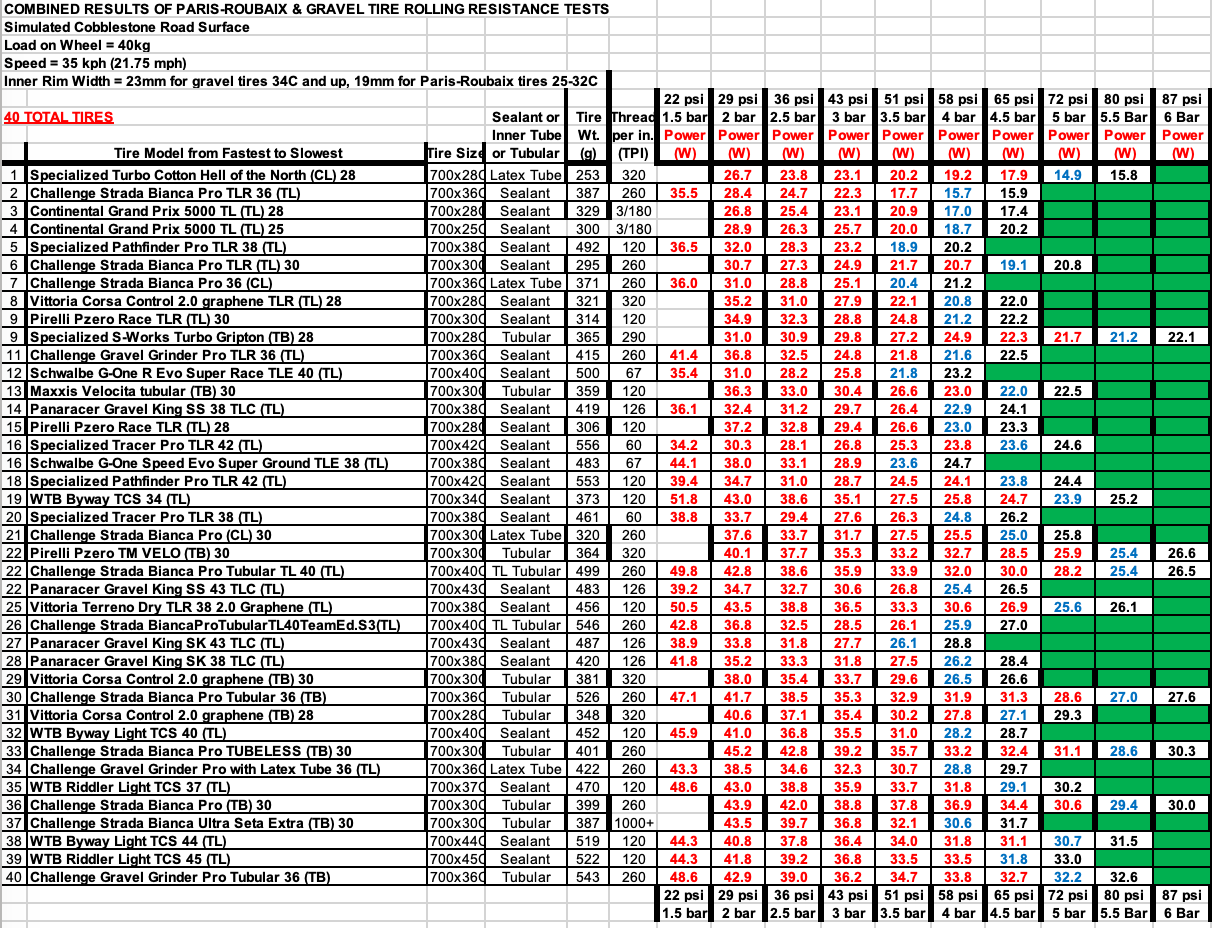
Narrow tires inflated to high pressure transmit every bump directly into your body, wasting your energy through what engineers call “suspension losses.” When your tire encounters a bump, it either deflects to absorb the impact or forces you and your bike to jostle over it. Wider tires allow you to run lower pressures safely, letting the tire absorb vibrations rather than your body. This isn’t just about comfort—it directly impacts your speed.
Testing reveals stunning results: on rough surfaces like highway rumble strips, excessive tire pressure can cost you over 150 watts of power output. Compare this to premium aero wheels that might save you just 2 watts at typical gravel speeds, and you’ll see why optimizing tire width delivers far greater performance gains than expensive equipment upgrades. For genuine gravel riding, wider tires at lower pressure let you maintain speed with less effort on rough surfaces.
Eliminate Speed Loss on Loose Gravel Surfaces
If you’re leaving deep tracks in loose gravel, you’re losing significant speed by displacing material with every rotation. Wider tires distribute your weight across a larger contact patch, preventing the deep sinking that occurs with narrow tires. This principle works exactly like runaway truck ramps on mountain passes—loose gravel stops massive trucks because tires sink deep, displacing enormous amounts of material and losing tremendous energy quickly.
Your gravel tires follow the same physics. Riders with power meters often discover they need 10% more power to maintain speed on loose gravel when tires are too narrow or overinflated. The solution? Wider tires at appropriate pressures leave minimal tracks, indicating you’re rolling efficiently rather than plowing through the surface. This translates directly to sustained speed when the road gets rough.
Select Your Exact Tire Width Range Based on Riding Style
Match 35-40mm Tires to Pavement-Dominant Rides
Choose 35-40mm tires only if your rides involve significant pavement with occasional smooth gravel sections. These narrower options provide better on-road performance and efficiency for commuters who take gravel shortcuts or riders who frequently join road cycling groups. They’re lighter and roll more easily on pavement, but sacrifice the comfort and grip advantages needed for serious gravel riding.
Critical limitation: You cannot run these narrow tires at the low pressures necessary for vibration absorption on chunky gravel without risking pinch flats. If your gravel riding includes anything beyond well-maintained fire roads, skip this range entirely.
Choose 40-50mm Tires for True Gravel Versatility
The 40-50mm range delivers the best all-around performance for most gravel riders and matches what most stock gravel bikes come equipped with. These widths provide enough volume to run lower pressures for rough roads while remaining narrow enough to perform reasonably well on pavement sections. Most gravel frames are designed specifically for this range, ensuring adequate clearance without compromising handling.
Pro tip: If you want one tire setup that handles everything from smooth gravel to moderately rough back roads without feeling outmatched, start with 45mm tires. They offer the optimal balance for riders who want versatility without managing multiple tire sets.
Install 50mm+ Tires for Maximum Rough-Terrain Performance
Tires exceeding 50mm provide exceptional vibration absorption and flotation on loose surfaces by allowing even lower pressures without risking pinch flats. Serious gravel riders increasingly choose these widths for ultimate grip and comfort on rough, chunky terrain. Bikepackers and ultra-distance riders favor them for the comfort benefits during multi-day adventures.
When to go wide: If your gravel riding regularly includes baby-head rocks, deep sand, or chunky forest roads, 50mm+ tires will make you faster and more comfortable. Racers tackling notoriously rough events like Unbound in the Kansas Flint Hills frequently select tires in this range.
Verify Your Bike’s Physical Tire Width Limitations

Measure Exact Frame Clearance Before Buying
Your bike determines your maximum possible tire width—you can’t install what won’t fit. Modern gravel bikes typically accommodate at least 45mm tires, with many frames designed for 50-55mm widths. Some ultra-endurance models handle tires up to 60mm. The absolute minimum clearance requirement is 6mm between the tire and frame/fork to prevent rubbing.
Critical mistake to avoid: Tire widths often vary from their labeled size based on rim width. A 50mm tire might measure only 47-48mm on a narrow rim but reach full width on a wider rim. Always measure with your specific rim setup and add extra clearance for mud buildup in wet conditions.
Match Tire Width to Your Rim Internal Dimensions
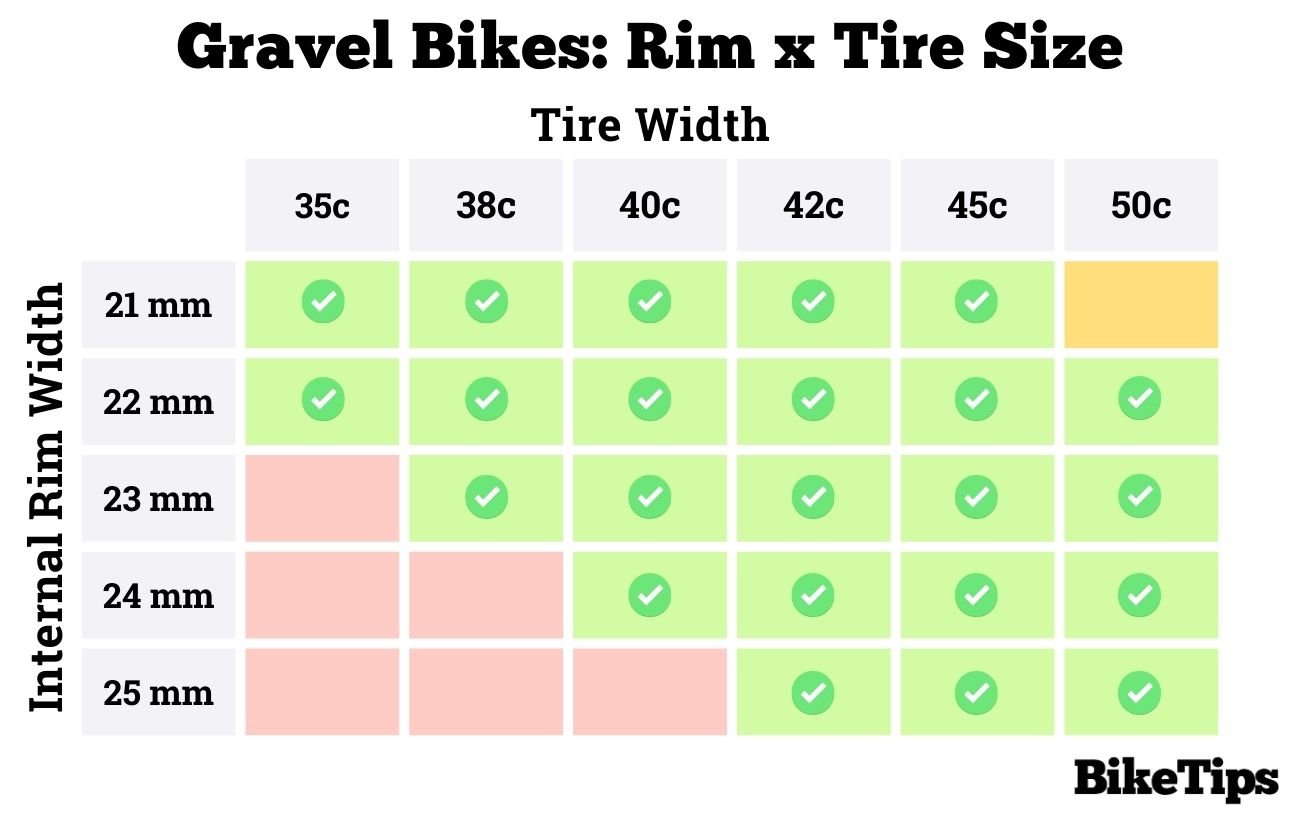
Your rim’s internal width significantly affects which tire widths perform optimally. Follow this rule: your rim’s internal width should be 40-80% of your tire’s width. For example:
- 40mm tire → 16-32mm internal rim width
- 50mm tire → 20-40mm internal rim width
Warning: A tire on an excessively narrow rim may feel unstable during aggressive cornering, while one on too wide a rim may feel harsh and be more susceptible to sidewall damage. Consult your rim manufacturer’s specifications before purchasing.
Optimize Tire Pressure for Your Chosen Width
Tire pressure works hand-in-hand with width selection and requires personal adjustment. Wider tires allow lower pressures, which improves comfort and speed on rough terrain, but going too low creates excessive deflection during pedaling—similar to suspension bob on mountain bikes.
Your pressure adjustment process:
1. Start with a calculator from Sram, Silca, or Wolf Tooth
2. Ride and assess: too much vibration? Let out air
3. Feeling sluggish on pavement? Add pressure
4. Find the sweet spot where impacts absorb efficiently while maintaining responsive feedback
Stronger riders generating high sprinting power often prefer slightly higher pressures, while steady-state riders can typically run lower pressures.
Debunk Common Wide Tire Myths That Hold You Back
Ignore Aero Worries at Gravel Speeds
Many riders mistakenly believe wider tires create excessive drag. Testing shows this concern is unfounded for typical gravel riding speeds—even a 6mm width increase has negligible aerodynamic impact. As long as your tires remain narrower than your bike’s down tube (which they almost always will), aero optimization matters far less than proper width selection.
Disregard Minor Weight Differences
The weight difference between narrow and wide tires is real but insignificant compared to performance benefits. A wider tire typically weighs just 50-100 grams more than a narrower option—negligible when considering total bike and rider weight. The rolling resistance and comfort improvements from wider tires far outweigh this minimal penalty.
Trust That Wider Is Actually Faster on Gravel
The myth that “wider tires are slower” stems from outdated testing on smooth surfaces. On genuine gravel terrain, wider tires are faster due to reduced suspension losses. The only valid reasons to choose narrower tires are frame clearance limitations, primarily pavement riding, or personal preference for handling feel.
Finalize Your Perfect Tire Width in 3 Steps
- Determine your bike’s maximum physical capability by measuring frame and fork clearance with your specific rims
- Match width to your primary terrain—40-50mm for most riders, 50mm+ for rough conditions, 35-40mm only for pavement-dominant riding
- Prioritize casing quality over maximum width—premium tires with supple casings in moderate width outperform budget wide tires
The perfect tire width for you is the widest option your bike can accommodate for your typical terrain, paired with the appropriate pressure. Start with this width, experiment with pressure settings, and refine based on your specific needs. This approach ensures you ride with maximum confidence, comfort, and speed on the gravel terrain you love.