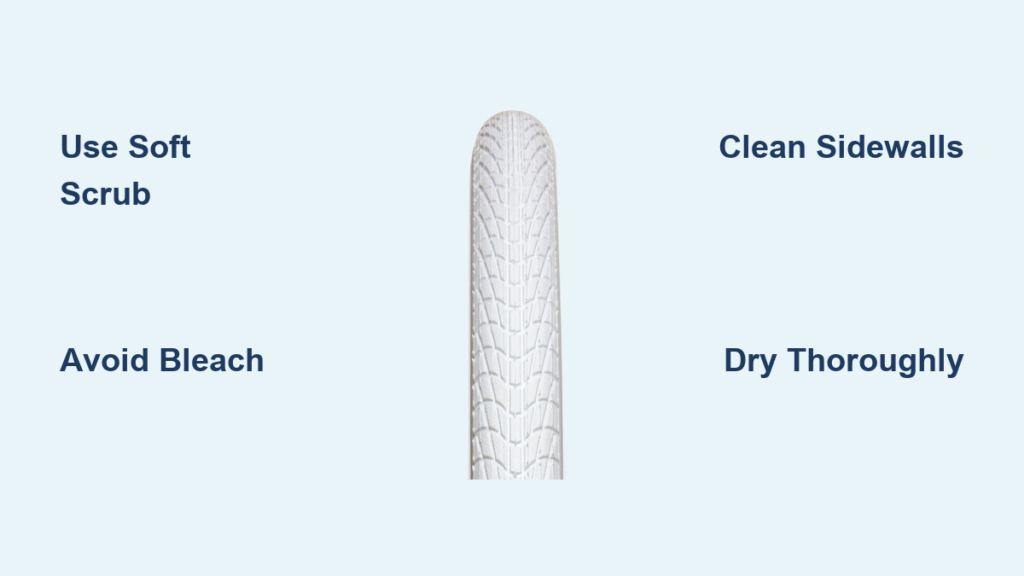
White bike tires make any bicycle stand out on the road, but that eye-catching appearance comes with a trade-off. Unlike standard black tires that hide dirt and grime effortlessly, white rubber shows every bit of road residue, brake dust, and weather damage the moment you roll out of the driveway. What looks brilliantly white after a fresh install transforms to dingy gray and yellow within just a few rides, leaving many cyclists frustrated with the constant maintenance these tires demand. The good news is that keeping white bike tires bright and clean doesn’t require expensive professional services or harsh chemicals that damage the rubber. With the right approach, proper supplies, and consistent care, you can maintain that showroom-fresh appearance while actually extending your tire’s lifespan through regular inspection and maintenance.
This guide walks you through everything you need to know about cleaning white bike tires, from selecting the most effective commercial products and household alternatives to the step-by-step process that professional bike mechanics use. You’ll learn which products actually work, which ones to avoid, and how to establish a maintenance routine that keeps your tires looking great between cleanings. Whether you’re dealing with lightly soiled tires that need a quick refresh or neglected rubber that requires aggressive treatment, the techniques covered here will restore and protect your white tires effectively.
Why White Bike Tires Need Special Care
White bike tires present unique maintenance challenges that black tires simply don’t face. The light-colored rubber compound used in white tires contains different additives and pigments than black tires, making them more porous and more susceptible to staining from road grime, oil, brake dust, and environmental contaminants. Every bit of dirt that lands on a white tire immediately becomes visible, creating an appearance of neglect even when the rest of your bike remains clean. This visibility means white tires require more frequent attention to maintain the same standard of appearance that black tires achieve with minimal effort.
Beyond aesthetics, regular cleaning of white tires serves a practical purpose that many cyclists overlook. Each cleaning session provides an opportunity to inspect tire condition thoroughly, identifying embedded debris, developing cracks, uneven wear patterns, or other damage before these issues cause flats or sudden tire failure on the road. The same grime that makes white tires look bad can also accelerate rubber degradation by trapping moisture and corrosive substances against the tire surface. By keeping white tires clean, you’re not just maintaining their appearance—you’re actively protecting your investment and ensuring safer rides.
Gather Essential Cleaning Supplies
Having the right supplies ready before you start cleaning makes the process faster, more effective, and safer for your tires. Professional-grade commercial cleaners designed specifically for white rubber outperform general-purpose products by cutting through accumulated grime without damaging the tire surface. Simple Green Max Automotive has earned strong recommendations from bike enthusiasts for its ability to handle road grime, brake dust, oil, and everyday dirt while remaining gentle enough on whitewall tires to avoid causing harm. This product also offers the advantage of being safe to overspray on nearby chrome, aluminum, and painted surfaces, protecting your bike’s other components during the cleaning process.
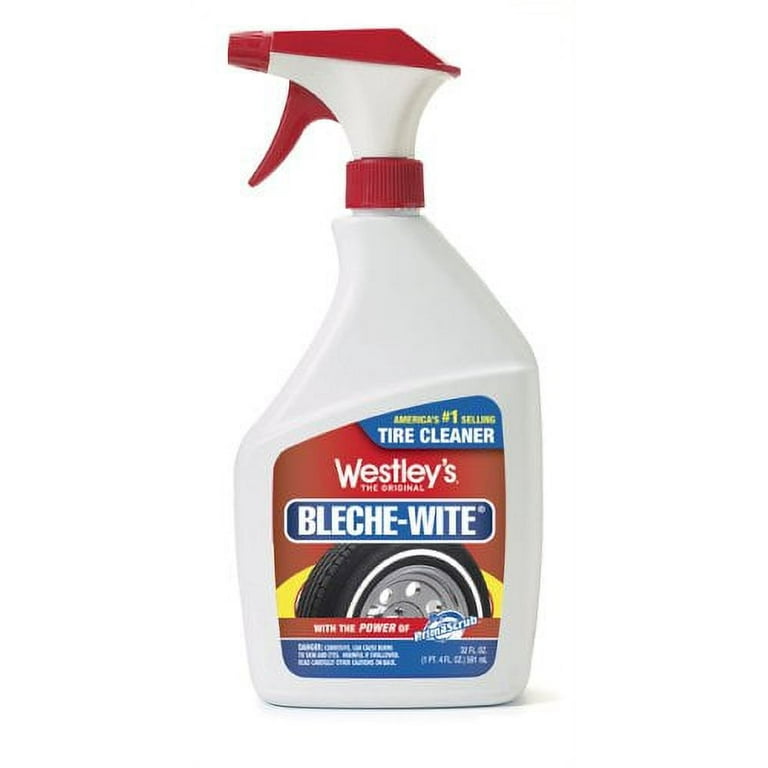
Specialized tire cleaners like Wesley’s Bleche-White receive consistent praise from the cycling community for their effectiveness on white rubber. Many experienced riders recommend combining this product with Soft Scrub or Comet Powder for stubborn stains that single products can’t tackle alone. The combination approach addresses both surface contamination and deeper discoloration that develops over time, particularly on tires that have been neglected or exposed to harsh conditions.
Household Cleaners That Actually Work
When commercial products aren’t readily available or you prefer cost-effective alternatives, several household items have proven surprisingly effective for cleaning white bike tires. Soft Scrub containing bleach appears repeatedly in recommendations from cyclists who have tested it across various white tire brands including Hwa Fong tires. The mild abrasive action combined with the bleaching agent tackles both surface dirt and deeper staining without the harshness of pure bleach or other damaging chemicals. Application is straightforward—apply with a nylon bristle brush, work the cleaner into the tire’s surface thoroughly, and rinse completely with clean water.
Ultra Brite toothpaste offers an unexpectedly effective and economical solution that has surprised many cyclists with its cleaning power. One cyclist discovered that using toothpaste with a scrub brush while tires were in the washing machine produced excellent results, leaving tires not only clean but smelling pleasantly fresh. At approximately one dollar per tube, this represents one of the most cost-effective cleaning options available, and the mild abrasives in toothpaste work similarly to those in specialized tire cleaners without any risk of chemical damage.
Prepare Your Bike for Cleaning
Proper preparation dramatically improves cleaning efficiency and protects both your bike and your tires during the process. Removing both wheels and securing them on a bicycle stand provides unrestricted access to all tire surfaces, including the difficult-to-reach areas that remain hidden when wheels are mounted on the bike. This complete access allows you to clean every section of the tire thoroughly and inspect the rubber condition without awkward positioning or missed spots. The time invested in proper setup pays dividends in cleaning effectiveness and overall results.
Ensure your tires are cool and dry before applying any cleaning products. Cleaning tires immediately after riding when they’re still hot from friction can affect cleaner performance and potentially cause thermal shock to the rubber, leading to micro-cracks or other damage over time. Similarly, working on wet tires dilutes cleaning products and reduces their effectiveness, requiring more product and more effort to achieve satisfactory results. Waiting for tires to cool and dry naturally, or wiping them dry with a clean towel before cleaning, optimizes the conditions for effective cleaning.
Scrub and Rinse Your Tires Effectively
Begin each cleaning session by thoroughly rinsing the tire with water to remove loose dirt, debris, and surface contamination. This initial rinse prevents scratching during the scrubbing phase by eliminating particles that could act as abrasives, and it allows you to identify particularly stubborn areas requiring additional attention. A simple garden hose or spray nozzle works well for this purpose, ensuring water reaches into tread grooves and around the tire beads where debris commonly accumulates.
Apply your chosen cleaner generously, saturating the entire tire surface to ensure even coverage and adequate dwell time for the product to penetrate accumulated grime. For commercial products like Simple Green Max Automotive, allowing the cleaner to sit for one to two minutes before scrubbing significantly improves cleaning effectiveness. This dwell time allows the surfactants and cleaning agents to break down the bond between dirt and rubber, reducing the physical effort required during scrubbing and improving overall results.
Scrub thoroughly using a soft-bristled brush or scrubbing pad, working the cleaner into all tire surfaces with deliberate circular motions that cover the entire cleaning area systematically. Pay particular attention to the tread grooves where debris accumulates and to the sidewalls where the most visible dirt collects on white tires. For heavily soiled tires requiring more aggressive cleaning, a nylon bristle brush provides additional scrubbing power while still remaining gentle enough to avoid damaging the rubber surface. Work methodically around the tire, ensuring you cover every section without missing spots that might require additional attention.
Dry and Protect Your Clean Tires
After rinsing, drying the tires completely prevents water spots and prepares the rubber for any protectant applications you choose to use. Microfiber or terry cloth towels prove ideal for this purpose, providing excellent moisture absorption while remaining gentle on the cleaned tire surface. Work systematically around the tire, pressing the towel firmly to absorb water without rubbing in a way that might disturb the cleaned surface. For accelerated drying, a fan or hair dryer on a low heat setting can be used, starting from the top and pushing residual water downward and off the tire.
Consider applying a quality tire protectant or dressing after cleaning to help prevent UV damage and slow future discoloration. While these products serve primarily aesthetic purposes and don’t improve tire performance, they create a protective barrier that helps maintain the clean appearance longer between washings. Select products specifically designed for bicycle tires, as automotive tire dressings may contain chemicals inappropriate for bike rubber. Follow product directions carefully for application, ensuring the tire is completely dry before applying any protectant and allowing the product to set fully before riding.
Alternative Cleaning Methods for Stubborn Stains

For white tires that have been neglected or exposed to severe conditions, standard cleaning methods sometimes require reinforcement to achieve satisfactory results. Some cyclists have experimented with washing machine cleaning with reported success, particularly for removable tires that fit within the machine without compromising their shape or structure. One cyclist discovered that placing a pair of dirty white tires in the washing machine provided an excellent platform for using a scrub brush while water was available, with the combination of mechanical agitation and fresh water producing impressive results. However, this method requires careful consideration of temperature and detergent selection to avoid damaging the rubber.
A dishwasher offers a potentially superior alternative to the washing machine for cleaning removable bike components including tires. The enclosed space and controlled water spray provide effective cleaning with less risk than traditional machine washing, and the dishwasher’s heating element helps dry the tires more completely afterward. This method works best for tires that can be removed from the bike and are compatible with the dishwasher environment, making it particularly useful for cyclists who maintain multiple sets of tires or need to deep clean severely neglected rubber.
Avoid These Common Cleaning Mistakes
Harsh chemicals might seem like logical choices for whitening discolored tires, but they actually cause the yellowing and degradation you’re trying to eliminate. Bleach and alcohol strip away the rubber’s natural conditioners and UV protectants, leaving the tire more susceptible to environmental damage. While these products might provide temporary whitening, the accelerated degradation they cause results in tires that look worse more quickly, creating a cycle of increasingly aggressive cleaning that shortens tire life dramatically. Avoid these chemicals entirely in favor of gentler alternatives that clean without damaging.
Cleaning white tires over rough surfaces like asphalt or concrete causes pitting and micro-abrasions that accelerate wear and create areas where dirt accumulates more readily. The pressure applied during scrubbing forces the tire rubber against these abrasive surfaces, creating tiny scratches and wear patterns that become increasingly visible as the tire ages. Always clean on grass, use a protective mat, or clean while wheels are mounted on a stand to protect the tire rubber from unnecessary damage.
How Often to Clean White Bike Tires

Establishing a regular cleaning schedule keeps white tires looking their best while making each cleaning session easier than dealing with deeply embedded grime. Washing white tires every two weeks prevents discoloration from becoming deeply embedded in the rubber and maintains that crisp, bright appearance that makes white tires attractive. This frequency might increase for bikes ridden frequently in dirty conditions, on wet or muddy roads, or stored in environments where dust and grime accumulate quickly. Conversely, occasional riders whose tires stay cleaner between uses might extend the interval between cleanings without sacrificing appearance.
Each cleaning session serves a dual purpose that reinforces the value of regular maintenance. Beyond maintaining appearance, consistent cleaning enables thorough inspection of tire condition at intervals frequent enough to catch developing problems before they escalate. When washing your bike, pay close attention to the tires and rims during each session, checking for wear patterns that might indicate alignment issues, embedded objects that could cause flats, and developing cracks or dry rot that compromise tire integrity. This simple inspection takes moments but can prevent roadside emergencies and extend tire life significantly.
Final Thoughts on White Tire Care
Maintaining bright, clean white bike tires requires more effort than caring for standard black tires, but the visual impact and custom appearance make that effort worthwhile for many cyclists. The key to success lies in using appropriate products that clean without damaging, following proper techniques that maximize results while minimizing wear, and establishing a consistent maintenance routine that prevents problems before they develop. With the right approach, white bike tires can maintain their attractive appearance throughout their service life while delivering reliable performance on every ride.
Remember that regular cleaning sessions provide valuable opportunities to inspect your tires for embedded debris, developing cracks, or uneven wear patterns that could lead to flats or safety issues. By incorporating these simple white tire cleaning methods into your bike maintenance routine, you’ll enjoy both the aesthetic benefits of bright white tires and the practical advantages of well-maintained, dependable rubber that keeps you rolling mile after mile.