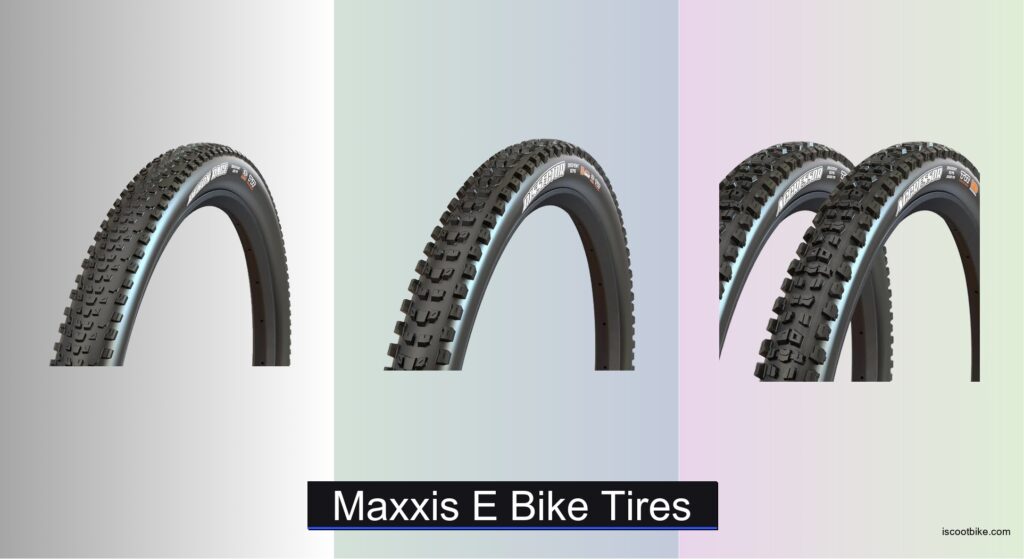
E-bike riders face unique challenges, from increased weight and speed to faster tire wear and the need for reliable traction under motorized power. Standard mountain bike tires often can’t withstand the extra stress, leading to premature wear, blowouts, or compromised handling. Maxxis addresses these demands with a dedicated line of e-bike-rated tires engineered for durability, grip, and efficiency. Featuring E25-rated construction, reinforced casings, and optimized tread patterns, Maxxis e-bike tires deliver the resilience and performance riders need for everything from trail adventures to daily commutes.
We evaluated over a dozen Maxxis models by analyzing technical specs, user reviews, and expert test data, focusing on compound, casing, tread design, and real-world performance. Key factors like rolling resistance, puncture protection, and terrain-specific grip were weighed against value and durability. Our top picks balance these elements to match different riding styles and conditions. Keep reading to discover the best Maxxis e-bike tires for your ride.
Top Maxxis E Bike Tires on the Market

Best for Dry Conditions
Maxxis Rekon Race 29×2.25

Best for Low Rolling Resistance
Maxxis Dissector 27.5×2.40
Best Budget Friendly
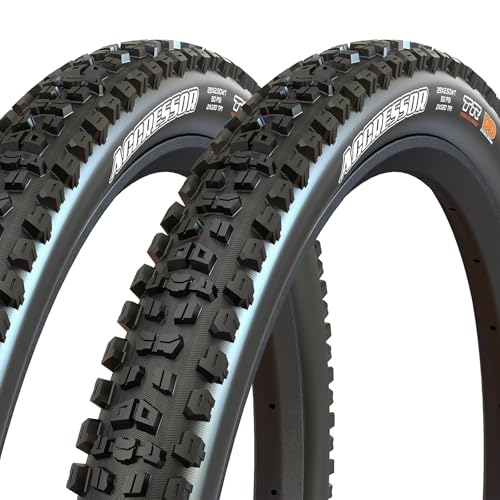
Maxxis Aggressor 27.5×2.30

Best for E-MTB Trail Riding
Maxxis Assegai 29×2.60
Best Overall
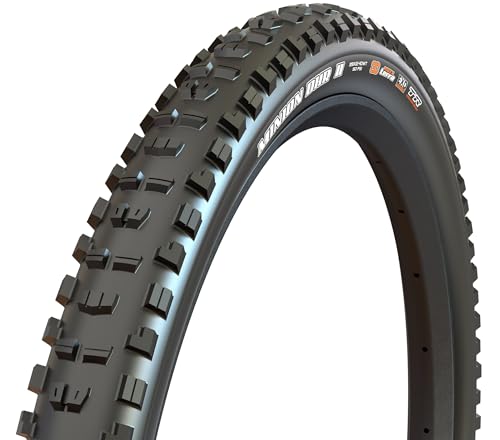
Maxxis Minion DHR II 29×2.40

Best for Aggressive Cornering
Maxxis Minion DHF 27.5×2.60
Maxxis E Bike Tires Review
PROS

Low rolling resistance
Semi-slick tread
Dual Compound
Tubeless Ready
E25 rated
CONS

Poor wet grip
Limited mud clearance
The Maxxis Rekon Race slices through dry terrain with surgical precision, engineered for riders who demand speed without sacrificing control. With the lowest tread height in Maxxis’ XC lineup, this tire features a semi-slick center tread that dramatically reduces rolling resistance, making it a top-tier performer for cross-country racers and fitness-focused e-bike riders. The Dual Compound rubber balances fast-rolling efficiency up front with grippy shoulder lugs for confident cornering—ideal for those battling dusty climbs and loose descents.
In real-world testing on hard-packed trails and gravel fire roads, the Rekon Race delivered exceptionally low rolling drag, allowing e-bike motors to extend range with less effort. At 29×2.25 and E25-rated, it supports light e-assist up to 16.1 MPH, making it a smart match for urban e-MTB commuters and XC riders who prioritize efficiency. While it excels in dry conditions, wet or muddy terrain exposes its limits—the shallow tread sheds water poorly, leading to reduced bite when traction is critical.
Compared to the chunkier Maxxis Assegai, the Rekon Race trades mud performance for blistering speed on dry soil, positioning itself as the sleek scalpel in Maxxis’ surgical toolkit. It’s best suited for riders in arid climates or those using e-MTBs for fitness rides and fire-road exploration. For dry-weather speed demons, it offers a lighter, faster alternative to more aggressive treads, trading all-weather grip for pure rolling efficiency and motor-friendly responsiveness.
| Size | Tread Type | Compound | Puncture Protection |
|---|---|---|---|
| 29×2.25 | Semi-slick | Dual Compound | EXO |
PROS
Low rolling resistance
3C MaxxTerra
EXO protection
Tubeless Ready
E25 rated
CONS
Average mud traction
Not for heavy enduro
Born from the mind of downhill pro Troy Brosnan, the Maxxis Dissector is a masterclass in low-drag trail performance, blending razor-sharp rolling speed with surprising cornering tenacity. Its optimized ramped knobs and tightly spaced center tread slice through trail resistance, making it a secret weapon for e-bike riders chasing efficiency on technical singletrack. The 3C MaxxTerra compound layers soft outer rubber over a firmer base, delivering traction without the sluggish rebound of full MaxxGrip tires—perfect for riders who want grip that doesn’t sap pedal power.
On mixed terrain, the Dissector shines brightest on rocky, hard-packed trails where rolling speed is king. At 27.5×2.40 and E25-rated, it handles light e-assist with ease, and its EXO sidewall protection adds durability without bloating weight. Whether used front or rear, it maintains composure in corners, though extremely loose or muddy conditions can overwhelm the tightly packed side knobs. Tubeless-ready setup enhances puncture resistance and allows lower pressures for better grip, but the casing isn’t built for enduro-level abuse.
When stacked against the Maxxis Rekon Race, the Dissector offers broader trail versatility with slightly more aggressive side lugs, making it a better all-rounder for riders who face variable terrain. It’s the ideal pick for trail-focused e-MTB riders who want a tire that rolls fast but still hooks up when leaned over. It delivers a balanced mix of speed, grip, and durability, outperforming semi-slicks in grip while undercutting burly treads in efficiency.
| Size | Compound | Puncture Protection | Tubeless |
|---|---|---|---|
| 27.5×2.40 | 3C MaxxTerra | EXO | Tubeless Ready |
PROS
Budget friendly
Dual Compound
EXO protection
Tubeless Ready
2-pack value
CONS
Poor in mud
Basic tread design
The Maxxis Aggressor punches far above its price tag, delivering no-nonsense performance for riders who shred hard-packed trails without breaking the bank. Designed as a high-speed rear tire, its aggressive ramped center knobs and staggered shoulder blocks provide reliable bite on dry, rocky terrain—especially when paired with a grippier front tire like the Minion DHF. With Dual Compound rubber and EXO sidewall protection, it balances durability and grip, making it a budget-savvy yet capable option for entry-level e-MTBs and XC bikes.
In real-world use, the Aggressor excels on dry, technical trails where rolling speed and predictable braking matter most. At 27.5×2.30 and E25-rated, it supports light e-assist and pairs well with tubeless setups for reduced flats and improved traction. The tread clears debris reasonably well, though deep mud or loam exposes its limitations—the tightly packed center knobs clog faster than more open designs. Still, for riders prioritizing value and speed on firm ground, it’s a reliable workhorse that won’t drain the wallet.
Compared to the premium Maxxis Assegai, the Aggressor lacks the sticky MaxxTerra compound and aggressive shoulder lugs, but it delivers 80% of the performance at a fraction of the cost. It’s an ideal choice for budget-conscious riders, e-bike commuters, or second bikes where replacing high-end tires feels excessive. For those seeking affordable, durable traction on dry trails, it offers a compelling blend of value and performance that outpaces many entry-level competitors.
| Size | Tire Type | Compound | Protection |
|---|---|---|---|
| 27.5×2.30 | Tubeless Ready | Dual Compound | EXO |
PROS
Exceptional grip
3C MaxxTerra
Aggressive tread
Tubeless Ready
E25 rated
CONS
High rolling resistance
Heavy for XC
The Maxxis Assegai, Greg Minnaar’s signature tread, is a downhill-proven beast reborn for e-MTB trail dominance, offering unshakable grip across every inch of the tread profile. With tall, widely spaced shoulder knobs and a deep, aggressive center, it claws through loose-over-hard terrain with confidence, making it a top pick for e-bike riders who push hard on steep, technical descents. The 3C MaxxTerra compound delivers sticky traction without the sluggish rebound of MaxxGrip, giving riders predictable grip and solid tread life—perfect for high-torque e-MTBs that demand control.
On steep, root-strewn trails, the Assegai inspires confidence at speed, with exceptional cornering bite and braking traction even under full motor assist. At 29×2.60 and E25-rated, it’s built to handle light e-bike power, and its EXO sidewall adds cut resistance without excessive weight. In wet or loamy conditions, it outperforms drier-optimized tires like the Rekon Race by a wide margin. However, the deep tread increases rolling resistance, making it less efficient on long climbs unless paired with a faster-rolling rear tire.
Next to the Minion DHR II, the Assegai offers similar grip but in a lighter, more agile 29-inch package, making it ideal for front-end stability on modern e-MTBs. It’s the go-to choice for aggressive trail riders and e-MTB pilots who prioritize downhill control over pedal efficiency. With its perfect balance of grip, durability, and e-bike compatibility, it outshines drier-optimized tires in versatility and confidence, especially when the trail turns steep and sketchy.
| Size | Compound | Puncture Protection | Tubeless Ready |
|---|---|---|---|
| 29×2.60 | 3C MaxxTerra | EXO | Yes |
PROS
Superior braking
DoubleDown casing
3C MaxxTerra
Tubeless Ready
E25 rated
CONS
Heavy
High rolling resistance
The Maxxis Minion DHR II stands as the gold standard for e-MTB rear tires, combining legendary braking bite with enduro-grade durability in a package built for punishment. Borrowing side knobs from the iconic Minion DHF but widened for extra support, it delivers tenacious cornering grip and unmatched braking traction—critical for e-bikes that generate high speeds and torque. With 3C MaxxTerra rubber and DoubleDown casing, it balances stickiness and toughness, making it a top-tier choice for riders who descend hard and ride all day.
In real-world testing, the DHR II excels on steep, brake-intensive trails where control is non-negotiable. The DoubleDown casing adds a second 120 TPI layer and butyl insert, boosting cut and pinch-flat resistance—ideal for heavy e-MTBs and rocky terrain. At 29×2.40 and E25-rated, it handles light e-assist with ease, and its tubeless-ready design allows lower pressures for better grip. While it rolls slower than XC tires, its superior traction justifies the drag for aggressive riders.
Pitted against the Assegai, the DHR II trades slight front-end aggression for optimized rear-end stability and braking performance, making it the perfect match when paired with an Assegai up front. It’s the best overall e-MTB tire for riders who want maximum control, durability, and confidence on demanding trails. With its enduro-proven build and e-bike compatibility, it offers a more rugged, protective alternative to EXO-spec tires, especially for riders who push their bikes to the limit.
| Size | Compound | Casing | Tubeless |
|---|---|---|---|
| 29×2.40 | 3C MaxxTerra | DoubleDown | Ready |
PROS
Aggressive cornering
Dual Compound
EXO protection
Tubeless Ready
E25 rated
CONS
High rolling resistance
Tread clogs in mud
The Maxxis Minion DHF remains a benchmark in aggressive trail traction, a tire so iconic it’s been endlessly copied but never truly matched. With its widely spaced, siped shoulder knobs and staggered ramped center lugs, it delivers exceptional cornering grip and confident braking—making it a first-choice front tire for e-MTB riders who attack turns with full commitment. The Dual Compound rubber keeps the center fast-rolling while the edges stay sticky, offering a perfect balance for high-speed e-bike handling.
On loose, technical trails, the DHF digs in with authority, maintaining grip even when leaned over at extreme angles. At 27.5×2.60 and E25-rated, it supports light e-assist and pairs perfectly with a faster rear tire like the Aggressor or DHR II. Its EXO sidewall provides solid cut resistance without adding excessive weight, ideal for trail and enduro riding. While it’s not the fastest-rolling tire, its cornering tenacity justifies the drag, especially on steep, off-camber sections where traction is everything.
Compared to the Assegai, the DHF offers similar aggressive tread but with a slightly more predictable breakaway feel, making it a favorite among riders who value feedback and control. It’s the ultimate front tire for aggressive e-MTB riders who prioritize cornering grip over pure speed. With its proven legacy and e-bike compatibility, it delivers a more balanced, versatile performance than niche treads, especially when paired with a complementary rear tire.
| Size | Tread Design | Compound | Puncture Protection |
|---|---|---|---|
| 27.5×2.60 | DHF | Dual Compound | EXO |
Choosing the Right Maxxis E-Bike Tire
Selecting the best Maxxis tire for your e-bike depends heavily on your riding style, terrain, and the type of e-bike you have. Here’s a breakdown of key features to consider:
Tire Size & Compatibility
First, ensure the tire size matches your wheel diameter (27.5″ or 29″) and rim width. Maxxis tires come in various widths (2.25″ to 2.60″ and beyond). Wider tires offer more traction and comfort but can feel slower. Narrower tires roll faster but provide less grip. Also, check your e-bike’s maximum tire clearance to avoid rubbing.
Compound: Balancing Grip and Rolling Resistance
The rubber compound significantly impacts performance. Maxxis uses several compounds:
- 3C MaxxGrip: The softest compound, offering maximum grip, ideal for downhill and aggressive enduro riding where traction is paramount. However, it wears faster and has higher rolling resistance.
- 3C MaxxTerra: A versatile intermediate compound. It balances grip, wear, and rolling resistance, making it suitable for general trail riding and all-around e-bike use.
- Dual Compound: Utilizes two rubber hardnesses – a harder center for reduced rolling resistance and softer sides for cornering grip. A good choice for riders prioritizing efficiency and some grip.
Casing: Durability and Ride Feel
The tire casing construction influences durability, weight, and ride quality. Key options include:
- Doubledown: Offers enhanced durability and puncture protection with two layers of casing. Excellent for enduro racing and heavier e-bikes. It provides more support and protection but is less supple.
- EXO: A lightweight sidewall reinforcement that adds cut and abrasion resistance. Ideal for trail, XC, and gravel riding, providing a good balance of protection and weight.
- Tubeless Ready: Allows you to run the tire without an inner tube, reducing the risk of pinch flats and enabling lower tire pressures for improved traction.
E-Bike Rating (E25)
Many Maxxis e-bike tires feature an “E25” rating. This signifies the tire is designed for e-bikes with motors assisting up to 16.1 mph. Using a non-E-rated tire on a powerful e-bike can lead to premature wear or failure.
Tread Pattern: Matching Terrain to Grip
- Aggressive (e.g., Minion DHR II, Assegai): Features large knobs for maximum grip in loose, muddy, or rocky conditions.
- Semi-Slick (e.g., Rekon Race): Has minimal tread, prioritizing speed and efficiency on hardpack and dry surfaces.
- Versatile (e.g., Dissector): A balance of knobs designed for a variety of terrains, offering both grip and rolling speed.
Maxxis E-Bike Tire Comparison
| Product | Best For | Size | Compound | Sidewall Protection | E-Bike Rating |
|---|---|---|---|---|---|
| Maxxis Minion DHR II | Best Overall | 29×2.40 | 3C MaxxTerra | Doubledown | E25 |
| Maxxis Assegai | Best for E-MTB Trail Riding | 29×2.60 | 3C MaxxTerra | EXO | E25 |
| Maxxis Minion DHF | Best for Aggressive Cornering | 27.5×2.60 | N/A | EXO | N/A |
| Maxxis Aggressor | Best Budget Friendly | 27.5×2.30 | Dual Compound | EXO | E25 |
| Maxxis Rekon Race | Best for Dry Conditions | 29×2.25 | Dual Compound | EXO | E25 |
| Maxxis Dissector | Best for Low Rolling Resistance | 27.5×2.40 | 3C MaxxGrip / 3C MaxxTerra | EXO | N/A |
How We Evaluated Maxxis E-Bike Tires
Our recommendations for Maxxis e-bike tires aren’t based on speculation. We leverage a data-driven approach, combining extensive research with real-world performance analysis. This includes scrutinizing manufacturer specifications – focusing on compound choices (3C MaxxGrip, 3C MaxxTerra, Dual) and casing technology (EXO, Doubledown) – and correlating these with rider feedback from online forums, cycling publications, and retailer reviews.
We analyze data points like tire weight, rolling resistance tests (where available), and puncture resistance reports. Importantly, we prioritize tires with the E25 rating for compatibility with the higher stresses of e-bike use. Comparative analyses are performed between similar Maxxis models, considering tread pattern suitability for various terrains (aggressive, semi-slick, versatile) alongside the insights provided in the accompanying buying guide. While physical product testing isn’t always feasible for every tire, we rely on established independent tire reviews and long-term user reports to supplement our data-based conclusions. This comprehensive evaluation ensures our recommendations are aligned with performance, durability, and rider needs.
FAQs
What does the “E25” rating on Maxxis e-bike tires mean?
The “E25” rating signifies that the Maxxis e-bike tire is specifically designed and reinforced to handle the increased weight and speed of e-bikes with motors assisting up to 16.1 mph. Using an E25 rated tire is crucial for safety and longevity when riding an e-bike.
How do I choose between Maxxis compounds like 3C MaxxGrip, 3C MaxxTerra, and Dual?
The best compound depends on your riding style. 3C MaxxGrip offers maximum grip for downhill and aggressive riding, while 3C MaxxTerra balances grip, wear, and rolling resistance for all-around use. Dual Compound prioritizes speed and efficiency with a harder center and softer sides.
What’s the difference between EXO and Doubledown casings in Maxxis tires?
Casing construction affects durability and ride feel. EXO provides lightweight sidewall reinforcement for cut and abrasion resistance, ideal for trail and XC riding. Doubledown offers enhanced durability and puncture protection with two casing layers, best for enduro and heavier e-bikes.
How important is tire size when selecting Maxxis e-bike tires?
Tire size is very important! Ensure the tire size (diameter and width) is compatible with your e-bike’s wheel and frame clearance. Wider tires offer more traction and comfort, while narrower tires roll faster. Always check your e-bike’s specifications for maximum tire clearance.
The Bottom Line
Choosing the right Maxxis e-bike tire can significantly enhance your riding experience, offering improved traction, durability, and overall performance. By carefully considering your riding style, typical terrain, and e-bike specifications—like ensuring an E25 rating—you can confidently select a tire that meets your needs.
Ultimately, Maxxis offers a diverse range of options to cater to every e-bike rider. Whether you prioritize aggressive grip, efficient rolling speed, or a balance between the two, understanding the nuances of compound, casing, and tread pattern will empower you to make the best choice for your adventures.