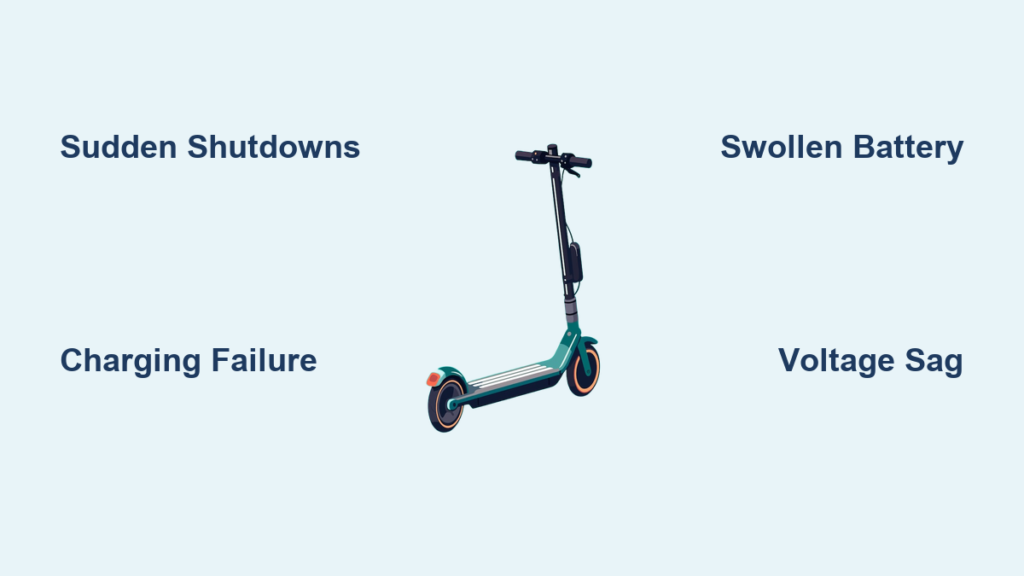
Is your electric scooter cutting out mid-ride, failing to start, or losing range faster than usual? You are not alone. Electric scooter battery issues are the leading cause of performance problems and breakdowns. Whether you are dealing with sudden shutdowns, charging failures, or sluggish acceleration, the battery is often the root culprit, especially in older or heavily used models.
Most electric scooters rely on lithium-ion battery packs, which degrade over time due to charge cycles, temperature exposure, and user habits. Even if your display shows full power, internal cell failure or voltage sag can leave you stranded. The good news? Many battery-related problems can be diagnosed at home with simple tools like a multimeter and basic troubleshooting steps.
In this guide, you will learn how to identify the exact type of battery issue you are facing, test your battery like a pro, and apply proven fixes. We will also cover how to extend your battery lifespan and avoid dangerous hazards like swelling or overheating. By the end, you will know when to repair, recharge, or replace, and you could save hundreds in unnecessary service fees.
Diagnose Sudden Shutdowns While Riding
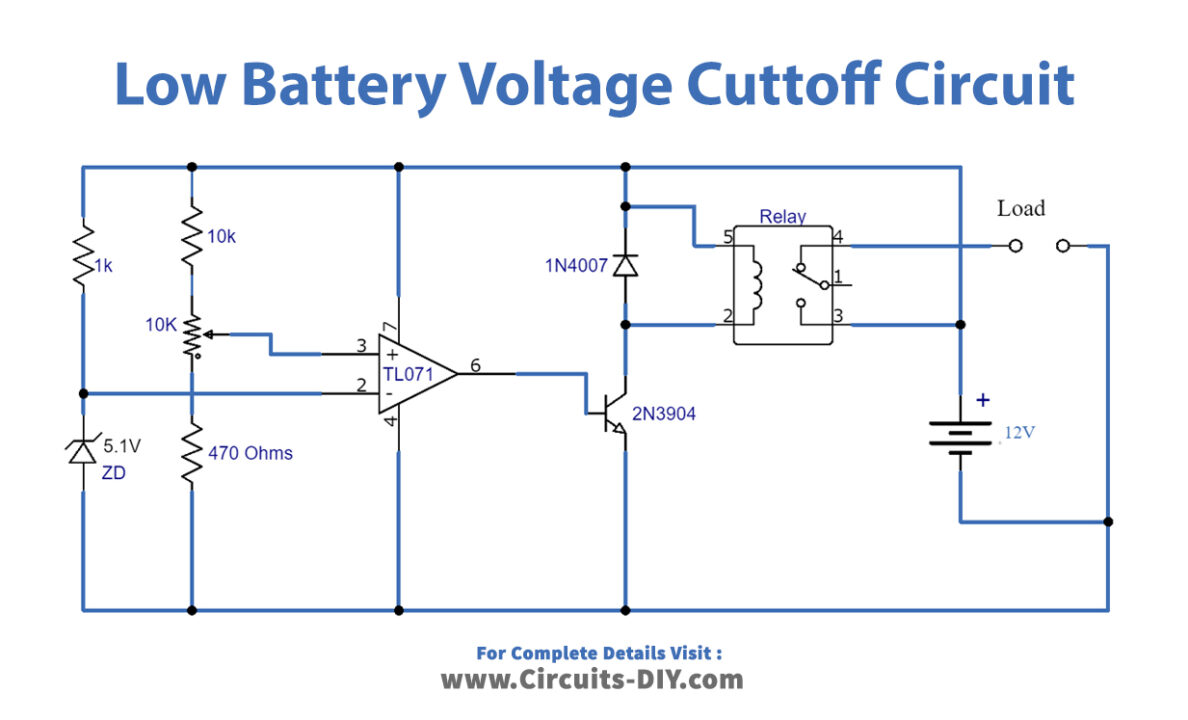
If your scooter suddenly powers off during use, only to restart after a few seconds, it is likely triggering the low-voltage cutoff. This safety feature protects the battery from deep discharge. When one or more cells weaken, the pack voltage drops under load, like when going uphill, forcing the controller to shut down power.
Once the load is removed, voltage briefly recovers, letting the scooter turn back on. This creates a frustrating cycle of power loss and restart that leaves riders stranded.
Test for Single Cell Failure
A single failing cell can collapse an entire battery pack. Use a digital multimeter to test overall pack voltage. A 48V battery should read approximately 54.6V when fully charged. Under load, it should stay above 42V.
If voltage plummets under load, open the battery casing and test individual 18650 or 21700 cells. Healthy cells measure 3.7V to 4.2V. Failing cells measure below 3.0V or show inconsistency with others. Replace any weak cells with matching specifications using a soldering iron, then reseal the pack securely to prevent vibration damage.
Perform a Load Test
Conduct this simple check to confirm battery health under real-world conditions. Lift the rear wheel off the ground, power on the scooter, and apply throttle while observing behavior. If the motor runs freely in the air but cuts out when you sit on it, the battery cannot sustain voltage under load, confirming internal degradation.
Fix Failure to Start Problems
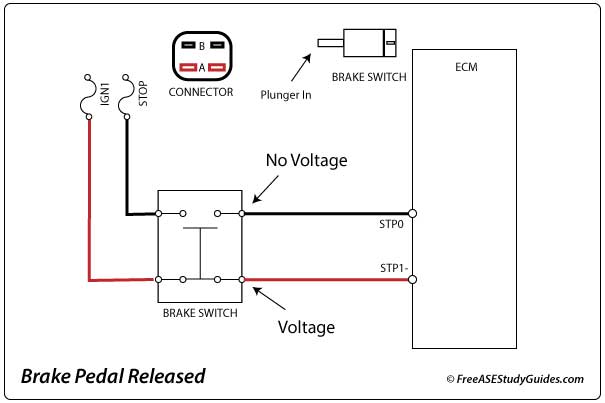
Before assuming battery failure, verify that simple switches are not the culprit. Check that the power switch is on, the kill switch is disengaged, and brake levers are fully released. Many scooters disable the motor if the brake sensor thinks brakes are applied, even slightly.
Test the Brake Lever Switch
Disconnect the brake wire from the controller. If the scooter runs, the brake switch is faulty. For normally closed switches, bridge the two terminals on the controller connector. If it powers on, replace the brake lever assembly.
Inspect Fuses and Breakers
Check for a blown fuse near the battery or controller. Remove the fuse cap and inspect the metal strip inside. A visible break means it is blown, so replace with the same amperage rating. If your scooter has a resettable circuit breaker, press the reset button. If it trips again immediately, there is an overload or short that must be addressed.
Measure Battery Voltage
Use a multimeter across the main battery terminals. Below 30V on a 36V system is too low to start. Below 40V on a 48V system likely means deep discharge protection has engaged. Try a 48 to 72 hour deep charge with the original charger. Some smart chargers will not start unless voltage rises above a threshold.
Restore Lost Range and Power
All lithium-ion batteries degrade after 300 to 800 charge cycles. Signs include a once 15-mile range that now lasts only 5 to 7 miles, rapid drop from 50% to 0%, and full charge reached quickly followed by fast drain. Even if voltage looks normal, reduced amp-hour capacity means less energy storage.
Detect Unbalanced Cells
Cell imbalance causes premature shutdowns. Watch for these symptoms. The battery charges to 100% in under 4 hours. It dies quickly under acceleration. One section of the pack feels hotter than others.
Only a battery management system can balance cells during charging. If imbalance is severe, the pack may need professional rebalancing or replacement.
Combat Voltage Sag
Weak batteries experience voltage sag under high demand. The scooter slows on hills. Acceleration feels mushy. The controller limits power to protect the system.
To test for voltage sag, ride at half speed on flat ground, then climb a moderate incline. If speed drops drastically, the battery cannot deliver peak amperage. Consider upgrading to a higher-quality pack or replacing the current one.
Adjust for Cold Weather
Below 50°F, lithium batteries lose up to 30% of capacity temporarily. Store and charge indoors. Pre-warm the battery before riding in winter. Avoid charging when battery is below freezing.
Solve Charging Problems

Start with simple checks. Plug the charger into a known-working outlet. Test the outlet with another device. Check if the charger light turns red when connected to the scooter. If the light stays green despite a dead battery, the charger may not be engaging.
Measure Charger Output
Set your multimeter to DC volts. Plug the charger into the wall, then touch probes to output pins. The reading should match the label, such as 54.6V for a 48V system. No voltage means replace the charger.
Inspect the Charging Port
Look for bent or corroded pins, loose connections, and debris or moisture. Clean gently with isopropyl alcohol and a cotton swab. If the port wobbles, internal solder joints may be broken, which requires repair.
Attempt Deep Charge Recovery
For over-discharged batteries, connect the original charger and leave it plugged in for 48 to 72 hours. Do not unplug during this time. Some chargers slowly wake up deeply drained packs. If there is no response after 72 hours, the battery is likely dead.
Spot Dangerous Battery Failures
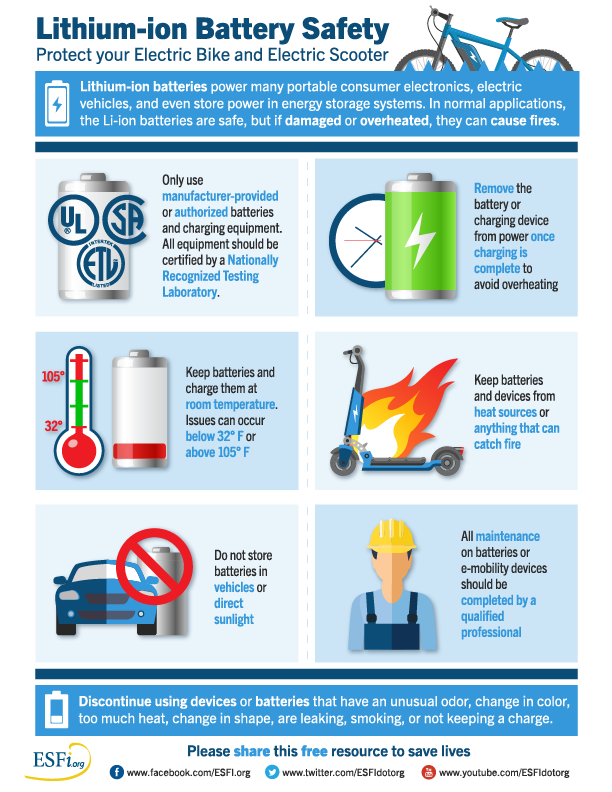
A swollen battery is a fire hazard. Causes include overcharging, internal short, physical damage, and manufacturing defect. Stop using immediately if you see bulging casing, warped enclosure, or popped safety vents. Do not puncture or compress. Place in a fire-safe area and recycle at an e-waste facility.
Monitor for Overheating
A battery too hot to touch indicates excessive current draw, failing cells, or BMS malfunction. Never charge a hot battery. Let it cool for 20 to 30 minutes after riding before plugging in.
Smell Chemical Odors
A solvent-like or burning smell means electrolyte leakage or thermal runaway. Disconnect power and replace the battery now. Do not attempt to repair a battery showing these warning signs.
Extend Battery Lifespan
Maximize cycle life by charging when the battery reaches 20% to 30%. Avoid 0% discharges. Charge to 80% to 90% for daily use, and only go to 100% when maximum range is needed. Partial charging reduces stress on lithium cells.
Store Properly
For storage longer than two weeks, charge to 50% to 70%. Keep in a cool, dry place between 59°F and 77°F. Avoid garages, trunks, or direct sunlight. Recharge every 4 to 6 weeks to prevent deep discharge.
Cool Down Before Charging
After long rides or hill climbing, let the scooter rest 20 to 30 minutes. Allow the battery to cool naturally, then begin charging. Charging a hot battery accelerates degradation significantly.
Prevent Physical Damage
Corrosion increases resistance and causes voltage drops. Inspect regularly. Check battery terminals, connectors, and wiring harnesses. Clean with a baking soda and water mix using a wire brush. Dry thoroughly before reconnecting.
Ensure all connections are tight and secure. Vibration can loosen them over time, causing intermittent power issues.
Maintain Tires and Brakes
Underinflated tires and dragging brakes increase load on the battery. Check tire pressure weekly and inflate to manufacturer PSI, usually 40 to 65 psi. Adjust brakes so they do not rub when released. Reducing rolling resistance helps the battery last longer per charge.
Know When to Replace

Most lithium packs last 2 to 4 years with regular use. Consider how many times you charge per week and whether you take long rides daily. At 300 or more full cycles, expect noticeable degradation. Beyond 800 cycles, replacement is likely needed.
Compare Replacement Costs
DIY cell repair costs approximately $20 for 1 to 2 cells. Full battery replacement runs $400 to $600 or more. A multimeter costs approximately $15 and is an essential tool for diagnosis. If the pack is old and multiple cells are failing, replacement is more cost-effective than repeated repairs.
Choose OEM or Reputable Aftermarket
Stick with manufacturer-approved batteries or reputable third-party brands with BMS protection. Always match voltage and Ah ratings. Avoid cheap no-name packs because they often lack safety features and degrade faster.
Avoid DIY Repair Risks
Opening a battery pack involves real risks. Shorting terminals can cause fire or explosion. Mismatched cells create imbalance. Poor soldering leads to hot spots.
Only attempt repairs if you have a multimeter, a soldering iron with temperature control, and safety gloves and goggles. Without these tools and skills, seek professional help instead.
Never Bypass Fuses or Breakers
Repeatedly blowing fuses means something is wrong. Do not bypass them. This can lead to controller damage, wiring meltdown, or fire hazard. Diagnose the root cause instead of taking shortcuts.
Recycle Responsibly
Never throw lithium batteries in the trash. Take them to e-waste recycling centers, retail drop-off points like Best Buy or Home Depot, or battery-specific recyclers. Proper disposal protects the environment and prevents fire risks.
Key Takeaways for Fixing Electric Scooter Battery Issues
Electric scooter battery issues are common but rarely mysterious. With a systematic approach, you can diagnose most problems using basic tools and logical checks. Start with simple fixes: test the charger, inspect fuses, and verify brake switches. Then move to voltage testing and load checks to confirm battery health.
Remember that a battery showing 100% on the display is not always healthy. Internal cell failure, imbalance, or degradation can still cripple performance. If you notice swelling, heat, or chemical smells, stop using the scooter immediately and replace the battery.
By following smart charging habits, storing properly, and maintaining connections, you can extend your battery life by months or even years. And when replacement is unavoidable, knowing the signs helps you avoid costly misdiagnoses. Treat the battery with care, test before you replace, and ride with confidence.
Frequently Asked Questions About Electric Scooter Battery Issues
Why does my electric scooter cut out while riding?
Your scooter may be triggering the low-voltage cutoff due to weak cells. When voltage drops under load, like going uphill, the controller shuts down power to protect the battery. Once the load is removed, voltage recovers and the scooter restarts.
How do I know if my battery cells are failing?
Use a multimeter to test individual cells. Healthy lithium cells read 3.7V to 4.2V when charged. Cells reading below 3.0V or showing significant variance from others are failing and need replacement.
Can I fix battery issues myself?
Yes, if you have a multimeter, soldering iron with temperature control, and safety gear. Simple diagnostics and single cell replacement are doable. However, if you lack these tools or experience, seek professional help.
How long do electric scooter batteries last?
Lithium-ion batteries typically last 300 to 800 charge cycles, which equals 2 to 4 years with normal use. Poor charging habits can cut this lifespan in half.
What causes a swollen battery?
Swelling indicates internal gas buildup from overcharging, physical damage, or manufacturing defects. A swollen battery is a fire hazard and must be replaced immediately. Do not puncture or attempt to use it.