You rely on your electric scooter for quick commutes, last-mile travel, or weekend fun. But dirt, grime, salt, and moisture can quickly degrade performance and shorten its lifespan. Cleaning your electric scooter isn’t just about keeping it looking good. It is essential for safety, reliability, and protecting your investment. However, because e-scooters contain sensitive electronics, improper cleaning can cause more harm than good.
This guide gives you a complete approach to cleaning your electric scooter safely and effectively. You will learn daily wipe-down routines, deep-cleaning techniques, winter-specific care, and how to maintain moving parts. Whether you are a daily commuter or occasional rider, these methods will keep your scooter running smoothly for years.
Power Down and Prepare for Safe Cleaning
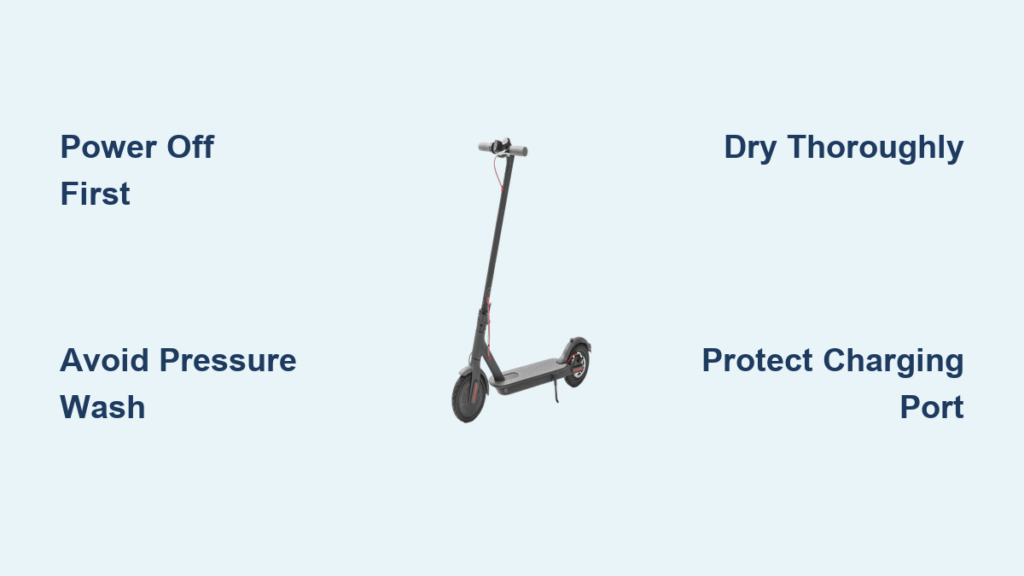
Before touching any cleaning tool, safety must come first. Electric scooters operate on high-voltage systems, and even minor water exposure during cleaning can lead to short circuits or permanent damage if not handled correctly.
Remove Battery and Power Off Completely
Always power off your scooter and unplug it from any charger. If your model has a removable battery, take it out before cleaning. This eliminates the risk of electrical shock and protects the most expensive component from accidental moisture exposure. Store the battery in a dry, room-temperature environment while you clean the rest of the scooter.
Choose the Right Cleaning Location
Never clean your scooter in direct sunlight. Water evaporates too quickly, leaving behind spots and mineral deposits on the frame. Heat from the sun can also warp plastic components or damage sensitive wiring. Choose a shaded, well-ventilated area with stable temperatures for your cleaning session.
Understand Your Scooter’s Water Resistance Rating

Understanding your scooter’s Ingress Protection (IP) rating is critical to avoiding costly mistakes during cleaning.
What IP54 Means for Daily Cleaning
Most urban e-scooters have an IP54 rating, meaning they are protected against limited dust ingress and water splashes from any direction. This allows light cleaning with a damp cloth, but it does not allow submersion, soaking, or pressure washing. Some models carry an IPX4 rating, which only covers splash resistance with no dust protection. These units require even greater caution during cleaning.
Why Pressure Washers Are Dangerous
Never use garden hoses, pressure washers, or car washes on your electric scooter. The force of the water can breach seals around the motor, display, charging port, and battery housing. Once moisture enters, it can corrode circuitry, ruin sensors, and trigger electrical failures that are often not covered under warranty. Even if your scooter survives a hose-down today, repeated exposure degrades seals over time and increases future failure risk.
Gather the Right Cleaning Tools
Using the wrong tools can scratch paint, damage rubber gaskets, or leave residue that attracts more dirt. Build an essential toolkit that includes these items.
Recommended Supplies for Safe Cleaning
You will need microfiber towels to clean and dry without leaving lint or scratches. A soft-bristled brush or toothbrush works well for crevices, tire treads, and areas around ports. A soft sponge or cloth helps apply soapy water to larger surfaces. A bucket with warm water and mild dish soap completes your basic setup. A spray bottle provides controlled misting if needed. A tire pressure gauge and pump allow you to check inflation after cleaning. Silicone-based lubricant keeps moving parts operating smoothly.
Items to Avoid During Cleaning
Steel wool, abrasive pads, bleach, degreasers, and strong solvents all damage protective coatings and accelerate corrosion. These materials degrade the finish and can compromise the seals that keep moisture out of electrical components.
Inspect Your Scooter Before Cleaning
Before applying any moisture, inspect your scooter thoroughly to identify potential issues.
Check for Existing Damage
Look for cracks in the frame, loose bolts, or dents, especially near the stem, deck, and wheel mounts. If structural damage is present, clean gently and seek professional repair before riding again. Cleaning a damaged scooter can worsen existing problems.
Verify Port Covers Are Secured
Ensure the charging port cover is securely closed. This small flap is your first line of defense against water intrusion. Also verify that no seals are missing or damaged around buttons, displays, or battery compartments.
Perform the 90-Second Daily Wipe Down
For daily riders, especially in wet or dusty conditions, a quick post-ride routine prevents long-term damage and keeps your scooter performing at its best.
Wipe Exterior Surfaces Quickly
Use a dry microfiber towel to wipe the deck, handlebars, and stem. Remove mud, dust, and road grime before it dries and becomes harder to clean. This simple step prevents buildup in folding mechanisms and control panels that can cause stiffness or malfunction over time.
Clean Hidden Zones Beneath the Scooter
Flip the scooter over carefully to access the undercarriage, wheel wells, and mudguards. These areas trap water, salt, and debris, creating prime spots for rust and electrical problems. Use a second towel or soft brush to dislodge trapped particles. Pay special attention to the space between the wheel and fender where pine needles, gravel, and leaves often accumulate.
Inspect Moving Parts After Each Ride
Check the folding hinge, headset, and joints. If these areas feel damp or gritty, wipe them dry immediately. Moisture in these locations leads to stiffness, corrosion, and eventual mechanical failure. A dry joint ensures smooth operation and reliable locking when you need it.
Conduct a Monthly Deep Clean
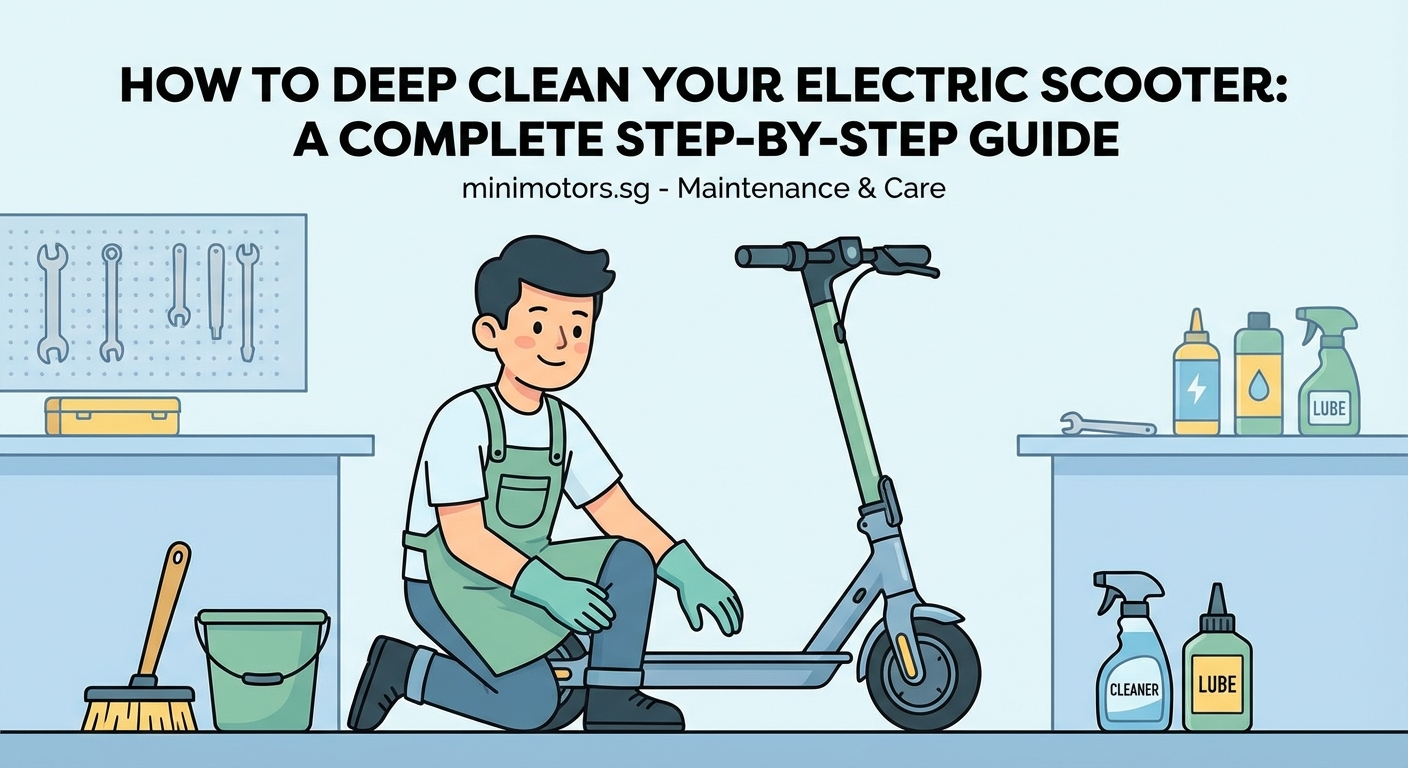
For a thorough refresh, perform a full deep clean every month or immediately after heavy mud, snow, or salt exposure.
Remove Loose Debris First
Start with a dry brush or cloth to sweep away loose dirt. Skipping this step turns your cleaning process into a mud slurry that spreads across the scooter. Focus on tire treads, fenders, and areas around the motor housing before adding any water.
Wash Frame and Wheels Gently
Mix a few drops of mild dish soap with warm water in a bucket. Dip a sponge or soft brush into the solution and gently scrub the frame, deck, handlebars, and wheels. For tires, use a toothbrush to dig out caked mud, gravel, or pine needles. Apply light pressure and never scrub aggressively. For stubborn spots, reapply soap rather than increasing force.
Rinse Using Controlled Damp Cloth Method
Do not rinse with a hose. Instead, use a clean, damp cloth dipped in plain water to wipe off soap residue. This method gives you full control and prevents water from being forced into seams. Ensure all soap is removed because leftover suds can attract dirt and degrade rubber seals over time.
Dry Completely Before Storage or Use
Use a dry microfiber towel to wipe every surface, especially joints, ports, and areas under the deck. Then let the scooter air-dry in a shaded, ventilated area for at least one to two hours. Never use a hairdryer or heater because excessive heat damages plastic, wiring, and battery cells.
Handle Electrical Components with Extra Care

Displays, throttles, and charging ports are among the most vulnerable parts of your electric scooter and require special attention during cleaning.
Clean Electronics with a Damp, Not Wet, Cloth
Moisten a microfiber cloth slightly and wring it out completely. Wipe around the display, buttons, and throttle to remove fingerprints and grime. Never spray cleaning solution directly onto these areas. For tight spaces, use a dry soft-bristled toothbrush to dislodge dust without scratching sensitive surfaces.
Protect the Charging Port at All Times
Keep the charging port cover closed during cleaning. Afterward, open it only when you are certain the area is fully dry and debris-free. A single grain of sand or water droplet can interfere with charging or cause a short circuit. If the port feels sticky or dirty, lightly dab it with a cotton swab, but do not insert anything deeply into the port.
Maintain Wheels, Brakes, and Undercarriage
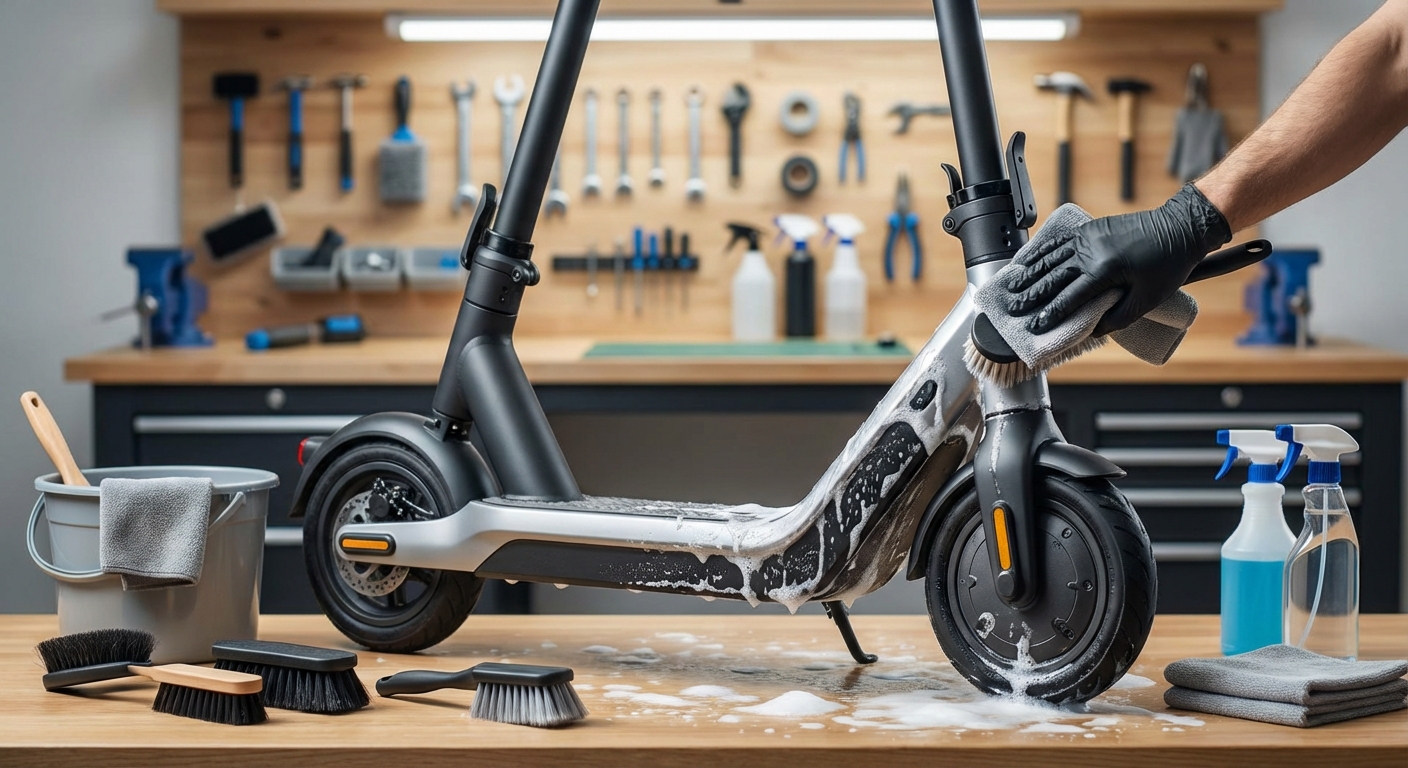
These components endure the harshest conditions and require focused attention during every cleaning session.
Clear Tires and Fenders of Debris
Use a brush to remove mud, ice, or debris from tire treads. Clogged treads reduce traction and increase wear on your tires. Inspect sidewalls for cuts or bulges that could cause flats or blowouts. Wipe down fenders and wheel rims to prevent road salt accumulation, which accelerates rust on metal frames.
Check Tire Pressure After Cleaning
Cold weather and frequent use lower tire pressure naturally. Use a gauge to check PSI and inflate to the manufacturer’s recommended level, which is usually printed on the tire sidewall or listed in your manual. Under-inflated tires reduce range, increase rolling resistance, and raise the risk of pinch flats.
Clean Brakes and Shocks Thoroughly
In wet or forested areas, dirt and pine needles can pack into brake calipers and shock absorbers. Gently brush these areas with a soft tool to maintain braking efficiency and suspension performance. Never apply lubricant to brake pads or levers because this creates a dangerous loss of stopping power.
Lubricate Moving Parts Properly
After cleaning and drying, lubrication keeps your scooter operating smoothly and prevents squeaking or stiffness.
Use Only Silicone-Based Lubricant
Apply silicone-based lubricant to the folding hinge, kickstand pivot, chain if applicable, caliper joints, and bearing access points if exposed. Silicone repels water and does not attract dust like oil-based lubes, which turn into grinding paste when mixed with dirt.
Never Lubricate Critical Safety Components
Never apply lubricant to brake pads, brake levers, suspension seals, or tire surfaces. Lube on brakes causes slippage and can lead to accidents. Keep these areas completely dry and clean.
Know When Lubrication Is Necessary
Many modern scooters have sealed bearings that do not require regular lubrication. Refer to your manual before applying any lubricant. Over-greasing can do more harm than good. Lubricate only when you notice squeaking, stiffness, or resistance in moving parts.
Winter Care to Prevent Salt and Freeze Damage
Winter riding demands extra vigilance because road salt, slush, and freezing temperatures accelerate wear and corrosion on every component.
Wipe Down After Every Winter Ride
Use a damp microfiber cloth to remove salt and slush from the undercarriage, wheels, and motor housing immediately after each ride. Salt is highly corrosive and can eat through metal in just days. Focus on areas that stay wet, like the space between the wheel and fender where salt collects most heavily.
Dry Thoroughly Before Indoor Storage
Moisture left on components can freeze overnight, expanding and cracking plastic or damaging seals. Always dry your scooter completely before bringing it indoors. Take extra time to ensure the battery compartment and charging port are completely free of moisture.
Store Indoors in Cool, Dry Conditions
Keep your scooter in a dry room between 5°C and 11°C, which equals 41°F to 52°F. Avoid damp basements, humid garages, or unheated sheds. Never leave your scooter outside in snow or freezing rain.
Maintain Proper Battery Charge for Winter Storage
For winter storage, keep the battery at 60 to 75 percent charge. A fully drained battery can suffer permanent capacity loss in cold temperatures. Check the charge level every few weeks if the scooter is not used regularly.
Troubleshoot Common Post-Clean Problems
Even careful cleaning can lead to issues if steps are missed or drying is incomplete.
Stiff Folding Mechanism After Cleaning
This problem usually stems from moisture and dirt in the hinge. Dry the area thoroughly and apply a small amount of silicone lubricant to clean, dry joints. Avoid over-lubricating because excess lubricant attracts dirt and creates more problems.
Weak Braking After Cleaning
Weak brakes could mean contaminated brake pads from dirt or accidental oil contact. Clean gently with a dry brush. If performance does not improve, have the brakes inspected by a professional.
Rust or Corrosion Spots Appearing
These spots indicate salt buildup or prolonged moisture exposure. Clean the area with mild soap, dry completely, and consider touch-up paint for exposed metal surfaces. Address corrosion immediately to prevent it from spreading.
Scooter Will Not Power On
Possible water intrusion from improper cleaning may be the cause. Do not attempt to charge the scooter. Let it air-dry for 24 to 48 hours in a warm, dry place. If it still does not power on, contact the manufacturer for repair options.
Squeaking Noises While Riding
This usually indicates dry bearings or joints. Identify the source and apply silicone lubricant if the component is not a sealed bearing unit. If the noise persists, the scooter may require professional servicing.
Final Safety Check Before Riding
Before hitting the road after cleaning, verify everything is safe and functioning properly.
Verify Complete Dryness and Security
Ensure all surfaces, especially ports and the battery compartment, are 100 percent dry. Check that bolts on handlebars, fenders, and wheels are tight. Confirm the folding mechanism locks securely before riding.
Test All Functions Before Departing
Turn on the scooter and check the display for any error messages. Test throttle response and engage brakes to confirm stopping power works properly. Turn on lights and horn if your model has these features. Deploy and retract the kickstand to ensure it functions correctly.
Perform a Short Test Ride
Ride in a safe, open area for two to three minutes. Check for unusual noises, wobbling wheels, delayed braking, or display errors. If anything feels off, stop immediately and inspect the scooter before continuing.
Frequently Asked Questions About Cleaning Electric Scooters
Can I use a pressure washer to clean my electric scooter?
No, never use a pressure washer, garden hose, or car wash on an electric scooter. High-pressure water can breach seals around the motor, battery, and electronics, causing costly damage that voids your warranty. Use only a damp cloth and mild soap for cleaning.
How often should I deep clean my electric scooter?
Perform a thorough deep clean monthly or immediately after riding in heavy mud, snow, or road salt. Daily riders should do a quick 90-second wipe-down after each use, especially in wet or dusty conditions.
What cleaning products are safe for electric scooters?
Use only mild dish soap mixed with warm water. Avoid bleach, degreasers, harsh chemicals, and abrasive tools. Microfiber towels, soft-bristled brushes, and silicone-based lubricant are safe and effective for cleaning and maintaining your scooter.
How do I dry my electric scooter after cleaning?
Wipe all surfaces with a dry microfiber towel, paying special attention to joints, ports, and the battery compartment. Let the scooter air-dry in a shaded, ventilated area for one to two hours. Never use a hairdryer or heater because excessive heat damages components.
What should I do if water gets inside my electric scooter?
Do not attempt to charge or use the scooter. Let it air-dry in a warm, dry place for 24 to 48 hours. If it still does not power on after drying, contact the manufacturer or a professional repair service.
How do I protect my scooter from winter salt damage?
Wipe down your scooter with a damp cloth after every winter ride, focusing on the undercarriage, wheels, and motor housing. Remove all salt residue and dry thoroughly before storing indoors. Keep the battery charged at 60 to 75 percent during winter storage.
Key Takeaways for Cleaning Your Electric Scooter Safely
Regular, proper cleaning is the easiest and most effective way to extend your electric scooter’s life. By following these steps, using the right tools, avoiding water exposure on sensitive components, and focusing on high-risk areas like the undercarriage and wheel wells, you will prevent corrosion, maintain performance, and avoid costly repairs.
Stick to the 90-second daily wipe-down routine after every ride, especially in wet or dusty conditions. Perform a monthly deep clean with mild soap and careful drying. Apply silicone lubricant to moving parts only when needed, and never lubricate brake components. Winter riding requires extra attention to salt removal and complete drying before storage.
Your scooter will stay reliable, safe, and looking great for thousands of miles when you maintain it properly.