You’ve seen Lime scooters lined up on city sidewalks, ready for anyone to grab and ride. But have you ever wondered how they get charged? Unlike your phone or an electric car, Lime scooters do not plug into public charging stations. They do not charge themselves. Instead, a hidden network of independent contractors works overnight to keep thousands of scooters powered and ready for morning commuters. This system is called the Juicer program, and it is the engine that keeps Lime’s fleet moving across cities worldwide. In this guide, you will learn exactly how the charging process works, from the moment a scooter dies to when it reappears on the sidewalk, fully charged and ready for the next rider.
The system relies on everyday people treating scooter charging as a side hustle. These gig workers, known as Juicers, use a dedicated app to locate low-battery scooters, collect them, charge them at home using proprietary equipment, and redeploy them to strategic locations before the morning rush. This decentralized approach eliminates the need for expensive charging infrastructure while keeping fleets running efficiently through a combination of human labor, smart algorithms, and real-time technology.
The Juicer Program: Who Charges Lime Scooters

Lime scooters do not charge themselves at public docks or solar stations. Instead, they are powered back up by everyday people who treat scooter charging like a flexible gig economy job. These independent contractors use the Lime Juicer app to locate, collect, and charge scooters overnight, earning cash for each unit they revive and redeploy. The program replaced earlier in-house charging models because it offers more flexibility and lower overhead costs for Lime.
Most Juicers operate between 9:00 PM and 7:00 AM, aligning with off-peak hours and ensuring scooters are ready for morning commuters. It is a win-win arrangement: Lime maintains fleet availability without building charging stations or hiring full-time staff, and Juicers earn extra income with minimal startup costs. All a Juicer needs is a vehicle for transport, some space to charge, and access to electrical power.
How Juicers Find Scooters to Charge
Around 9:00 PM each evening, scooters with battery levels below 20% disappear from the rider app and appear in the Juicer app as available pickups. These low-battery units are marked with indicators, often green dots, and display a bounty value showing how much the Juicer will earn for charging and redeploying them. The bounty is not fixed. It is calculated based on several factors including remaining battery level, location difficulty, time since last ride, and demand forecasts for the next day.
When a Juicer finds a target, they reserve it through the app, locking in a 30-minute retrieval window. They must scan the QR code on the scooter to confirm pickup, which logs the unit into their account and removes it from circulation. If they fail to pick it up in time, the reservation expires and another Juicer can claim it.
What Juicers Earn Per Charge
Juicers receive bounty-based payments rather than a flat rate. Each scooter carries a variable payout, typically between $5 and $12. In high-demand cities like Los Angeles or Miami, some scooters can pay over $15 when bonuses apply.
Here is how the earnings break down:
- Base bounty: $5 to $12 depending on city and scooter condition
- Hotspot bonus: $1 extra for dropping off in high-demand zones
- Photo verification: Required to claim bonus, must include scooter and sometimes a selfie
A Juicer who processes 10 scooters in one night could earn $100 or more, especially if they hit multiple hotspot zones. One documented case in Los Angeles showed earnings of $154.84 for nine scooters in a single night, averaging over $17 per unit with bonuses. However, there is a critical deadline: all scooters must be redeployed by 7:00 AM. Missing the deadline cuts the payout in half.
Charging Process: From Pickup to Plug-In
Once a Juicer collects a scooter, the real work begins. The charging phase happens off the street, usually in a garage, driveway, or apartment. Each scooter has a removable lithium-ion battery pack, which the Juicer takes out and connects to a Lime-issued charger. These chargers are proprietary units provided directly by Lime, with unique serial numbers tied to the Juicer’s account. This prevents unauthorized use and ensures only approved personnel can charge the fleet.
The entire process from unboxing the battery to connecting it is straightforward but strictly monitored through the app. Every step must be logged to receive payment. The chargers are not generic and cannot be replaced with off-the-shelf adapters.
Battery Specs and Charging Time
Lime scooters use 36V lithium-ion batteries with capacities ranging from 7.5 Ah to 10 Ah, depending on the model generation. A fully charged battery delivers 20 to 30 miles of range, though real-world performance varies based on rider weight, terrain, and temperature. Cold weather reduces battery efficiency, and hilly terrain consumes more power.
Charging from 0% to 100% takes 4 to 5 hours using the official Lime charger. This fits perfectly within the overnight window. Scooters picked up between 9 PM and midnight can be fully charged by 5 AM, leaving time for redeployment before the 7 AM deadline.
The battery includes a built-in Battery Management System that prevents overcharging, overheating, and deep discharge. This is critical for safety, especially since charging happens in residential spaces. The BMS also sends health data back to Lime’s servers, allowing the company to track degradation and schedule replacements before failures occur.
Why Proprietary Chargers Are Required
You cannot charge a Lime scooter with a regular power adapter. The chargers are custom-designed with unique connector shapes, voltage and current profiles matched to Lime’s specs, and serial-number tracking linked to Juicer accounts. This prevents third-party or counterfeit chargers from being used, which could damage the battery or create fire hazards.
Lime supplies these chargers to approved Juicers at no cost, but they remain company property. If a Juicer leaves the program, they must return the equipment. Attempting to modify or bypass the system is physically impossible due to connector design and violates program terms.
Deployment: Where Do Charged Scooters Go

Charging is not the end of the job. Juicers must redeploy scooters in approved locations, not just anywhere on the street. The app tells them exactly where to drop off each unit, based on an algorithm that predicts where demand will be highest the next day. This system ensures scooters are not dumped randomly, reducing sidewalk clutter and improving user access.
Algorithmic Drop-Off Zones
When a Juicer opens the app to end a charge, it displays specific deployment zones, small geographic areas where scooters are needed. These zones change daily and are determined by three key factors:
- Historical ride data: Areas with high morning usage
- Transit hub proximity: Near bus stops, train stations, or campuses
- Real-time demand signals: Weather, events, holidays
For example, on a rainy day, zones may shift toward office districts. During a concert, drops near venues get priority. Near universities, deployment focuses on dorms and libraries.
These zones are geo-fenced, meaning the app uses GPS to verify the scooter’s location. If the Juicer tries to end the charge outside the boundary, the system will not accept it. No verification means no payout.
Hotspot Bonuses for Strategic Placement
To encourage precise placement, Lime offers a $1 hotspot bonus per scooter. To qualify, the Juicer must drop the scooter within the designated zone and take a verification photo showing the scooter. Sometimes a selfie is required to confirm presence. This photo is reviewed automatically and may be audited later, ensuring accountability and helping Lime maintain clean, compliant fleets.
Behind the Scenes: IoT and Remote Management
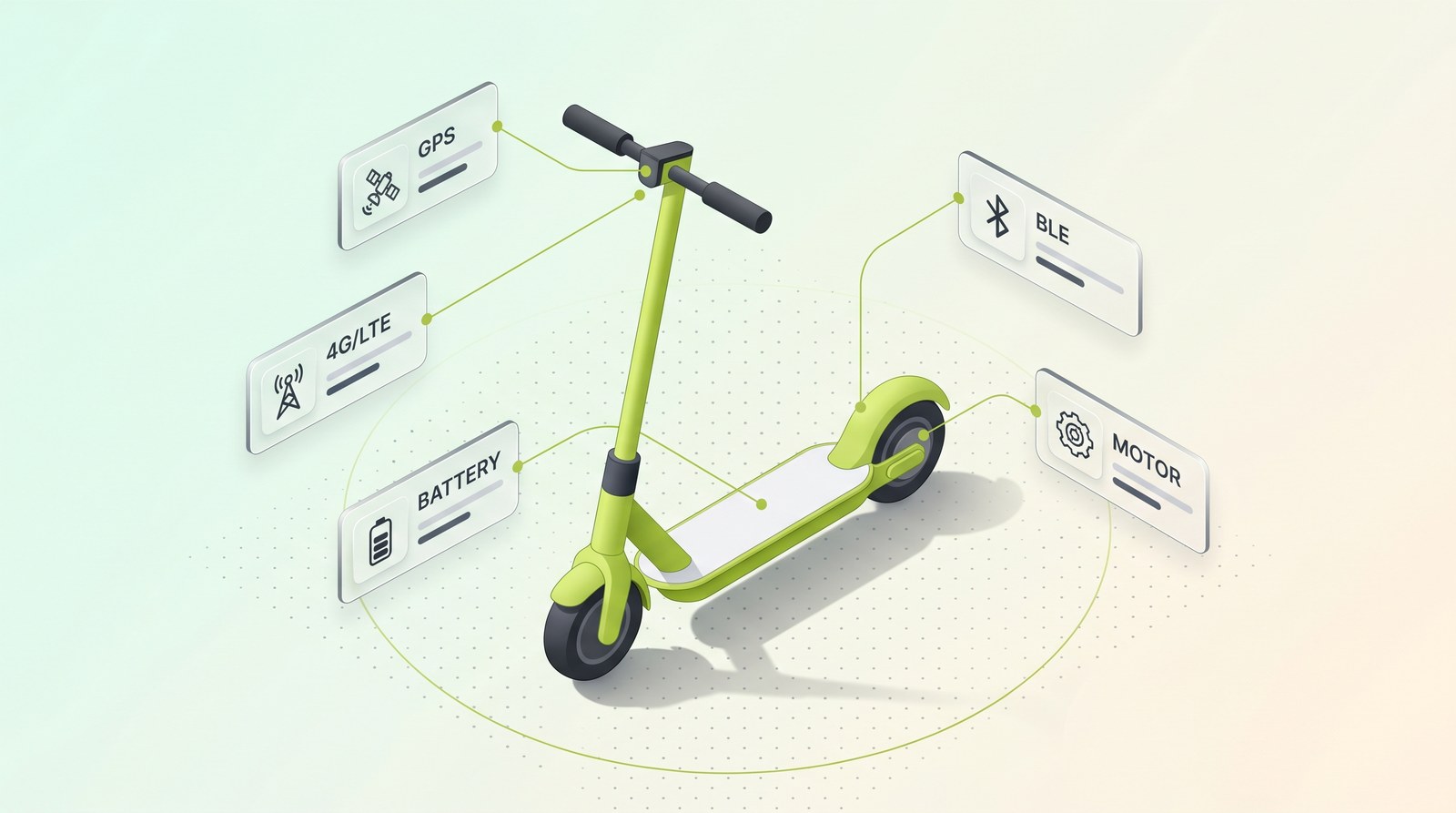
While Juicers handle the physical charging, Lime’s scooters are far from dumb devices. Each one is a connected IoT unit packed with sensors and communication tools that enable remote control, tracking, and diagnostics. This tech layer is what makes the entire system possible. Without it, Lime could not track battery levels, enforce geo-fences, or disable stolen scooters.
Real-Time Battery Monitoring
Every scooter has a cellular modem that sends data to Lime’s servers every few seconds. This includes battery percentage, GPS location, speed and movement status, and error codes or fault alerts. Riders see battery life in the app before unlocking. But behind the scenes, Lime uses this data to flag low-battery units for Juicers, predict when a scooter will die, and schedule maintenance based on usage patterns.
The system knows exactly when a scooter drops below 20% and automatically hides it from riders, preventing stranded users and ensuring only charge-ready units are collected.
GPS, Sensors, and Safety Controls
In addition to cellular connectivity, each scooter has a GPS module for real-time location tracking, an accelerometer and gyroscope to detect falls, crashes, or tampering, and Bluetooth Low Energy for secure unlocking via smartphone. If a scooter tips over or is moved without authorization, the sensors alert Lime’s system. The company can then disable the motor remotely or dispatch a repair team.
Geo-fencing also controls where scooters can operate. Slow zones limit motor speed to about 10 mph in parks and pedestrian areas. No-ride zones disable the motor entirely in restricted areas. No-parking zones prevent riders from ending rides unless they move to a valid spot. These rules are enforced through firmware updates and GPS checks, making the fleet adaptable to city regulations without physical changes.
Maintenance: Beyond Charging

Charging is just one part of keeping scooters on the road. When a scooter breaks, it enters a separate repair pipeline managed by Lime’s operations team, not Juicers. Riders can report issues directly in the app. Once flagged, the scooter is marked out of service and removed from both rider and Juicer maps. A dedicated operations driver collects it and brings it to a local warehouse or service hub.
There, technicians perform repairs using modular components. Modern Lime scooters are designed for easy servicing. Batteries, motors, controllers, and displays are swappable without soldering or specialized tools. Repairs take minutes, not hours. Degraded batteries are replaced during maintenance, not by Juicers. The BMS tracks health metrics, so Lime knows when a pack is nearing end of life and schedules proactive swaps.
After repair and recharge, the scooter re-enters the active fleet, ready for another round of rides and recharges.
Business Model: How Lime Makes Money
Lime’s charging system is not just about logistics. It is a strategic business decision that converts fixed costs into variable ones, scaling up or down based on demand without building infrastructure. But revenue does not stop at rides.
The primary income streams include ride fees, typically $1.00 unlock plus $0.20 to $0.40 per minute, yielding $3 to $5 for a 10-minute ride. Lime Pass subscriptions offer daily or weekly fees for discounted rates, encouraging repeat usage. Cities pay Lime for fleet management, often with performance bonuses for reducing clutter and maintaining compliance. Lime also licenses anonymized ride data to municipalities for urban planning and traffic modeling.
This diversified model helped Lime achieve adjusted EBITDA profitability in 2022, proving that the Juicer system is not just efficient. It is financially sustainable.
Common Misconceptions About Charging
Many people misunderstand how Lime scooters charge. Here are the most common myths and the truth behind them.
Myth: Lime Scooters Charge Themselves
Lime scooters have no solar panels, no regenerative braking, and no kinetic energy recovery. All power comes from the grid via Juicers’ home outlets.
Myth: There Are Public Charging Stations
While Lime has tested LimeHubs, dedicated charging kiosks, in a few cities, they are rare. Over 95% of charging happens in private residences through the Juicer program.
Myth: Anyone Can Charge a Lime Scooter
Only approved Juicers with verified accounts and Lime-issued chargers can participate. The system is locked down to prevent misuse and ensure quality control.
Myth: Charging Happens During the Day
Most charging occurs overnight between 9 PM and 7 AM. This avoids disrupting riders and aligns with off-peak electricity rates.
Key Takeaways for Understanding Lime Scooter Charging
The question of how Lime scooters charge reveals a sophisticated blend of human labor, smart algorithms, and IoT technology. It is not a simple plug-in. It is a nightly urban logistics operation that keeps thousands of scooters ready to ride. The Juicer program converts charging into a gig economy job, allowing Lime to scale efficiently without building expensive infrastructure. Each scooter is a connected device monitored in real time, with batteries that charge in 4 to 5 hours using proprietary equipment. Deployment is guided by algorithms that predict morning demand, ensuring scooters are where riders need them most. This system powers micromobility in cities worldwide, turning everyday contractors into essential links in the urban transportation chain.
Frequently Asked Questions About Lime Scooter Charging
How do Lime scooters get charged?
Lime scooters are charged by independent contractors called Juicers who collect low-battery scooters overnight, charge them at home using proprietary Lime chargers, and redeploy them to specific locations before morning rush hour.
How much do Juicers earn per scooter?
Juicers typically earn $5 to $12 per scooter, with the potential to earn over $15 in high-demand cities when hotspot bonuses are applied. Earnings can exceed $100 per night for active Juicers.
How long does it take to charge a Lime scooter?
A Lime scooter battery takes 4 to 5 hours to charge from 0% to 100% using the official Lime charger. This fits within the overnight charging window between pickup and the 7 AM deployment deadline.
Can anyone charge a Lime scooter?
No, only approved Juicers with verified accounts and Lime-issued proprietary chargers can participate in the charging program. The system requires registration and equipment provided by Lime.
Do Lime scooters charge themselves?
No, Lime scooters do not have self-charging capabilities. They have no solar panels or regenerative braking systems. All charging is done manually by Juicers using grid power at private residences.
What happens if a Juicer misses the 7 AM deadline?
If a Juicer fails to redeploy scooters by 7 AM, their payout for those units is cut in half. This strict deadline ensures scooters are available for morning commuters.