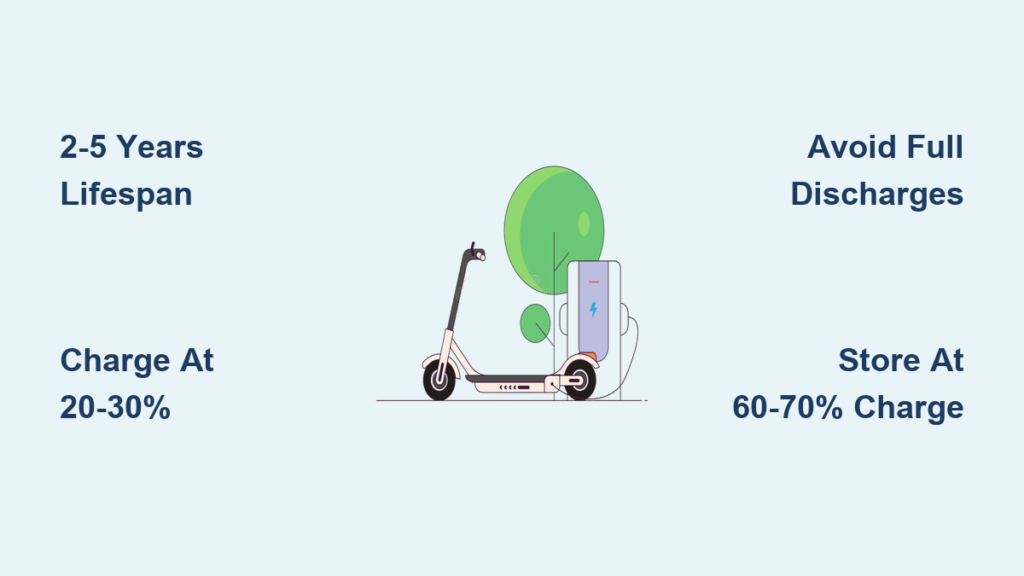
If you’re relying on an electric scooter for your daily commute or weekend adventures, one question inevitably comes up: how long do scooter batteries last? The answer isn’t just a number. It depends on battery type, usage habits, and how well you care for it. On average, most electric scooter batteries last between 2 to 5 years, or 300 to 1,000 full charge cycles, before needing replacement. But with the right practices, some high-end models can last over a decade. Battery life also impacts performance. After about 500 cycles, you may notice a 20% drop in range, and by 1,000 cycles, capacity can fall by 30–40%. The good news? You’re not powerless. How you charge, store, and ride your scooter plays a huge role in how long the battery lasts.
In this guide, you’ll learn exactly what affects battery lifespan, how to extend it, and when it’s time to replace. So you can keep riding longer and save money in the long run.
Average Scooter Battery Lifespan by Type
Standard Lithium-Ion Batteries
Most electric scooters use lithium-ion batteries, which typically last 2 to 3 years with regular use. This estimate assumes daily charging and average riding conditions. The key metric here is charge cycles. A full cycle equals charging from 0% to 100%. Most standard batteries are rated for 300 to 500 cycles before capacity drops significantly. For example, a rider who charges every day will hit 500 cycles in under two years. After this point, expect reduced range and slower performance. Entry-level scooters like the Xiaomi Mi M365 often fall into this category, with users reporting noticeable degradation by the 18–24 month mark.
Premium Battery Performance
Premium scooters equipped with advanced lithium-ion or lithium-iron phosphate (LiFePO4) cells can last 4 to 5 years or more. These batteries are rated for 700 to 1,000+ charge cycles and are found in high-performance models like the Segway Ninebot Max or Dualtron Thunder. Some specialized mobility batteries, such as the LiTime 24V 25Ah, claim up to 4,000 life cycles at full depth of discharge, potentially lasting over 10 years with proper care. These extended lifespans come at a higher upfront cost but offer better long-term value, especially for frequent riders.
Mobility Scooter Batteries
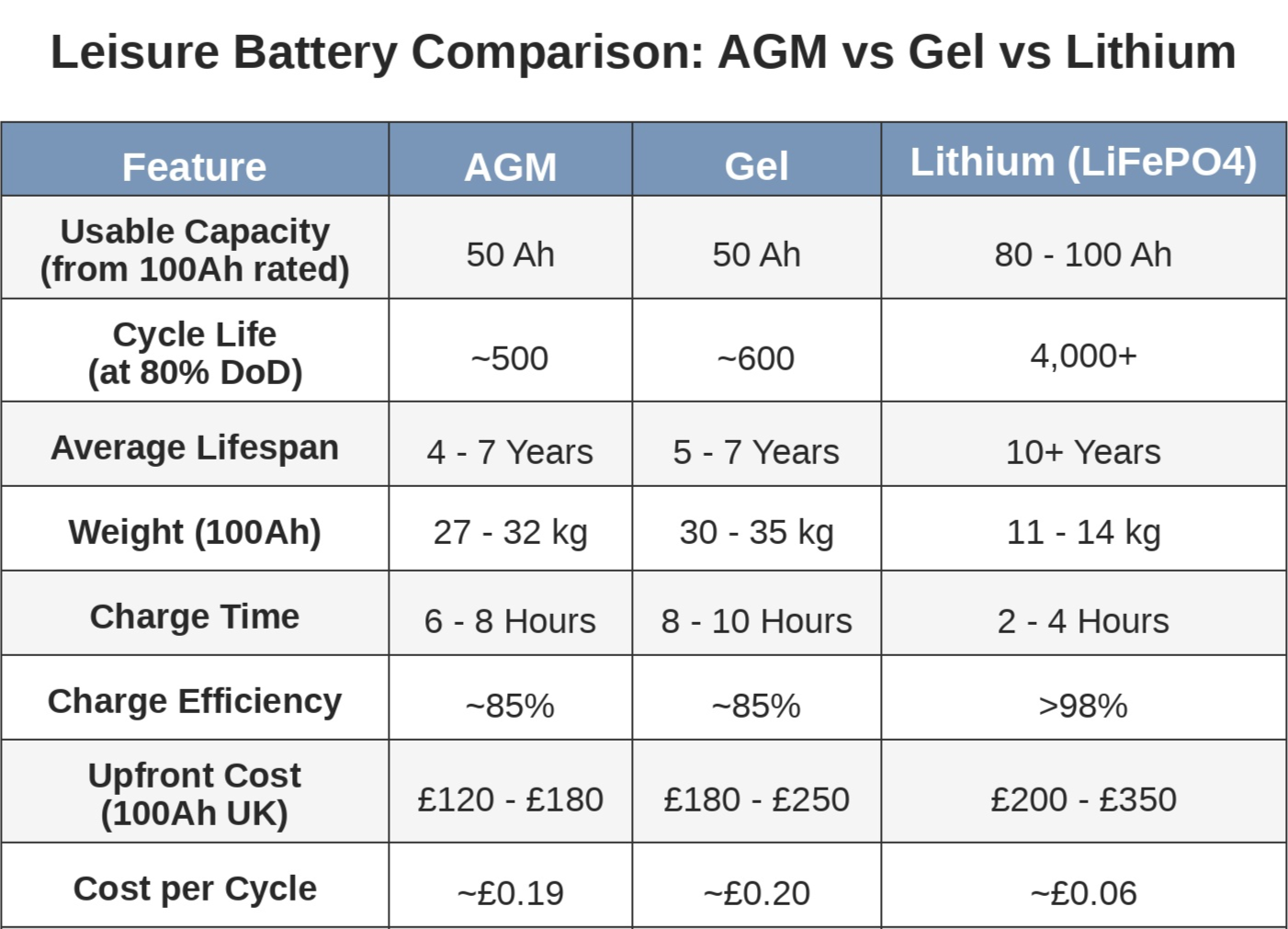
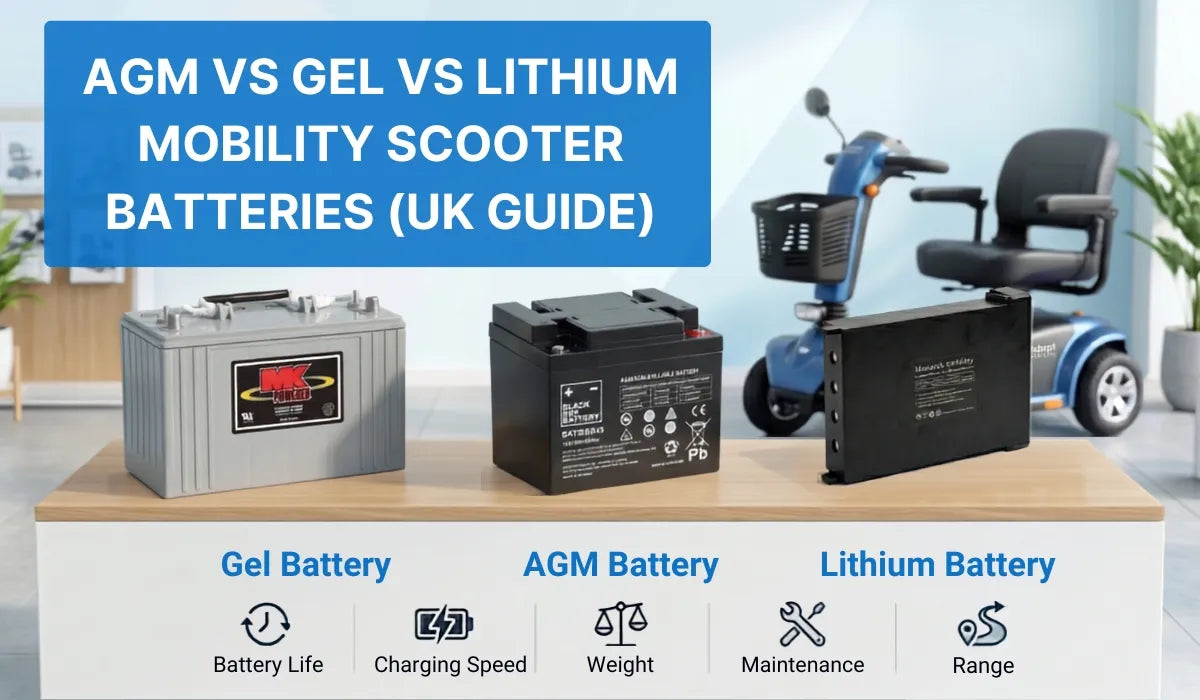
For users of mobility scooters, battery chemistry often differs. Many use AGM (Absorbent Glass Mat) or gel lead-acid batteries, which typically last 1.5 to 2 years with daily use. With infrequent use and proper maintenance, they may last 3 to 4 years. These batteries are heavier and less efficient than lithium-ion but are more affordable. Lead crystal batteries, a newer alternative, offer longer life and better deep-discharge tolerance, making them ideal for users who need reliability over time.
Understanding Charge Cycles and Years
How Cycles Translate to Years
The lifespan of a scooter battery is measured in charge cycles rather than calendar years. A single cycle is one full discharge from 100% to 0%, though partial discharges also count toward the total. Here’s what to expect based on usage:
- Daily riders may need replacement in 1–2 years
- Occasional users who follow best practices can get 4–5 years or more
- Premium batteries with 1,000+ cycle ratings can exceed 5 years with proper care
Capacity Degradation Over Time
After approximately 500 cycles, a battery may lose roughly 20% of its original capacity. By 1,000 to 2,000 cycles, capacity loss can reach 30–40%. This means your once-reliable 30-mile scooter might only manage 18–21 miles on a full charge. The degradation is gradual but accelerates after the 500-cycle mark.
Real-World Range Per Charge

Battery Capacity and Range
How far your scooter goes on a single charge depends on battery capacity, measured in watt-hours (Wh). Think of Wh like a fuel tank. Bigger capacity means longer range.
- Entry-level scooters (300Wh): 15–20 miles (24–32 km)
- Mid-range models (400–600Wh): 25–40 miles (40–64 km)
- High-end scooters (1,000Wh+): 50–60+ miles (80–96 km)
For example, the Segway Ninebot Max (551Wh) achieves up to 40 miles, while the Dualtron Thunder (over 2,000Wh) can exceed 60 miles under ideal conditions. However, real-world range varies based on rider weight, terrain, and weather.
Voltage and Speed Impact
Battery voltage (V) affects speed and power delivery. Higher voltage means faster acceleration and higher top speeds, but also faster battery drain.
- 24–48V systems: Top speeds of 25–37 mph (40–60 km/h), range 15–25 miles
- 52–60V systems: Top speeds of 40–50 mph (64–80 km/h), range 25–37 miles
Higher voltage doesn’t always mean better efficiency. If you’re riding at max speed frequently, even a large battery will deplete quickly.
What Shortens Battery Life
Cold Weather Effects
Lithium-ion batteries perform best at room temperature (around 20°C / 68°F). In cold weather, especially below 0°C (32°F), chemical reactions slow down, reducing available power and range by up to 30–50%. While riding in the cold won’t permanently damage the battery, charging a frozen battery can cause lithium plating, leading to irreversible damage. Always warm the scooter indoors before charging in winter.
Heat Exposure Risks
Temperatures above 40°C (104°F) accelerate battery degradation. Prolonged exposure to heat, like leaving your scooter in a hot car or direct sunlight, can cause permanent capacity loss and increase the risk of thermal runaway, a dangerous condition that can lead to fire. Store your scooter in a cool, shaded place, especially in summer.
Rider Weight and Load Impact
The total weight (rider plus cargo) directly affects battery drain. Heavier loads force the motor to work harder, increasing power draw. Riding near the scooter’s maximum weight limit can reduce range by 20–40% and accelerate wear on both the motor and battery. Always check your scooter’s weight rating and stay within it for optimal performance.
Aggressive Riding Style
Aggressive riding, rapid acceleration, hard braking, and sustained top speeds, drains the battery much faster than smooth, steady riding. Think of it like driving a car. Sprinting uses more fuel than cruising. Similarly, hilly terrain, rough roads, and headwinds increase resistance, forcing the battery to discharge more quickly. Using Eco Mode when possible can extend range by up to 30%.
Charging Habits That Extend Battery Life

Avoid Full Discharges
One of the fastest ways to kill a lithium-ion battery is deep discharging, letting it drop to 0%. This stresses the cells and increases internal resistance. Instead, recharge when the battery reaches 20–30%. This habit alone can double your battery’s lifespan.
Optimal Charge Range
Lithium-ion batteries thrive when kept between 20% and 80% charge. For daily use, especially short trips, avoid charging to 100% unless you need the full range. Charging to 80% reduces stress on the cells and slows degradation. Reserve full charges for long rides only.
Wait Before Charging After Use
After a ride, especially a long or high-speed one, the battery is hot. Charging a hot battery increases internal stress and accelerates aging. Always wait 20–30 minutes after riding before plugging in. This simple step can significantly extend battery life.
Prevent Overcharging
While most modern scooters have smart chargers that cut off at 100%, leaving the scooter plugged in for hours (especially overnight) can still cause voltage stress. If your charger doesn’t have a smart shutoff, unplug it as soon as charging is complete. Avoid cheap, unapproved chargers. They often lack safety features and can damage the battery or create fire hazards.
Proper Storage for Long-Term Health
Ideal Charge Level for Storage
If you’re not using your scooter for weeks or months, never store it at 0% or 100% charge. A fully charged battery creates high internal voltage stress, while a dead battery can suffer deep discharge failure. The sweet spot is 40% to 80%, ideally 60–70%. This keeps the cells stable and minimizes degradation.
Best Storage Environment
Store your scooter indoors in a dry, temperature-controlled environment (15–25°C / 60–77°F). Avoid garages, sheds, or car trunks where temperatures fluctuate. Extreme heat or cold during storage can permanently damage the battery.
Maintenance During Inactivity
Even in storage, batteries slowly self-discharge. To prevent voltage from dropping too low, recharge every 2–3 months to maintain the 60–70% level. This is especially important for lead-acid batteries (AGM, gel), which degrade faster when left uncharged.
Battery Types Compared
| Feature | Lithium-Ion | AGM | Gel | Lead Crystal |
|---|---|---|---|---|
| Lifespan | 2–5+ years | 1.5–2 years | 1.5–2 years | 3–5+ years |
| Weight | Light | Heavy | Heavy | Heavy |
| Cycle Life | 300–1,000+ | 200–300 | 200–300 | 500–1,000 |
| Cost | Higher | Low | Moderate | Moderate-High |
| Best For | Commuting, performance | Budget use | Off-road | Longevity |
Why Lithium Wins for Longevity
Lithium-ion batteries are lighter, more efficient, and longer-lasting than lead-acid options. They’re also maintenance-free and leak-proof. Despite the higher upfront cost, their longer replacement intervals make them more cost-effective over time. For daily riders, lithium is the clear choice.
When Lead-Acid Makes Sense
AGM and gel batteries are cheaper and suitable for occasional users or mobility scooters where portability isn’t a priority. However, their shorter lifespan and heavier weight make them less ideal for frequent use.
Signs Your Battery Needs Replacement

Reduced Range on Full Charge
The most obvious sign is shorter range. If your scooter used to go 30 miles but now struggles to reach 20, even after a full charge, the battery is degrading. A 20–30% drop in capacity is a strong indicator it’s time to consider replacement.
Charging Takes Too Long or Too Short
If charging now takes much longer than it used to, the cells are weakening. Conversely, if the battery reaches 100% in an unusually short time but doesn’t last, it’s likely holding less charge due to internal damage.
Unexpected Shutdowns and Power Drops
Shutting down mid-ride, even with 30–50% battery showing, means the battery can’t sustain power under load. This is a clear sign of cell imbalance or failure.
Swelling, Heat, or Physical Damage
A bulging or swollen battery is dangerous and must be replaced immediately. Similarly, if the battery gets excessively hot during use or charging, it could be a sign of internal short circuits or thermal issues.
Tips to Maximize Battery Lifespan
Use the Right Charger
Always use the manufacturer-approved charger. Mismatched voltage or amperage can overheat the battery or cause permanent damage. Cheap, third-party chargers often lack safety protections and increase fire risk.
Keep Charging Port Clean
Dust, moisture, or debris in the charging port can cause poor connections or short circuits. Wipe the port and charger plug with a dry cloth before each use. Check for corrosion or bent pins regularly.
Perform Monthly Inspections
Check the battery casing for cracks, leaks, or swelling. Inspect wiring and connections for looseness. Early detection of physical issues can prevent safety hazards and extend usability.
Ride Smart, Charge Right
- Use Eco Mode when possible
- Avoid full throttle starts
- Maintain proper tire pressure to reduce rolling resistance
- Recharge at 20–30%, not 0%
- Charge to 80% for daily use
These small habits add up to years of extra battery life.
Frequently Asked Questions About Scooter Battery Life
How many years does an electric scooter battery typically last?
Most electric scooter batteries last 2 to 5 years depending on battery type and usage. Standard lithium-ion batteries last 2–3 years, while premium batteries with higher cycle ratings can last 4–5 years or more with proper care.
How many charge cycles can a scooter battery handle?
Standard lithium-ion batteries handle 300 to 500 charge cycles before significant capacity loss. Premium batteries can endure 700 to 1,000+ cycles. A charge cycle is one full discharge from 100% to 0%, though partial discharges also count toward the total.
Does riding in cold weather damage scooter batteries?
Cold weather doesn’t permanently damage lithium-ion batteries, but it does reduce range by 30–50%. However, charging a frozen battery can cause lithium plating and permanent damage. Always warm the scooter indoors before charging in winter.
Should I charge my scooter after every ride?
Yes, charge your scooter after every ride, even short ones. Avoid leaving the battery depleted for extended periods. For daily use, charge to 80% rather than 100% to reduce stress on the cells and extend overall lifespan.
What is the best way to store a scooter battery long-term?
Store the battery at 60–70% charge in a dry, temperature-controlled environment (15–25°C). Recharge every 2–3 months to prevent self-discharge from dropping the voltage too low. Never store at 0% or 100% charge.
Key Takeaways for Extending Scooter Battery Life

Your scooter’s battery doesn’t have to die in two years. With smart charging, proper storage, and mindful riding, you can double or even triple its lifespan. The most important habits are recharging at 20–30% instead of waiting for 0%, avoiding full charges unless necessary, and storing the battery at 60–70% in a temperature-controlled environment. Using the manufacturer-approved charger and keeping the charging port clean also go a long way. Whether you’re a daily commuter or weekend rider, following these guidelines will keep your scooter running strong and save you hundreds on premature replacements.