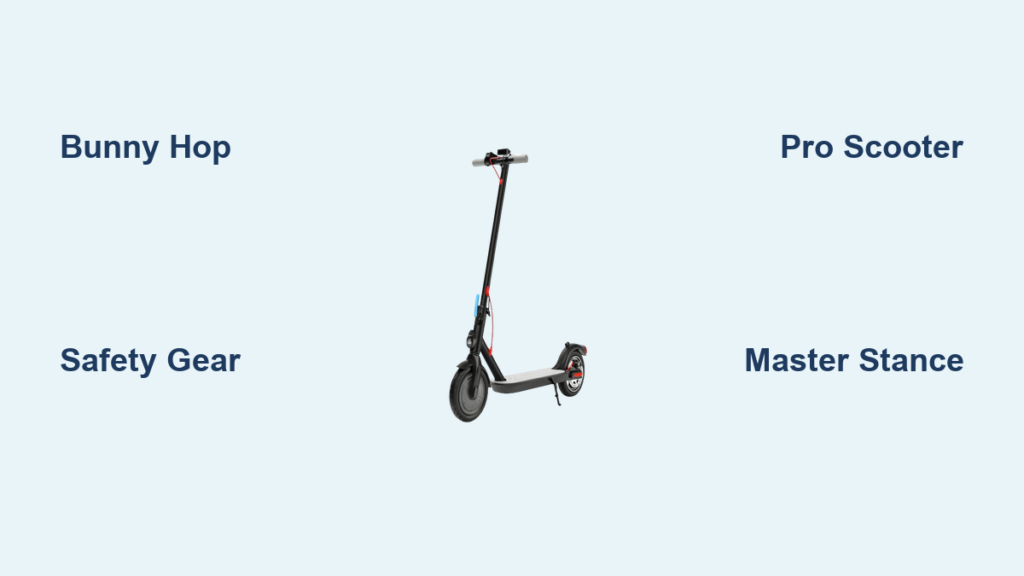
Learning how to do a scooter trick starts with control, not complexity. Whether you’re eyeing your first bunny hop or aiming for a backflip, every pro rider began exactly where you are, on flat ground, focused on balance and safety. The key is not raw talent but repetition, proper setup, and mastering fundamentals before progressing. This guide breaks down exactly how to do a scooter trick, from gear selection to advanced combos, using the most effective progressions and techniques.
Choose the Right Scooter for Tricks
Avoid department-store models when learning how to do a scooter trick. Cheap scooters are too heavy, wobbly, and fragile for tricks. They hinder progress and increase injury risk. Instead, invest in a pro model designed for stunt riding.
Select a performance scooter with these features:
- Lightweight aluminum or steel decks
- Threadless forks for durability
- Wider handlebars for better control
- High-rebound polyurethane wheels
- Shorter decks with strong grip tape
Match your scooter to your height, not your age. A scooter that’s too big throws off balance, while one too small feels twitchy. Test ride before buying if possible.
Gear Up for Safety Before Learning How to Do a Scooter Trick
Wear full protective equipment for every session. Every rider needs a helmet, knee pads, elbow pads, and wrist guards. This gear lets you commit to tricks without fear. Falls are part of learning, but protection keeps them minor.
Inspect your scooter before riding. Check that clamps and bars are tight, deck bolts are secure, grip tape is in good condition, and wheels spin smoothly with no bearing roughness. A loose part can cause a crash mid-trick.
Find Your Natural Stance
Identify whether you’re regular or goofy. Regular riders have their left foot forward, while goofy riders have their right foot forward. Your dominant foot, the one you use to kick a ball, usually goes in the back for power and stability.
Test both stances by rolling in both directions. Whichever feels more balanced is your natural stance. Stick with it for consistency throughout your learning.
Master the Neutral Rolling Stance
Stand centered and balanced with feet shoulder-width apart, knees slightly bent, and weight over the deck. This is your home base for all tricks.
Avoid leaning too far forward or hanging off the back wheel. Leaning forward risks looping out, while hanging off the back destabilizes manuals. Stay centered for control.
Learn to Stop Confidently
Use the rear brake plus foot down to stop. Roll slowly, apply the brake, and gently place your back foot down. Control beats speed every time.
Building commitment confidence matters. Knowing you can stop on command lets you focus on tricks instead of bailing early out of fear.
Master the Bunny Hop First
The bunny hop is the foundation of 90% of scooter tricks. Tailwhips, 180s, no footers, and grinds all start with a clean hop.
Execute a bunny hop with these steps:
- Roll at a slow, steady pace
- Bend knees deeply to preload
- Jump upward with your legs
- Pull the bars up with your arms
- Lift both feet so the scooter floats level
Power comes from your legs, not your arms. The scooter follows your body. Common mistake: arms-only pull prevents the scooter from leaving the ground cleanly.
Success means all four points clear the ground at the same time, both wheels and both feet.
Practice Flat Ground Balance Tricks
Learn the manual wheelie by rolling forward in neutral stance, shifting weight slightly back, and gently pulling bars up to lift the front wheel. Balance on the rear wheel using your back foot and knees. Find your sweet spot, too far back causes a loop out, too little lift drops the front wheel.
Try a one-footed manual once stable. Lift one foot and balance with the other to build advanced control.
Ride fakie backward by facing forward while moving backward. Lean over the handlebars, not backward. Remember the counter-steering rule: turn bars right to go left, turn bars left to go right.
Attempt the nose pivot by leaning forward and pushing on bars to lift the back wheel, then pivoting the scooter 180 degrees on the front wheel. Use fakie riding as a transition into this trick.
Land a flat 180 by performing a clean bunny hop, turning your head and shoulders in the direction of the spin, letting the scooter rotate 180 degrees in air, and landing in switch stance. Avoid forcing the spin with the bars, lead with your eyes and shoulders instead.
Try No-Handed and Body Tricks
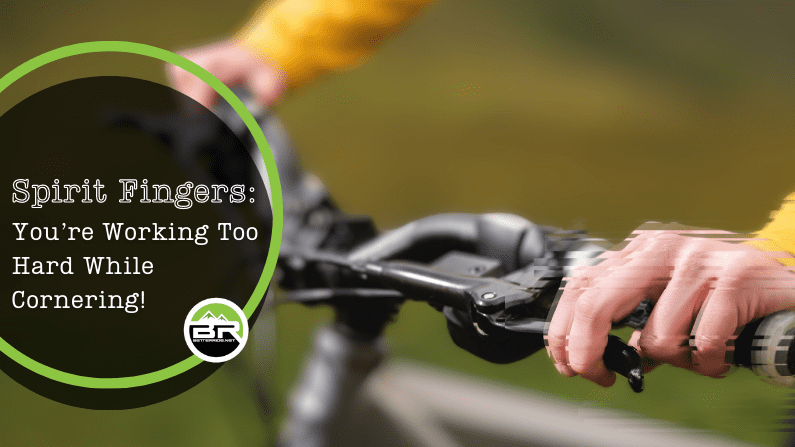
Spirit fingers requires turning handlebars backward, placing weight on your back foot, extending arms out for balance, and riding without hands. Backward bars prevent oversteering and keep you balanced.
No footer builds air awareness. Bunny hop high, kick both feet out straight, ride mid-air briefly, then land cleanly.
One footer is the same concept but kick out only one foot. Try front and back to see which feels better.
Sex change involves bunny hopping and switching stance mid-air from regular to goofy or vice versa. Jumping adds style but is not required.
Mag hop improves coordination between body and scooter. Jump with your legs first, then pull the scooter up with your arms. This creates a delayed deck lift.
Learn Advanced Deck and Bar Tricks

The tailwhip is the ultimate milestone trick. Progression starts with hop whip, kicking the deck halfway around and catching it, then advances to full tailwhip completing a 360-degree rotation.
Execute a tailwhip by jumping straight up, not forward. At peak height, kick the deck with your back foot or flick with your wrist. Track the deck with your eyes throughout the rotation. Catch and land with bent knees. Common failure: looking away or jumping forward kills airtime. Time to master: 3 to 8 weeks with daily practice.
Barspin basics involve spinning handlebars 360 degrees in the air. Progress from half bar throwing one grip to the other hand, then to full barspin spinning bars in a full circle.
Try the EXO trick by performing a half barspin and continuing turning until forearms cross, forming an X shape with your arms. This is easier for long-armed riders.
Lightsaber looks flashy. Grab both grips with one hand, jump, remove the other hand, and reach behind to grab the bar again.
Progress to Ramp and Air Tricks
Get air on a ramp by approaching with speed, letting your head lead up the transition, turning your body to face the landing, and bending knees to absorb impact. Look where you want to land.
Tailwhip airs are the same as flat tailwhips but performed above the coping. You must catch the deck cleanly to progress. No catch means no combo is possible.
Attempt a 360 spin by bunny hopping with speed, twisting shoulders in the spin direction, keeping the nose close to your chest, and rotating full 360 degrees before landing switch.
Backflip is pro level only. Prerequisites include mastering trampoline flips, foam pit practice, or resi ramp practice before attempting on concrete. Ride with speed, throw your head back, tuck knees tightly, launch off the lip, spot the landing, and extend legs. Use a pro scooter to survive the impact.
Build Trick Combinations and Flow

Chain tricks together once basics are solid. Try fakie into nose pivot into 180, or 180 into fakie rollout, or disaster into whip into land.
Add style variations like spirit fingers during manual, swan with foot over bars, or no footer after 180. Style turns tricks into art.
Avoid Common Mistakes When Learning How to Do a Scooter Trick
Arms-only hopping fails because power comes from legs. Fix by driving jumps with your legs first, arms follow.
Looking away during spins causes missed landings. Fix by tracking the deck with your eyes, especially in tailwhips.
Jumping forward instead of up kills airtime. Fix by practicing straight-up hops.
Wrong stance or foot placement ruins balance. Fix by rechecking neutral stance and adjusting scooter size if needed.
Skipping basics leads to frustration. Fix by mastering bunny hop, manual, and 180 before attempting backflips.
Practice Smart, Not Just Hard
Daily short sessions beat weekly long ones. Ten minutes daily beats two hours once a week.
Break tricks into steps. Master half barspin before full barspin. Hop whip before tailwhip.
Film yourself to review footage and spot form errors. Compare week-to-week progress.
Stay patient. Progress is not linear. Some days feel stuck, keep going anyway.
Frequently Asked Questions About How to Do a Scooter Trick
How long does it take to learn a bunny hop?
Most riders learn a basic bunny hop within a few days of consistent practice. Focus on using leg power rather than just pulling up with arms.
What is the best scooter for learning tricks?
Pro models from brands like Envy and Grit are recommended. Look for lightweight aluminum decks, threadless forks, and quality polyurethane wheels.
Do I need safety gear to learn scooter tricks?
Yes, full protective equipment is essential. Always wear a helmet, knee pads, elbow pads, and wrist guards. Falls are part of learning.
What is the hardest scooter trick to learn?
The backflip is considered the hardest. It requires months of progression, mastery of trampoline flips, and practice in foam pits before attempting on concrete.
Can I practice scooter tricks indoors?
Yes, wheeless trick scooters with rocker bases allow indoor practice on carpet, wood, or trampolines. This enables daily repetition regardless of weather.
Key Takeaways for Learning How to Do a Scooter Trick
Mastering how to do a scooter trick is not about landing it once. It is about doing it nine times out of ten, cleanly, under control. True mastery means linking tricks into flow, adapting to terrain, and riding with confidence.
Start with safety and build on the bunny hop. Respect the progression, practice daily, and stay patient through plateaus. Whether you are learning your first manual or chasing a backflip, every great rider started right here. Now it is your turn to ride.