If you have ever wondered how to charge Lime scooters and potentially earn extra income, you are not alone. Thousands of independent contractors, known as Juicers, do this every day across hundreds of U.S. cities. Charging Lime scooters is not just about plugging in a device; it is a structured gig economy role involving logistics, battery management, and smart routing. Whether you want to make a few hundred dollars a week or turn it into a full side hustle, understanding the process is key. This guide breaks down everything you need to know, from signing up and getting equipment to charging procedures, pay rates, and avoiding common pitfalls.
You do not need special technical skills, but you do need a smartphone, reliable transportation, and access to standard electrical outlets. The core idea is simple: collect low-battery scooters, charge them or swap batteries, and return them to high-demand zones. In return, Lime pays you per task. Success depends on knowing the system inside out, from app navigation to photo verification rules that can make or break your earnings.
Join the Lime Juicer Program
Before you can charge Lime scooters, you must become an approved contractor through Lime’s independent worker program. The registration process is straightforward but requires some preparation and patience.
Meet Basic Eligibility Requirements
To qualify as a Lime Juicer, you must meet these requirements:
You must be at least 18 years old and have a valid government-issued ID, such as a driver’s license. You must be legally authorized to work in your country, which means U.S. residents need an SSN or ITIN. You also need a smartphone compatible with the Lime Supply app, available for iOS and Android. No prior experience is required, but reliability and attention to detail are essential for success.
Register Through the Lime Supply App
The registration process involves several steps that you must complete in order.
First, download the Lime Supply app from the App Store or Google Play. Next, create an account by entering your personal details and contact information. Then, complete the How to Juice training tutorial, which covers safety, scanning, and drop-off rules. After that, sign the Independent Juicer Agreement outlining responsibilities and pay terms. Finally, wait for approval, which typically takes 1 to 2 weeks. You will receive an email when you are approved.
Once accepted, you will gain access to available tasks in your city, displayed as color-coded icons on the map.
Get Your Charging Equipment
You will need Lime-compatible chargers to begin charging scooters. Standard chargers cost approximately $19 each, but promotional codes often reduce this to $1 or free plus shipping. Bulk packs of four are available, and some users report receiving up to 4 free chargers with certain promotions. You can purchase chargers from the Lime Store, Amazon, or through Logistics Partners.
Pro Tip: Watch for seasonal promotions. Many new Juicers start with nearly free equipment when they sign up during promotional periods.
Understand Task Types and Pay Rates
Lime uses a color-coded task system in the Supply app. Each task type has different pay rates, time windows, and requirements. Understanding these differences is crucial for maximizing your earnings.
Charge Tasks (Brown Icons)
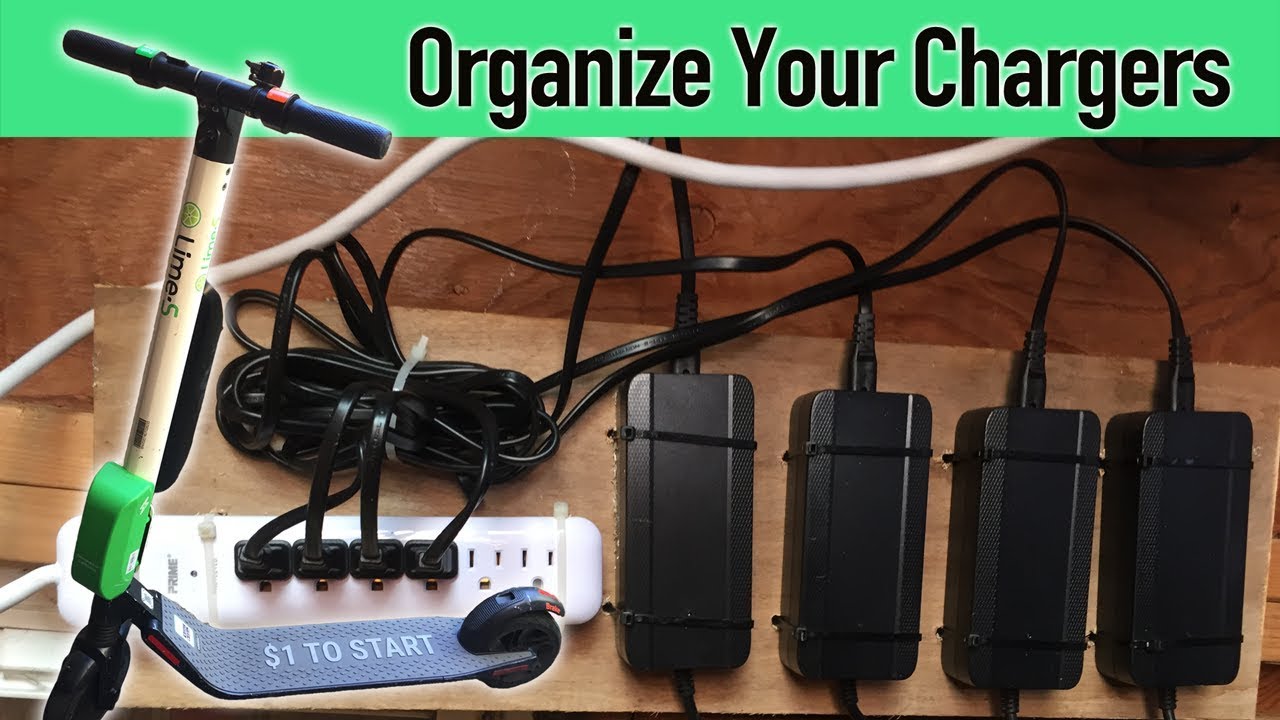
Brown icons represent charge tasks, which involve older scooters without swappable batteries. These require you to pick up the scooter, charge it overnight, and return it to a deployment hub.
The pickup window is between 10:00 a.m. and 7:00 p.m. You must complete the drop-off 7 hours before the next cycle, which is usually early morning. Batteries must reach at least 95% charge to receive full pay, with 100% recommended to prevent degradation. Pay ranges from $3.20 to $5.75 per scooter depending on your city. Seattle pays $5.75, Austin pays $4.80, and Denver pays $4.40.
Failure to meet the 95% threshold after drop-off results in pay deductions.
Battery Swap Tasks (Blue Icons)
Blue icons represent battery swap tasks on newer models that allow quick battery replacement instead of full charging. This process takes less than one minute, making it one of the fastest ways to earn.
The pay range is $2.50 to $4.50 per swap. Seattle pays $4.50, Austin pays $3.50, and Denver pays $3.25. You must check out pre-charged batteries from a Lime warehouse before starting these tasks.
Move Tasks (Green Icons)
Green icons represent move tasks used to rebalance scooters to high-demand zones. These pay $1.00 to $5.00 per scooter and $2.50 to $6.00 per bike. Some inactive units pay bonuses of $10 to $20 to move. This task type is best for early mornings or late nights when demand shifts.
Retrieve Tasks (Red Icons)
Red icons represent retrieve tasks for collecting broken or non-functional scooters. These pay $2.00 to $6.00 per scooter and $2.00 to $7.00 per bike. The time window is 5 to 12 hours. Common reasons for retrieval include flat tires, software errors, and physical damage.
Deploy Tasks (Orange Icons)
Orange icons represent deploy tasks for delivering scooters from warehouse to deployment hubs. These pay $1.00 to $4.50 per scooter and $2.00 to $5.00 per bike. The typical time window is 4 hours, up to 12. These tasks are less profitable than charging or swapping, so only take them if higher-paying tasks are not available.
Set Up Your Charging Station
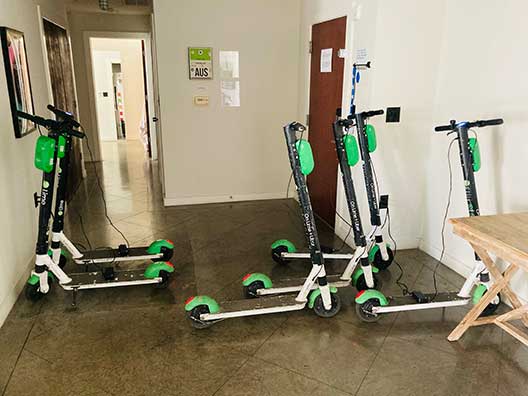
Efficient charging requires the right setup at home or in your garage. Taking time to organize your space properly will save you headaches later and help you charge more scooters at once.
Gather Essential Charging Tools
Beyond chargers, you will need several other items to set up an effective charging station.
You will need Lime-compatible chargers, at least one per scooter you plan to charge. A surge protector strip with 6 or more outlets and 15A minimum rating is essential for safety. A heavy-duty extension cord, preferably 20 feet and 14-gauge, helps reach outlets. A plastic tarp or mat protects floors from dirt and scratches. A label maker or tags helps organize chargers and match them to specific scooters.
Avoid charging in confined spaces like truck beds, where access and airflow are poor.
Optimize Charging Space Layout
Gen 4 scooters are large, measuring 40 inches long by 17 inches wide by 44 inches tall, and they are heavy. You must plan your space accordingly.
Arrange scooters in neat rows with space between them for heat dissipation. Use numbered labels on chargers to match specific scooters. Plug into a dedicated circuit if charging 6 or more units to avoid tripping breakers. The standard overnight charging window is 9:30 p.m. to 7:00 a.m.
A single power strip can handle 4 to 8 scooters, depending on amperage load.
Know Charging Time and Costs
Understanding how long charging takes and what it costs helps you plan your workflow and manage expenses.
The standard charging time is 4 to 6 hours from low to full battery. The variable range is 3 to 7 hours depending on the starting battery level. Best practice is to charge to 100% to prevent degradation and ensure full pay.
Electricity cost is estimated at $0.15 per scooter. Charging 20 scooters per month adds only $3 to $5 to your electric bill. Heavy users report increases of $5 to $10 per month, which is minimal impact.
Follow the Charging Workflow Step by Step
Executing tasks correctly ensures payment and helps you avoid penalties. Each task type has a specific workflow you must follow.
For Battery Swap Tasks (Blue Icons)
Battery swaps are the fastest task type, taking less than one minute per scooter when you know what you are doing.
First, check out batteries by visiting a Lime warehouse during operating hours. Next, scan the new battery using the app to scan the QR code on the back. Then, find the blue icon on the map and tap to reserve the task, which expires in 1 hour. Scan the scooter QR code on the handlebars or center frame. Swap the old battery for the new one and tap Complete in the app to log the swap. Finally, return the dead battery by placing it on the designated table at the warehouse. No scan is needed for returning dead batteries.
For Charge Tasks (Brown Icons)
Charge tasks require more time and planning since you must wait for the battery to reach full charge before returning the scooter.
First, find brown icons on the map and reserve the scooter within the pickup window. Scan the QR code and load the scooter into your vehicle. Transport safely using a cart, trailer, or secure truck bed. Plug in at home, connecting to the charger and surge protector. Wait for full charge overnight, reaching 95 to 100%. Prepare for drop-off by waiting until 7 hours before the next cycle. Tap Drop Off in the app and select a hub with black icons showing available spots. Reserve your spot, which gives you 1 hour to complete the drop-off. Scan each scooter QR code to deploy. Position the scooters correctly in marked zones, aligned and spaced properly.
Avoid Photo Rejection
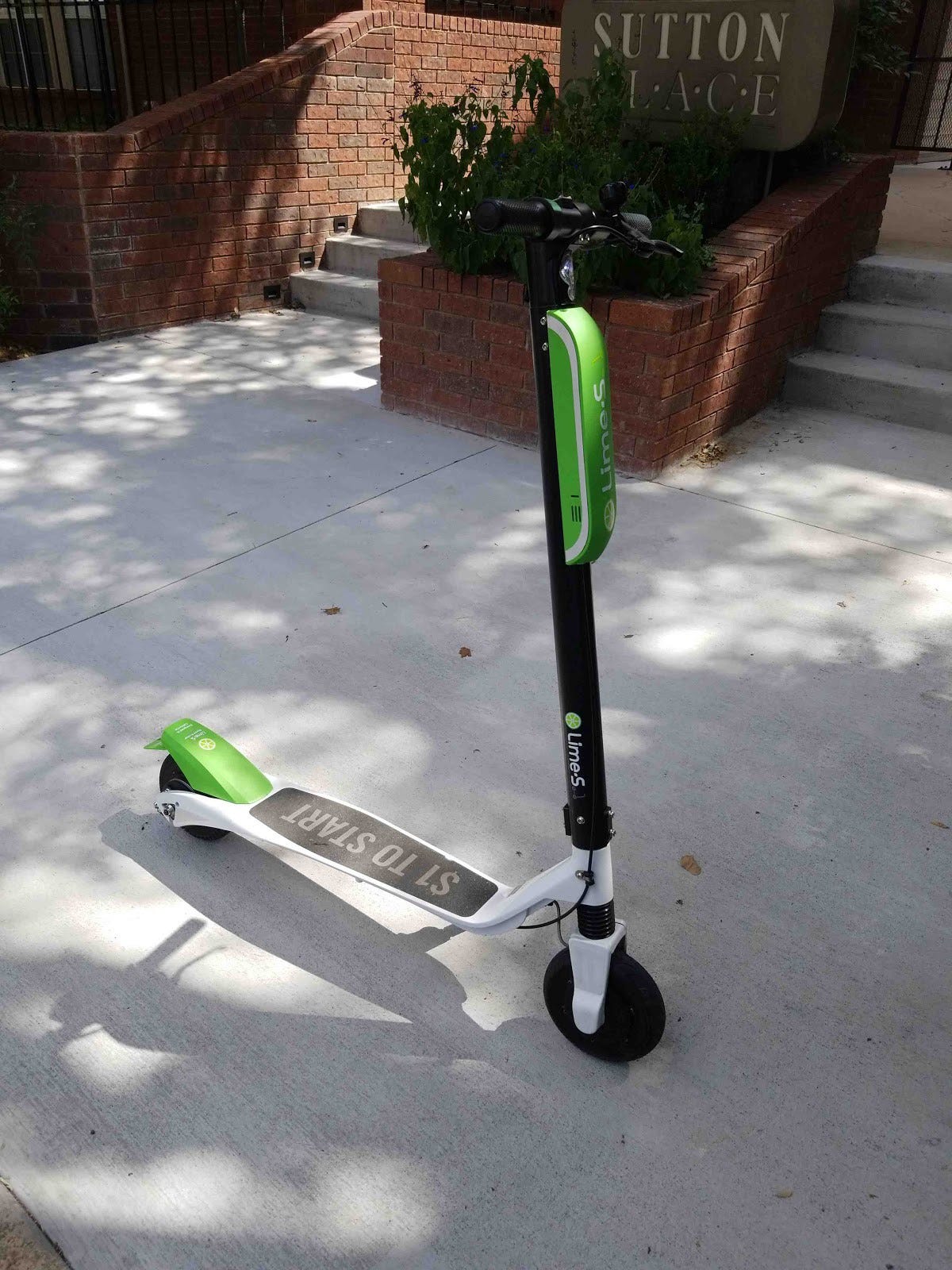
Over 60% of drop-offs are rejected due to poor photos. This is the most common reason Juicers lose money.
To avoid rejection, ensure good lighting with no shadows or glare. Stand at the correct distance. The app auto-captures, so being too close results in blurry images. Show all scooters clearly in frame. Confirm no obstruction of sidewalks, crosswalks, or traffic lanes.
If rejected, you will not get paid, so get it right the first time.
Maximize Earnings and Avoid Penalties
Smart strategies separate average Juicers from top earners. By focusing on the right tasks and working during optimal hours, you can significantly increase your income.
Target High-Paying Tasks
Focus your efforts on the most profitable task types.
Charge tasks average $4.43 per scooter, making them one of the highest-paying options. Retrieve tasks average $4.10 per scooter. High-bonus move tasks pay $10 to $20 for idle units. Avoid low-paying Deploy tasks unless nothing else is available.
Work During Prime Hours
When you work matters as much as what you do.
The best times to juice are evenings between 7 p.m. and 10 p.m., when scooters deplete after daily use. Overnight between 10 p.m. and 6 a.m. offers less competition and easier access. Early mornings between 4 a.m. and 7 a.m. let you drop off before demand spikes.
Avoid midday hours. Fewer low-battery scooters are available, and competition for tasks is higher.
Use Efficient Transport
Gen 4 scooters are bulky, and only 7 to 9 fit in a standard SUV. You need to maximize your capacity to earn more per trip.
Consider using a trailer or utility cart to increase capacity. Invest in a roof rack or cargo trailer for larger loads. Partner with another Juicer to share transport costs and increase capacity.
Trailers let you collect more scooters without making multiple trips.
Track Mileage for Tax Deductions
As an independent contractor, you are responsible for taxes, but you can deduct many business expenses.
The IRS mileage rate is $0.67 per mile for 2024. You can deduct the full purchase price of chargers and cords. You can claim a pro-rated portion of electricity used for charging. If you use a dedicated space for storage and charging, you may qualify for a home office deduction. Vehicle costs including gas, maintenance, and insurance are deductible based on business use percentage.
Use apps like MileageWise or Everlance to log trips automatically for IRS compliance.
Handle Common Issues and FAQs
Even experienced Juicers face challenges. Knowing how to solve common problems saves time and money.
What If a Battery Will Not Charge?
Start by checking the connection to ensure the charger is fully plugged in. Inspect the port for dirt, corrosion, or damage. Try another charger to rule out faulty equipment. If the battery still will not charge, report it in the app. It may be flagged for replacement.
Older batteries degrade over 2 to 3 years. Lime eventually retires them.
Can You Charge Without a Car?
Yes, but it is harder. You can use a bike trailer or pickup truck. Focus on dense urban areas where scooters are close together. Prioritize battery swaps over full charging, since swaps require less transport time.
Remember that Gen 4 scooters weigh approximately 45 pounds. Lifting multiple solo is physically demanding.
Why Was My Drop-Off Rejected?
Common reasons for rejection include photos that are too dark or blurry, scooters not fully visible in the frame, obstruction of sidewalks or crosswalks, incorrect angle or distance, and missing QR scan confirmation.
Always review photo guidelines in the app before submitting your drop-off.
Do You Need a Logistics Partner?
Not always. Some cities operate directly through Lime. Others use third-party Logistics Partners who manage pay and distribution. Partners may provide chargers, training, or warehouse access.
Check your local program structure during registration to understand who you will be working with.
Stay Compliant and Safe
Operating as a Juicer comes with responsibilities beyond charging. Following safety protocols protects you and keeps you in good standing with Lime.
Follow Safety Protocols
Safety should always be your top priority.
Wear gloves to protect your hands when handling scooters. Lift properly by bending your knees to avoid back strain. Secure loads using straps or bungee cords in your vehicle. Avoid hazardous locations. Do not retrieve scooters from rivers, rooftops, or private property without permission.
Adhere to Geofencing Rules
Lime uses GPS to enforce parking compliance.
Scooters cannot be parked in restricted zones, including parks, sidewalks, and private lots. Drop-offs must be in designated hubs shown as black icons on the map.
This keeps cities organized and reduces fines for the company, which helps maintain your standing as a contractor.
Recycle Old Batteries Responsibly
Lime manages end-of-life batteries through their system.
Batteries are collected during retrieval or swap cycles. They are sent to certified facilities for recycling or repurposing. This complies with U.S. environmental and safety standards.
You do not need to dispose of batteries yourself.
Key Takeaways for Charging Lime Scooters Successfully
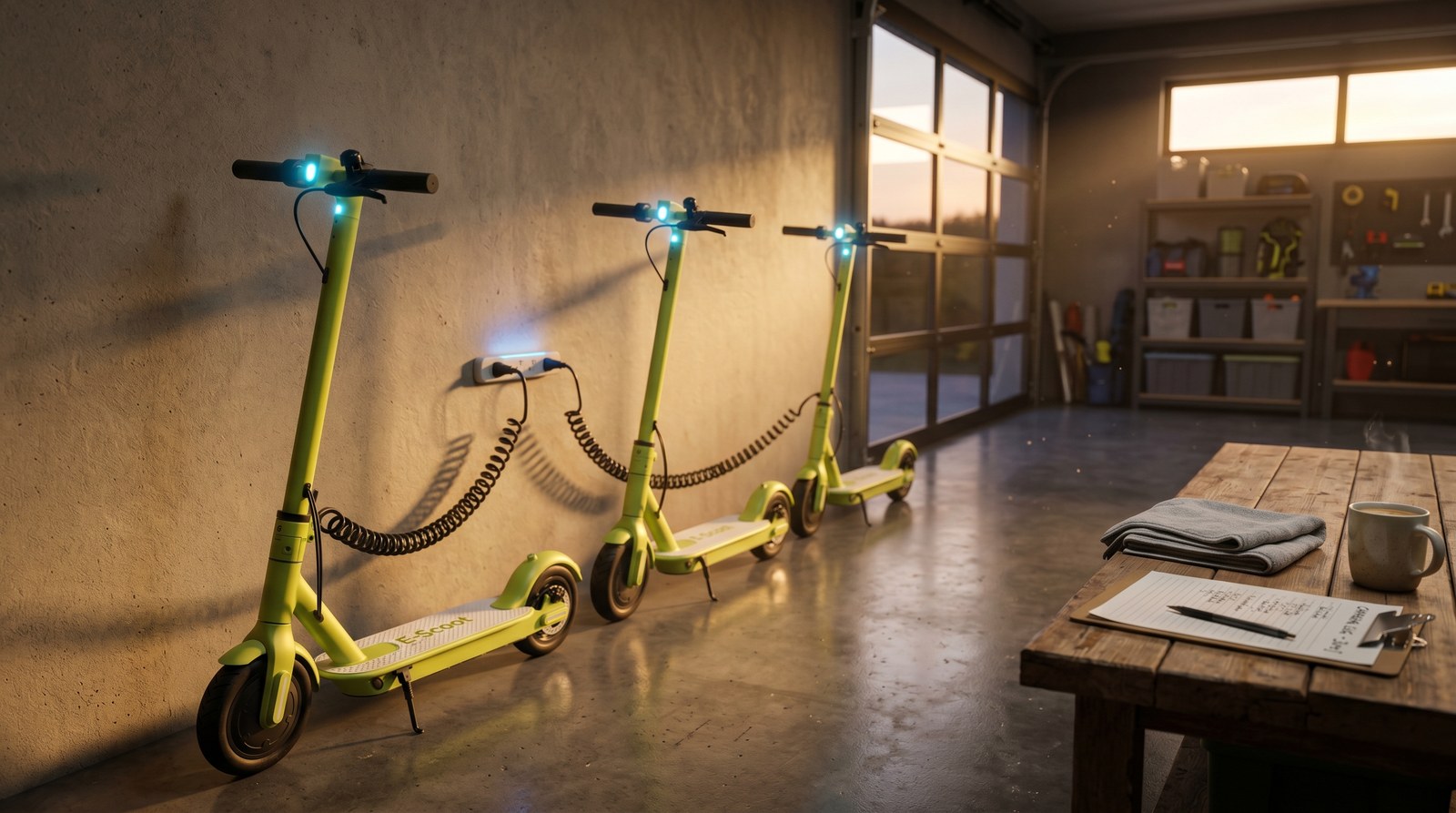
Charging Lime scooters is more than a side hustle. It is a window into the future of urban mobility logistics. With the right setup, discipline, and knowledge, you can turn spare time and a garage outlet into reliable income.
The most important things to remember are charge to 100% every time, photograph drop-offs perfectly to avoid rejection, and prioritize high-value tasks like charge and retrieve jobs over deploy tasks. Join local Juicer Facebook groups to share tips and get promo codes for equipment. Stay consistent with your schedule, working evenings and early mornings for the best task availability.
Realistic earnings average around $24.45 per hour after expenses, though top earners make $145 or more in under 3.5 hours. Weekly earnings range from $100 to $500 depending on your city and effort level.
Payment comes weekly through Hyperwallet or your Logistics Partner’s payment system.
Frequently Asked Questions About Charging Lime Scooters
How long does it take to charge a Lime scooter?
Standard charging time is 4 to 6 hours from low battery to full. The variable range is 3 to 7 hours depending on the starting battery level. Charging overnight to 7:00 a.m. drop-off is the standard workflow.
How much do Lime Juicers get paid per scooter?
Pay varies by city and task type. Charge tasks pay $3.20 to $5.75 per scooter. Battery swaps pay $2.50 to $4.50. Seattle offers the highest rates at $5.75 for charging and $4.50 for swaps.
What percentage do I need to charge the battery to get paid?
Batteries must reach at least 95% charge for full pay. Lime recommends charging to 100% to prevent battery degradation and ensure you receive complete payment. Pay deductions occur if battery levels drop below 95% after drop-off.
Do I need a car to be a Lime Juicer?
A vehicle is not strictly mandatory but is highly recommended. Gen 4 scooters weigh about 45 pounds and are bulky. You can use bike trailers or focus on dense urban areas, but a car significantly increases your capacity and earning potential.
Why are my drop-off photos being rejected?
Over 60% of drop-offs are rejected due to poor photos. Common issues include bad lighting, shadows or glare, incorrect distance causing blur, scooters not fully visible, and obstruction of sidewalks or traffic lanes. Review the app guidelines and ensure clear, well-lit photos with all scooters visible.