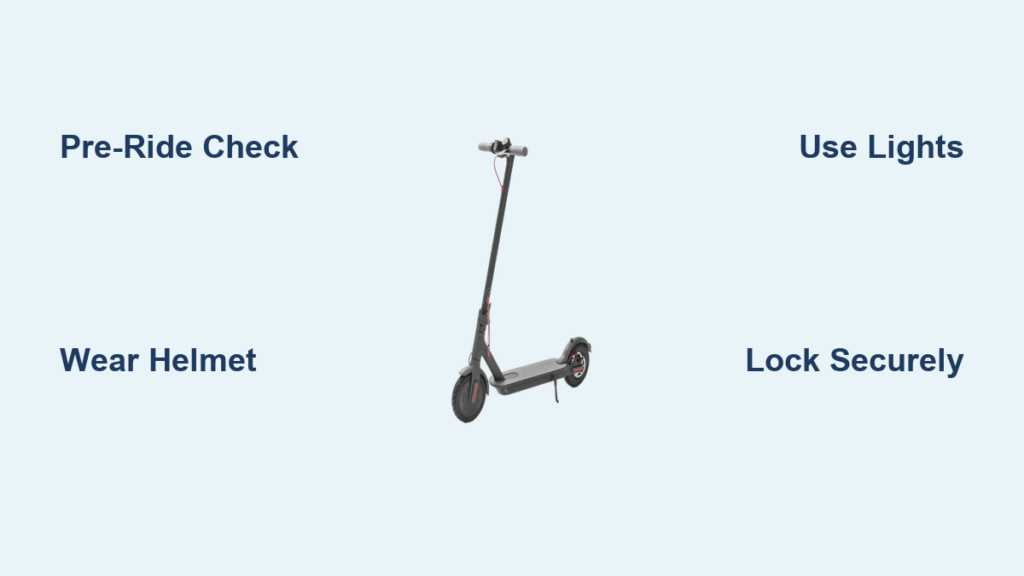
Every year, electric scooters become a more common sight on city streets, campuses, and bike paths. While they offer a convenient, eco-friendly way to travel short distances, they also come with real risks, especially when safety is overlooked. Scooter safety tips aren’t just for beginners; even experienced riders can benefit from a refresher on preventing accidents, avoiding mechanical failures, and staying visible on the road. Without proper precautions, a minor ride can quickly turn into a serious injury. This guide breaks down everything you need to know, from pre-ride checks and protective gear to traffic rules and post-accident steps, so you can ride with confidence and control.
Whether you’re commuting to work, running errands, or just enjoying a weekend cruise, following these evidence-based scooter safety tips dramatically reduces your risk of falls, collisions, and theft. You’ll learn how to inspect your scooter like a pro, choose the right gear, adjust settings for your skill level, and navigate traffic like a responsible rider. Most importantly, you’ll understand that safety isn’t a one-time setup; it’s an ongoing habit. Let’s dive into the practices that keep you protected every time you kick off.
Pre-Ride Inspection Checklist

A quick 2-minute check before every ride can prevent mechanical failures and dangerous surprises on the road. Skipping this step increases the risk of brake failure, flat tires, or even structural collapse. Make these checks part of your routine before every single ride.
Check Tire Pressure and Tread
Underinflated tires reduce battery life, make steering sluggish, and increase the chance of blowouts. Use a portable pressure gauge to confirm your tires are within the 40–65 PSI range, always referring to your scooter’s manual for exact specs. Spin each wheel and look for cracks, bulges, or uneven tread wear. If the rubber is splitting or the tread is worn down, replace the tire immediately. Carry a mini pump with the correct valve adapter so you can top off pressure on the go.
Test Brakes and Levers
Lift the front wheel off the ground and spin it. Apply the brake firmly. The wheel should rotate at least two full times before stopping. If it stops too quickly, the brake is over-tightened; if it spins freely with little resistance, the cable is too loose. Adjust tension via the P settings or physically tighten the brake cable until the lever feels firm but not stiff. Always test both brakes, and verify that brake lights activate when engaged.
Inspect Bolts and Folding Mechanism
Grab the handlebars and wiggle them side to side. Any looseness means critical bolts may be compromised. Check the stem, deck, and wheel axles. Use a wrench monthly, or after rough rides, to tighten all fasteners. If bolts loosen frequently, apply a drop of locktite to prevent vibration-related failure. Also inspect the folding latch: it should click securely and show no signs of wear or bending.
Confirm Battery and Lights
Plug in your scooter the night before long rides. Most take 3–10 hours to charge fully. Never leave it charging unattended for days. After charging, ensure the port is sealed to block moisture. Turn on the scooter and check all lights: front beam, rear tail light, brake light, and turn signals. On advanced models, use the CAN bus system to monitor battery health, temperature, and current draw. Abnormal readings may signal internal issues.
Wear the Right Protective Gear
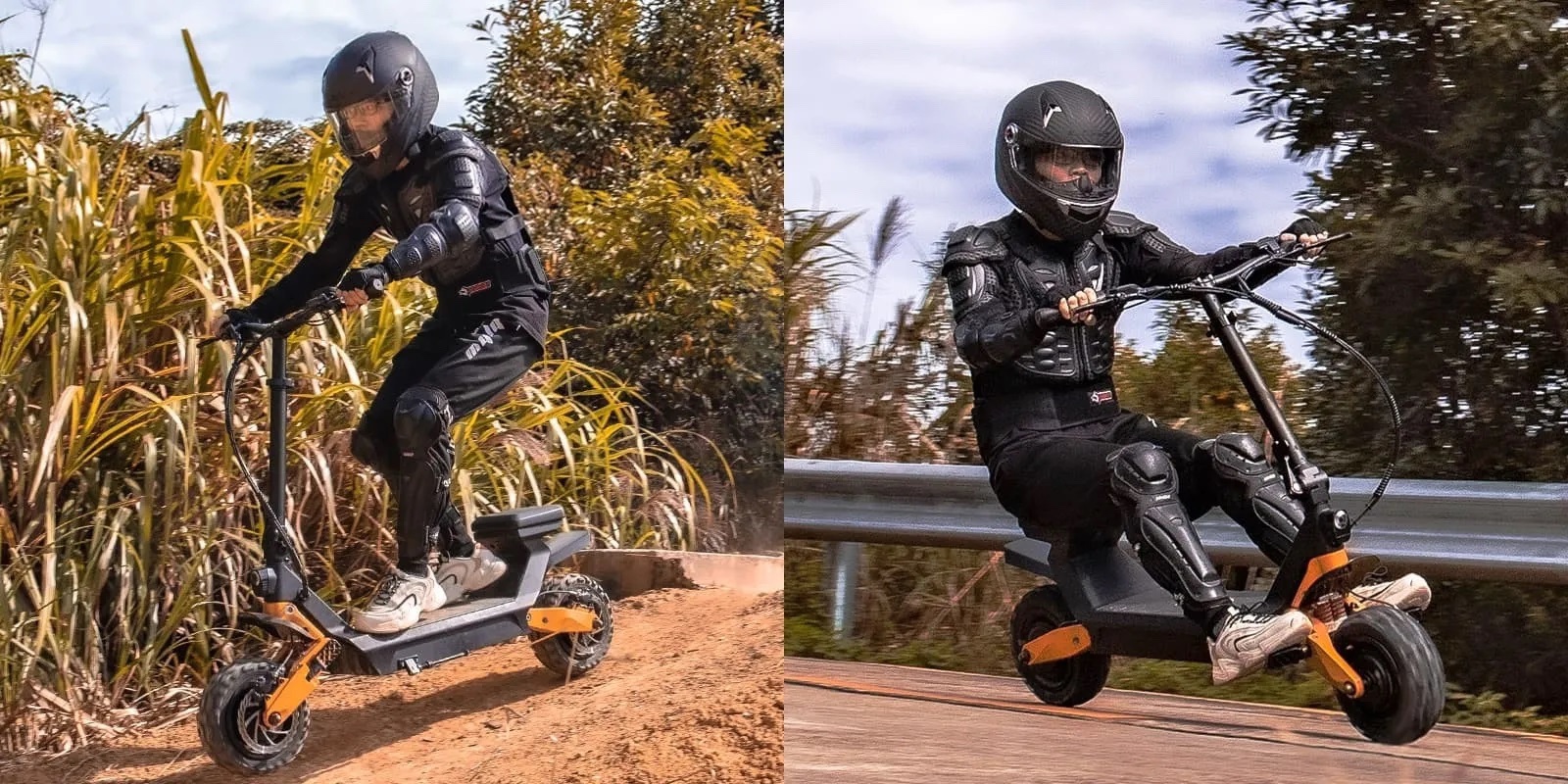
No amount of skill can replace proper protection. A helmet alone cuts head injury risk by up to 85%, but full-body gear gives you the best defense in a fall. Investing in quality protective gear is one of the most important scooter safety tips you can follow.
Always Wear a Properly Fitted Helmet
Your helmet should sit level on your head, not tilted back or forward. The chin strap must be snug, tight enough that you can’t fit two fingers between it and your skin. Shake your head: if the helmet moves, adjust the fit. Replace it after any impact, even if damage isn’t visible. In many cities, wearing a helmet is legally required. Don’t risk fines or worse.
Use Gloves, Pads, and Protective Clothing
Your hands hit the pavement first in most falls. Wear grip-enhancing gloves with padding to prevent road rash and maintain control. Wrist guards are essential for kids and new riders to prevent fractures. Add elbow and knee pads for extra joint protection, especially on rough surfaces. Wear a padded jacket or armor for high-speed rides. Closed-toe shoes with grippy soles keep your feet stable on the deck.
Boost Visibility with Bright or Reflective Wear
Riders in dark clothes are nearly invisible at night. Wear bright colors during the day and reflective strips or vests at dusk, dawn, or night. Some jackets even have built-in LED strips. Combine this with working front and rear lights to ensure drivers see you from all angles.
Set Up Your Scooter Correctly
Your scooter’s settings can make riding safer or more dangerous, depending on how they’re configured. Take time to customize them before hitting traffic. Proper configuration is among the most overlooked scooter safety tips.
Adjust P Settings for Skill Level
Access the parameter settings on your display to tailor performance. Switch between km/h and mph for accurate speed reading. Set regenerative braking to moderate at first, as strong deceleration can throw you off balance. Enable zero-start prevention to stop sudden lurching. Beginners should use kick-start mode, pushing off before the motor kicks in, until confident.
Disable Cruise Control by Default
Cruise control is risky, especially on hills. If you release the throttle at the top of an incline, the scooter may maintain or even accelerate, catching you off guard. Braking suddenly in this state can cause loss of control. Disable cruise control unless you’re an experienced rider on open, predictable roads.
Verify Advanced Safety Features
Modern scooters include critical tech. Traction control prevents skidding on wet or uneven surfaces. Multi-angle lighting improves visibility from all directions. Over-current and over-voltage protection prevents electrical damage. Real-time CAN bus monitoring alerts you to battery or motor issues mid-ride.
Follow Traffic Laws and Ride Defensively
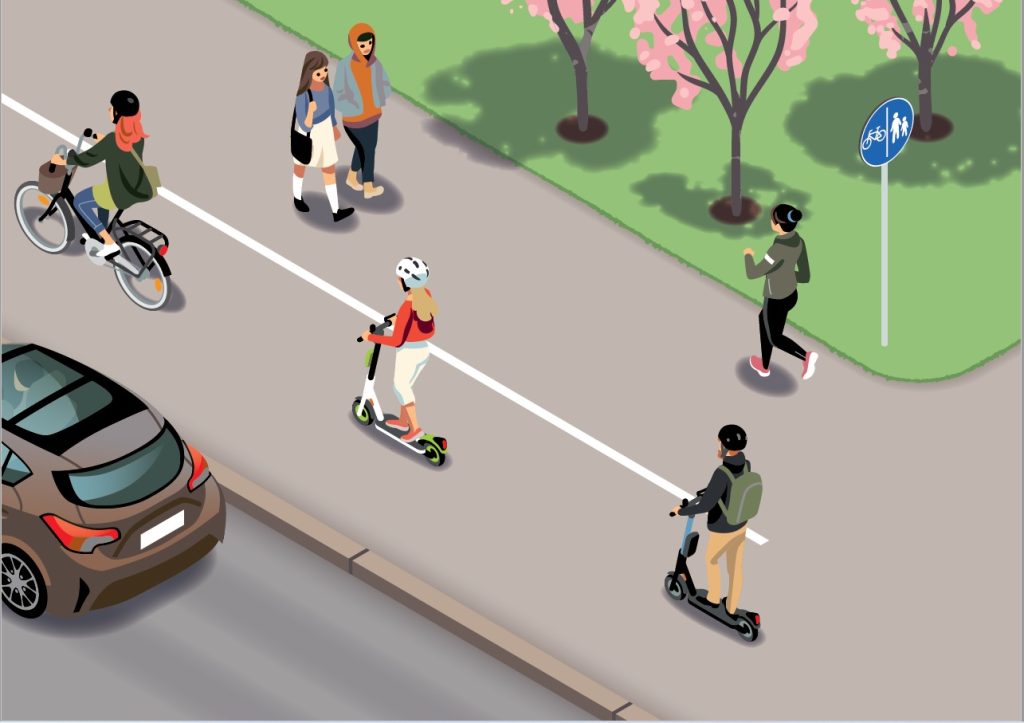
Scooters are treated like bicycles in most areas, meaning you must follow the same rules as cyclists, not pedestrians. Understanding and following traffic laws is fundamental to scooter safety tips.
Ride in Bike Lanes, Not on Sidewalks
Use designated bike lanes whenever available. If none exist, ride in the street with traffic, never against it. Sidewalk riding is illegal in many cities and puts pedestrians at risk. Scooters are quiet and fast; people may not hear you coming.
Obey Traffic Signals and Signs
Stop at red lights and stop signs. Yield to pedestrians at crosswalks. Never assume drivers see you; make eye contact when possible. Use hand signals to indicate turns and stops: left arm straight out for left turn, bent upward for right turn, downward for stopping.
Adapt Speed to Conditions
Slow down in crowded areas, near schools, or in poor weather. Wet roads, gravel, potholes, and uneven pavement reduce traction and increase fall risk. Avoid puddles, as they can hide deep holes or short-circuit your motor. Double-check blind spots before turning onto busy streets.
Eliminate Distractions
Keep both hands on the handlebars and your eyes on the road. Never use your phone or wear headphones while riding. You need to hear horns, sirens, and approaching vehicles. If you need to check your route, pull over safely first.
Build Skills and Ride Confidently
Confidence comes from competence. Practice in safe spaces before tackling traffic. These scooter safety tips help you develop the skills needed for safe riding.
Start in Low-Risk Areas
Beginners should practice in empty parking lots, parks, or quiet streets. Start at low speed to learn acceleration, braking, and turning. Focus on balance at slow speeds, as this is where most new riders struggle.
Practice Emergency Maneuvers
Simulate sudden stops: brake hard but safely to feel how your scooter responds. Practice swerving around cones or markers to avoid obstacles. Learn your scooter’s emergency shutdown, usually holding the power button for 5 or more seconds.
Supervise Young Riders
Children need full protective gear and constant adult supervision. Choose three-wheeled scooters for added stability. Only allow riding in safe zones like playgrounds or closed paths. Teach them hand signals and basic rules before they ride near roads.
Secure Your Scooter Against Theft
Scooters are lightweight and expensive, prime targets for thieves. Don’t leave yours unattended without protection. These scooter safety tips help protect your investment.
Use a High-Quality Lock
Never rely on cable locks. Use a UL-rated U-lock or folding lock. These resist angle grinders for 15–20 minutes, which is often enough to deter theft. Lock the handlebar neck to a fixed, immovable object like a bike rack or signpost.
Carry Lightweight Scooters Indoors
For compact models, the best theft prevention is taking it inside with you. No lock is 100% secure. Removing the scooter entirely eliminates the risk.
Know What to Do After a Crash
Even careful riders can get hurt. Knowing how to respond can protect your health and legal rights. These post-accident scooter safety tips are crucial knowledge.
Seek Medical Help Immediately
Some injuries, like concussions or internal bruising, don’t show symptoms right away. See a doctor even if you feel fine. Tell them the injury was from a scooter accident and describe how it happened.
Document the Incident
Take photos of injuries, the scooter damage, and the scene. Exchange contact and insurance info with others involved. Keep all medical records and repair receipts. They may be needed for insurance or legal claims.
Report to Authorities if Necessary
If the accident involves a vehicle, property damage, or serious injury, file a police report. This creates an official record and supports any claims you may need to make.
Maintain Your Scooter Long-Term
Regular upkeep extends your scooter’s life and keeps it safe. Consistent maintenance is among the most practical scooter safety tips for ongoing protection.
Stick to a Maintenance Schedule
Daily checks should include tire pressure, brakes, lights, and tightness. Monthly tasks involve tightening all bolts with a wrench and inspecting brake pads and tire wear. Clean the deck and moving parts as needed to prevent debris buildup.
Replace Worn Components Early
Don’t wait for total failure. Replace tires at the first sign of cracks or uneven wear. Swap brake pads when stopping distance increases. Avoid deep discharges and extreme heat or cold to maximize battery lifespan.
Ride Safely by Rider Type
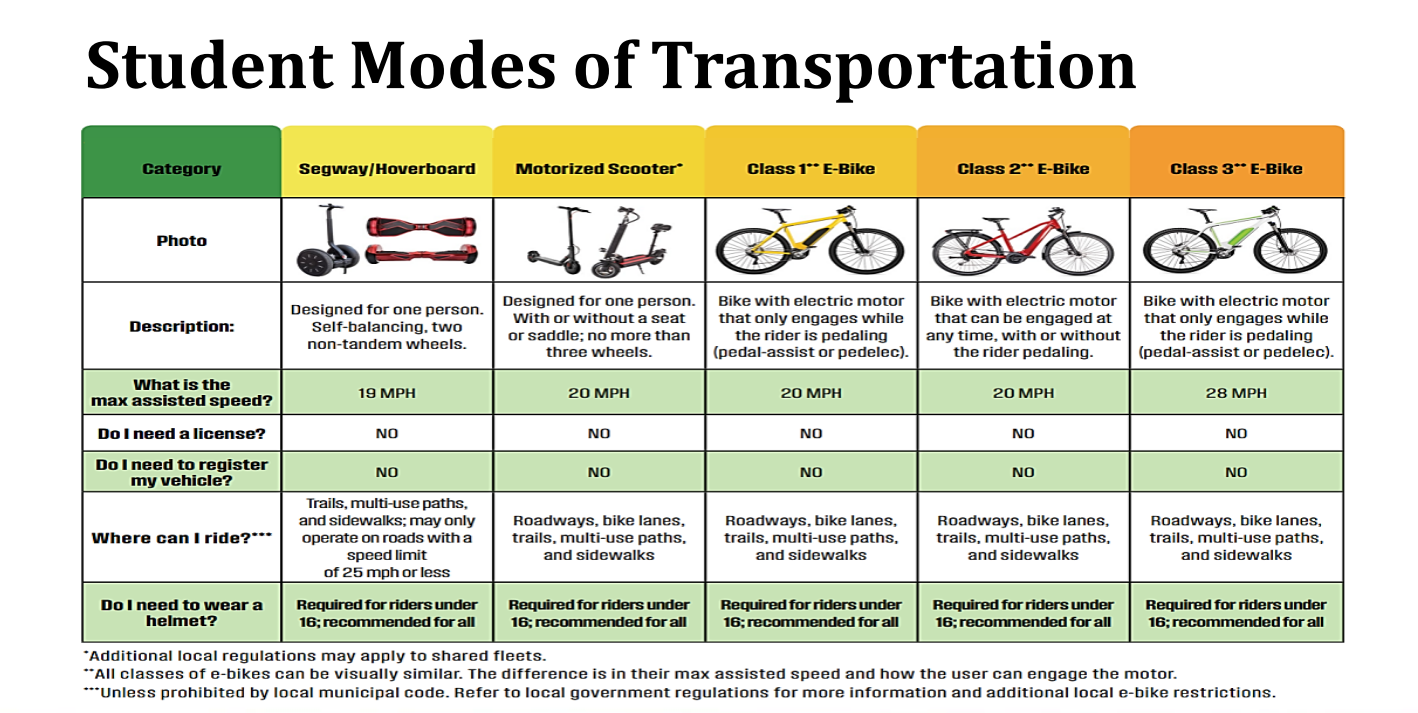
Different riders face different risks. Tailor your safety habits to your profile. These customized scooter safety tips ensure you’re protected regardless of your experience level.
Children: Focus on Stability and Supervision
Use three-wheel scooters, full protective gear, and only ride in safe zones. Always have an adult present. Teach balance and control before allowing any street use.
Commuters: Prioritize Visibility and Reliability
Wear bright clothing, use lights, and know local traffic laws. Keep your scooter charged and locked securely. Choose models with strong brakes and puncture-resistant tires.
Recreational Riders: Assess Terrain and Speed
Avoid gravel, wet roads, and steep hills unless your scooter is built for it. Stick to parks and bike paths. Adjust P settings for smoother control.
High-Speed Riders: Master Advanced Features
If riding above 25 mph, wear full protective gear, disable cruise control, and rely on traction control and dual braking systems. Only ride in areas with appropriate speed limits.
Frequently Asked Questions About Scooter Safety Tips
Do I really need to check my scooter before every ride?
Yes. A pre-ride inspection takes only about 2 minutes but can prevent mechanical failures. Check tire pressure, test brakes, inspect bolts, and verify lights are working. This simple habit is among the most important scooter safety tips for preventing accidents.
What protective gear is absolutely necessary?
A properly fitted helmet is non-negotiable and can reduce head injury risk by up to 85%. Beyond that, gloves, wrist guards, elbow and knee pads, and closed-toe shoes with grippy soles are strongly recommended. Bright or reflective clothing is essential for night riding.
Are electric scooters allowed on sidewalks?
In most cities, no. Electric scooters are typically required to ride like bicycles, meaning in bike lanes or on the street with traffic. Sidewalk riding is often illegal and puts pedestrians at risk since scooters are quiet and fast.
How do I prevent my scooter from being stolen?
Use a UL-rated U-lock or folding lock, not a cable lock. Lock the handlebar neck to a fixed object. For lightweight scooters, the best option is carrying them indoors. High-quality locks can resist angle grinder attacks for 15–20 minutes.
What should I do immediately after a scooter accident?
Seek medical attention first, even if you feel fine, because delayed symptoms are common. Document everything: take photos of injuries, damage, and the scene. Exchange contact information with anyone involved. File a police report if vehicles, property damage, or serious injury are involved.
How often should I perform maintenance on my scooter?
Perform daily pre-ride checks on tires, brakes, lights, and tightness. Monthly, tighten all bolts and inspect brake pads and tire wear. Replace components at the first sign of wear rather than waiting for complete failure.
Final Thoughts on Scooter Safety Tips
Safety isn’t optional; it’s the foundation of every great ride. By following these scooter safety tips, you protect yourself, others, and your investment. Make pre-ride checks routine, wear the right gear, obey traffic laws, and keep your scooter in top shape. Whether you’re a beginner or a seasoned rider, staying proactive keeps you safe mile after mile. The key is consistency: apply these scooter safety tips every single time you ride, and you’ll dramatically reduce your risk of injury, theft, and mechanical problems.