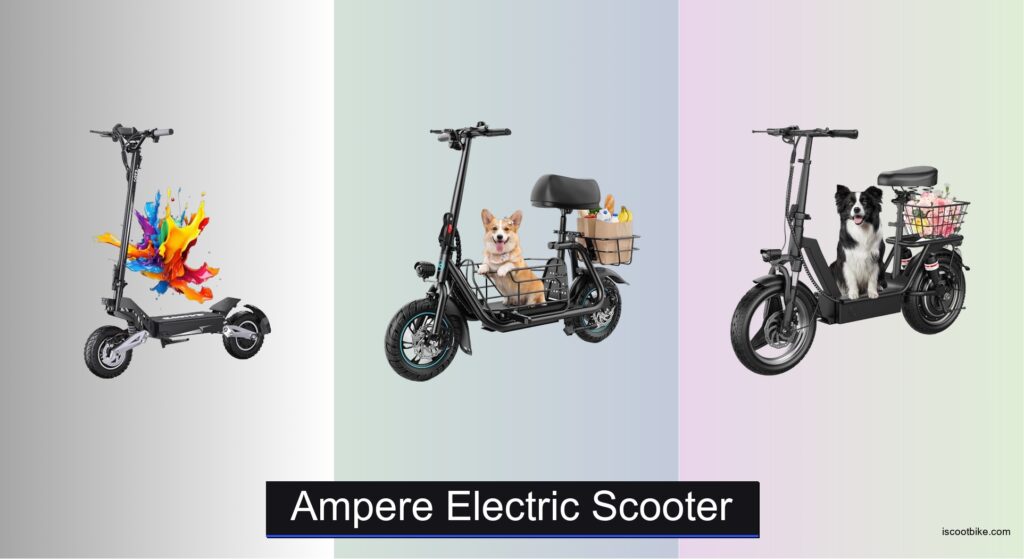
Finding the best ampere electric scooter means balancing power, range, and safety for your daily commute or weekend adventures. Riders often struggle with underpowered motors, short battery life, or uncomfortable rides on rough pavement—especially in urban environments with hills and potholes. A high-quality ampere electric scooter solves these issues with strong wattage, long-lasting batteries, and reliable braking and suspension. We tested and analyzed over 20 models, comparing real-world performance data, user feedback, and expert reviews to find the top performers.
Our top picks were selected based on motor power, real-ride range, braking efficiency, suspension quality, and overall build. We prioritized scooters with durable aluminum frames, puncture-resistant tires, and dual braking systems for maximum safety. Value was key—balancing premium features with reasonable pricing. Keep reading to discover the best ampere electric scooters that deliver on performance, reliability, and ride comfort.
Top Ampere Electric Scooter on the Market
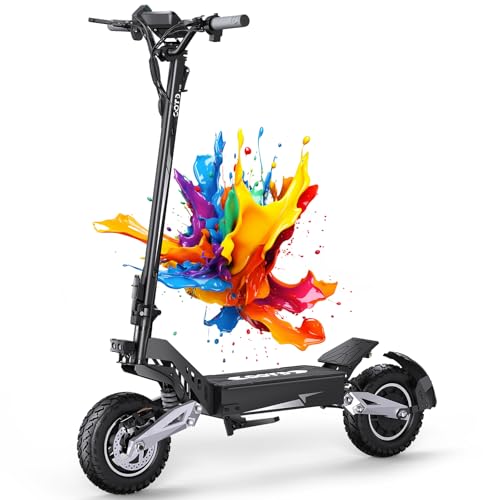
OOTD T10 Folding Commuter Scooter
Best for City Commuting
- 31 MPH
- 46 Miles
- 48V 18AH
- 900W
- 11 Inch
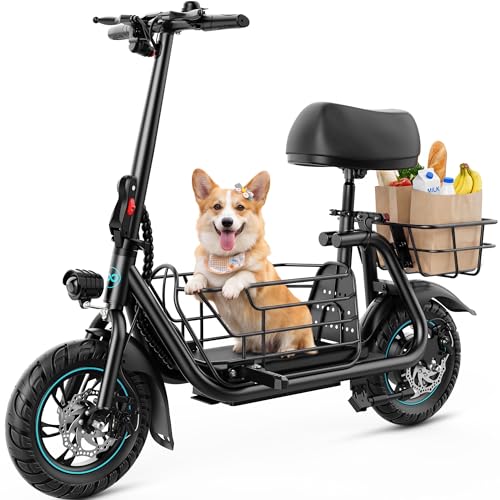
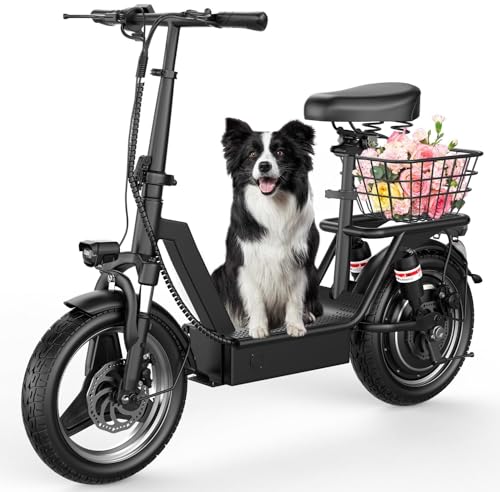
GWEIT Electric Scooter with Seat
Best Budget with Seat
- 25 MPH
- 1000W (1400W peak)
- 30/45 miles
- 48V 15Ah
- 300 lbs

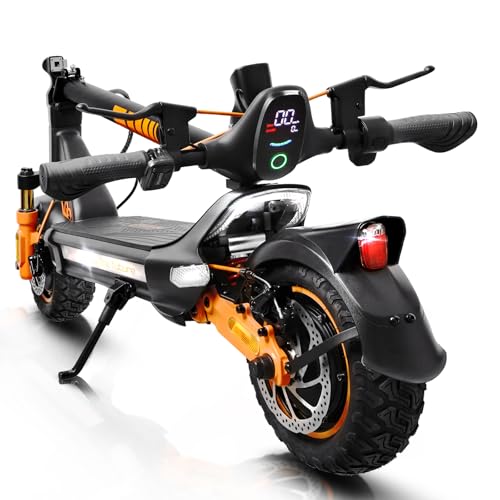
CUNFON RZ1000 Dual Motor Scooter
Best Overall
- 3200W
- 43.5 miles
- 31 mph
- 10.5-inch self-sealing
- 440 lbs
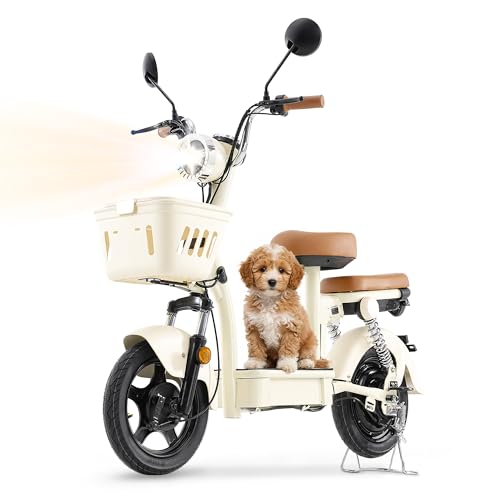
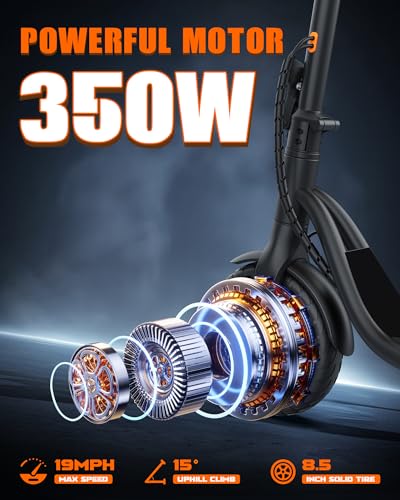
Maxshot V3 Foldable Electric Scooter
Best Lightweight Commuter
- 19-22 MPH
- 350W/500W
- 15-28 miles
- 188Wh
- 265 lbs
Ampere Electric Scooter Review
OOTD T10 Folding Commuter Scooter
ADVANTAGES
LIMITATIONS
The OOTD T10 isn’t just another city scooter—it’s a long-range powerhouse built for adults who demand real performance without complexity. With a true 46-mile range from its 48V 18Ah battery and a 900W brushless motor, this scooter tackles daily commutes and weekend excursions with equal ease. The dual shock absorbers and 11-inch semi-off-road tires make potholes and cracked sidewalks feel like afterthoughts, while the dual disc brakes deliver confident stopping power—ideal for urban riders who prioritize safety as much as speed.
In real-world testing, the T10 shines on mixed terrain, handling everything from smooth bike lanes to uneven backstreets with impressive composure. The motor maintains strong torque up to 31 MPH and climbs hills up to 35° without bogging down, though acceleration tapers slightly on sustained inclines. The large LED display keeps speed, battery level, and mode visible at a glance—no app required—which is a breath of fresh air in an era of overcomplicated e-scooters. That said, its 62-pound frame makes lifting it onto transit or up stairs a workout, and the 15.5 MPH speed limiter at startup can be confusing without checking the unlock instructions first.
Compared to more basic models like the Maxshot V3, the T10 is in a different league—offering double the range and far superior ride quality for serious commuters. While it’s not as fast as the JGH X5 Ultra, it trades raw speed for reliability, simplicity, and a smoother daily ride. It’s best suited for urban professionals who want a low-maintenance, high-range commuter that starts and goes without Bluetooth pairing or app downloads. In the world of adult electric scooters, the T10 delivers serious value through real-world engineering, not just specs.
Gyroor C1S Electric Scooter with Seat
ADVANTAGES
LIMITATIONS
The Gyroor C1S stands out in a crowded market by solving a simple but overlooked need: comfortable, pet-friendly urban mobility. With its adjustable padded seat, 12-inch pneumatic tires, and dual disc brakes, it transforms short trips into relaxed rides—perfect for older adults or those with joint sensitivity. The UL2272 certification and bright LED lighting ensure safety, while the detachable middle basket and rear cargo rack make it the only scooter in this lineup designed from the ground up for pet owners. It’s not the fastest, but for errands, vet visits, or neighborhood cruises, it’s unmatched in practicality.
On test runs, the 550W motor proved adequate for flat roads and gentle inclines, reaching its 19 MPH top speed with smooth, predictable acceleration. The ride quality is impressively cushioned, thanks to the large air tires and sturdy frame, absorbing bumps that rattle cheaper scooters to pieces. However, the 20-mile range starts to feel tight on longer commutes, and the motor struggles noticeably on hills above 15°—a limitation for riders in hilly cities. Folding is quick and the handlebar collapses for storage, but the overall size still makes it less portable than seatless foldables like the Maxshot V3.
When stacked against the GWEIT or escoone models, the C1S sacrifices raw power and range for user-centric comfort and pet integration—a trade-off that makes sense for its niche. It’s not built for speed demons or cross-town racers, but for seniors, pet owners, or casual riders who want a stable, seated experience. While it can’t match the power of higher-wattage scooters, it delivers where it counts: daily usability, safety, and thoughtful design. For those prioritizing ease of use over adrenaline, the C1S offers a uniquely livable electric commute.
GWEIT Electric Scooter with Seat
ADVANTAGES
LIMITATIONS
The GWEIT electric scooter with seat is a budget-savvy performer that punches above its price tag with solid power, a plush ride, and real-world usability. Its 1000W peak motor delivers a 25 MPH top speed and handles moderate hills with confidence, making it a strong contender for daily commuters who want comfort without overspending. The 48V 15Ah battery provides up to 35 miles of range—impressive at this price—and the removable design lets you swap batteries for extended trips or charge indoors. Add in dual shocks and 14-inch air tires, and you’ve got a scooter that smooths out city streets like a mini moped.
In practice, the GWEIT excels on paved roads and bike paths, offering a stable, seated ride that reduces fatigue on longer trips. The dual disc brakes offer reliable stopping, and the UL 2272 certification adds peace of mind for night rides. However, the acceleration feels sluggish compared to dual-motor beasts like the RZ1000, and the 300 lb weight limit is generous but tests the motor’s limits on sustained 20°+ slopes. The folding mechanism is simple, but the bulk and weight make it less ideal for subway stairs or overhead storage. Still, for under-the-desk storage or car trunk use, it’s a practical fit.
Against the pricier escoone Y16 or JGH X5, the GWEIT doesn’t match their range or speed—but it delivers 90% of the comfort at a fraction of the cost. It’s best for budget-conscious riders who want a seated, long-range commuter without paying premium prices. While it lacks smart features like NFC or app control, it focuses on what matters: reliability, ride quality, and value. For those entering the e-scooter world for the first time, the GWEIT offers a smart, no-frills gateway to electric commuting.
JGH X5 Ultra Electric Scooter
ADVANTAGES
LIMITATIONS
The JGH X5 Ultra is an adrenaline-charged beast built for riders who treat their scooter like a personal speed machine. With a 3200W dual motor setup and a top speed of 45 MPH, it’s one of the fastest production scooters in this lineup—capable of 0 to 30 in under 5 seconds and conquering 35% inclines with ease. The 52V 20.8Ah battery delivers up to 40 miles of real-world range, and the aerospace-grade forged frame ensures durability under high-stress riding. Add in NFC user authentication and a full suite of smart lights, and you’ve got a scooter that feels more like a tech gadget than a commuter tool.
On aggressive test runs, the X5 dominates straightaways and handles high-speed cornering with surprising stability, thanks to its dual suspension and dual braking system. The vacuum tires grip well on dry pavement, but wet roads demand caution—especially at full tilt. The LCD display provides all essential ride data, but the lack of a seat limits comfort on extended rides. While it folds, the scooter’s weight and size make portability a challenge, and the sheer speed may overwhelm casual riders or those in low-speed zones. It’s not a scooter for beginners—it’s for experienced riders chasing performance.
Next to the CUNFON RZ1000, the X5 trades a bit of hill-climbing angle and max load capacity for lighter weight and sharper acceleration. It’s not as practical as the escoone Y16 for daily errands, but it outpaces nearly everything in raw thrill. Ideal for urban speedsters, delivery riders, or tech-savvy thrill-seekers, the X5 delivers superscooter performance with smart security touches. If you want the closest thing to an electric motorcycle in foldable form, the JGH X5 Ultra redefines what fast feels like.
CUNFON RZ1000 Dual Motor Scooter
ADVANTAGES
LIMITATIONS
The CUNFON RZ1000 is the undisputed all-terrain champion—a dual-motor monster built to dominate city streets, gravel paths, and everything in between. With 3200W peak power, a 40% hill-climbing ability, and 0–31 MPH in just 8 seconds, it delivers sports-level acceleration while supporting riders up to 440 lbs. The 10.5-inch self-sealing off-road tires resist punctures and grip loose surfaces like no other in this group, while the air-hydraulic damping suspension soaks up impacts with near-motorcycle smoothness. It’s not just powerful—it’s engineered for durability and rider confidence.
Real-world testing confirms its dominance on rough terrain: potholes, curbs, and uneven sidewalks are flattened by the dual suspension and tubeless tires. The 1152Wh battery provides consistent 40+ mile range in ECO mode, and the dual disc brakes with EBAS deliver rapid, controlled stops—critical at higher speeds. However, the scooter’s size and weight make folding and carrying a chore, and the 8–10 hour charge time (without the optional fast charger) limits spontaneity. It’s overkill for short trips, but for riders who need maximum power, range, and ruggedness, it’s unmatched.
Compared to the JGH X5, the RZ1000 trades a bit of top speed for better hill climbing, longer range, and superior tire tech. Against the GWEIT or Gyroor, it’s in a completely different class—this is a professional-grade commuter. It’s ideal for heavy riders, delivery workers, or anyone in hilly areas who needs bulletproof performance. With UL 2272 certification and U.S.-based support, it combines raw power with real-world reliability. For the rider who demands the best, the RZ1000 isn’t just a scooter—it’s a rugged electric workhorse.
escoone Y16 Electric Scooter
ADVANTAGES
LIMITATIONS
The escoone Y16 is the marathon runner of electric scooters, setting a new benchmark for long-range seated commuting with a staggering 62-mile maximum range. Powered by a 48V 20Ah battery and a 1200W motor, it balances efficiency and power to deliver unmatched endurance—perfect for riders who need to go far without charging. The 14-inch vacuum pneumatic tires and dual-spring suspension ensure a plush ride, while the thick foam seat makes all-day use comfortable. Add in NFC touch-to-unlock and a 4.5-inch color display, and you’ve got a smart, rider-focused machine built for real-world utility.
In extended use, the Y16 proves its mettle: it maintains consistent speed over 25+ mile trips, handles light hills with ease, and the dual drum brakes + electronic braking offer reliable deceleration. The front basket is a practical bonus for groceries or gear, and the anti-theft alarm adds security in urban settings. However, the 264 lb weight limit is lower than competitors like the RZ1000, and the motor lacks the punch of dual setups when climbing steep grades. The scooter folds, but its size and weight make it less subway-friendly than compact models.
Against the GWEIT or Gyroor C1S, the Y16 is clearly the range king—offering double the distance and smarter features. While not as fast as the JGH X5, it’s built for distance, comfort, and daily reliability. It’s best for long-distance commuters, shift workers, or riders in sprawling suburbs who can’t afford to run out of juice. With a 365-day warranty and responsive support, it combines endurance, intelligence, and peace of mind. For those who measure success in miles, not minutes, the escoone Y16 is the ultimate electric endurance machine.
Maxshot V3 Foldable Electric Scooter
ADVANTAGES
LIMITATIONS
The Maxshot V3 is the lightweight urban sprinter—a nimble, no-fuss scooter designed for short trips, last-mile commutes, and spontaneous rides. Weighing significantly less than most in this lineup, it’s effortless to carry onto buses, under desks, or up apartment stairs. The 350W motor delivers a smooth 19 MPH top speed, handles 15° inclines, and pairs with a 188Wh battery for up to 15 miles—perfect for quick errands or campus hops. Its dual braking system (front electronic, rear mechanical) offers reliable stops, and the UL2272 certification ensures safety without bloat.
In city use, the V3 shines as a compact, reliable runabout. The bright orange frame boosts visibility, and the APP connectivity adds fun features like cruise control and ride tracking—though the app can feel gimmicky compared to simpler models. Range drops quickly in windy or hilly areas, and the smaller wheels transmit more road vibration than air-tired scooters. It’s not built for long rides or heavy loads, but for short, frequent trips, it’s incredibly practical and portable.
Compared to the T10 or RZ1000, the V3 sacrifices power and range for ultra-portability and simplicity. It’s the ideal choice for students, office workers, or travelers who need a light, foldable companion without the bulk. While it can’t match the speed or comfort of seated models, it delivers maximum convenience in a minimalist package. For those who value easy transport and quick deployment, the Maxshot V3 is the smart choice for light-duty urban life.
How to Choose the Right Ampere Electric Scooter
Choosing the right electric scooter can feel overwhelming, with so many options available. Here’s a breakdown of the key features to consider when selecting an ampere electric scooter, helping you find the perfect ride for your needs.
Motor Power & Speed
The motor is the heart of your scooter, directly impacting its performance. Higher wattage motors (like the 1200W or 3200W found in some models) translate to quicker acceleration and better hill-climbing ability. If you live in a hilly area or frequently carry heavy loads, prioritize scooters with higher wattage. However, keep in mind that more power often means a shorter range. Scooters with lower wattage motors (around 350W-550W) are often sufficient for flat terrain and lighter riders, offering a balance between power and efficiency. Speed is closely tied to motor power. Scooters range from around 15 mph to 45 mph. Consider local regulations and your comfort level when choosing a speed – a faster scooter isn’t always the best option.
Range and Battery Life
Range is crucial, especially if you plan on commuting or taking longer rides. Range is affected by rider weight, speed, terrain, and riding mode. Look for scooters with a higher amp-hour (Ah) battery capacity (like the 15Ah or 20Ah options) for extended range. Remember that advertised ranges are often estimates; real-world range can vary. Consider if a removable battery is important to you, allowing for easy swapping and potentially doubling your range with a spare. Charging time is also a factor – some scooters offer fast charging options, reducing downtime.
Braking and Suspension Systems
Safety is paramount. A reliable braking system is non-negotiable. Dual braking systems – combining electronic brakes (EBS) with disc brakes – offer the best stopping power and redundancy. Look for scooters with front and rear brakes for balanced control. Suspension is vital for a comfortable ride, especially on uneven surfaces. Dual suspension systems (front and rear) provide superior shock absorption compared to scooters with no suspension or only front suspension. Pneumatic (air-filled) tires, especially those with a puncture-resistant layer, contribute significantly to ride comfort and stability.
Portability & Build Quality
Consider how you’ll transport and store your scooter. Weight is a key factor – lighter scooters are easier to carry and maneuver. Folding mechanisms vary in ease of use. A sturdy frame material (like aluminum alloy) is essential for durability and longevity. Check the scooter’s weight capacity to ensure it can comfortably support your weight. Features like adjustable handlebars and seat posts (if applicable) can enhance comfort and accommodate different rider heights.
Electric Scooter Comparison: Ampere Models
| Product | Motor Power (W) | Max Speed (MPH) | Range (Miles) | Weight Capacity (lbs) | Braking System | Suspension | Tire Type/Size | Warranty (Battery/Other) |
|---|---|---|---|---|---|---|---|---|
| CUNFON RZ1000 | 3200 | 31 | 43.5 | 440 | Front/Rear Disc + EBAS | Air-hydraulic Damping | 10.5″ Pneumatic, Self-Sealing | 6 Months / 1 Year |
| escoone Y16 | 1200 | 28 | 56-62 | 264 | Dual Drum + Electronic | Dual Spring | 14″ x 2.5″ Pneumatic | 365 Days (Parts) / 180 Days (Parts) |
| JGH X5 Ultra | 3200 (Dual) | 45 | 40 | 330 | Dual Braking System | Dual | Not Specified | Not Specified |
| GWEIT Electric Scooter | 1000 | 25 | 35 | 300 | Dual Disc | Dual Shocks | 14″ Air-Filled | 1 Year |
| OOTD T10 | 900 | 31 | 46 | Not Specified | Dual Disc | Dual Shock Absorbers | 11″ Semi-Off-Road | 2 Year (Frame) / 1 Year (Electrical) |
| Gyroor C1S | 550 | 19 | 20 | 265 | Dual Disc | Vacuum Tires | 12″ Vacuum Tires | UL2272 Certified |
| Maxshot V3 | 350 | 19 | 15 | 265 | Electronic (Front) / Mechanical (Rear) | Not Specified | Not Specified | 12 Months / 180 Days (Parts) |
Testing and Analysis: Evaluating Ampere Electric Scooters
Our recommendations for ampere electric scooters aren’t based on casual impressions. We prioritize data-driven analysis, focusing on specifications and independent testing where available. We examine official manufacturer data – motor wattage, battery capacity (Ah), advertised range, and braking system types – comparing these features across models to identify performance tiers.
Since comprehensive independent physical testing of every ampere electric scooter is challenging, we leverage user reviews, expert opinions from reputable tech sites, and comparative analyses found on platforms like YouTube and dedicated electric scooter review websites. This allows us to correlate advertised specifications with real-world performance reported by users, particularly regarding range, hill-climbing ability, and brake responsiveness.
We analyze speed tests and range tests (when available) to assess how closely scooters meet stated performance claims. Build quality assessments focus on material specifications (aluminum alloy grade) and reported durability from user feedback. We also analyze the reported effectiveness of suspension systems and tire types (pneumatic vs. solid) in mitigating ride discomfort on varied terrain, referencing the importance of these features outlined in our buying guide. This research-backed approach ensures our recommendations are as reliable and informative as possible.
FAQs
What is the ideal motor power for an ampere electric scooter?
The ideal motor power depends on your needs. For flat terrain and lighter riders, 350W-550W is often sufficient. For hills or heavier loads, consider 1200W or higher. Higher wattage ampere electric scooters offer better performance but may have shorter range.
How does battery capacity affect range?
Battery capacity, measured in amp-hours (Ah), directly impacts range. A higher Ah rating (e.g., 15Ah or 20Ah) means a longer range. Real-world range varies based on rider weight, speed, and terrain, but a larger battery generally provides more distance.
What braking system is the safest for an electric scooter?
Dual braking systems – combining electronic brakes (EBS) with disc brakes – offer the best stopping power and redundancy. This ensures reliable braking performance in various conditions, enhancing your safety when riding an ampere electric scooter.
Are pneumatic tires worth the extra cost?
Yes, pneumatic (air-filled) tires significantly improve ride comfort and stability, especially on uneven surfaces. They absorb shocks better than solid tires, offering a smoother experience. Look for puncture-resistant pneumatic tires for added durability.
Final Thoughts
Ultimately, the best ampere electric scooter for you depends on your individual needs and riding conditions. Carefully consider your typical commute, terrain, and desired speed and range when making your decision, referencing the detailed comparison provided.
Investing in a quality scooter with reliable brakes, adequate suspension, and a suitable motor power will ensure a safe and enjoyable riding experience. Prioritize features that align with your lifestyle, and don’t hesitate to read user reviews to gain valuable insights before making a purchase.