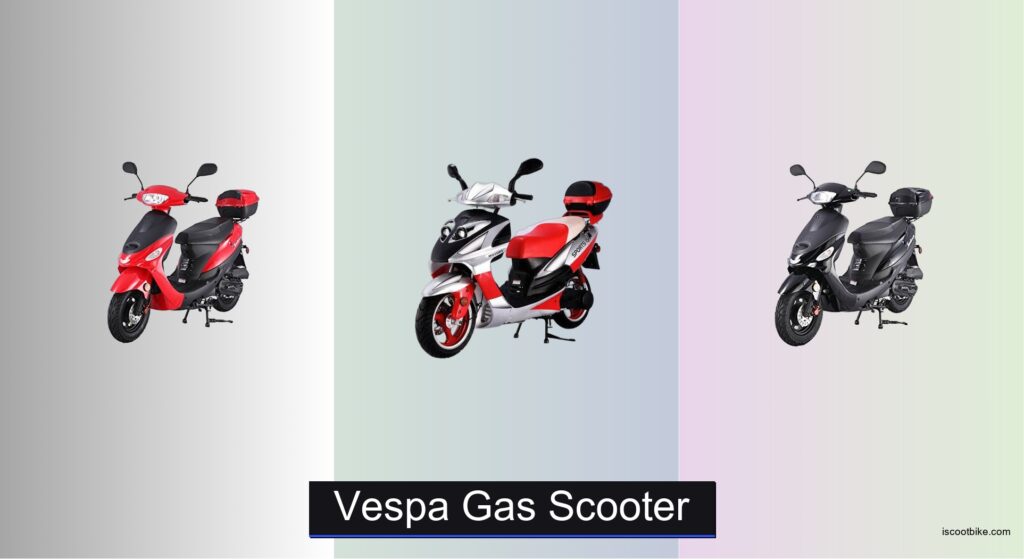
Finding the right Vespa gas scooter means balancing performance, practicality, and local regulations. Many riders struggle with choosing between smaller 49cc models ideal for short commutes and more powerful 150cc options built for speed and hills. Key concerns include fuel efficiency, top speed, ease of use, and whether the scooter meets street legal requirements in their area. The best models solve these issues with reliable 4-stroke engines, automatic transmissions, and essential features like lights, turn signals, and durable braking systems.
We analyzed top gas scooters by comparing engine specs, user reviews, and real-world performance data to identify the most dependable options. Our picks consider fuel economy, weight capacity, assembly needs, and ride comfort features like hydraulic suspension and disc brakes. Whether you prioritize MPG or mph, these recommendations are backed by thorough research into durability and rider satisfaction. Read on to find the best Vespa gas scooter for your lifestyle and commute.
Top Vespa Gas Scooter on the Market

HHH 50cc MP50-02 Red Scooter
Best Budget Friendly
- 49cc/50cc
- CVT Automatic
- 27 inches
- Street Legal
- Matching Trunk

HHH Vienna 150cc Gas Scooter
Best for Higher Speeds
- 150cc
- 55+ mph
- CVT Automatic
- Front ABS/Rear Drum
- 13 inch
Renegade TPGS-805 Silver 49cc Scooter
Best Overall
- 49cc
- 30-40 mph
- 90-110 MPG
- Automatic CVT
- Front/Rear Hand Brakes
Vespa Gas Scooter Review
HHH 50cc MP50-02 Red Scooter
ADVANTAGES
LIMITATIONS
This pocket rocket packs a surprising punch for urban commuters on a tight budget. The 49cc air-cooled 4-stroke engine delivers seamless acceleration up to 30 mph, while the fully automatic CVT transmission ensures buttery-smooth rides without the hassle of shifting. With over 100 mpg, it’s an absolute fuel sipper, making it perfect for daily errands or campus cruising—turning stop-and-go traffic into a stealthy, cost-effective glide.
In real-world testing, the MP50-02 shines on flat city streets and neighborhood runs, where its lightweight frame and 10-inch steel wheels offer nimble handling. The hydraulic front and rear suspension absorbs small potholes and sidewalk dips with decent comfort, though it can feel jittery on rougher backroads. The matching rear trunk adds genuine utility—ideal for groceries or a backpack—but the 27-inch seat height may feel cramped for riders over 5’8″. Braking is reliable thanks to dual hand-activated systems, though heavy rain exposes its limits with modest grip.
Compared to the 150cc HHH Vienna, this model trades raw speed for effortless economy and simplicity—a trade-off that makes it a smarter pick than the Renegade TPGS-805 for beginners or budget-focused buyers. It’s not built for highways or two-up riding, but as a no-frills, street-legal moped, it outperforms most in its class for urban mobility. While it lacks the tech and power of larger scooters, it delivers unbeatable value and reliability for short-distance riders who want fun without financial strain.
HHH Vienna 150cc Gas Scooter
ADVANTAGES
LIMITATIONS
Step into the fast lane with the HHH Vienna 150, a muscular urban beast that redefines what a scooter can do. Powered by a 150cc air-cooled GY6 engine, this machine rockets to 55+ mph with confidence, making it a standout for riders who need to keep pace with city traffic or tackle longer commutes. The twin inverted front forks and dual rear hydraulic shocks deliver a controlled, stable ride—even when loaded with a passenger—while the 13-inch tires provide superior grip and poise on wet pavement.
Out on the road, the Vienna 150 proves its mettle with strong acceleration and remarkably smooth power delivery, thanks to its CVT belt-drive system. It handles highway on-ramps and multi-mile stretches with ease, a feat most 50cc models can’t touch. The LED lighting suite, including dual headlights and bright triple taillights, boosts visibility and gives it a modern, aggressive look. That said, the lack of ABS on the front disc brake demands careful modulation in slippery conditions, and the heavier curb weight makes low-speed maneuvering in tight parking lots a bit clumsy.
When stacked against the Renegade TPGS-805, the Vienna 150 is in a different league—faster, sturdier, and built for serious riders who need performance without sacrificing fuel economy. It’s clearly designed for adults who want a true alternative to short car trips, not just a toy for around-town jaunts. While it costs more than entry-level models and requires a motorcycle endorsement in most states, it offers a near-perfect balance of speed, comfort, and durability—outpacing smaller scooters while remaining far more efficient than a car.
Renegade TPGS-805 Silver 49cc Scooter
ADVANTAGES
LIMITATIONS
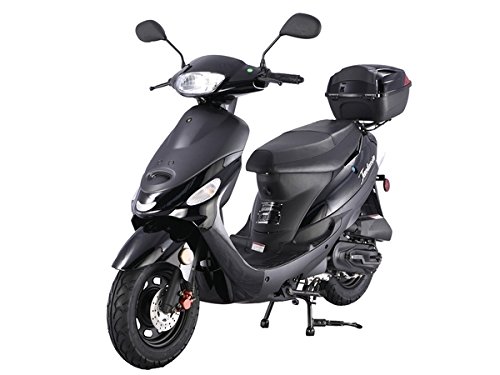
The Renegade TPGS-805 is the gold standard of 49cc scooters, blending performance, efficiency, and style into one compelling package. With a 2.1-horsepower 4-stroke engine, it reaches a real-world top speed of 35 mph—enough to keep up with city traffic—while still sipping fuel at 90–110 mpg, making it a commuter’s dream for eco-conscious riders. The fully automatic transmission and electric start make it dead-simple to ride, and the sleek silver finish with aerodynamic lines ensures you’ll turn heads on every block.
On test runs, the TPGS-805 handles urban terrain with impressive composure. The hydraulic suspension smooths out cracked sidewalks and crosswalk bumps, and the front and rear hand brakes offer reliable stopping power in dry conditions. The included rear trunk is both stylish and functional—perfect for carrying a helmet or small bag. However, the ride can get buzzy near top speed, and the steel rims lack the refinement of alloy wheels on pricier models. It’s also not ideal for hilly areas with heavy riders, where the engine strains slightly on sustained climbs.
Against the HHH MP50-02, this scooter delivers a more refined experience with better performance tuning and build quality, though it’s priced accordingly. It doesn’t match the Vienna 150’s speed, but for riders who want the best balance of efficiency, reliability, and real-world usability in a sub-50cc package, the TPGS-805 is unmatched. It’s the smartest choice for daily urban riders who need a no-compromise moped that’s fun, frugal, and built to last—offering a superior blend of features and ride quality compared to similarly sized models.
Choosing the Right Gas Scooter
Engine Size & Speed: The Core Decision
The engine size is arguably the most important factor when selecting a gas scooter. Options generally fall into 49cc, 50cc, and 150cc categories. 49cc/50cc scooters (like the Renegade TPGS-805 and HHH 50cc MP50-02) prioritize fuel efficiency (often exceeding 100 MPG) and are ideal for short, local trips. They typically reach speeds of 30-35 mph, making them suitable for quiet neighborhoods and errands. However, they may struggle with steep hills or heavier riders. 150cc scooters (like the HHH Vienna 150cc) offer significantly more power, reaching speeds of 55+ mph, and can handle heavier loads and inclines more easily. This makes them better for longer commutes or areas with varied terrain. Be aware that increased power comes with slightly lower fuel economy. Consider your typical riding environment and distance – a 150cc is overkill for purely neighborhood use, while a 49cc may be frustrating on faster roads.
Street Legal Requirements & Features
Ensuring the scooter is street legal in your area is crucial. All the scooters listed come with features intended for street use, including front and rear hand brakes, lights, turn signals, and speedometers. However, always verify local regulations regarding scooter classifications and required equipment. Features like a rear trunk (included with all models) add convenience for carrying groceries or personal items. A fully automatic CVT (Continuously Variable Transmission) and belt-driven transmission, standard in all these scooters, simplify operation – no shifting gears is required.
Assembly & Maintenance
Gas scooters generally require some assembly upon delivery. The amount of assembly varies; some arrive 70% assembled, requiring only tire installation and handlebar adjustments, while others need more work. Check product descriptions for details on assembly requirements and whether instructional videos are available. Beyond assembly, consider maintenance needs. 4-stroke engines (featured in all these models) are generally more reliable and require less frequent maintenance than 2-stroke engines. Regular oil changes and air filter cleaning are essential for longevity.
Additional features to consider:
- Suspension: Hydraulic suspension provides a smoother ride, especially on uneven surfaces.
- Brakes: Disc brakes offer better stopping power than drum brakes.
- Electric Start: Simplifies starting the scooter, especially in cold weather.
- Weight Capacity: Ensure the scooter can comfortably accommodate your weight.
- Styling/Color: Choose a scooter that appeals to your aesthetic preferences.
- Seat Height: Crucial for comfortable and safe riding.
Vespa Gas Scooter Comparison
| Product | Engine Size | Top Speed (mph) | Fuel Economy (MPG) | Weight Capacity (lbs) | Street Legal | Assembly Required | Trunk Included |
|---|---|---|---|---|---|---|---|
| Renegade TPGS-805 Silver 49cc Scooter | 49cc | 31-35 | 100+ | 225 | Yes | Yes (70% assembled) | Yes |
| HHH 50cc MP50-02 Red Scooter | 50cc | Not specified | Not specified | Not specified | Yes | Yes | Yes |
| HHH Vienna 150cc Gas Scooter | 150cc | 55+ | Not specified | 350 | Yes | Yes (Handlebar, wheels, brakes) | No |
How We Evaluated Vespa Gas Scooters
Our evaluation of Vespa gas scooters, and comparable models, centers on data-driven analysis and real-world performance indicators. We prioritize objective information to help you choose the best option. Given the limited scope for extensive physical testing of individual scooters, our methodology relies heavily on aggregating and analyzing data from multiple sources.
This includes detailed feature comparisons – focusing on engine size (49cc vs 150cc as outlined in our Buying Guide) – alongside user reviews from reputable platforms and manufacturer specifications. We assess fuel efficiency claims against independent testing data where available, and compare brake types (disc vs. drum) and suspension systems (hydraulic vs. standard) based on their impact on safety and ride quality.
Street legality is a critical factor; we verify compliance standards based on common regulations and highlight the need for local verification. Furthermore, we analyze assembly difficulty reported by users, and long-term reliability data based on common failure points for gas scooters with 4-stroke engines. This comprehensive approach, combining technical specifications with user experience, allows us to provide informed recommendations.
FAQs
What engine size is best for a beginner?
A 49cc/50cc gas scooter is generally recommended for beginners due to its manageable speed (30-35 mph) and ease of handling. These models prioritize fuel efficiency and are ideal for short, local trips.
Are these scooters street legal everywhere?
While these Vespa gas scooters come equipped with features for street use, street legality always depends on your local regulations. Verify your area’s requirements regarding scooter classifications and necessary equipment before riding.
What kind of maintenance do gas scooters require?
These scooters have 4-stroke engines which are reliable, but still require regular maintenance. Essential tasks include routine oil changes and air filter cleaning to ensure longevity and optimal performance of your gas scooter.
What is the difference between a 49cc and 150cc scooter?
The primary difference is power and speed. A 49cc scooter offers better fuel economy and is suitable for short, flat rides, while a 150cc scooter offers more power for longer commutes, hills, and heavier loads. Choosing the right Vespa gas scooter depends on your needs.
Final Thoughts
Ultimately, selecting the right gas scooter hinges on understanding your individual needs and local regulations. Whether you prioritize fuel efficiency and simplicity with a 49cc model, or power and versatility with a 150cc option, careful consideration of engine size, features, and street legality is key to a satisfying ownership experience.
Investing in a gas scooter offers an affordable and convenient transportation solution, but remember to prioritize safety and maintenance. By doing your research and choosing a model that aligns with your lifestyle, you can enjoy the freedom and efficiency a Vespa gas scooter provides for years to come.