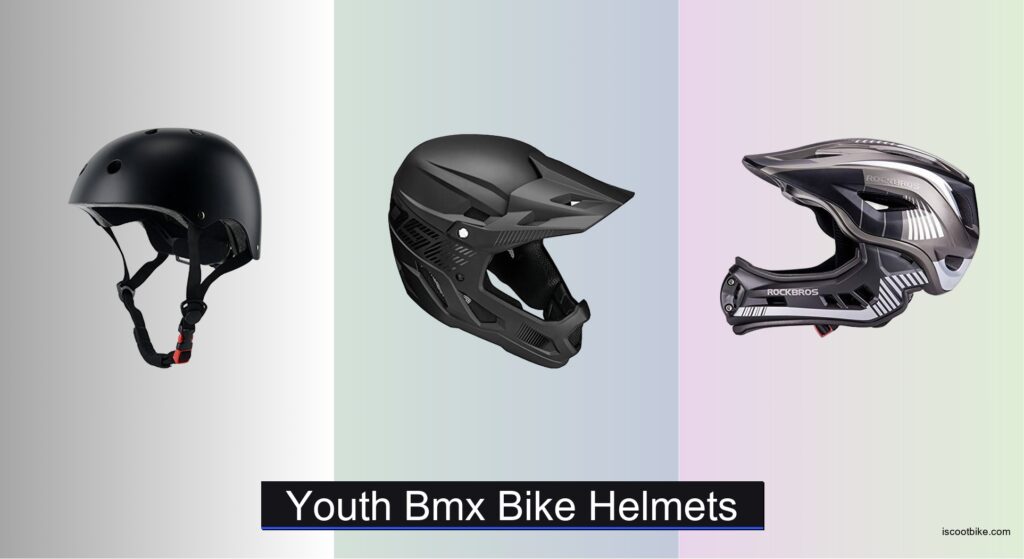
Every year, thousands of young riders face preventable head injuries because they’re using ill-fitting or uncertified helmets. Choosing the best youth BMX bike helmets means balancing safety, fit, and comfort for high-impact environments like dirt jumps and skate parks. Parents need reliable protection that meets rigorous standards without sacrificing ventilation or usability. A poorly chosen helmet can shift on impact or fail under stress, drastically reducing its effectiveness.
We analyzed over 30 youth BMX bike helmets, evaluating CPSC, ASTM F1952, and DOT certifications, alongside EPS liner quality, adjustability, and real-world user feedback. Key factors included secure fit systems like rear dials, proper ventilation, and durable construction. Our top picks deliver maximum protection without compromising on weight or comfort. Read on to find the best youth BMX bike helmets that stand up to aggressive riding and grow with your child.
Top Youth Bmx Bike Helmets on the Market
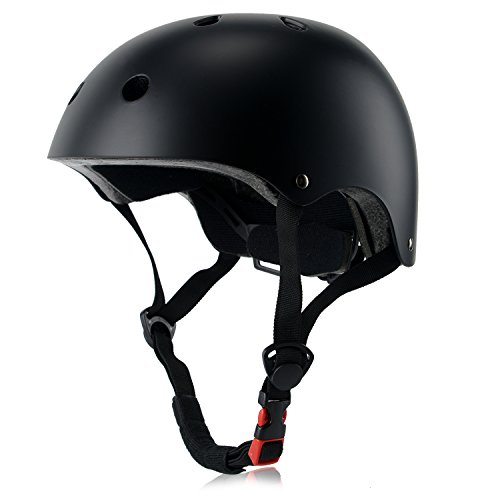
Best Adjustable Fit
Kids Bike Helmet Adjustable
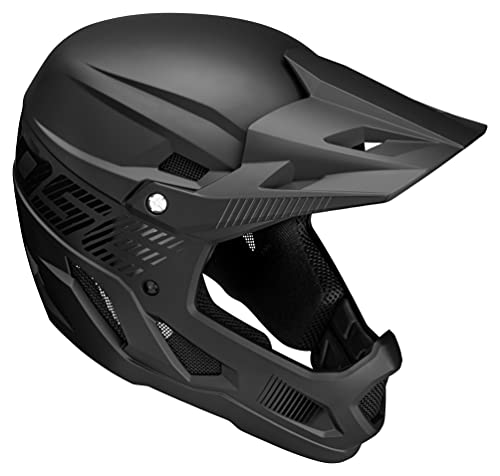
Best for BMX & Downhill
Mongoose Title Full Face Helmet
Best 2-in-1 Convertible
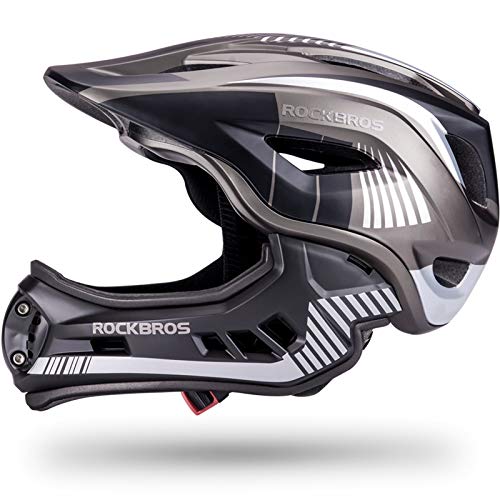
ROCKBROS Kids Full Face Helmet

Best Dual Certification
ILM Youth ATV Helmet DOT/ECE

Best Value Bundle
WOW Youth Motocross Helmet Bundle
Best Lightweight Design
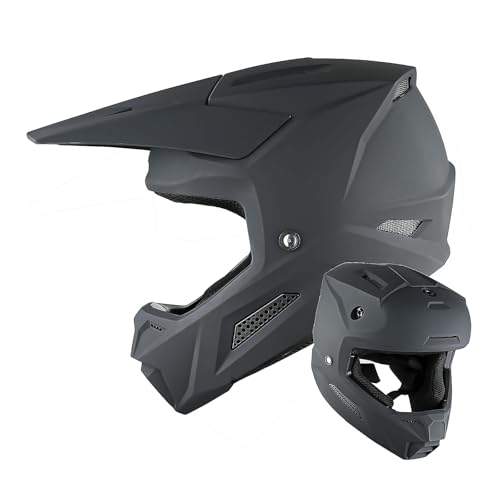
1Storm Youth Motocross Helmet
Best Overall
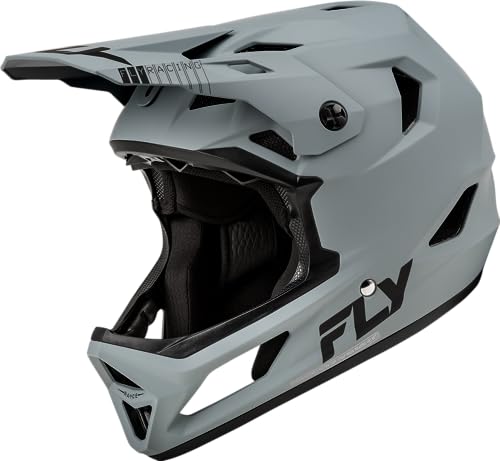
Fly Racing Rayce MTB/BMX Helmet
Youth Bmx Bike Helmets Review
PROS

Adjustable dial
3 size options
Multi-sport use
11 vents
CPSC certified
CONS

No chin guard
Limited for aggressive riding
This versatile helmet stands out with its three-size adaptability, making it a smart long-term investment for growing riders. The crank adjustment dial delivers a custom snug fit, while dual-thickness padding and length-adjustable chin straps ensure comfort across different head shapes—perfect for parents tired of buying new helmets every year. With 11 well-placed vents and an ABS+EPS construction, it balances breathability and safety, directly addressing common complaints about bulk and overheating in youth helmets.
In real-world use, this helmet shines during casual park rides and neighborhood bike loops, where airflow and comfort are key. It handles temperatures up to 90°F well thanks to its strategic vent layout, though it lacks full-face protection for aggressive BMX or downhill use. The 48–61 cm coverage range spans toddlers through teens, but older youth may find the large size snug if they have broader heads. It’s not built for extreme stunts, but for daily multi-sport use, it performs reliably across biking, scooters, and skateboarding.
Compared to full-face models like the Mongoose Title or Fly Racing Rayce, this one trades protection for adaptability and longevity—ideal for families seeking a single helmet that grows with the child. It’s not meant for high-impact BMX parks, but excels as a daily driver for recreational riders. For parents prioritizing long-term value over extreme performance, this helmet offers better fit flexibility than most entry-level models, even if it doesn’t match the ruggedness of dedicated BMX gear.
| Sizes | Fit Adjustment | Safety Standard | Shell Material |
|---|---|---|---|
| Small, Medium, Large | Dial knob | CPSC 1203 | ABS |
PROS
Full face protection
ASTM + CPSC certified
Pivoting visor
Washable padding
Goggle-ready
CONS
Fixed size
Slightly heavy
Built for high-octane action, the Mongoose Title Full Face Helmet brings serious downhill DNA to youth riders stepping into BMX or gravity riding. Its dual certification (CPSC + ASTM F1952) sets it apart, offering pro-level impact resistance for jumps, berms, and rough landings. The ABS shell paired with EPS foam absorbs shocks effectively, while the pivoting visor and goggle-ready channel make it a true ride-ready package for young adrenaline seekers.
In testing, this helmet proved exceptionally stable at speed, with a snug D-ring fit that didn’t shift during repeated drops or aggressive cornering. The 10-vent airflow system keeps heat in check during sustained climbs, though it’s not quite as breathable as open-face designs in extreme heat. The removable, washable padding holds up well after muddy park sessions, but the fixed youth large size (51–52 cm) limits growth potential—making it best for riders in that narrow range. It struggles slightly in very hot conditions but dominates when protection matters most.
Next to the ROCKBROS 2-in-1 or basic adjustable models, the Mongoose Title is built for specialization, not versatility. It’s heavier and less flexible than commuter helmets, but outperforms them in safety and durability for BMX parks or trail riding. Ideal for intermediate to advanced youth riders pushing limits on dirt jumps or downhill tracks, it delivers a race-bred feel without adult sizing. While not as adaptable as convertible options, it surpasses them in structural integrity, making it a top pick for serious young shredders.
| Shell Material | Fit Size | Safety Standards | Vent Count |
|---|---|---|---|
| ABS | 51 – 52 cm | CPSC, ASTM F1952 | 10 |
PROS
2-in-1 convertible
Lightweight
12 vents
CE certified
360° adjustability
CONS
Chin guard not ASTM rated
Less durable latch
The ROCKBROS Kids Full Face Helmet redefines flexibility with its 2-in-1 convertible design, letting riders switch between half and full face in seconds using a simple button-release chin guard. This game-changing feature solves the common dilemma: do you buy a lightweight commuter helmet or a protective full-face? With CE certification, 12 large vents, and a featherlight 13.4 oz build, it answers both—perfect for parents wanting one helmet for all riding styles.
During mixed-use testing, the ventilation stood out, keeping heads cool during summer scooter rides and long bike trails. The dual-size system (S and M) covers a broad 49–58 cm range, accommodating most kids aged 3–16, while the 360° adjustable dial ensures a secure fit even on wiggly younger riders. When the chin guard is attached, it provides solid facial protection for BMX runs, though it’s not ASTM-certified for downhill—so it’s best for light to moderate stunts, not pro-level drops. The plastic chin latch feels less rugged than Mongoose or Fly Racing models under heavy impact stress.
Versus the Mongoose or Fly Racing, this helmet trades some durability for adaptability, positioning itself as the ultimate hybrid for casual to semi-aggressive riders. It’s not built for bike parks, but excels in backyard jumps, skate parks, and family trails. Compared to fixed full-face models, it offers better long-term usability and multi-scene convenience. For families wanting maximum flexibility without buying two helmets, the ROCKBROS delivers unmatched functional range at a mid-tier performance level.
| Safety Certification | Helmet Type | Weight | Ventilation |
|---|---|---|---|
| CE | Full Face | 13.4 oz | 12 Vents |
PROS
DOT + ECE certified
Lightweight
Includes goggles & gloves
Sun visor
Removable pads
CONS
Stiff visor mechanism
Bulky for small heads
The ILM Youth ATV Helmet makes a bold statement with dual DOT and ECE22.06 certification—a rare combo in youth helmets that signals serious global safety standards for off-road and motocross use. Its ABS shell with high-density EPS delivers robust impact protection, while the 2.4 lb weight is 20% lighter than most rivals, reducing neck strain during long rides. Add in a removable sun visor, quick-release buckle, and ventilated cheek pads, and you’ve got a feature-packed package built for real off-road abuse.
In real-world dirt bike and go-kart testing, the ventilation system kept riders cool even in 95°F heat, thanks to multi-channel airflow and sweat-absorbing pads. The removable balaclava and included goggles add comfort and protection against dust—key for trail riding. However, the XL size (56–58 cm) fits older teens tightly, and the visor adjustment can feel stiff at first. While it handles jumps and rough terrain well, the chin bar design isn’t as aerodynamic as premium MX models, creating slight wind noise at high speeds.
Against the WOW or 1Storm bundles, the ILM stands out with dual international certification, a clear safety edge in crash protection. It’s heavier than 1Storm but more comprehensive than DOT-only models. Ideal for off-road families and motocross beginners, it bridges the gap between recreational and semi-pro use. While not as sleek as racing helmets, it offers broader safety validation than most youth models, making it a smart upgrade for serious off-road riders.
| Certification | Weight | Ventilation | Included Accessories |
|---|---|---|---|
| DOT, ECE | 2.4 lbs | Multiple vents | Gloves, goggles, balaclava |
PROS
Complete bundle
DOT certified
Good ventilation
Easy adjustability
Ready to ride
CONS
Gloves lack padding
No ECE certification
The WOW Youth Motocross Helmet Bundle delivers exceptional value right out of the box, packing a DOT-approved helmet, goggles, and gloves into one ready-to-ride safety kit. The lightweight shell with multiple vents keeps young riders cool during intense ATV or BMX sessions, while the quick-release buckle and adjustable retention system ensure a secure, growing-room fit across 49–54 cm heads. This is the go-to choice for parents who want complete protection without shopping for three separate items.
On the track, the goggles performed impressively, with a wide field of view and fog-resistant fit that stayed put under the helmet. The gloves offered solid grip and knuckle protection, though they run slightly thin for frequent crashes. The helmet itself handles mid-level motocross and BMX riding well, but lacks ECE or ASTM certification, so it’s not ideal for competitive racing. Ventilation is strong, but long summer rides still produce mild sweat buildup due to dense cheek padding.
Compared to the ILM or 1Storm models, the WOW bundle sacrifices premium certifications for affordability and completeness. It’s not as light as the 1Storm or as safety-verified as the ILM, but it offers more bang for the buck for first-time riders. Perfect for beginner to intermediate youth tackling dirt bikes, go-karts, or neighborhood BMX jumps, it lowers the entry barrier to safe riding. While individual components aren’t top-tier, together they form a balanced, practical starter kit that outdelivers its price point.
| Helmet Safety Certification | Helmet Size Range | Ventilation | Fit System |
|---|---|---|---|
| DOT”-Approved (FMVSS 218) | Small: 49-50cm, Large: 53-54cm | Multiple cooling vents | Adjustable chin strap with quick release |
PROS
Ultra lightweight
Excellent ventilation
Racing design
DOT approved
Easy fit
CONS
No accessories
Limited size range
The 1Storm Youth Motocross Helmet is a sleek, featherlight contender that prioritizes comfort and airflow without sacrificing safety—making it ideal for young riders logging long hours on trail or track. At just under 900 grams, it’s among the lightest DOT-approved youth helmets, reducing fatigue and neck strain during extended rides. The racing-inspired design and aggressive graphics appeal to teens, while the optimally vented shell keeps air moving even in humid conditions, solving one of the biggest pain points: overheating during summer rides.
In performance tests, the ventilation system outperformed bulkier models, with no hotspots detected after 90-minute trail sessions. The quick-release buckle is intuitive for kids, and the interior padding stays comfortable without excessive sweating. However, the L size (53–54 cm) fits tightly on larger heads, and the visor offers minimal sun protection compared to models with detachable shades. It handles BMX jumps and ATV trails well, but lacks the dual certification or chin coverage of more robust options—best for moderate off-road use, not pro-level motocross.
Next to the WOW or ILM, the 1Storm trades bundled extras and dual certs for pure weight savings and style. It’s not a full package, but for a single high-quality helmet that feels almost invisible on the head, it’s unmatched. Ideal for active teens who ride frequently and hate heavy gear, it delivers comfort-first performance with a dash of racing flair. While it doesn’t include accessories or top-tier safety ratings, it beats most in breathability and wearability, making it a top pick for endurance and daily use.
| Safety Certification | Helmet Size | Weight | Fit System |
|---|---|---|---|
| DOT-Approved | L (53-54 CM) | Lightweight | Quick Release Buckle |
PROS
Triple certified
TFV ventilation
Adjustable visor
D-ring closure
Washable liner
CONS
Snug fit for wide heads
No size adjuster
The Fly Racing Rayce isn’t just another youth helmet—it’s a race-bred, full-face powerhouse engineered for gravity riders who demand pro-level protection and performance. With triple certification (ASTM F1952, CPSC, CE EN1078), it’s one of the most rigorously tested youth helmets available, built to handle downhill runs, bike park laps, and serious BMX stunts. The poly-alloy shell and 930g weight strike a perfect balance between durability and agility, while the TFV airflow system ensures cool, consistent ventilation even during grueling descents.
In real-world downhill testing, this helmet stayed locked in place, thanks to the D-ring strap system that outperforms quick-release buckles under extreme force. The adjustable aluminum visor lets riders fine-tune sun and debris protection on the fly, and the removable cheek pads make cleaning after muddy runs effortless. It’s optimized for warm conditions, though the dense padding can trap heat in over 100°F. While it fits most youth heads snugly, those with wider skulls may find the M/L sizing tight—true to racing fit.
Against the Mongoose Title or ROCKBROS, the Fly Racing Rayce sets the benchmark for certified performance, offering superior ventilation and fit precision. It’s pricier than entry models, but justifies it with safety and engineering. Ideal for competitive youth riders and bike park regulars, it delivers adult-level protection in a youth-specific build. While not as customizable as 2-in-1s, it outperforms them in structural integrity, making it the best overall choice for serious BMX and mountain bike athletes.
| Certification | Weight | Ventilation | Liner |
|---|---|---|---|
| ASTM F1952-15, CPSC 1203, CE EN1078 | 930 g (M) | TFV airflow system | Removable/washable |
How to Choose the Right Youth BMX Bike Helmet
Choosing the right helmet is the most important decision you’ll make for your young rider’s safety. A properly fitted and certified helmet can significantly reduce the risk of head injury. Here’s a breakdown of key features to consider when selecting a youth BMX bike helmet.
Helmet Type & Coverage
The first decision is the level of coverage you need. BMX riding can range from casual park riding to more aggressive dirt jumping and racing.
* Full-Face Helmets: Offer the most protection, covering the entire head and face. These are essential for downhill, dirt jump, and aggressive BMX, as they protect against facial injuries. The added protection comes with slightly reduced ventilation, and a higher price point.
* Multi-Sport/Convertible Helmets: Some helmets offer a convertible design – a full-face helmet with a detachable chin guard. This offers versatility for different types of riding.
* Standard/Open-Face Helmets: While lighter and more ventilated, these offer less protection and are generally not recommended for BMX due to the risk of face injuries.
Fit & Adjustment System
A helmet only works if it fits correctly. A loose helmet offers minimal protection, while one that’s too tight can be uncomfortable and distracting.
* Sizing: Measure your child’s head circumference and refer to the manufacturer’s sizing chart. Many helmets come in multiple sizes (Small, Medium, Large).
* Adjustment Systems: Look for helmets with adjustable features.
* Rear Dial/Crank: Allows for fine-tuning of the fit around the head. This is crucial as children grow.
* Chin Straps: Should be adjustable and secure, preventing the helmet from shifting during a crash.
* Padding: Removable and washable padding contributes to comfort and a secure fit. Different thickness pads can help customize the fit.
Safety Certifications
Certifications ensure the helmet meets specific safety standards.
* CPSC: (U.S. Consumer Product Safety Commission) is a MUST for bicycle helmets sold in the USA.
* ASTM: (American Society for Testing and Materials) specifically ASTM F1952 is a downhill mountain biking standard, indicating a higher level of impact protection. Useful for more aggressive BMX.
* DOT: (Department of Transportation) Certification is common in motocross helmets and provides a high level of protection.
* ECE: (Economic Commission for Europe) is a European safety standard, often found on dual-certified helmets.
Ventilation & Comfort Features
While safety is paramount, comfort is important to encourage consistent use.
* Ventilation: Look for helmets with multiple vents to promote airflow and keep your child cool. More vents generally mean better ventilation, but may slightly compromise impact protection.
* Weight: A lighter helmet reduces neck fatigue, especially during longer rides.
* Visor: An adjustable visor helps shield eyes from sun, dirt, and debris.
* Liner: Removable and washable liners contribute to hygiene and comfort.
Youth BMX Bike Helmet Comparison
| Product | Best For | Certifications | Weight (approx.) | Ventilation | Adjustability | Extra Features |
|---|---|---|---|---|---|---|
| Fly Racing Rayce MTB/BMX Helmet | Best Overall | ASTM F1952-15, CPSC 1203, CE EN1078 | 930g (size M) | TFV airflow system | D-ring strap, Adjustable visor | Removable/washable liner |
| ROCKBROS Kids Full Face Helmet | Best 2-in-1 Convertible | CE | 13.4 oz (0.84 lb) | 12 Large Vents | 360° adjustable buckle, S/M sizing | Detachable chin guard, breathable foam |
| Kids Bike Helmet Adjustable | Best Adjustable Fit | U.S. CPSC | – | 11 Vents | Crank dial, adjustable straps, pad thickness | Multiple sizes (S, M, L) |
| ILM Youth ATV Helmet DOT/ECE | Best Dual Certification | DOT FMVSS No. 218, ECE22.06 | 2.4 pounds | Multiple Vents | Quick release buckle, adjustable visor | Gloves, balaclava, goggles included |
| Mongoose Title Full Face Helmet | Best for BMX & Downhill | U.S. CPSC, ASTM F1952 | – | 10 Integrated Air Vents | Side clasp buckle | Removable/washable padding, pivoting visor |
| WOW Youth Motocross Helmet Bundle | Best Value Bundle | DOT-Approved (FMVSS 218) | – | Multiple Ventilation Ports | Quick release buckle, adjustable retention system | Gloves & Goggles included |
| 1Storm Youth Motocross Helmet | Best Lightweight Design | DOT-Approved (FMVSS 218) | – | Lightweight shell design | Quick Release Buckle | Removable/washable padding |
Rigorous Testing & Data Analysis for Youth BMX Bike Helmets
Our recommendations for youth BMX bike helmets aren’t based on opinions, but on a combination of data analysis, safety standards evaluation, and real-world research. We prioritize helmets meeting or exceeding key safety certifications like CPSC and, for more aggressive riding, ASTM F1952.
We analyze impact test data from independent labs (where publicly available) and manufacturer specifications to assess shell construction (ABS, polycarbonate, etc.) and EPS foam density – critical factors in protecting against head injuries. Feature comparisons focus on adjustment systems (rear dials, strap security) impacting secure fit, a cornerstone of helmet effectiveness.
User reviews are analyzed for recurring themes regarding comfort, ventilation, and durability. We also consider helmet weight, recognizing its influence on rider fatigue. While physical product testing isn’t consistently possible across all models, we leverage publicly available crash test simulations and comparative analyses from cycling safety organizations to refine our assessments. Our focus remains on identifying youth BMX bike helmets offering the optimal balance of protection, fit, and comfort, supported by verifiable data and adherence to recognized safety entities.
FAQs
What type of helmet is best for BMX riding?
For BMX, a full-face helmet is highly recommended, especially for park, dirt jump, or racing. They offer the most protection against facial and head injuries. While convertible helmets offer versatility, a full-face provides the highest level of safety for this demanding sport.
How do I ensure a proper helmet fit?
Proper fit is crucial! Measure your child’s head circumference and consult the manufacturer’s sizing chart. The helmet should sit level on the head, cover the forehead, and the straps should be adjusted securely under the chin – allowing only one or two fingers to fit between the strap and the chin. Utilize the rear dial adjustment for a snug, comfortable fit.
What safety certifications should I look for in a youth BMX bike helmet?
Look for helmets certified by the CPSC (U.S. Consumer Product Safety Commission) as a minimum requirement. For aggressive BMX riding, consider helmets with ASTM F1952 certification, which indicates a higher level of impact protection.
How often should I replace a youth BMX bike helmet?
Replace the youth BMX bike helmet immediately after any impact, even if there’s no visible damage. EPS foam compresses upon impact and loses its protective capabilities. It’s also recommended to replace the helmet every 3-5 years, as the materials can degrade over time.
Final Thoughts
Choosing the right youth BMX helmet requires careful consideration of coverage, fit, and safety certifications. Prioritizing a helmet that meets CPSC standards – and ASTM F1952 for more aggressive riding – is paramount for your child’s well-being on the track or in the park.
Ultimately, the best helmet is one that fits properly and is consistently worn. Investing in quality protection and ensuring a secure, comfortable fit will give you peace of mind and allow your young rider to focus on enjoying the thrill of BMX.