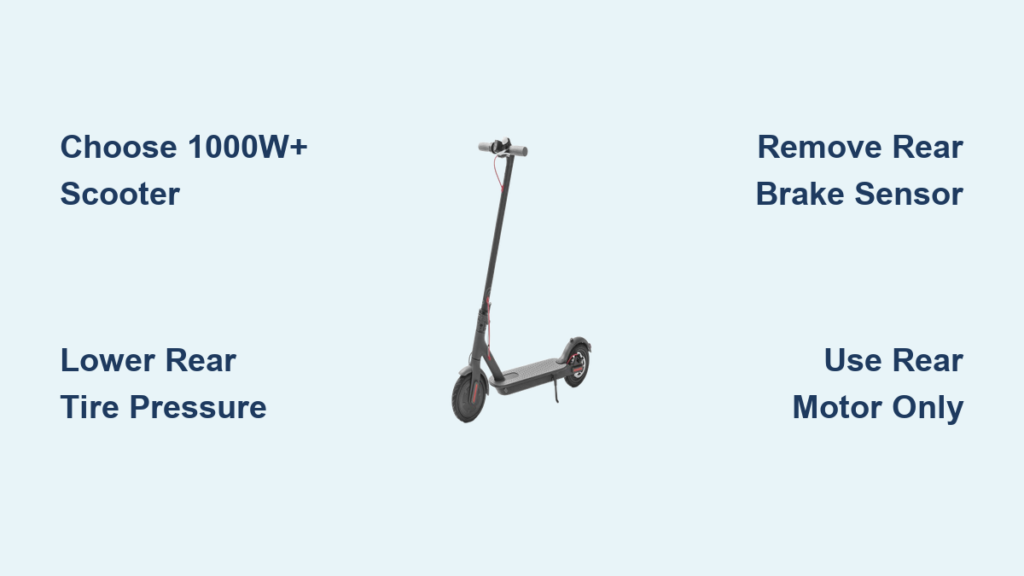
Lifting the front wheel off the ground and balancing on your back tire is one of the most impressive tricks you can learn on a scooter. Whether you ride a high-powered electric model or a modified 50cc gas scooter, the wheelie isn’t about raw strength. It is about timing, weight transfer, and finding your balance point. Many riders fail not because they lack skill, but because their scooter isn’t set up correctly or they are using the wrong technique for their specific powertrain. This guide covers exactly how to wheelie a scooter, from choosing the right machine to mastering the pop and landing safely.
Choose the Right Scooter for Wheelies
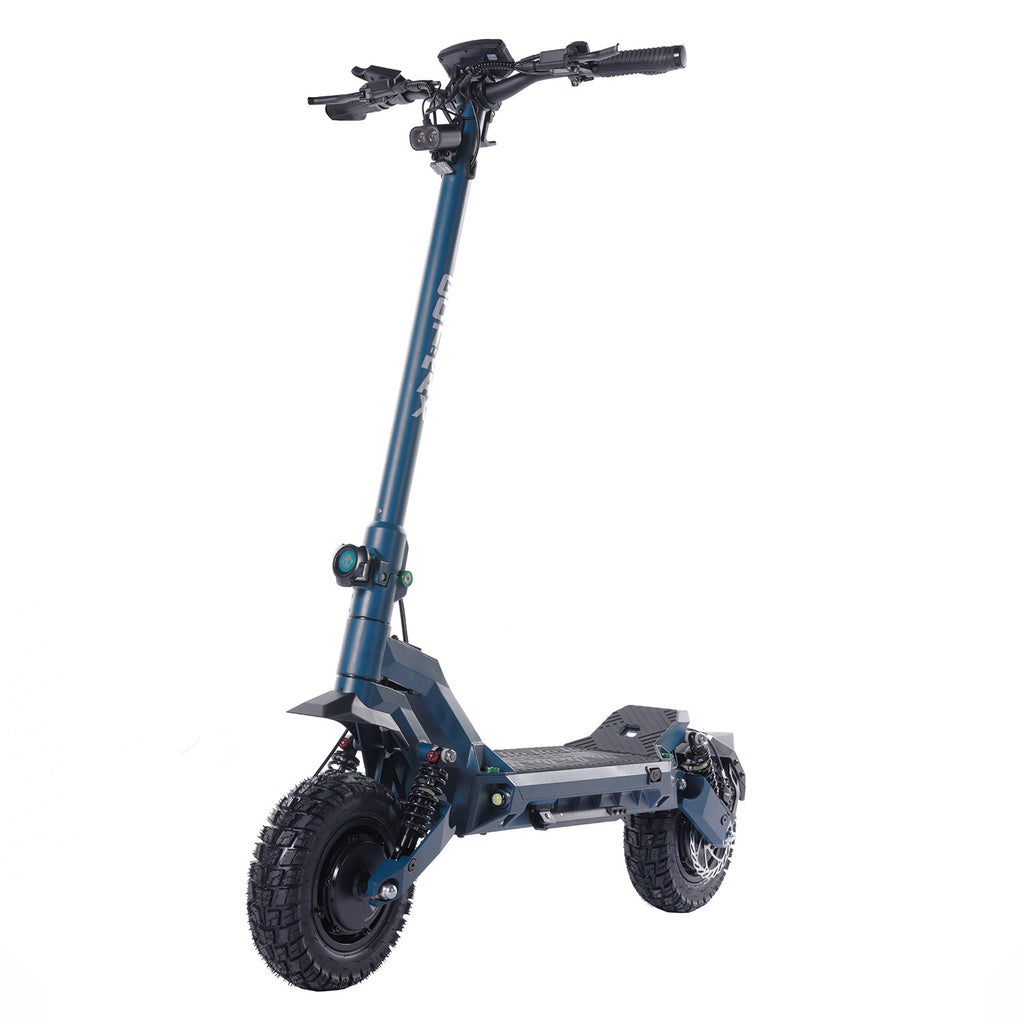
Not every scooter can perform a wheelie. Attempting this trick on an underpowered or poorly built model leads to frustration and potential injury. The right scooter makes the learning process much easier and safer.
Electric Scooter Requirements
For electric scooters, motor power is the most critical factor. You need at least 1000W of motor power to generate enough torque for the initial lift. High torque delivers the instant “pop” needed to raise the front wheel. Rear-wheel drive is ideal for wheelies. If you have a dual-motor scooter, you must switch to rear motor only mode to prevent the front motor from creating resistance that fights against the lift. Lightweight frames with sturdy construction, like those found on the Gotech GX3 or Hooga Daytona, respond best to rider input.
Combustion Scooter Requirements
A stock 50cc scooter lacks the low-end torque needed for wheelies. You cannot perform a wheelie from a dead stop. Success requires a rolling start at 5 to 10 mph to build RPMs into the “peppy” range where power is sufficient. Removing approximately 15 pounds from the front end, including the fairing and front brake components, significantly reduces lift resistance.
Scooters to Avoid
Avoid underpowered models with less than 800W motor power or unmodified 50cc engines. Weak or flexing frames will struggle under the stress of one-wheel riding. Scooters with poor rear grip or worn tires cannot maintain traction during the lift. Always ensure your brakes are functional and all parts are secure before attempting any wheelie.
Optimize Your Scooter Setup

Even the best rider cannot overcome bad setup. These mechanical tweaks dramatically increase your chances of success, especially on electric models.
Remove the Rear Brake Sensor
Stock brake sensors add delay between pulling the lever and brake engagement. For wheelies, instant braking is critical to prevent looping out backward. Unplug or remove the rear brake sensor so the brake activates the moment you press the lever. This simple change turns your brake into a reliable safety net.
Adjust Tire Pressure
Manufacturers often recommend 50 PSI, but that is too stiff for wheelies. Lower your rear tire pressure to 37 to 40 PSI. This increases the contact patch, improves grip, and makes the rear suspension more responsive during the pop. Better traction means easier lifting and more controlled balance.
Disable Steering Dampener
If your scooter has a steering dampener, remove it. The dampener restricts front-end movement and makes lifting harder. Removing it gives you faster, smoother control when initiating the wheelie.
Set Correct Riding Modes
Use the highest speed mode available for full throttle response. On dual-motor scooters, switch to rear motor only mode to eliminate front motor resistance. This ensures all power goes toward lifting the front wheel rather than fighting against it.
Pre-Ride Safety and Gear Checks
Before attempting a wheelie, ensure your scooter and environment are safe. Proper preparation prevents serious injury.
Gear Up Fully
You must wear protective gear every time you practice. A full-face helmet protects against backward falls. Knee and elbow pads prevent scrapes and breaks. Gloves improve your grip on the handlebars and protect your hands during falls. Falls happen even to experienced riders. Proper gear prevents serious injury.
Pick the Right Practice Spot
Choose empty parking lots, basketball courts, or private driveways for practice. Avoid wet or uneven surfaces that reduce traction. Never practice near pedestrians, traffic, or public sidewalks where wheelies are often illegal.
Perform Final Checks
Ensure your battery is fully charged for maximum power output. Test that your brakes are functional and responsive. Check tire inflation and tread condition. Verify the frame, handlebars, and deck are tight with no loose components.
Master the Correct Body Position

Your body is the control center for the wheelie. Wrong posture kills the trick before it starts.
Foot Placement
Place your back foot as far back as possible near the brake lever or battery. This foot acts as your primary pivot point. For beginners, keep your front foot on the ground as a stabilizer until you gain confidence. Advanced riders center the front foot on the deck and use it to “wiggle” and find the balance point. Never press down hard with your feet. You want to float over the deck, not stomp on it.
Body Posture
Sit with your butt all the way back on the seat, not on the edge. For seated wheelies, keep your hips behind the rear axle in the “10 o’clock” position. For standing, bend your knees slightly and stay loose. Keep your arms bent. Locked elbows mean you are pulling with strength instead of shifting weight. Look forward, not down. Your eyes guide your balance. Stay relaxed. Tension causes wobbles.
Execute the Wheelie: Step by Step
The technique differs slightly between electric and combustion scooters, but the phases are the same.
Start with a Rolling Motion
For electric scooters, begin at 5 to 10 mph. Instant torque helps, but momentum improves stability. For 50cc combustion scooters, you must roll at 5 to 10 mph to build RPMs. A dead-stop wheelie is impossible on low-torque engines.
Pop the Front Wheel
For electric scooters, ride slowly with your front foot near the suspension. Stomp down on the front foot to compress the forks. As the suspension rebounds, pull the handlebars toward your chest and crack the throttle. Use the rebound to assist the lift. Do not yank upward.
For combustion scooters, shift weight slightly forward, then slam your butt back onto the rear of the seat. Crack the throttle in one quick burst. Combine the weight shift and throttle into a single fluid motion. The front lifts because your body moves back, not because you pull up on the bars.
Find the Balance Point
Once the front wheel is up, stop hammering the throttle. Use tiny adjustments instead. If you are leaning too far back, lean forward slightly or ease off the throttle. If falling forward, slide your back foot further back, lean back more, or add a micro burst of throttle. Use the “wiggle” method by gently shifting your front foot back and forth to feel the balance point.
Land Smoothly
For a controlled landing, lean forward slightly and ease off the throttle. Let the front wheel touch down gently. If you feel yourself flipping backward, tap the rear brake immediately. Do not let off the gas and slam the brake. Just tap it to bring the front down fast.
Practice Drills for Fast Progress
Build muscle memory with structured drills. Master each step before moving on.
Drill 1: Static Pop
Stand still. Stomp your front foot to compress the suspension. As the forks rebound, pull the bars toward your chest. The goal is to learn the rebound timing. Do not worry about throttle yet.
Drill 2: Pop and Tap
Roll slowly. Pop the front wheel with a quick throttle burst. Immediately tap the brake to drop it. Do not roll forward. Just pop and drop. This trains your instant brake reflex and timing.
Drill 3: Pop, Roll, Tap
Pop the wheelie. Roll forward 5 to 10 feet. Tap the brake to land smoothly. Focus on balance and control, not distance.
Drill 4: Rolling Slam
For combustion scooters, roll at 5 to 10 mph. Wait for the engine to sound peppy. Execute the body slam and throttle crack. Lift for 2 to 3 feet, then land. Repeat until consistent.
Fix Common Wheelie Failures

Most problems have simple fixes. Use this troubleshooting guide to identify issues quickly.
Scooter Won’t Lift
Not enough power, wrong mode, or insufficient lean causes this. Switch to rear motor only, lower rear tire pressure, and lean back harder.
Front Wheel Drops Early
Over-gassing or panic causes early drops. Use minimal throttle once up. Stay relaxed and focus on balance.
Flipping Backward
Leaning too far back or over-throttling causes looping out. Tap the rear brake instantly. Shift weight forward and feather the throttle gently.
Wobbling or Shaking
Tense arms or looking down causes instability. Bend your arms, relax your grip, and look forward at a distant point.
Brake Feels Delayed
The rear brake sensor is still active. Remove or unplug it for instant response.
Dual Motor Resistance
The front motor is pulling forward while the rear tries to lift. Switch to rear motor only mode.
Safety First: Avoid Injuries and Fines
Wheelies are high-risk. Respect the danger and the law.
Always Wear Protection
Helmet, pads, and gloves are non-negotiable. Most injuries happen from backward falls. Full-face helmets provide the best protection.
Practice Off Public Roads
Wheelies are illegal on sidewalks and public streets in most areas. Fines and impoundments are common. Use private, empty spaces only.
Respect Others
Never ride near pedestrians or traffic. Avoid loud or disruptive areas. Follow local stunt riding laws.
Know the Mechanical Risks
Wheelies stress the motor, drivetrain, and frame. Cheap scooters may crack or fail under load. Inspect your scooter regularly for damage.
Advance Beyond the Basic Wheelie
Once you can pop, balance, and land consistently, try these next-level moves.
Advanced Variations to Try
• Peg wheelie using axle pegs for better balance and style
• Leg drag by dragging one foot lightly on the ground
• Fakie wheelie riding backward on the rear wheel
• Knee knocker leaning into a turn while wheelie-ing
• Hand-off or one-handed wheelie removing one hand from the bars
• Seated wheelie performing the trick while sitting
Electric vs. Combustion: Key Differences

| Feature | Electric Scooter | 50cc Combustion |
|---|---|---|
| Power Delivery | Instant torque | RPM-dependent |
| Start Type | Slow roll or near stop | Must roll (5-10 mph) |
| Main Lift Method | Throttle pop + rebound | Body slam + throttle |
| Critical Setup | Remove sensor, adjust pressure | Reduce front weight |
| Balance Control | Feather throttle | Shift body weight |
| Noise Level | Quiet | Loud |
Key Takeaways for Wheelie Success
Learning how to wheelie a scooter is about precision, not power. Success comes from proper scooter setup, correct body mechanics, and consistent practice. Start with an electric scooter of at least 1000W or a modified combustion scooter with reduced front weight. Remove the rear brake sensor, lower tire pressure to 37 to 40 PSI, and switch to rear motor only if applicable. Master the static pop drill before attempting rolling wheelies. Always wear full protective gear and practice in safe, private locations. With the right scooter, the right technique, and the right mindset, you will be riding on one wheel in no time.
Frequently Asked Questions About Wheelie a Scooter
Can any scooter perform a wheelie?
No. Underpowered scooters under 800W or unmodified 50cc engines cannot wheelie. You need high torque, rear-wheel drive, and a sturdy frame for safe execution.
How do I wheelie on an electric scooter?
Use a slow roll at 5 to 10 mph. Stomp your front foot to compress suspension. As it rebounds, pull the bars toward your chest and crack the throttle. Find the balance point using micro-adjustments.
Why does my scooter not lift?
Your scooter may not lift due to insufficient power, wrong riding mode, or incorrect tire pressure. Switch to rear motor only, lower rear tire pressure to 37 to 40 PSI, and lean back more aggressively.
Is wheelie dangerous?
Yes. Wheelies carry risk of falling backward, forward, or to the side. Always wear a full-face helmet, knee and elbow pads, and gloves. Practice in safe, private locations away from traffic.
Can I wheelie on a 50cc scooter?
Yes, but with modifications. You must remove about 15 pounds from the front end and use a rolling start at 5 to 10 mph. A dead-stop wheelie is impossible on stock 50cc engines.