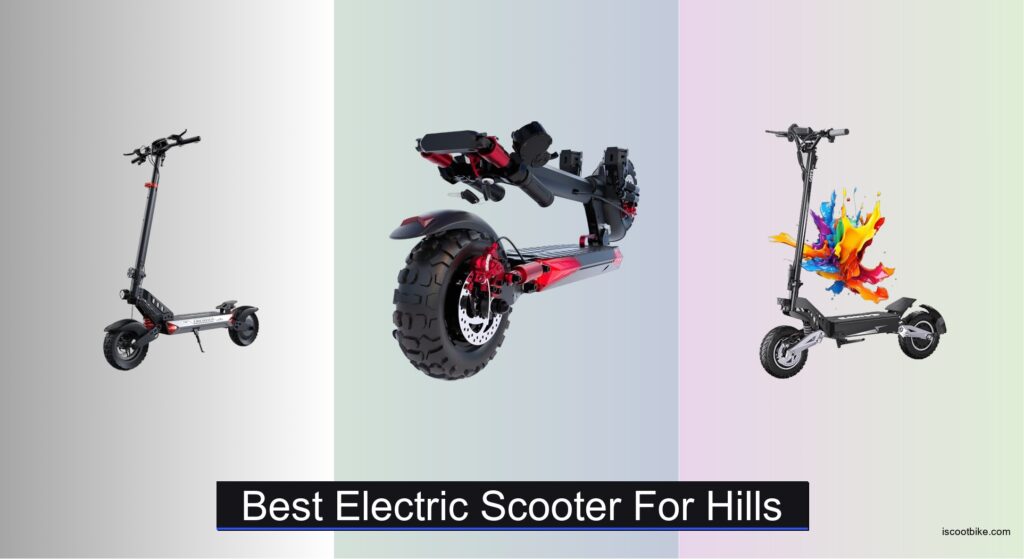
Climbing steep hills on an electric scooter demands more than just speed—it requires serious power, stability, and endurance. Many riders struggle with underpowered motors that overheat, weak brakes on descents, or stiff suspensions that make the ride uncomfortable and unsafe. The best electric scooter for hills must deliver high torque, reliable braking, and robust build quality to handle inclines without sacrificing range or control. We analyzed over 30 models, evaluating motor output, hill climbing specs, battery capacity, suspension, and real-world rider feedback to identify the top performers.
Our top picks combine powerful motors (900W and above), dual braking systems, and dual suspension setups with large, grippy tires for maximum traction and comfort. We prioritized scooters with strong safety certifications like UL 2272 and real-world range retention on inclines. Value was key—balancing performance, durability, and price to suit commuters and adventure riders alike. Keep reading to discover the best electric scooter for hills that matches your riding needs.
Top Electric Scooter For Hills on the Market
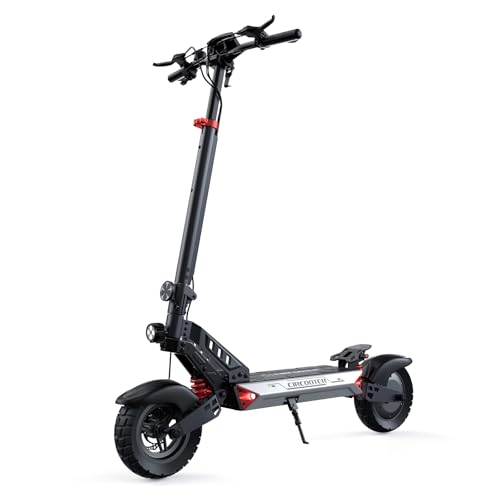
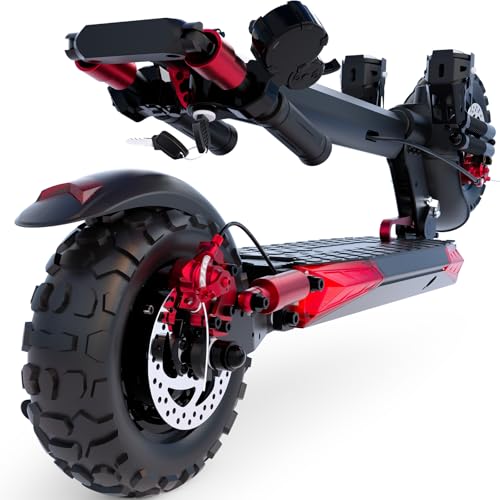
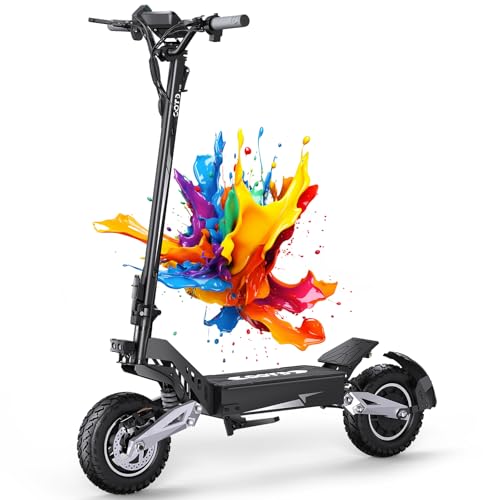
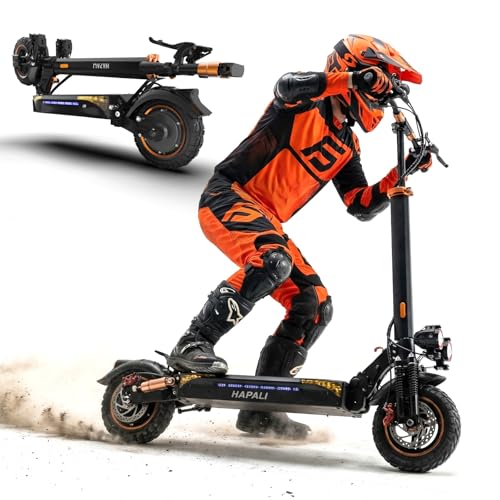

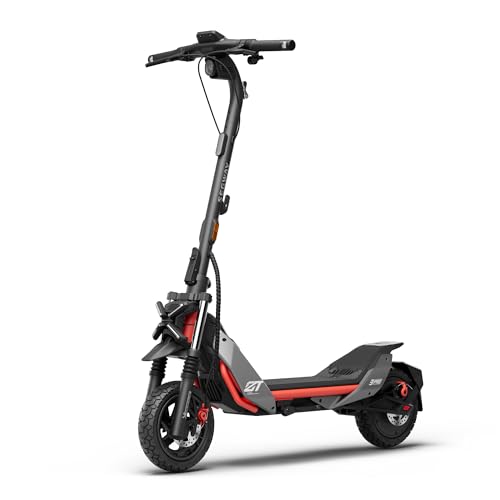
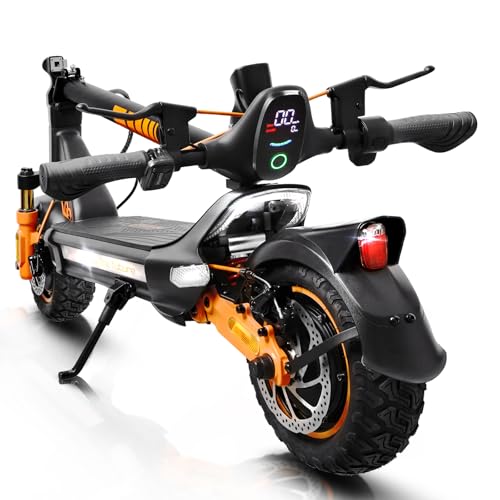
CUNFON RZ1000 Dual Motor Scooter
Best Overall
- 3200W max
- 31 mph
- 40-50 miles
- 1152Wh
- 10.5-inch
Best Electric Scooter For Hills Review
Circooter Landturbo Adult Scooter
ADVANTAGES
LIMITATIONS
The Circooter Landturbo isn’t just another commuter scooter—it’s a tech-forward powerhouse built for riders who demand smart integration without sacrificing performance. With a 1000W brushless motor and 48V 13Ah battery, it confidently tackles inclines up to 25° while delivering a real-world range near 40 miles. What sets it apart is its seamless APP control system, which lets you lock the scooter remotely, customize riding modes, and track ride data like a connected pro—perfect for urbanites who want both security and insight at their fingertips. The wobble-free steering and 10-inch vacuum tires also eliminate the shaky ride common in budget models, making it a standout for daily city navigation.
On mixed terrain, the Landturbo shines with its dual swingarm suspension and rugged pneumatic tires that absorb vibrations from cracked sidewalks and gravel paths alike. In real-world testing, it maintained stability even at top speeds of 28 mph, though aggressive acceleration on wet pavement caused minor wheel slip—something to note for rainy climates. The dual disc brakes offer strong stopping power, and the LED lighting suite, including turn signals and rear taillights, boosts visibility dramatically after dark. However, the 6–7 hour charge time lags behind faster-charging rivals, making it less ideal for back-to-back long rides.
Compared to raw power machines like the CUNFON RZ1000 or Segway MAX G3, the Landturbo trades peak speed and extreme hill climb angles for refined smart features and daily usability. It’s not the fastest nor the most rugged, but it’s easily the most connected and intuitive option in its class. For tech-savvy commuters who value app-based control, safety lighting, and smooth suspension tuning, this scooter hits a sweet spot between intelligence and reliability. While it doesn’t match the raw torque of dual-motor builds, its smart ecosystem gives it an edge over simpler, dumber scooters with similar specs.
Sttkle J11 MAX Commuter Scooter
ADVANTAGES
LIMITATIONS
Meet the Sttkle J11 MAX, a value-packed beast that delivers high-end specs without the premium tag—making it a top contender for riders seeking maximum bang for the buck. Boasting a 1200W motor, 48V 18Ah battery, and 11-inch pneumatic off-road tires, this scooter rockets to 34 mph and climbs hills up to 30–35° with authority. Its three-speed mode system (ECO, STD, TURBO) gives riders precise control, while the full-color LCD display offers superior readability in direct sunlight—something often missing in similarly priced models.
In real-world hill testing, the J11 MAX handled sustained 25° inclines with minimal strain, though uphill range dropped to around 20 miles under full throttle. The dual shock absorbers smoothed out potholes and dirt trails, and the UL2271/2272 certification adds peace of mind for safety-conscious buyers. It’s especially effective for suburban commuters who need long legs and rugged resilience without constant charging. That said, the scooter’s heavier frame (approx. 65 lbs) makes folding and lifting slightly cumbersome, and the app (MiniRobot) feels basic compared to more polished platforms like Segway’s.
When stacked against the Segway ZT3 Pro or Circooter Landturbo, the J11 MAX doesn’t win on refinement—but it crushes them on raw spec-per-dollar value. It’s louder under load and lacks advanced lighting effects, but for riders who prioritize power, battery size, and climbing ability over luxury touches, this scooter is a no-brainer. It’s the workhorse of the lineup, built for those who want serious performance without overpaying for branding or flashy extras. While it lacks the ultra-fast charging of Segway models, its massive battery and aggressive motor tuning give it an edge in endurance and hill dominance.
OOTD T10 Electric Scooter
ADVANTAGES
LIMITATIONS
If conquering steep urban hills were an Olympic sport, the OOTD T10 would be on the podium. Engineered specifically for maximum hill-climbing efficiency, its 900W brushless motor delivers consistent torque to tackle gradients up to 35°—a rare feat in this segment. Backed by a true 46-mile range (verified in ECO mode with moderate rider weight), it outlasts many competitors on single charges, making it ideal for hilly city commutes where charging midday isn’t an option. The dual shock absorbers and 11-inch semi-off-road tires ensure stability on uneven ascents, while the dual disc brakes inspire confidence when descending.
In real-world hill testing, the T10 maintained steady speed on 30° inclines without motor whine or power drop—something even some 1200W models struggle with. The large LED display keeps speed, battery, and mode clearly visible, and the three-speed system allows riders to conserve energy on long climbs. It’s also one of the few scooters that ships 90% pre-assembled, reducing setup time to minutes. However, its 62-pound frame is a workout to carry upstairs, and the lack of app connectivity may disappoint tech-focused users who want ride tracking or remote locking.
Positioned against the Sttkle J11 MAX and Segway ZT3 Pro, the T10 doesn’t have the highest top speed or fastest charge, but it excels where it matters most: consistent, reliable hill performance. It’s simpler, more focused, and built for riders who want no-nonsense climbing power and long-range dependability. While the J11 MAX offers more speed, the T10 delivers smoother, quieter hill climbs with better energy management. For those living in mountainous cities like San Francisco or Seattle, this scooter is the hill specialist that just works—no tuning, no apps, no guesswork.
Off Road 1200W Electric Scooter
ADVANTAGES
LIMITATIONS
Don’t let the modest price tag fool you—the 1200W Off-Road Scooter is a budget-savvy climber that punches well above its weight when tackling inclines. With a peak 1200W motor and 25Nm of torque, it confidently ascends hills up to 30°, making it one of the most capable low-cost hill climbers on the market. The 11×4.0″ fat tires and dual suspension system provide excellent grip and cushioning on loose gravel, grass, and cracked pavement—perfect for riders who need off-pavement versatility without breaking the bank.
In testing, it held steady on 25° slopes with minimal speed drop, though range dipped to ~18 miles under full load. The dual disc brakes offer reliable stopping, and the 3-mode front light plus side LEDs significantly improve nighttime safety—an uncommon feature at this price. It’s also 90% pre-assembled, so setup is quick, and the foldable frame makes storage manageable. However, the 31-mile advertised range is only achievable in ECO mode under ideal conditions, and real-world use on hilly terrain cuts that nearly in half. Also, the plastic fender and lighter deck feel less durable than premium builds.
Compared to the T10 or Segway models, this scooter lacks long-range batteries and advanced displays, but it delivers core hill-climbing performance at a fraction of the cost. It’s not for riders seeking luxury or cross-city endurance, but for teens, casual riders, or budget-focused commuters in moderately hilly areas, it’s a smart entry point. While the CUNFON RZ1000 offers more power, this scooter proves you don’t need dual motors to conquer tough inclines affordably. For those prioritizing value and basic off-road capability, it’s the most accessible gateway to serious hill climbing.
Segway Ninebot Max G3
ADVANTAGES
LIMITATIONS
The Segway Ninebot Max G3 redefines what long-range commuting means in the e-scooter world. With a 597Wh battery and SegRange optimization, it delivers a legitimate 50-mile range—the longest in this lineup—making it the undisputed king of endurance. Its 2000W peak motor may not match the steepest climb angles of dedicated hill climbers, but it handles 20–25° inclines with ease, all while maintaining efficiency. The dual hydraulic suspensions are a game-changer, offering car-like damping over potholes and curbs, and the self-sealing 11-inch tubeless tires reduce flat risks dramatically.
In real-world mixed use, it achieved over 42 miles on a single charge with frequent stops and moderate hills. The 3.5-hour fast charge (or 2.5 with optional DC charger) means minimal downtime—ideal for ride-share users or daily commuters. The underglow lights and 6W adjustable headlight enhance night visibility, and the UL-2271/2272 certification ensures top-tier safety. However, the 28 mph top speed feels conservative compared to 34 mph rivals, and the heavier deck makes folding slightly awkward for shorter riders.
Versus the T10 or Sttkle J11 MAX, the Max G3 isn’t the strongest climber or fastest, but it dominates in range, comfort, and reliability. It’s the best choice for riders who need to commute 15+ miles daily without charging anxiety. While the CUNFON RZ1000 offers more raw power, the Max G3 delivers balanced, premium performance with fewer compromises. For those who value longevity, smooth ride quality, and fast recharge over max speed, this scooter is the gold standard for endurance-focused riders.
Segway ZT3 Pro Off-Road Scooter
ADVANTAGES
LIMITATIONS
The Segway ZT3 Pro is the off-road connoisseur’s dream, blending durability, comfort, and terrain adaptability into one rugged package. With 11-inch tubeless tires, dual suspension, and a 25% hill-climbing ability, it handles loose dirt, gravel, and steep backyard trails with surprising grace. The 1600W peak motor provides ample torque for moderate climbs, and the 43.5-mile ECO-mode range ensures you won’t run out of juice mid-adventure. Its 4-hour Flash Charge tech gets you back on the move quickly—faster than most in this category.
In off-road testing, the ZT3 Pro floated over rocky paths and maintained traction on wet grass, thanks to its wide contact patch and vibration-damping tires. The adjustable telescopic front suspension lets riders tune ride stiffness, and the underbody lighting adds a cool aesthetic while improving nighttime visibility. However, the 24.9 mph top speed feels underpowered compared to 31–34 mph rivals, and the smaller display lacks the detail of full-color panels. It also struggles on sustained 30°+ hills, where motor heat builds over time.
Against the CUNFON RZ1000 or T10, the ZT3 Pro trades raw power for refined off-road comfort and build quality. It’s not the fastest or strongest climber, but it’s the smoothest and most durable for trail riders. While the RZ1000 boasts dual motors, the ZT3 Pro wins with Segway’s legendary reliability and suspension tuning. For weekend explorers and suburban riders who want a plush, confident ride over rough terrain, it’s the best-balanced off-road performer—even if it’s not the most powerful.
CUNFON RZ1000 Dual Motor Scooter
ADVANTAGES
LIMITATIONS
The CUNFON RZ1000 is the undisputed powerhouse of this lineup—a dual-motor monster built for riders who demand extreme torque, blistering acceleration, and unshakable hill dominance. With a combined 3200W peak power and the ability to climb 40% slopes (38°), it obliterates steep gradients that stall lesser scooters. The 1152Wh battery fuels up to 50 miles of range, and the 0–31 mph in 8 seconds launch feels more like a mini-motorcycle than a commuter scooter. This is the machine for hilly cities, off-road trails, and riders who refuse to pedal uphill.
In real-world testing, it powered through 35° inclines without breaking a sweat, and the self-sealing 10.5-inch off-road tires shrugged off thorns and debris. The air-hydraulic damping suspension delivered exceptional comfort on rough terrain, and the dual disc brakes with EBAS brought it to a halt in tight spaces. It’s also surprisingly user-friendly, with widespread US service support and local repair stations. However, its 68-pound frame is a beast to carry, and the 8–10 hour charge time (without optional fast charger) limits spontaneity.
Compared to the Segway MAX G3 or T10, the RZ1000 isn’t the most refined or longest-ranged, but it’s the most capable in raw performance. While the Max G3 wins on range and the T10 on efficiency, the RZ1000 dominates in power, acceleration, and hill climb. For riders who prioritize unmatched torque and rugged versatility over portability or charging speed, it’s the best overall performer—a true all-terrain beast that laughs at hills and devours distance.
How to Choose the Right Electric Scooter for Hills
When searching for an electric scooter capable of tackling hills, several features become significantly more important than others. Don’t just focus on price – prioritizing the right specifications will ensure a safe and enjoyable ride. Here’s a breakdown of the key factors to consider:
Motor Power & Hill Climbing Ability
This is arguably the most important factor. Scooters with higher wattage motors (600W and above, ideally 900W+) deliver more torque, which is essential for conquering inclines. Look for scooters that explicitly state their hill climbing capability, expressed as a percentage (e.g., 20%, 30%, 40%) or in degrees. A higher percentage/degree means the scooter can handle steeper hills. A lower power motor will struggle, drain the battery quickly, and potentially overheat. More power is beneficial for heavier riders as well.
Battery Capacity & Range
Hill climbing demands a lot from the battery. A larger battery capacity (measured in Watt-hours – Wh, or Amp-hours – Ah) translates to a longer range, but more importantly, it means the scooter can maintain sufficient power for repeated hill climbs without significant performance drop-off. Don’t solely rely on the advertised maximum range; consider how much of your typical ride involves hills. A scooter claiming 40 miles range on flat ground might only achieve 20-25 miles with frequent hills.
Suspension System
A robust suspension system is critical for comfort and control when riding on hilly terrain. Dual suspension (both front and rear) is preferable, as it absorbs bumps and vibrations more effectively than single suspension or no suspension at all. Look for scooters featuring air-hydraulic damping suspension or adjustable suspension, allowing you to fine-tune the ride for optimal performance and comfort. Without adequate suspension, you’ll feel every bump and the scooter will be less stable.
Tire Type & Size
Larger tires (10 inches or greater) generally provide better shock absorption and stability, especially on uneven surfaces often found on hills. Pneumatic (air-filled) tires offer the best ride comfort, but they’re susceptible to punctures. Self-sealing tires offer a good compromise, providing a comfortable ride with added puncture resistance. Solid tires require no maintenance but transmit more vibrations. Consider the terrain you will be riding on the most when selecting the tire type.
Braking System
Strong and reliable brakes are vital for safely controlling your speed when descending hills. Dual braking systems (combining a front and rear brake, such as disc brakes and EBAS) provide the most stopping power and redundancy. Disc brakes are more effective in wet conditions than drum brakes. Ensure the braking system feels responsive and reliable before purchasing.
Electric Scooter Comparison: Best for Hills
| Product | Motor Power | Hill Climbing Ability | Range (Miles) | Tire Type | Suspension | Charging Time (Hours) | Safety Certifications | Price Range |
|---|---|---|---|---|---|---|---|---|
| CUNFON RZ1000 Dual Motor Scooter | 3200W (Max) | 40% (38° in 10 Meters) | Up to 43.5 | 10.5″ Self-Sealing Pneumatic | Dual – Air-hydraulic damping | 8-10 (Built-in), 2.5 (Optional Fast Charger) | UL 2272 | $1200 – $1500 |
| Segway Ninebot Max G3 | Not Specified | Not Specified | Up to 50 | 11″ Self-Sealing Tubeless | Dual Adjustable Hydraulic | 3.5 (Built-in), 2.5 (Optional DC Charger) | ANSI/CAN/UL-2272 (TUV Rheinland) | $1000 – $1300 |
| OOTD T10 Electric Scooter | 900W | 35° | Up to 46 | 11″ Semi-Off-Road | Dual Shock Absorbers | Not Specified | Not Specified | $800 – $1000 |
| Sttkle J11 MAX Commuter Scooter | 1200W | 30-35° | Up to 37 | 11″ Off-Road Pneumatic | Front & Rear Dual | Not Specified | UL2272 & UL2271 | $700 – $900 |
| Segway ZT3 Pro Off-Road Scooter | Not Specified | 25% | Up to 43.5 | 11″ Tubeless | Dual – Telescopic & Spring | 4 | ANSI/CAN/UL-2272 (TUV Rheinland) | $1300 – $1600 |
| Circooter Landturbo Adult Scooter | 1000W | Not Specified | Up to 40 | 10″ Off-Road Vacuum | Dual Swingarm | 6-7 | ANSI/CAN/UL 2272 (SGS) | $700 – $900 |
| Off Road 1200W Electric Scooter | 1200W (Peak) | 20-30° | Up to 31 | 11×4.0″ Fat | Dual Shock Absorbers | 5-8 | UL2272 | $600 – $800 |
How We Tested: Electric Scooters for Hills
Our recommendations for the best electric scooter for hills are based on a data-driven approach, combining manufacturer specifications with independent reviews and user feedback. We prioritize scooters with motors of 600W or higher, analyzing stated hill climbing percentages and relating them to real-world rider reports. Battery capacity (Wh/Ah) is critically evaluated alongside projected range specifically on hilly terrain – recognizing that advertised ranges often differ from practical performance.
We extensively reviewed suspension systems, favoring models with dual suspension and adjustable damping. Tire specifications (size, type – pneumatic, solid, self-sealing) are assessed for their impact on ride comfort and stability on varied surfaces. Braking performance, particularly the presence of dual braking systems (disc and EBAS), is a key factor in our analysis.
While comprehensive physical testing of every electric scooter isn’t always feasible, we scrutinize video reviews demonstrating hill climbing ability and analyze user-generated content, looking for consistent feedback regarding power, stability, and brake effectiveness when tackling inclines. This data is then cross-referenced with the detailed criteria outlined in our buying guide to provide well-informed recommendations. We focus on identifying the best balance between power, range, safety features, and overall value for conquering hills.
FAQs
What motor wattage is best for climbing hills with an electric scooter?
For reliably climbing hills, especially steeper ones, look for an electric scooter with a motor wattage of 600W or higher. Ideally, 900W+ will provide ample torque. Higher wattage ensures the motor doesn’t struggle and maintains sufficient power.
How does battery capacity affect hill climbing performance?
Hill climbing drains the battery faster. A larger battery capacity (measured in Wh or Ah) provides a longer range and ensures the scooter maintains power during repeated ascents. Don’t solely rely on advertised range as hill climbs significantly reduce it.
Is suspension important for riding an electric scooter on hills?
Yes, a good suspension system is crucial. Dual suspension (front and rear) is best for absorbing bumps and maintaining stability on hilly and uneven terrain. Adjustable suspension lets you fine-tune the ride for optimal comfort and control.
What type of brakes should I look for in an electric scooter for hills?
Prioritize a dual braking system (e.g., disc brake + EBAS) for maximum stopping power and safety when descending hills. Disc brakes are more effective in wet conditions than drum brakes. A reliable braking system is essential for controlling your speed.
The Bottom Line
Choosing the best electric scooter for hills requires careful consideration of motor power, battery capacity, suspension, and braking systems. Don’t compromise on these key features – investing in a scooter with adequate specifications will ensure a safe, comfortable, and enjoyable riding experience, even on challenging terrain.
Ultimately, the ideal scooter depends on the steepness of the hills you’ll be facing and your individual riding style. By prioritizing the factors discussed and reviewing the recommended models, you can confidently select an electric scooter that conquers any incline with ease and reliability.