You’re cruising along, and suddenly your e scooter powers down. You reach for your charger and realize it is missing. The good news: you can charge an e scooter without the original charger. The bad news: doing it wrong risks fire, battery destruction, and voided warranties. This guide walks you through safe, tested methods to get moving again.
In this article, you will learn exactly how to charge your e scooter using universal adapters, power banks, laptop chargers, and other alternatives. You will also learn which methods to avoid completely and how to replace your charger the right way.
Universal Adapter Charging: The Safest Alternative

A universal power adapter is the most reliable way to charge an e scooter without its original charger, as long as you match three critical specs precisely.
Match Voltage and Current Exactly
Your scooter’s battery demands a specific voltage and current. Even a small deviation causes overheating or incomplete charging.
A 36V battery needs about 42V to charge fully. A 48V battery requires approximately 54.6V. A 24V system needs around 29.4V. Check your battery label or old charger for the exact output specs, then set your universal adapter to match. Current should equal or slightly exceed the original rating, such as 2A or 3A. Lower current means painfully slow charging, while significantly higher current risks overheating.
Choose the Right Connector
Universal adapters come with multiple tips. Confirm these three things before buying.
The plug must fit snugly into your scooter charging port. The polarity must match, which is usually center-positive. The connector type must be compatible, whether barrel, XT60, or Anderson style. Use a multimeter to verify polarity if you are unsure. Reversed polarity fries the Battery Management System instantly.
Use Only Certified Adapters
Cheap, unbranded adapters lack safety features. Look for these certifications.
UL, CE, FCC, or RoHS safety marks indicate proper testing. Real-time voltage and current displays let you monitor charging. Overcharge and short-circuit protection prevent disasters. A quality universal adapter costs $40 to $80, which is far cheaper than replacing a destroyed battery.
Monitor the Charging Process
Once connected, follow this sequence. Plug the adapter into the wall first, then connect to the scooter. Watch for a charging indicator, typically a red light. Calculate charging time using this formula: Battery Capacity (Ah) divided by Charger Current (A). For example, a 10Ah battery with a 2A charger takes about 5 hours. Never leave charging unattended. Check battery temperature every 15 minutes and disconnect immediately if it feels hot.
Portable Power Bank Charging for Emergency Top-Ups
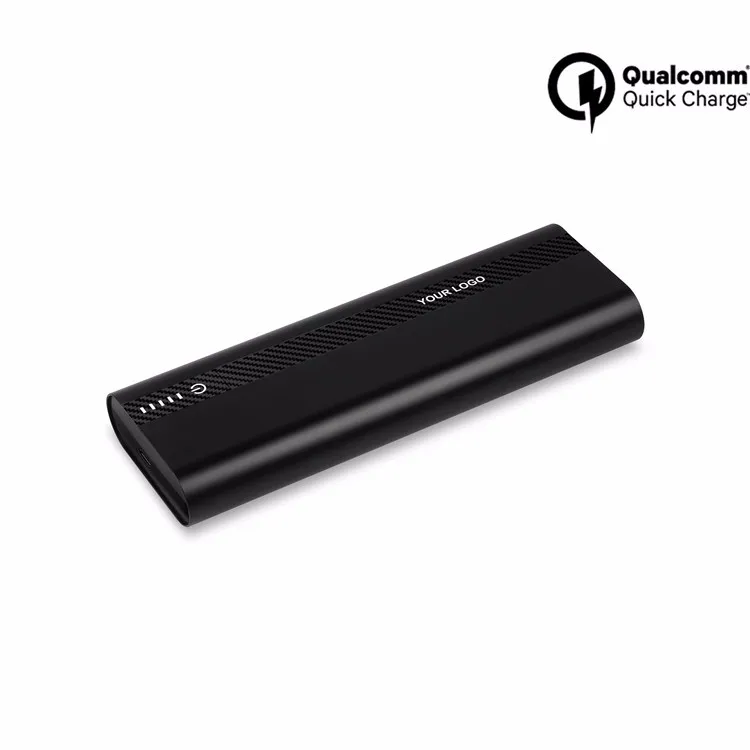
A high-capacity power bank can save you when you are stranded far from an outlet, but it has strict requirements and major limitations.
Use Only DC Output Power Banks
Standard USB power banks output 5V or 12V, which will not work. Your scooter needs 36V, 48V, or higher. You need a DC output power bank designed for e-bikes or scooters with adjustable voltage modes, DC barrel or XT60 output, and at least 20,000mAh (72Wh) capacity.
Calculate Real-World Range Gain
Energy loss during conversion averages 20 to 30 percent. A 360Wh power bank will not fully charge a 360Wh scooter battery. Use this formula to estimate usable charge: Power Bank Wh divided by Scooter Battery Wh, multiplied by 0.75. For instance, 300Wh divided by 400Wh times 0.75 equals approximately 56 percent charge. A 30,000mAh (108Wh) bank might add just 5 to 10 miles of range.
Connect with the Right Cable
You need a DC-to-DC adapter cable that matches the power bank output plug, fits your scooter charging port, and maintains correct polarity. Always test polarity with a multimeter before connecting.
Limit Use to Emergencies
Power banks offer portability without wall outlets, which can save you mid-ride. However, charging is very slow, typically 3 to 4 times slower than wall charging. The units are heavy, adding 3 to 5 pounds to your load. Quality units cost $150 to $300. Use power banks only for short top-ups, never for full charges.
Laptop Charger Charging: Emergency-Only Solution
A laptop charger can work in a pinch, but only if the specs align perfectly with your scooter requirements.
Check Output Specs Carefully
Examine the label on your laptop charger. It should show output voltage and amperage, such as 42V === 3A. Compare these numbers to your scooter requirements. Voltage must match exactly. Current should be equal or higher. Most laptop chargers are 19V to 20V, which is too low for scooters. However, some gaming or workstation laptop chargers use 48V or 60V bricks, which may work.
Confirm Connector and Polarity
The plug must physically fit your scooter charging port and deliver correct polarity. Use alligator clips or a custom adapter if needed, but always double-check polarity with a multimeter first.
Monitor for Heat and Stop If Hot
Laptop chargers are not designed for continuous scooter charging. Watch for overheating on both the charger and battery. Charge in 20 to 30 minute intervals. Stop immediately if either component gets hot. This method is strictly emergency-only.
Adjustable DC Power Supply for Advanced Users

An adjustable DC power supply offers precise control, but this method demands technical skill and constant attention.
Set Voltage and Current Limits Correctly
You will need an adjustable DC power supply (bench-style), a multimeter, proper gauge wires (16 AWG or thicker), and correct connectors. First, power off the scooter completely. Set the power supply voltage to the exact charging voltage, such as 42V for a 36V battery. Limit the current to the battery max charge rate, typically 2A. Use a multimeter to verify output before connecting to the scooter.
Connect with Correct Polarity
Attach the red (positive) lead to the positive terminal and the black (negative) lead to the negative terminal. Double-check this connection. Reverse polarity destroys the BMS in seconds.
Never Leave Unattended
Unlike smart chargers, DC power supplies do not auto-shutoff when the battery is full. Monitor the process continuously. Disconnect manually when charging completes. Check temperature every 10 minutes. This method is absolutely not for beginners.
Car Battery Charging: High-Risk Emergency Method
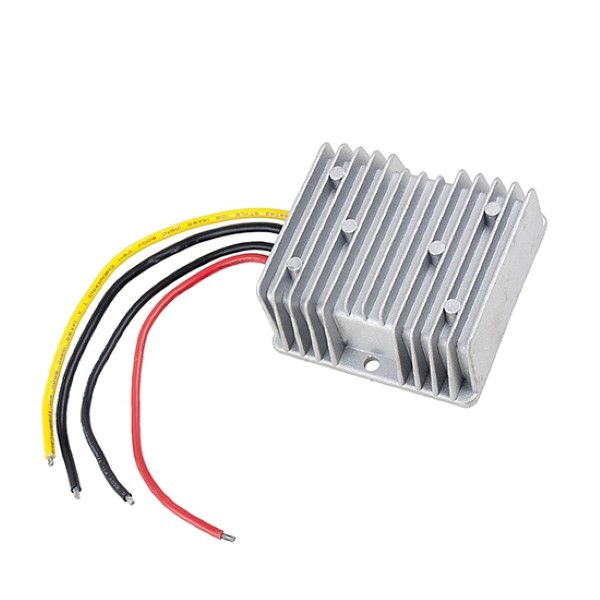
Using your car battery to charge an e scooter is dangerous and should only be attempted in dire emergencies with the right equipment.
Use a DC-to-DC Step-Up Converter
Car batteries output 12V, while most scooters need 36V to 60V. You need a DC-to-DC boost converter that steps up 12V to the required voltage, matches your scooter current needs (2A to 5A), and includes overcurrent and short-circuit protection.
Add Safety Protection Measures
Install an inline fuse (10A to 15A) on the positive wire. Use proper gauge wiring (14 AWG or thicker). Apply heat-resistant insulation. Verify output voltage with a multimeter before connecting to the scooter.
Charge in Short Bursts Only
Connect the converter to the car battery with the engine off. Set and verify output voltage. Plug into the scooter. Charge for 15 to 20 minutes maximum. Disconnect and check battery temperature. Repeat only if absolutely necessary. Never leave the connection unattended.
Dangerous Methods You Must Avoid
Some online hacks promise fast charging but risk fire, explosion, and permanent damage. Never attempt these methods.
Never Charge from Direct Battery Terminals
Bypassing the charging port and connecting wires directly to battery terminals disables the BMS, removing overcharge and cell-balancing protection. This can cause thermal runaway and fire. It leads to cell imbalance and drastically reduced lifespan. Only trained technicians should access internal terminals, and never for routine charging.
Avoid Unregulated Power Sources
Never plug your scooter into wall outlets (AC power), unregulated solar panels, or random power supplies without voltage control. These lack the precision needed for lithium-ion charging and deliver unstable or excessive voltage that destroys batteries instantly.
Skip DIY Voltage Hacks
Do not try to trick the battery with resistors, diodes, or homemade circuits. Lithium-ion systems require smart regulation. DIY solutions lack safety cutoffs and fail catastrophically.
How to Replace Your Charger the Right Way

Alternative charging methods are temporary fixes. Your long-term solution is a proper replacement charger.
Buy from Official or Trusted Sources
Your best options are the manufacturer website (most reliable, often includes warranty), authorized dealers (verified compatibility), and reputable third-party sellers (check reviews and certifications). Avoid ultra-cheap chargers on marketplaces because many lack essential safety features.
Verify Charger Specs Before Buying
Check these specifications before purchasing. Voltage output must match exactly, such as 42V for a 36V battery. Current rating should be 2A, 3A, or similar. Connector type and size must fit your port. Polarity must match center-positive or negative. Safety marks like UL, CE, FCC, and RoHS must be present. Take a photo of your old charger or battery label to ensure perfect matching.
Identify Your Scooter Model
Find the model number on the scooter deck, stem, or battery casing. Check the user manual or app if the number is not visible externally. Search for your model number plus “replacement charger” to find exact matches.
Essential Charging Safety and Best Practices
Protecting your scooter, home, and yourself requires these essential habits.
Always Check Battery Condition Before Charging
Examine the battery for bulges, cracks, or leaks. Smell for burnt or chemical odors. If the scooter was exposed to water, do not charge. If any damage is visible, do not charge. Seek professional help instead.
Charge in a Safe Location
Use a non-flammable surface like concrete or tile. Keep away from curtains, paper, and furniture. Have a fire extinguisher nearby (Class C for electrical fires). Never charge in bedrooms or enclosed spaces.
Never Overcharge Your Battery
Lithium-ion batteries degrade faster at 100 percent charge. For daily use, charge to 80 to 90 percent. Avoid leaving the scooter plugged in overnight. For storage, keep the battery at 50 to 60 percent charge in a cool, dry place.
Inspect Cables Regularly
Frayed wires or loose connectors increase fire risk significantly. Replace damaged chargers or cables immediately. Do not use tape or temporary fixes on damaged charging equipment.
Key Takeaways for Charging Your E Scooter Without a Charger
Charging an e scooter without its original charger is possible, but it carries real risks that you must respect. The universal adapter method stands as your safest and most reliable option when specifications are matched exactly. Power banks and laptop chargers work for emergencies when voltage and current align perfectly. Advanced methods like DC power supplies or car battery charging should only be attempted by experienced users who understand electrical systems.
Never bypass the BMS or use unregulated power sources. The convenience is never worth the danger of fire or battery destruction. Your smartest move is to replace the charger with a certified, compatible unit as soon as possible. Your scooter and your safety depend on proper charging practices.
Frequently Asked Questions About Charging E Scooters Without a Charger
Can I use a phone charger to charge my e scooter?
No. Phone chargers output 5V to 20V, which is far too low for e scooter batteries that require 36V to 60V. Using a phone charger will not damage the battery, but it will not provide any meaningful charge either.
How long does it take to charge an e scooter with a universal adapter?
Charging time depends on battery capacity and charger current. Calculate it by dividing battery capacity (Ah) by charger current (A). A 10Ah battery with a 2A charger takes approximately 5 hours.
Is it safe to charge my e scooter overnight with an alternative method?
No. Never leave alternative charging methods unattended, especially overnight. Lithium-ion batteries can overcharge without proper smart cutoff mechanisms, leading to fire risk.
What happens if I use the wrong voltage charger?
Using incorrect voltage causes serious damage. Too high causes overheating and thermal runaway. Too low results in incomplete charging or no charge at all. Always match voltage exactly.
Can I use a car jump starter to charge my e scooter?
Some car jump starters have DC output ports that might work in emergencies, but the voltage mismatch and lack of proper regulation make this extremely risky. This method is not recommended.
How do I know if my battery is damaged after alternative charging?
Signs of damage include unusual heat during charging, swelling or bulging of the battery casing, reduced range significantly below normal, and strange smells like burning or chemical odors. If any of these occur, stop using the battery immediately and consult a professional.