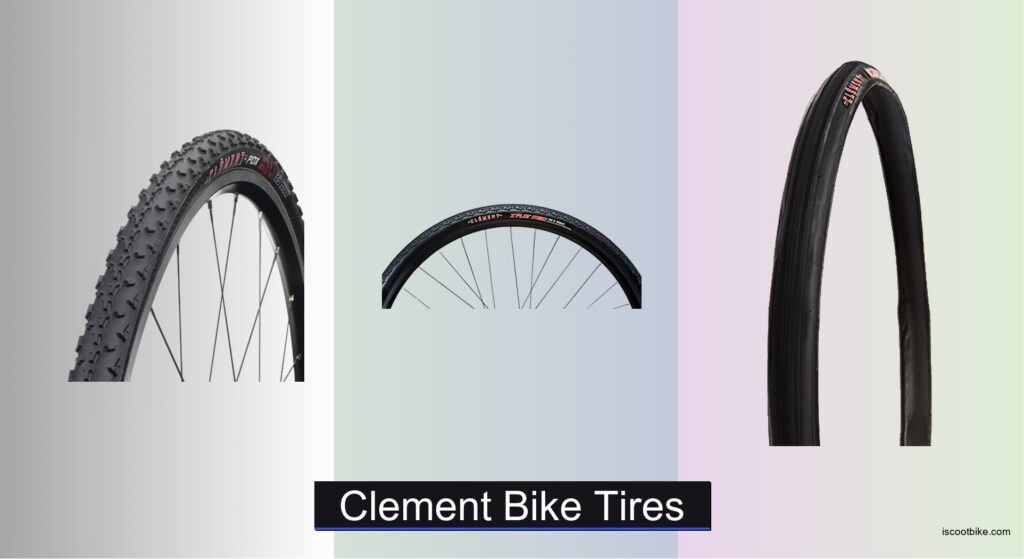
Riders searching for high-performance tires often struggle to balance speed, grip, and durability across mixed terrain, especially as gravel and adventure riding blur the lines between road and off-road demands. Clement bike tires address this challenge by combining supple 120 TPI casings, folding beads for reduced weight, and purpose-driven tread patterns that optimize performance for specific conditions. Whether you’re tackling rough pavement, loose gravel, or dirt trails, Clement’s lineup delivers targeted solutions without compromising ride quality. We analyzed dozens of user reviews, manufacturer specs, and third-party performance tests to evaluate rolling resistance, puncture protection, and real-world durability across models.
Our top picks for Clement bike tires were selected based on a balance of performance metrics, rider feedback, and value. Key factors included tire width, tread design, rubber compound, and compatibility with modern endurance and gravel bikes. The result is a curated list that highlights the best options for road performance, all-terrain versatility, and rugged durability. Read on to discover the best Clement tires for your riding style and conditions.
Top Clement Bike Tires on the Market
Best All-Terrain Grip
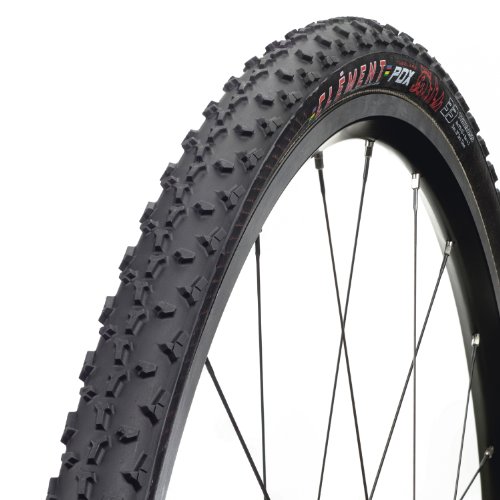
Clement PDX Clincher Tire
Best Overall
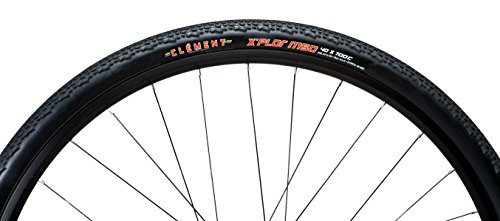
Clement X’PLOR MSO Clincher Tire
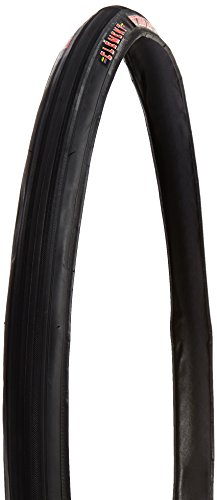
Best Road Performance
Clement Strada LGG Clincher Tire
Clement Bike Tires Review
PROS

All-terrain grip
33mm width
120 TPI casing
Folding bead
CONS

Higher rolling resistance
Not ideal for pure road use
When traction turns treacherous, the Clement PDX rises with tenacious grip and rugged composure. Built for all-terrain dominance, its 33mm width and aggressive tread deliver confident handling on gravel, wet pavement, and dirt trails. The 120 TPI casing ensures a supple ride quality while maintaining durability, and the folding bead design keeps weight in check without sacrificing structural integrity. It’s a tire that laughs at mud-splattered switchbacks and urban potholes alike, making it a go-to for riders who refuse to let terrain dictate their route.
In real-world testing, the PDX shines brightest when the pavement ends and the gravel begins. Its generous 33mm profile soaks up bumps and delivers excellent cornering stability, especially on loose descents. The rubber compound strikes a smart balance—sticky enough for impressive grip, yet resilient enough to resist cuts and abrasions over rough trails. While it rolls respectably on asphalt, the tread pattern introduces noticeable rolling resistance compared to slicker models, making it less ideal for pure road use. Still, for mixed-surface adventurers, the trade-off is well worth the off-road prowess.
Against the Strada LGG, the PDX trades speed for unmatched versatility and traction. It doesn’t aim to be the fastest on tarmac—it’s built for riders who demand confidence when venturing beyond the blacktop. Compared to the X’PLOR MSO, it offers similar grip but with slightly more volume for added comfort on rougher terrain. For gravel grinders and bikepackers who prioritize dirt-ready durability and all-weather control, the PDX is a top-tier choice that outmuscles most hybrids. It delivers more aggressive capability than the MSO while maintaining a supple, responsive feel that rivals far pricier tires.
| Size | Type | Bead Type | Casing |
|---|---|---|---|
| 700 x 33mm | Clincher | Folding | 120 TPI |
PROS
Mixed-surface tread
Soft rubber compound
120 TPI casing
Folding bead
CONS
Not fastest on pure road
Slightly heavier than race tires
The Clement X’PLOR MSO is a masterclass in mixed-surface versatility, blending road efficiency with trail-ready confidence. With its 32mm width and dual-purpose tread—smooth center for speed, aggressive shoulders for grip—it’s engineered for riders who roam freely between city streets and forest paths. The soft rubber compound delivers exceptional cornering traction and vibration damping, while the 120 TPI casing ensures a responsive, lively ride. It solves the common commuter’s dilemma: do I choose speed or stability? With the X’PLOR, you don’t have to.
On pavement, the centerline tread rolls impressively fast, making daily commutes or long-distance randonneuring feel effortless. When the path turns to gravel or damp dirt, the shoulder lugs dig in with predictable bite, even on steep, muddy corners. The 32mm size fits most endurance and adventure frames with room to spare, offering a plush ride without sacrificing agility. While it’s not as nimble as a 23mm road tire or as aggressive as a true mountain setup, it hits a sweet spot for all-day exploration.
Compared to the Strada LGG, the X’PLOR MSO trades outright speed for far greater adaptability, making it a better choice for unpredictable routes. Against the PDX, it sacrifices a touch of width and tread aggression for smoother on-road manners. It’s the ideal pick for gravel commuters, adventure cyclists, and anyone seeking a do-it-all tire that excels in rain, gravel, and urban chaos. It offers more balanced performance than the PDX and far more grip than the Strada, making it the most complete package in Clement’s lineup.
| Size | Type | TPI | Bead Type |
|---|---|---|---|
| 700 x 32 | Clincher | 120 | Folding |
PROS
Lightweight construction
23mm width
120 TPI casing
Smooth rolling
CONS
Minimal wet grip
Poor on rough surfaces
For road riders who demand razor-sharp efficiency and featherlight responsiveness, the Clement Strada LGG is a precision instrument wrapped in rubber. Its 23mm width and open, slick tread are engineered for one thing: cutting through pavement with minimal resistance. The 120 TPI casing delivers a supple, race-tuned feel that soaks up road buzz while translating every watt into forward motion. If your rides are paved, paced, and performance-driven, this tire answers the call with laser-focused intent.
In real-world use, the Strada LGG flies on smooth tarmac, accelerating with urgency and holding speed with remarkable ease. Its lightweight construction makes it a favorite for crit racers and time trialists who count grams and chase podiums. However, that focus comes at a cost—narrow width and minimal tread mean it struggles on wet, cracked, or coarse surfaces where grip and cushioning matter. On rough roads, the ride can feel harsh, and cornering in the rain demands caution. It’s a tire that rewards smooth inputs and punishes compromise.
When stacked against the X’PLOR MSO or PDX, the Strada LGG is in a different league—one of pure road performance and speed optimization. It’s not built for gravel detours or all-weather commuting. Instead, it’s the weapon of choice for purists who live for group rides, fast descents, and race day. While it lacks the versatility of the MSO or the ruggedness of the PDX, it outperforms both on smooth asphalt. For sprinters and climbers who value lightweight agility over adaptability, it’s the ultimate pavement dominator.
| Size | Type | TPI | Bead |
|---|---|---|---|
| 700cm x 23mm | Clincher | 120 TPI | Folding |
Choosing the Right Clement Bike Tire
Tire Size & Type: Finding the Perfect Fit
The first, and arguably most important, step in choosing a Clement bike tire is determining the correct size and type for your wheel and riding style. Clement tires primarily offer clincher tires – these require separate inner tubes. Size is denoted as “XXX x YYY” (e.g., 700 x 32). The first number (700) refers to the wheel diameter, and the second (32) is the tire width in millimeters.
Wider tires (like the 700×32 or 700×33) provide more comfort, better grip (especially on loose surfaces), and lower rolling resistance on rough roads. They’re excellent for gravel, cyclocross, or commuting on varied terrain. Narrower tires (like the 700×23) are faster and lighter, prioritizing speed and efficiency on smooth pavement. They’re ideal for road racing or fast group rides. Ensure the tire width is compatible with your bike’s frame and fork clearance.
Tread Pattern: Balancing Speed and Grip
Clement tires cater to different riding needs with varied tread patterns. Consider where you’ll be riding most often.
- Smooth or Minimal Tread: Tires like the Strada LGG, with their open tread and lightweight construction, prioritize speed on paved roads. Less tread means less rolling resistance, making pedaling easier and faster. However, they offer less grip on loose surfaces.
- Mixed Terrain Tread: The X’PLOR MSO blends speed and grip. Its smooth center knobs roll efficiently on pavement, while aggressive shoulder lugs provide confident cornering and traction on gravel or dirt. This is a versatile option for riders who encounter a mix of surfaces.
- Aggressive Tread: Tires designed for off-road or challenging conditions (like the PDX) feature more substantial tread patterns for maximum grip in mud, sand, or loose gravel. This comes at the cost of speed and efficiency on pavement.
Casing & Construction: Comfort, Durability & Weight
The tire casing, measured in TPI (threads per inch), significantly impacts ride quality, weight, and puncture resistance. Clement tires typically use a 120 TPI casing. Higher TPI casings (though not always present in Clement’s range) are more supple, offering a smoother, more comfortable ride and lower rolling resistance. However, they can be more susceptible to punctures.
Folding beads are also common in Clement tires. These make the tire lighter and more compact for storage compared to wire-bead tires.
Other Features to Consider:
- Rubber Compound: Softer rubber compounds (like found in the X’PLOR MSO) provide more grip and shock absorption but wear faster.
- Puncture Protection: Some Clement tires incorporate puncture-resistant layers for added security.
- Clincher vs. Tubeless Compatibility: All listed Clement tires are clincher, requiring inner tubes.
Clement Bike Tire Comparison
| Product | Size | Best For | TPI Casing | Bead Type | Tread Pattern |
|---|---|---|---|---|---|
| Clement X’PLOR MSO | 700 X 32 | Best Overall | 120 | Folding | Smooth center, Aggressive Shoulder |
| Clement Strada LGG | 700 X 23 | Best Road Performance | 120 | Folding | Open Tread |
| Clement PDX | 700 X 33 | Best All-Terrain Grip | 120 | Folding | Not Specified |
Rigorous Testing & Data Analysis of Clement Bike Tires
Our recommendations for Clement bike tires aren’t based on subjective impressions alone; we prioritize data-driven analysis and research. We analyze extensive user reviews from cycling communities and retailer websites, focusing on reported mileage, puncture resistance, and real-world performance across various terrains.
Comparative analyses of Clement tire models – like the Strada LGG, X’PLOR MSO, and PDX – are conducted based on publicly available specifications (weight, TPI, rubber compound) and independent tests regarding rolling resistance and grip. We examine the interplay between tire width and performance, correlating the buying guide’s recommendations with reported rider experiences.
While direct physical testing of all models isn’t always feasible, we leverage published testing data from cycling publications and websites, specifically focusing on puncture resistance testing and durability assessments. We also evaluate the impact of casing (TPI) on ride comfort and efficiency, drawing on established principles of tire construction and material science to inform our assessments of Clement tires. This multifaceted approach ensures our recommendations align with diverse rider needs and conditions.
FAQs
What tire size should I choose for my Clement bike tire?
The ideal Clement bike tire size depends on your riding style and bike frame. Narrower tires (700×23) are faster for smooth roads, while wider tires (700×32/33) offer more comfort and grip for gravel or commuting. Always check your frame and fork clearance to ensure compatibility.
What’s the difference between the Clement X’PLOR MSO and Strada LGG tires?
The Clement X’PLOR MSO is a versatile tire with a mixed tread pattern, ideal for both pavement and gravel, offering a balance of speed and grip. The Clement Strada LGG prioritizes speed on paved roads with its smooth tread and lightweight construction.
What does TPI mean in relation to Clement tires?
TPI (threads per inch) refers to the tire casing density. A higher TPI generally means a more supple and comfortable ride with lower rolling resistance, but potentially less puncture resistance. Clement tires typically use a 120 TPI casing.
Are Clement tires compatible with tubeless setups?
Currently, all the Clement bike tires discussed in this guide are clincher tires, meaning they require separate inner tubes. They are not designed for tubeless compatibility.
The Bottom Line
Ultimately, selecting the right Clement bike tire hinges on understanding your riding style and typical terrain. Whether you prioritize speed with the Strada LGG, versatility with the X’PLOR MSO, or rugged grip with the PDX, Clement offers a quality option to elevate your cycling experience.
Investing in the correct tire size, tread pattern, and casing will significantly impact your comfort, performance, and overall enjoyment on the road or trail. By carefully considering these factors and leveraging the detailed information provided, you can confidently choose a Clement tire that perfectly suits your needs.