You’re stuck in traffic again, watching your commute drag on while parked cars stretch for blocks. An electric scooter promises a solution: zip through congestion, skip the parking headache, and enjoy a fun ride to work. But walk into any scooter retailer or browse online, and you’ll face a confusing wall of numbers. Ranges claiming 60 miles. Top speeds of 40 mph. Motors boasting 2,000 watts. The problem? Most of these figures are fantasy. Manufacturers test in perfect lab conditions with light riders on flat ground at low speeds. Your actual experience will be far different. This guide shows you how to cut through the marketing noise and choose a scooter that actually fits your daily life.
This article walks you through every factor that matters: price tiers, real-world performance, battery quality, tire types, suspension needs, braking systems, and hidden costs that catch buyers off guard. By the end, you’ll know exactly what to look for and what to avoid.
Know the Price Tiers
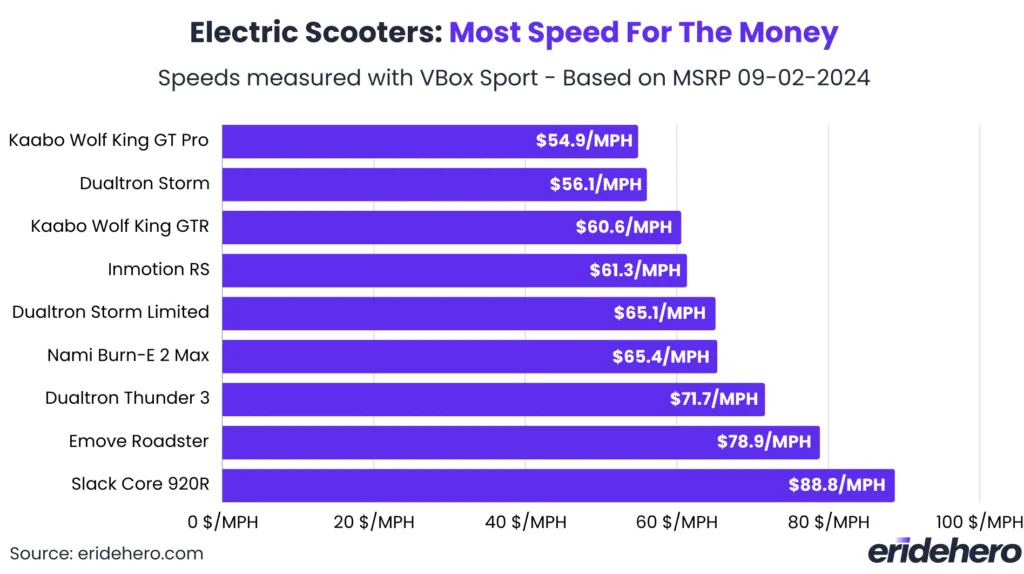
Scooter prices fall into clear categories, each with distinct trade-offs between performance, build quality, and safety. Understanding these tiers prevents overspending on features you don’t need or underspending on a scooter that falls apart in months.
Budget Under $500: Limited Use Only
Scooters under $500 are built for light, occasional rides. Expect top speeds of 15 to 19 miles per hour and real-world range of 8 to 15 miles. These models use underpowered motors, often below 300 watts, paired with weak mechanical brakes and solid tires that deliver a harsh, bumpy ride. Build quality relies heavily on plastic parts, and suspension is usually absent entirely. While lightweight at under 30 pounds, they overheat easily, stop poorly, and rarely last beyond a year of daily use. Avoid them for daily commuting or hilly areas. They’re best suited for teens or short errands on perfectly smooth pavement.
Budget Commuter $500 to $1,000: Entry-Level Practicality
This range delivers usable performance for daily city travel. Speeds reach 20 to 25 miles per hour, with real range around 15 to 20 miles. Motors range from 300 watts to 800 watts, offering better hill handling than budget models. Braking improves with dual systems, often combining regenerative with mechanical disc brakes. Many models mix tire types, using a pneumatic front tire for comfort and a solid rear tire for maintenance-free use. Some include basic spring suspension. Weight stays under 40 pounds, making folding and carrying manageable. While not built for extreme conditions, these scooters offer a solid entry point for flat to moderately hilly commutes.
Mid-Range $1,000 to $1,500: Real Commuting Power
At this tier, quality jumps significantly. Top speeds exceed 25 miles per hour, and real range clears 20 miles. Motors hit 1,000 watts, with some dual-motor options available. Full suspension becomes standard, smoothing out potholes and cracks. Battery capacity increases, but so does weight, often exceeding 40 pounds. You’ll find tubeless pneumatic tires, better lighting, and improved water resistance. This is where scooters transition from toys to legitimate transportation tools. Ideal for riders who need reliability, comfort, and consistent performance across varied urban terrain.
Premium $1,500 to $2,000: Best Value for Serious Riders
This tier hits the sweet spot for most adult riders. Real range hits 30 to 50 miles or more. Dual motors of 1,000 to 2,000 watts deliver strong acceleration and hill climbing ability. Hydraulic suspension and hydraulic disc brakes ensure control and short stopping distances. Tubeless tires reduce flat risks, and IP54 or higher ratings handle rain and splashes. Weight climbs past 60 pounds, making portability a challenge, but these scooters are built to ride, not carry. If you commute daily, face hills, or value long-term ownership, this price point delivers the best return on investment.
Performance $2,000 Plus: Speed and Power, Not Portability
These are electric motorcycles on two wheels. Speeds reach 40 to 60-plus miles per hour, with ranges up to 80 miles thanks to batteries exceeding 1,000 watt-hours. Dual motors produce 2,000 to 7,000 watts, enabling off-road or highway-level performance. Features include large 10 to 13 inch tubeless tires, advanced hydraulic suspension, and premium lighting. But they weigh 70 to 100 pounds or more, far too heavy to carry. They’re ride-only machines, often requiring a vehicle for transport. Only consider this tier if you need extreme speed, long range, or serious off-pavement capability.
Decode Real-World Performance

Advertised specs rarely match reality. Understanding the gap between marketing claims and actual performance prevents disappointment and helps you choose a scooter that truly meets your needs.
Range: Apply the 50 Percent Rule
Manufacturers claim range using ideal lab conditions: a 150-pound rider, 9 miles per hour, flat ground, and perfect tire pressure. Real-world use, with higher speeds, hills, wind, and heavier riders, cuts that figure in half. A scooter advertised at 40 miles will likely deliver 20 miles in practice. Always apply the 50 percent rule. Divide the listed range by two for a realistic estimate. If your daily round-trip commute is 10 miles, look for a scooter with at least a 20-mile real range, meaning a 40-mile advertised range.
Speed: Trust GPS, Not Spec Sheets
Advertised top speeds often exceed actual GPS-verified results by 3 to 10 miles per hour. Friction, rider weight, and tire grip reduce performance in real conditions. Check independent reviews that test speed using GPS apps. If a scooter claims 30 miles per hour, expect 22 to 26 miles per hour in actual use. For legal compliance, remember many cities cap e-scooter speeds at 15 to 20 miles per hour.
Motor Power: Watts Alone Don’t Tell the Story
A 2,000-watt motor isn’t automatically better than a 1,000-watt one. Real performance depends on voltage, motor efficiency, wheel size, and total weight. For flat terrain, 350 to 500 watts is sufficient. For hills or riders over 180 pounds, aim for 500 watts or more. Dual motors improve acceleration and hill climbing but add cost and weight. Avoid scooters under $300 claiming 50 miles per hour and 1,000 watts. These are parts bin builds with fire-prone, low-quality batteries that pose serious safety risks.
Prioritize Battery Quality

The battery is the most expensive component and the one most likely to fail early. Understanding how to evaluate battery capacity and quality prevents costly mistakes.
Use Watt-Hours, Not Amp-Hours
To compare batteries fairly, use watt-hours. Multiply voltage by amp-hours. A 48-volt battery rated at 16 amp-hours equals 768 watt-hours. Higher watt-hours means more range. For daily commuting, 500 watt-hours or more is ideal. Long-range models exceed 1,000 watt-hours. Avoid brands that only list amp-hours without voltage, as this hides the true capacity.
Cell Brand Matters
Top-tier scooters use cells from LG, Panasonic, or Samsung. These last longer, charge more efficiently, and are safer. Generic or unbranded cells degrade faster and pose fire risks. Check product specs or reviews for cell type before purchasing.
Maximize Battery Life
Lithium-ion batteries last 300 to 500 charge cycles, though premium cells can reach 1,000 cycles. To extend lifespan, avoid full discharges. Recharge when the battery reaches 20 to 30 percent. Never charge a hot battery. Use slow charging when possible. If storing the scooter unused for weeks, charge to 50 percent first.
Choose the Right Tires
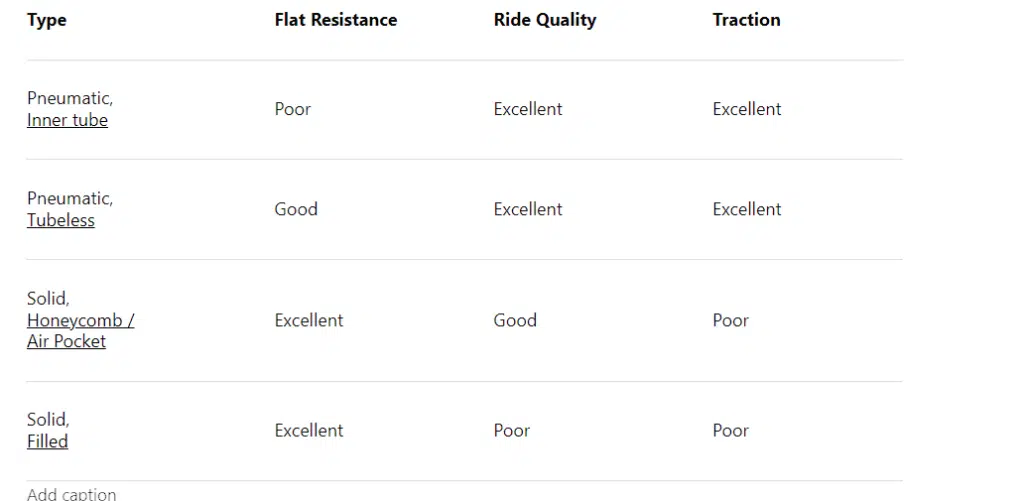
Tires directly affect comfort, safety, and maintenance requirements. Choosing the wrong type creates ongoing problems.
Pneumatic Tires: Best for Comfort and Grip
Air-filled tires absorb shocks, improve traction, and handle wet roads better. They’re essential for speeds over 20 miles per hour or rough pavement. The downsides are puncture risk and the need for monthly pressure checks. Tubeless designs are superior. They use sealant to self-repair small holes and resist pinch flats. Look for split rims, which make tire changes easier when repairs are needed.
Solid Tires: Low Maintenance, Poor Ride
Solid airless tires never go flat. However, they’re stiff, transmit every bump directly to the rider, and wear out faster than pneumatic tires. They also increase motor strain due to higher rolling resistance. Solid tires are found mostly on budget scooters. Only choose this option if you cannot maintain tire pressure or ride very short distances.
Mixed Tires: A Compromise
Some mid-range models pair a pneumatic front tire with a solid rear tire. This balances comfort and maintenance. It’s a decent middle ground if you want some cushion but fear rear flats.
Suspension: Non-Negotiable Over 20 MPH
At higher speeds, suspension becomes critical for control and comfort. Without it, every bump becomes a safety risk.
Spring Suspension: Basic Cushioning
Coil springs are common on lighter scooters. They help slightly but bottom out easily on big bumps. Best for flat terrain and low speeds only.
Rubber Elastomer: Tunable but Stiff
Used by brands like Minimotors and Inokim, these systems use rubber cartridges. They’re adjustable. You can swap stiffer or softer inserts based on rider weight. Not as smooth as hydraulic, but more durable than basic springs.
Hydraulic Air Piston: Premium Ride Quality
Hydraulic or air-based suspension offers real damping. Combined with springs, it soaks up potholes and curbs. Adjustable rebound lets you fine-tune the ride for your weight and local terrain. Essential for high-speed riding or uneven surfaces.
Tire-as-Suspension: Big Wheels Help
Large pneumatic tires, 11 to 13 inches, can act as suspension through tire flex alone. Some high-end scooters skip mechanical suspension entirely, relying on this approach. It works well at moderate speeds but isn’t a full replacement for dedicated suspension systems.
Braking: Safety Starts Here

Braking performance directly determines your safety. Never compromise on stopping ability.
Dual Braking Systems Are Mandatory
Never buy a scooter with only one brake. At least two independent systems are required for safety. Most quality scooters combine regenerative electronic braking with mechanical disc or drum brakes.
Hydraulic Disc Brakes: Best Stopping Power
Hydraulic disc brakes offer strong, consistent stopping with minimal hand effort. They work well in rain and dust. They require less maintenance than cable discs. Essential for speeds over 25 miles per hour.
Cable Disc Brakes: Good, But Less Responsive
Cable-actuated discs are common in mid-range models. They’re effective but require more lever pressure and wear faster than hydraulic options.
Drum Brakes: Weather-Resistant but Slower
Enclosed drums resist water and debris. But they engage slower and are harder to modulate precisely. Found on some premium models.
Regenerative Braking: Weak but Efficient
This uses the motor to slow the scooter. It adds slight range but provides minimal stopping power. Plan on 30 to 40 feet to stop from 15 miles per hour versus 20 feet for mechanical brakes. Never rely on regenerative braking as your sole stopping method.
Weight and Portability: Know Your Limits
Consider how you’ll actually transport your scooter. Carrying a heavy scooter daily changes the equation significantly.
Weight Classes by Use
Commuter scooters weighing 40 to 50 pounds are foldable and manageable for stairs or short carries. Dual-motor scooters at 60 to 80 pounds are hard to lift. Consider using a trolley or shoulder strap. Performance models at 100 pounds or more are not portable. They require a vehicle for transport.
Portability Hacks
Most riders don’t carry scooters far. Use accessories to help. Trolleys let you wheel the scooter like a suitcase. Shoulder straps distribute weight across your back. Some models roll on their wheels when folded, making transport easier.
Rule of Thumb
A scooter should weigh less than 30 percent of your body weight for easy handling. But safety often demands heavier builds. Prioritize performance if you won’t carry it daily.
Water and Dust Resistance
Weather exposure matters if you ride in varied conditions. Understanding IP ratings helps you choose appropriately.
Understand IP Ratings
Ingress Protection ratings tell you how well a scooter resists dust and water. IPX4 handles light rain and damp ground. IP54 or IP55 handles occasional rain and splashes. IP65 handles heavy rain and puddles. IP67 handles temporary immersion. For all-weather use, aim for IP54 or higher.
Real-World Advice
Many scooters have water resistance but no official rating. Avoid riding through deep puddles regardless of rating. Always dry your scooter after wet rides. UL2272 certification for electrical safety is an additional bonus for fire risk reduction.
Fit, Safety, and Legal Rules
Your scooter’s fit affects control and comfort. Following local laws keeps you safe and legal.
Deck Size and Foot Space
Your feet should fit flat with room to shift positions. Narrow decks crowd toes and reduce control. Wide decks add bulk. Avoid stem folds that intrude into your standing area. Grip tape or rubber grooves prevent slips.
Lighting for Visibility
Front white light and rear red light are mandatory for night rides. Add helmet lights or backpack lights. Many rear lights are mounted too low to be seen in traffic by cars.
Legal Limits You Must Follow
Many cities limit scooters to 15 to 20 miles per hour. Riding on sidewalks is illegal in most areas. Use bike lanes instead. Helmets dramatically reduce injury risk. Always wear one. Gloves, knee pads, and elbow pads add protection.
Maintenance and Ownership Costs
Owning a scooter involves ongoing costs beyond the purchase price. Understanding these helps you budget properly.
Monthly Checks Save Money
Scooters need upkeep every 600 miles or twice yearly. Tighten bolts weekly. Vibration loosens them constantly. Check tire pressure for pneumatic tires. Inspect tread wear. Test brakes and replace pads when thin. Look for leaks or stiffness in suspension.
Essential Toolkit
Keep Allen keys, screwdrivers, and a torque wrench. Learn basic repairs. Patching tubes, adjusting brakes, and replacing cables are simple skills. YouTube tutorials make learning easy.
Warranty and Support Matter
Domestic distributors offer the best support with local parts and service. Direct brands offer good warranties but limited repair help. Amazon and big box stores are cheap but offer no support after 30 days. Crowdfunding carries high risk of delays or failure. Aim for at least a one-year warranty on battery and motor.
Make Your Final Choice
With all the information above, you can now match a scooter to your specific needs and budget.
Match Scooter to Your Use Case
For last-mile or recreational use, look for under 30 pounds, solid tires, and under $500. For daily commuting, choose double your daily distance in range, pneumatic tires, suspension, and $1,000 or more. For hilly terrain, prioritize 500-watt-plus motors, dual motors, and hydraulic brakes. For long distances, look for 1,000-watt-hour-plus batteries, seat options, and comfort features.
Verify Before You Buy
Halve the advertised range. Check GPS speed tests in reviews. Confirm hill-climb performance on 20 percent or steeper grades. Ensure UL2272 certification and IP54 or higher if you ride in rain.
Invest in the Sweet Spot
For most riders, $1,700 to $1,800 is the ideal range. You get hydraulic suspension, disc brakes, tubeless tires, and 30 to 50 miles of real range. These scooters last longer, resell well, and deliver true value. Avoid cheap parts bin models. They’re a false economy that costs more in the long run.
Frequently Asked Questions About Choosing an Electric Scooter
What is the most important factor when buying an electric scooter?
Real-world range and build quality matter most. Ignore advertised range numbers and apply the 50 percent rule. Prioritize hydraulic disc brakes and full suspension if you ride over 20 miles per hour. Quality batteries from brand-name manufacturers prevent safety hazards and costly replacements.
How much should I spend on a good electric scooter?
For reliable daily commuting, budget $1,500 to $2,000. This sweet spot delivers hydraulic suspension, tubeless tires, dual braking systems, and 30 to 50 miles of real range. Cheaper scooters under $500 lack the durability and safety features for daily use.
Do electric scooter specifications match real-world performance?
No. Advertised range is typically double what you’ll actually get. Top speeds are often 3 to 10 miles per hour lower than claimed. Always check independent reviews with GPS-verified tests rather than trusting manufacturer numbers.
What battery specs should I look for?
Look for watt-hours rather than amp-hours. Calculate by multiplying voltage by amp-hours. For daily commuting, 500 watt-hours or more is ideal. Choose scooters using LG, Panasonic, or Samsung cells. Avoid generic or unbranded batteries.
Are solid tires better than pneumatic tires?
No. Solid tires require no maintenance but deliver poor ride quality and reduced range due to higher rolling resistance. Pneumatic tires offer better comfort, traction, and safety. Choose tubeless pneumatic tires for the best balance of performance and puncture resistance.
Key Takeaways for Choosing an Electric Scooter
Choosing the right electric scooter comes down to understanding real-world performance versus marketing claims. Apply the 50 percent rule to advertised range. Prioritize dual braking systems, with hydraulic disc brakes essential for speeds over 25 miles per hour. Choose pneumatic tires over solid tires for safety and comfort. Invest in the $1,500 to $2,000 sweet spot for reliable daily use. Verify battery quality by checking watt-hours and cell brands. Finally, match the scooter to your actual commute distance and terrain. With this knowledge, you can avoid the marketing traps and choose a scooter that lasts for years, not months.