You’re ready to ride, but your scooter won’t turn on. No lights, no electric start, just silence. Before you call for help or push it home, remember this: most 50cc scooters come with a backup plan. How to kickstart a scooter is a vital skill every rider should master, especially when the battery dies or the starter fails. Unlike cars, scooters with dual-start systems give you a mechanical lifeline: the kickstart lever. When used correctly, it can get you back on the road in under a minute.
This guide breaks down the exact steps, positioning, and coordination needed to reliably kickstart your scooter, even if you’ve never tried it before. You’ll learn where the lever is, how to stand, what switches to check, and why most failed attempts come down to simple mistakes anyone can fix.
Locate the Kickstart Lever

Find the Lever on the Left Side
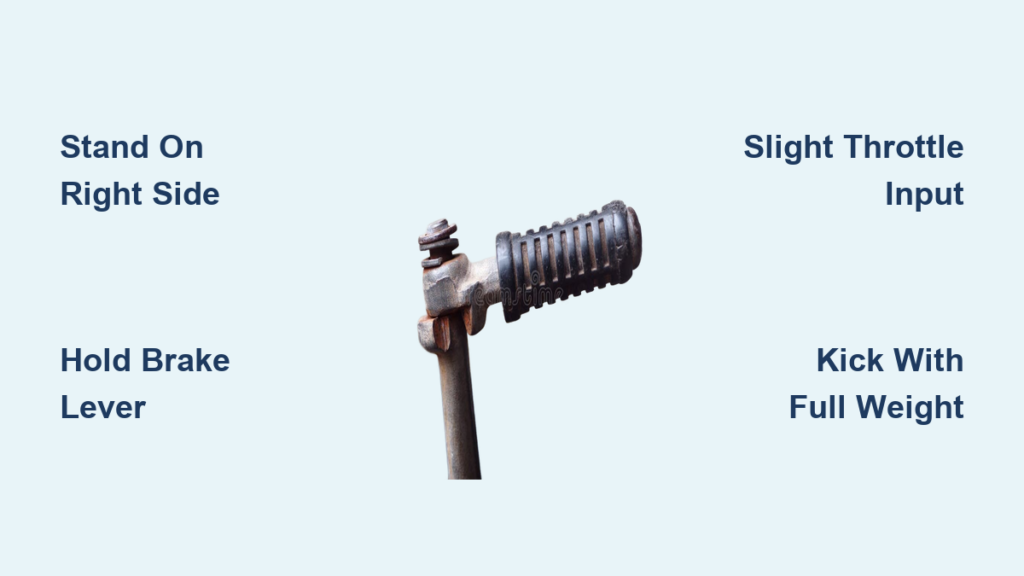
The kickstart lever is always located on the back left side of the scooter, just in front of the CVT housing and near the side stand. It’s a small, folded metal arm that extends from the engine casing. Before using it, visually inspect the area for dirt, debris, or obstructions. A stiff or stuck lever may need lubrication. Apply a light penetrating oil if it doesn’t move freely.
Prepare the Lever for Use
The lever rests in a retracted position when not in use. To engage it, lift it slightly upward until it clicks into the extended starting position. This aligns the internal gear with the engine crankshaft. Never force the lever. If it won’t lift, don’t push harder. Instead, gently rock the scooter forward and backward with the ignition off to free up internal resistance.
Use the Correct Starting Stance

Stand on the Right Side
Most failed kickstarts happen because riders stand on the same side as the lever. This limits power and balance. The correct method involves standing on the right side of the scooter, facing backward toward the rear wheel. This position gives you full-body leverage and keeps the scooter stable during the kick.
Grip Handlebars for Stability
Hold the handlebars firmly with both hands. This prevents the scooter from tipping over when you apply force to the lever. If your scooter is on a center stand, ensure it’s fully upright. If using a side stand, place it on level ground and be extra cautious. Side stands are less stable under kick force.
Activate Ignition and Safety Systems
Turn Key to “ON” Position
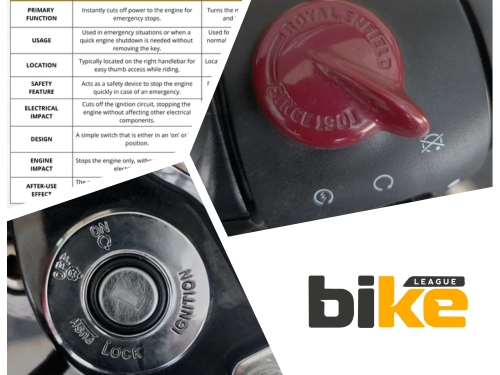
Insert the key and turn it to “ON”. This powers the fuel system and ignition. Without this step, the spark plug won’t fire and fuel won’t flow, even if the engine cranks. Check that the dashboard lights up if the battery has any charge. If the battery is completely dead, some scooters may not illuminate lights, but the ignition circuit can still work during kickstarting.
Set Kill Switch to “RUN”
Verify the engine kill switch is set to “RUN” or “ON.” This switch is usually located on the right handlebar. If it’s in the “OFF” position, the engine cannot start regardless of how many times you kick. This is one of the most commonly overlooked steps.
Engage the Brake Lever
Press and hold the rear brake lever with your left hand. Most scooters have a safety interlock that prevents starting unless the brake is applied. Failing to hold the brake will result in zero engine response, even with perfect technique.
Apply Throttle and Kick Correctly
Give a Slight Throttle Before Kicking
While holding the brake, twist the throttle slightly, about 1/4 turn. This enriches the fuel mixture, helping the engine catch, especially when cold. Do not rev aggressively. Just open it enough to prime the carburetor or fuel injection system.
Kick with Full Body Weight
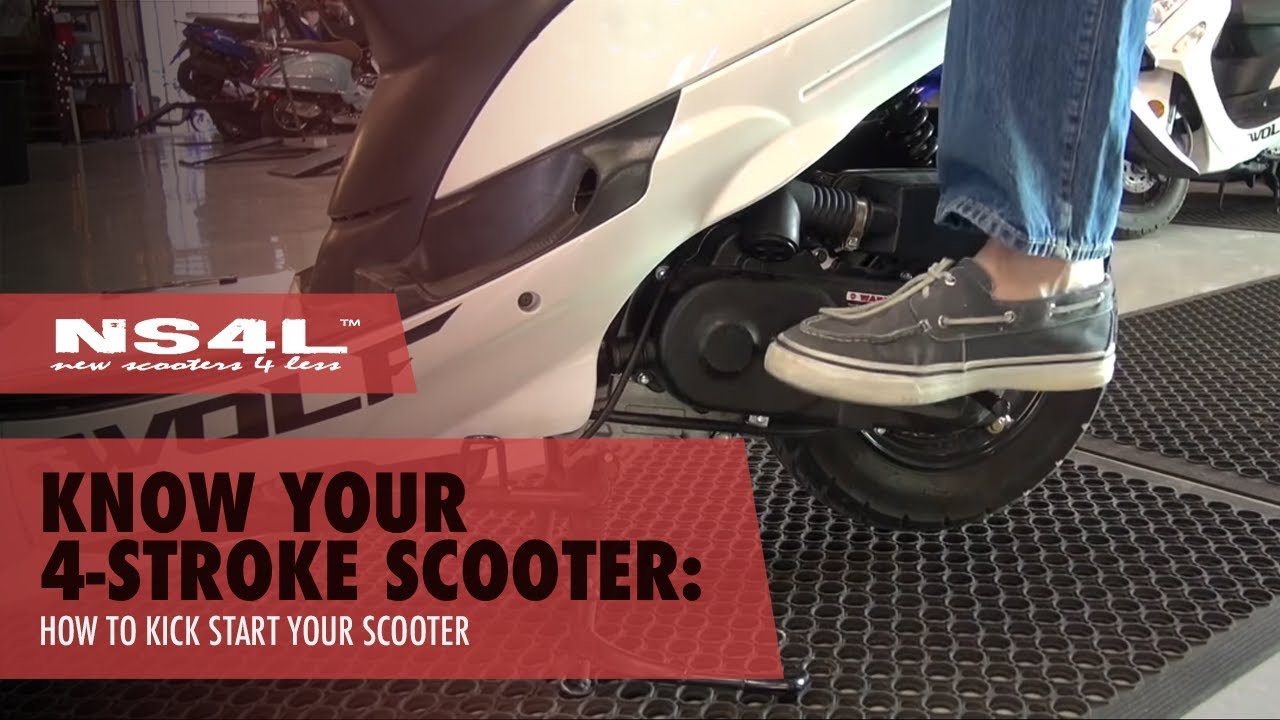
Place your foot firmly on the kickstart lever. Use a sharp, steady downward press, not a quick tap. Think of starting a lawnmower. Drive through the motion with your leg and body weight. Don’t jerk or bounce. Smooth, strong pressure ensures full compression and ignition.
If the engine doesn’t start, lift the lever back up, reposition your foot, and repeat. Allow 2-3 seconds between kicks to reset internal pressure.
Troubleshoot Failed Starts
Why the Engine Won’t Fire
If the scooter doesn’t start after 3-5 kicks, check these common issues:
• No fuel: Ensure the fuel valve is open and the tank isn’t empty.
• Flooded engine: If you’ve kicked many times with throttle open, fuel may have flooded the chamber. Close the throttle fully, hold the brake, and kick 5-6 times without touching the throttle to clear excess fuel.
• No spark: A faulty spark plug or ignition coil can prevent ignition. If the engine cranks but doesn’t catch, suspect spark issues.
• Stale fuel: Old gasoline degrades in 30-60 days, especially in small engines. If the scooter sat unused, drain and replace the fuel.
How Many Kicks Are Normal
For a healthy scooter, 2-4 kicks should be enough. More than 5-6 attempts suggest a mechanical or fuel issue. If repeated efforts fail, stop and inspect the system. Continued kicking won’t fix a clogged carburetor or dead spark plug.
Avoid Common Mistakes
Don’t Use the Side Stand
Always use the center stand when kickstarting. The side stand shifts the scooter’s balance, increasing the risk of tipping during the kick. If no center stand is available, have a second person hold the scooter upright from the right side.
Never Jump on the Lever
Some riders try to jump onto the lever for extra force. This can damage the kickstart shaft, strip internal gears, or bend the lever. Use controlled strength, not brute impact.
Don’t Ignore Warm-Up Time
After the engine starts, let it idle for 30-60 seconds, especially in cold weather. This allows oil to circulate and the engine to stabilize. Riding immediately can cause premature wear.
Maintain the Kickstart System
Lubricate the Lever Regularly
Dirt and moisture cause the kickstart mechanism to seize. Apply a light lubricant to the pivot point every 3 months. Wipe off excess to avoid attracting grime.
Test the Mechanism Monthly
Even if you use electric start daily, test the kickstart lever monthly. Lift and press it a few times to ensure smooth operation. This prevents rust buildup and confirms it works when needed.
Check for Wear and Damage
Inspect the lever for cracks, bending, or worn splines. If it feels loose, gritty, or doesn’t return to the resting position, have it serviced. A failing mechanism can leave you stranded when the battery dies.
Know When to Seek Help
Signs of Electrical Failure
If you find yourself kickstarting frequently, your battery or charging system is likely failing. Common signs include electric start working intermittently, dashboard lights dimming or flickering, and the battery not holding charge overnight. Have the stator, regulator/rectifier, and battery tested by a mechanic. Ignoring these issues risks being stranded without any starting option.
When Kickstarting Isn’t Enough
Kickstarting only works if the engine, fuel, and ignition systems are functional. If the scooter won’t start even with perfect technique, the problem may be deeper. Clogged fuel lines, a failed carburetor, or internal engine damage all require professional diagnosis.
Compare Kickstart vs Electric Start

When to Use Each Method
Use electric start when the battery is charged and you’re starting normally. Use kickstart when the battery is dead with no power, when the engine is cold with low fuel, or when you’re in a remote location with no charger available. Electric start remains the preferred method for daily riding and convenience.
Advantages of Dual-Start Systems
Scooters with both electric and kickstart offer reliability and redundancy. The electric start is effortless and preferred for daily use. The kickstart acts as an emergency backup, making these scooters ideal for city commuting, delivery work, or travel in areas with poor charging access. Riders should practice both methods regularly. Muscle memory makes all the difference when you’re stranded on a dark street with a dead battery.
Frequently Asked Questions About Kickstarting a Scooter
Can you kickstart a scooter with a dead battery?
Yes, kickstarting works without battery power because it uses the rider’s physical force to turn the engine crankshaft. This mechanical action creates the compression and spark needed to start the engine, bypassing the electrical starter motor entirely.
Why won’t my scooter start even with the kickstart?
Common reasons include an empty fuel tank, a flooded engine from too many kicks with throttle open, a faulty spark plug, or stale fuel. Check these systems before continuing to kick. If nothing works, the issue may be mechanical and requires professional inspection.
Is kickstarting bad for my scooter?
The kickstart mechanism is designed for occasional emergency use, not daily operation. Frequent kickstarting can wear out the starter clutch and internal CVT gears. If you rely on kickstarting often, have your battery and charging system checked.
How long should I let the engine warm up after kickstarting?
Allow 30-60 seconds of idle time before riding. This ensures proper oil circulation and engine stabilization, especially in cold weather. Riding immediately can cause premature engine wear.
Do all scooters have a kickstart lever?
Most modern 50cc scooters feature a dual-start system with both electric and kickstart options. Some very basic or older models may have only electric start. Check your owner’s manual to confirm whether your scooter includes a kickstart lever.
Key Takeaways for Kickstarting Your Scooter
Knowing how to kickstart a scooter isn’t just a mechanical trick. It’s a rider’s insurance policy against failure. With the right stance, coordination, and preparation, you can start your scooter in seconds, even with a dead battery. The key is practice. Try it at home when the battery is good so you’re ready when it’s not.
Remember these critical steps: stand on the right side of the scooter, hold the brake, give a little throttle, and kick with confidence using your full body weight. Keep the lever clean, check your switches, and test the mechanism monthly. Your scooter was built to handle it, and now so can you. If kickstarting becomes frequent, have your battery and charging system inspected to avoid being stranded without backup.