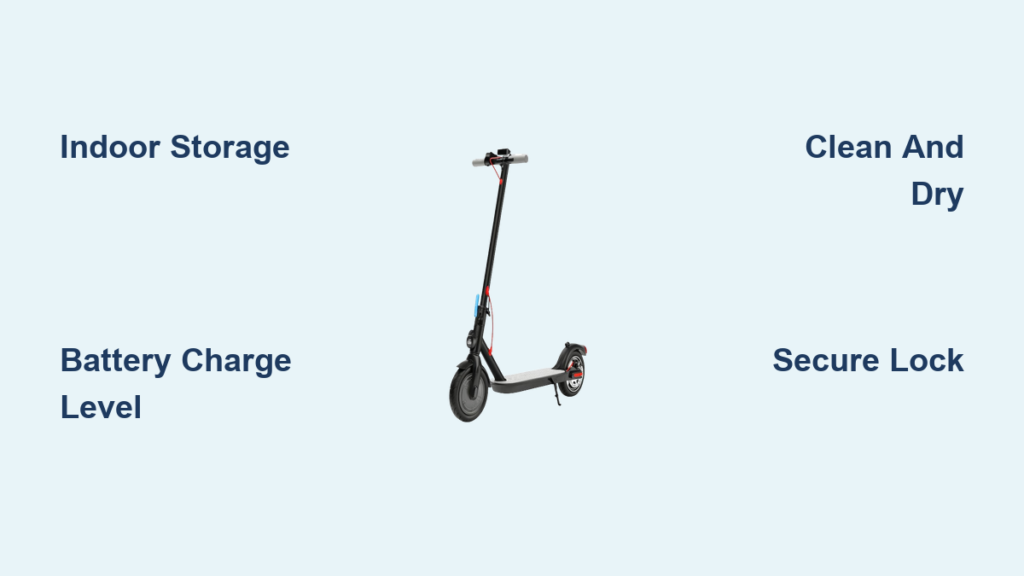
You’ve invested in an electric or mobility scooter for convenience, efficiency, and freedom, but what you do when it’s not in use matters just as much as how you ride it. Improper scooter storage can lead to battery failure, mechanical damage, rust, and even theft. Whether you’re storing your scooter for a few weeks, over winter, or long-term due to seasonal use, following the right steps ensures it starts up smoothly when you need it again.
The core challenge is that scooters contain sensitive electronics, high-value batteries, and moving parts that degrade quickly in poor conditions. Left outside, exposed to heat, cold, or moisture, even a high-end model can suffer irreversible damage in weeks. The good news is that with the right storage location, battery care, cleaning routine, and security measures, your scooter will stay in peak condition.
Choose the Right Storage Location

Where you park your scooter when not in use is the first and most important decision in long-term care. The goal is to create a protective barrier against the elements and maintain a stable microclimate.
Avoid Outdoor and Extreme Environments
Never store a scooter outdoors. Rain, snow, UV rays, and temperature swings are its worst enemies. Even a covered porch is not safe because moisture creeps in and direct sunlight heats the battery beyond safe limits. Uninsulated garages and sheds are also risky because these spaces often dip below freezing in winter and soar above 100°F in summer, both of which damage battery chemistry.
Critical risks of poor storage locations include:
– Battery degradation from heat or freezing temperatures
– Corrosion on electrical connectors and metal parts
– Cracked plastics from UV exposure
– Flat spots on tires from prolonged pressure
Ideal Indoor Storage Spots
The best places to store a scooter are climate-controlled indoor areas such as living room corners, hallways, closets, and climate-controlled basements or garages. Aim for a stable temperature between 50°F and 85°F, with 68°F to 77°F being optimal. Humidity should be low because damp areas cause condensation on circuit boards and terminals.
If you must use a garage, insulate the storage corner, elevate the scooter on a mat to avoid concrete moisture, use a dehumidifier, and remove the battery to store it indoors.
Prepare Your Scooter for Storage

Before tucking your scooter away, a pre-storage checklist prevents long-term damage. Taking these steps ensures your scooter is ready to ride when you bring it out of storage.
Clean and Dry Thoroughly
Dirt, salt, and grime left on the scooter will eat away at metal and clog moving parts. Use a damp cloth and mild cleaner to wipe down the frame and deck, handlebars and controls, wheels and brakes, and the underside and battery compartment. Winter riders should clean after every ride to remove road salt, which accelerates rust.
After cleaning, dry completely, especially around the motor, brake calipers, and charging port. Never cover a damp scooter because trapped moisture causes mold and corrosion.
Check and Inflate Tires
Underinflated tires develop flat spots when stored for weeks. These deformations can become permanent, leading to vibrations, poor traction, or leaks. Check the recommended PSI in your manual or on the tire sidewall, and inflate to full pressure before storage. For long-term storage, consider rotating the wheels monthly to prevent flat spots.
Lubricate Moving Parts
Dry hinges and pivots can seize up. Apply a light silicone or bicycle lubricant to the folding mechanism, handlebar stem, wheel bearings, and brake levers. Pro tip: Wipe off excess lube to avoid attracting dust, and avoid getting lubricant on brake pads or rotors.
Tighten All Bolts and Screws
Vibration from riding can loosen hardware over time. Before storage, inspect and tighten the deck mounting bolts, handlebar clamps, wheel axles, and fender screws. This prevents rattling, misalignment, or component loss when you restart.
Store the Battery Correctly

The battery is the most expensive and sensitive part of your scooter. Poor storage can permanently reduce its lifespan. Following specific protocols based on your battery type is essential.
Know Your Battery Type
Storage needs vary by chemistry. Lithium-ion batteries are lighter and have a longer cycle life but must never be charged below 32°F. Sealed lead-acid batteries are heavier and must be stored fully charged and topped off every 4 to 6 weeks to prevent sulfation.
| Battery Type | Ideal Storage Charge | Key Risks |
|---|---|---|
| Lithium-Ion (Li-ion) | 50% to 70% (general), 75% to 85% (winter) | Degradation at 100%; damage if charged below 32°F |
| Sealed Lead-Acid (SLA) | 100% (fully charged) | Sulfation if left discharged |
Charge to the Right Level
For lithium batteries, never store at 100% for long periods. Charge to 50% to 70% for general storage, or 75% to 85% if storing over winter. Never let it drop below 20%. For SLA batteries, you must store them fully charged and topped off every 4 to 6 weeks to prevent sulfation.
Remove the Battery If Needed
If storing in a cold or hot garage, remove the battery and store it indoors at room temperature. Keep it in a cool, dry place away from direct heat or sunlight. This protects the battery while the scooter frame stays in a less ideal space.
Never Leave It Plugged In
Even with auto-shutoff chargers, continuous charging for months stresses the battery and increases fire risk. Charge to the target level, then unplug. Do not leave the scooter plugged in indefinitely.
Maintain During Storage
A scooter is not set and forget. Regular check-ins prevent surprises and ensure everything is working when you return to it.
Check Every 1 to 2 Months
Set a reminder to inspect the battery level and top up lithium if below 50% or recharge SLA if below 80%. Check tire pressure and re-inflate if needed. Look for rust, pests, or loose parts during a visual inspection.
Power Up Periodically
Every 4 to 6 weeks, turn on the scooter and let it run for 5 to 10 minutes. This keeps the Battery Management System active and balances cells. For occasional riders, a short test ride helps maintain motor and brake function.
Secure Against Theft
Scooters are easy to steal, especially in apartments, garages, or shared spaces. Taking security seriously protects your investment.
Lock It Every Time
Even indoors, always lock your scooter. Use U-locks or heavy-duty chain locks because they are more secure than cables. Anchor to a fixed object like a bike rack, pipe, or wall stud. Ensure the anchor is tall enough that a thief cannot lift the scooter over the lock.
Use GPS Tracking
Many scooters have built-in GPS. If yours does not, install a small GPS tracker in the deck or battery compartment. It is your best chance of recovery if stolen.
Remove the Battery
Taking the battery with you deters theft because a scooter without a battery is useless. This also protects the most valuable component and makes the scooter lighter and harder to resell.
Maximize Small Spaces
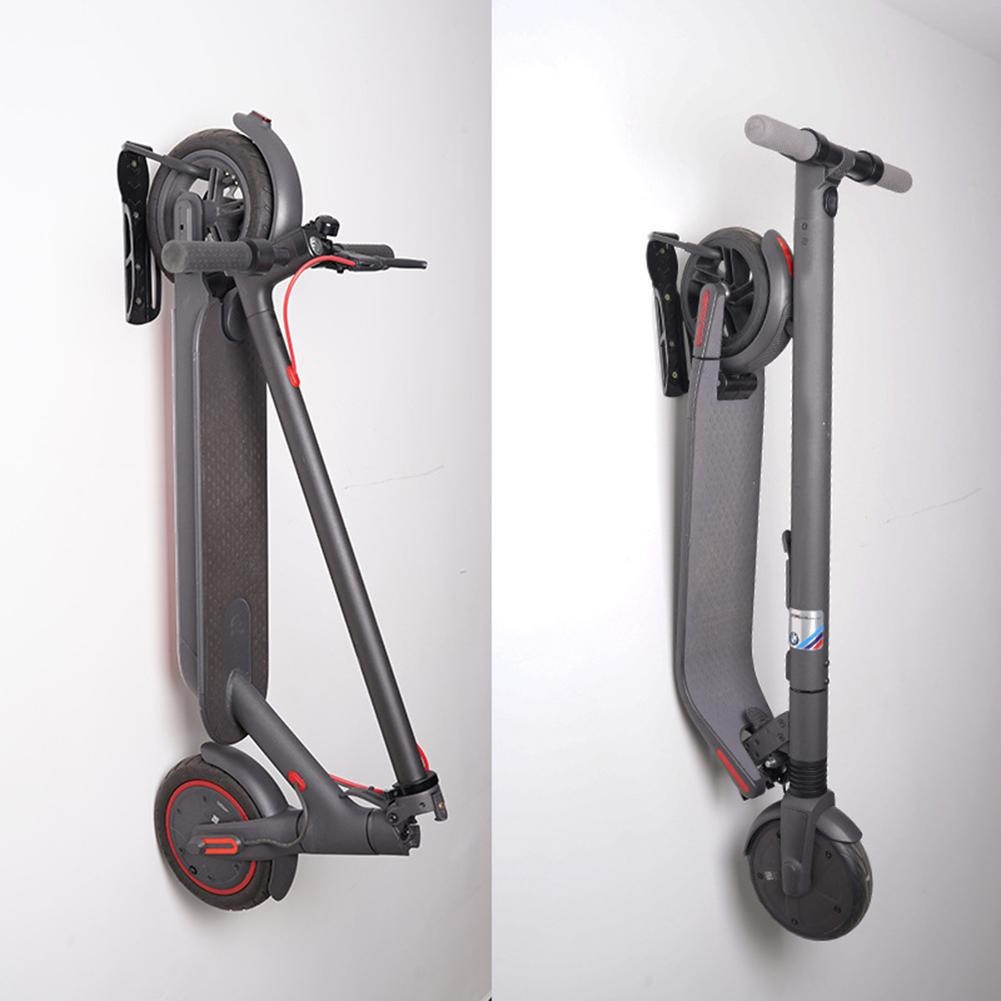
Apartment dwellers need smart storage solutions. Fortunately, several options exist for those with limited floor space.
Use Wall Mounts
Vertical storage saves floor space and keeps the scooter out of the way. Mount into wall studs using a stud finder. Most mounts support up to 50 lbs, so check your scooter’s weight. Look for padded brackets to prevent scratches. Note that some manufacturers advise against long-term vertical storage, so check your manual.
Try Floor Stands or Racks
If you cannot drill into walls, use a freestanding floor stand. Choose foldable models for easy storage. Multi-scooter racks work well for households with more than one.
DIY and Creative Options
Bike hooks from hardware stores work for lightweight scooters. Bungee cords can secure the scooter to shelving. Store folded scooters in closets or under beds. Use decorative screens to hide it in living areas.
Winterize for Cold Weather

Cold temperatures are especially harsh on scooters. Taking extra precautions during winter months protects your investment.
Store Indoors, Never in Cold Garages
Temperatures below 32°F can damage lithium batteries if charged, reduce SLA battery capacity, and cause condensation when brought indoors. Move the scooter to a heated indoor space before winter begins.
Charge to 75% to 85% for Winter
This range prevents deep discharge while avoiding the stress of full charge. It is the sweet spot for winter battery storage.
Remove and Store Battery Indoors
Even if the scooter stays in a cool but dry garage, bring the battery inside. It stays in better condition and is ready to use when needed.
Clean After Every Winter Ride
Salt, slush, and moisture accelerate rust. Wash and dry immediately after riding in winter conditions to prevent permanent damage.
Reactivate After Storage
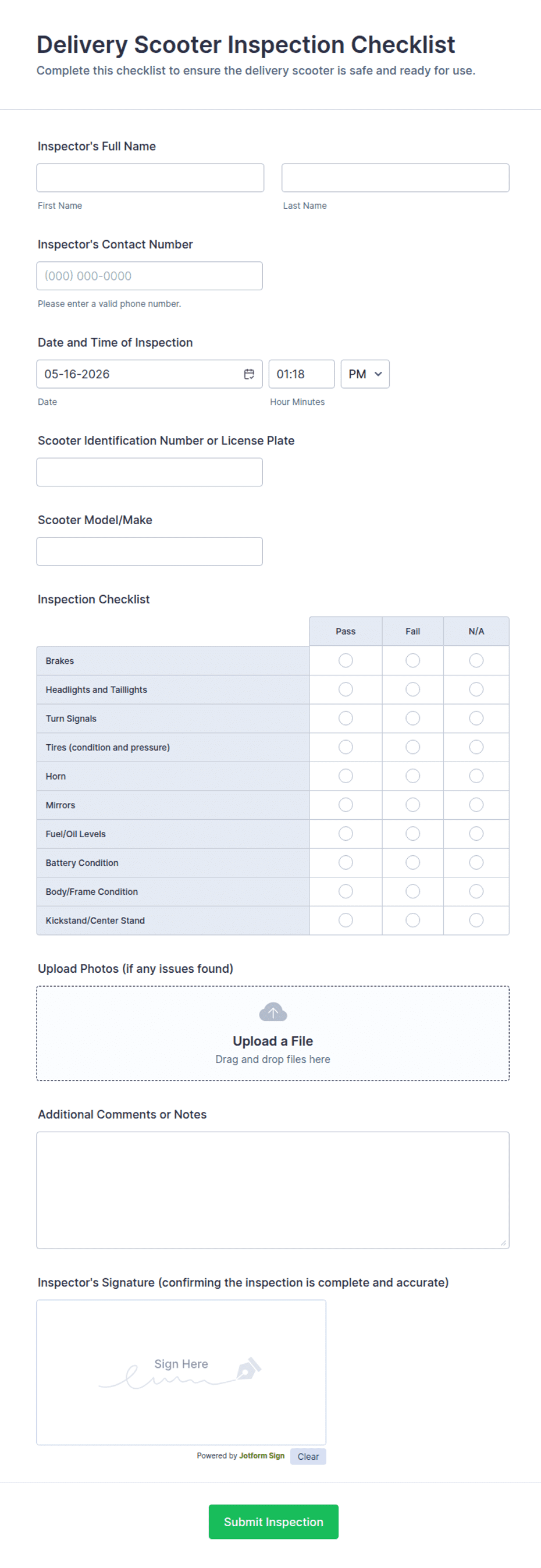
When it is time to ride again, do not just hop on. Check everything first to ensure safety and performance.
Inspect for Damage
Look for rust on bolts, axles, or brake parts. Check for cracks in tires or frame. Look for loose wires or damaged connectors. Examine tires for flat spots.
Check and Charge the Battery
Measure the charge level. If below 50% for lithium or 80% for SLA, charge to full. Ensure the charger lights function normally.
Test All Functions
Before riding, turn on lights, horn, and display. Test brakes, both electronic and mechanical. Check throttle response. Move handlebars and folding mechanism to ensure smooth operation.
Take a Short Test Ride
Ride slowly in a safe area. Listen for unusual noises. Check steering alignment. Confirm acceleration and braking feel normal.
Avoid Common Storage Mistakes
Even small oversights can cause big problems. Do not store outdoors or in unheated sheds. Do not leave the battery at 0% or 100% for months. Do not skip cleaning before storage. Do not store in extreme heat or cold. Do not leave it plugged in continuously. Do not stack heavy items on top. Do not store with underinflated tires. Do not leave battery terminals exposed. Do not skip monthly check-ins.
Frequently Asked Questions About Storing a Scooter
Can I store my scooter outside temporarily?
No, you should never store a scooter outdoors, even temporarily. Rain, snow, UV rays, and temperature swings cause irreversible damage to the battery, electronics, and frame. Always store indoors in a climate-controlled space.
What is the ideal battery charge level for long-term storage?
For lithium-ion batteries, aim for 50% to 70% for general storage or 75% to 85% for winter storage. For sealed lead-acid batteries, store at 100% and top off every 4 to 6 weeks. Never store at 0% or 100% for extended periods.
How often should I check my scooter while in storage?
Check your scooter every 1 to 2 months. Verify battery levels, tire pressure, and overall condition. Power it on for 5 to 10 minutes to keep the Battery Management System active and cells balanced.
Is it okay to keep my scooter plugged in all the time while storing it?
No, never leave your scooter plugged in continuously for months. Even with auto-shutoff chargers, prolonged connection stresses the battery and poses a fire risk. Charge to the target level, then unplug.
Does cold weather damage scooter batteries?
Yes, temperatures below 32°F can damage lithium batteries if charged and reduce SLA battery capacity. Always store batteries indoors at room temperature, and never charge a frozen battery.
What is the best way to secure a scooter in storage?
Use a U-lock or heavy-duty chain lock and anchor to a fixed object. Remove the battery if possible, and consider installing a GPS tracker for recovery if stolen.
Key Takeaways for Storing Your Scooter
Proper scooter storage is not complicated, but it is essential. By choosing the right location with stable temperatures between 50°F and 85°F, you protect sensitive electronics and prevent corrosion. Battery care is the most critical aspect: charge lithium batteries to 50% to 70%, keep SLA batteries fully charged, and store them indoors away from extreme temperatures.
Clean your scooter thoroughly before storage, inflate tires to recommended PSI, and lubricate moving parts. Check the battery monthly and power up the scooter every 4 to 6 weeks to keep systems active. Finally, always lock your scooter even indoors, and consider removing the battery to deter theft and protect your most valuable component. Store smart, and your scooter will be ready to ride whenever you need it.