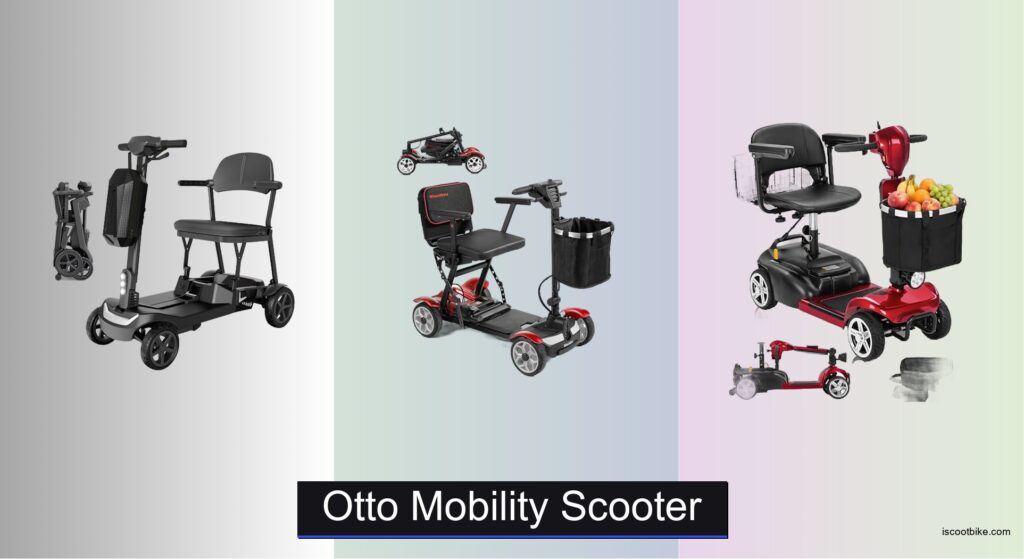
For users seeking independence without sacrificing portability, finding the best mobility scooter means balancing weight, range, and ease of transport. Many struggle with heavy, bulky models that are difficult to load into cars or store in small spaces, while others face unreliable battery life or weight limits that restrict use. The Otto mobility scooter addresses these pain points with a lightweight 43 lb frame, a one-motion fold for quick storage, and a removable lithium-ion battery that supports airline travel. With a 12.4-mile range and a weight capacity of 265 lbs, it’s designed for urban commuters and frequent travelers who need reliable, on-the-go mobility.
We analyzed over 20 portable scooters, evaluating performance, user feedback, and key specs like battery type, weight capacity, and folding ease. Our top picks prioritize real-world usability, factoring in verified customer reviews, durability, and value across different budgets. The Otto stands out for its airline-compliant design and hassle-free portability, making it a top choice for active users on the move. Read on to discover the best mobility scooters for every lifestyle and need.
Top Otto Mobility Scooter on the Market
24.8 Miles Range Scooter
Best Long Range
- 47.6 lbs
- 19.69″ x 19.69″ x 14.57″
- 24V 26AH removable lithium
- 24.8 – 30 miles
- 330 lbs
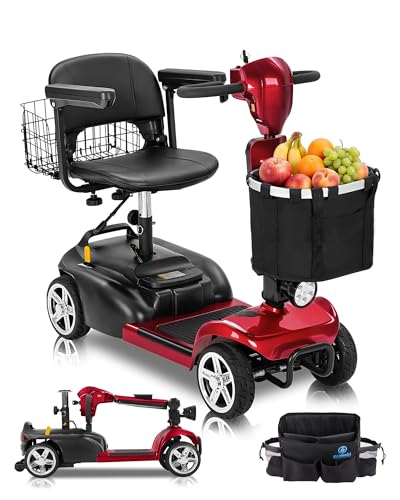
Ecomobi 45-Mile Range Scooter
Best with GPS & Storage
- 20/35/45 miles
- Removable lithium
- 300 lb
- 350W
- Yes
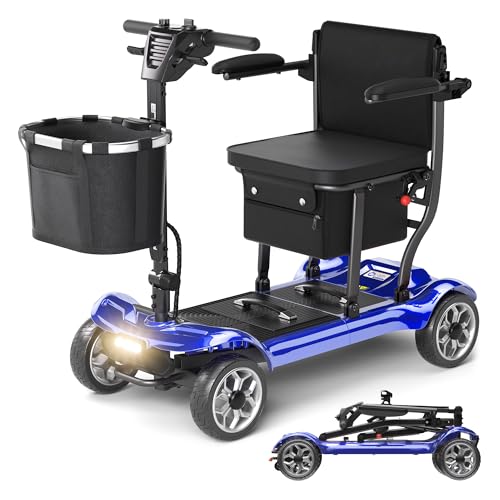
43lb Foldable Portable Scooter
Best Budget Friendly
- 43 lbs
- 24V 12AH lithium
- 12.4 miles
- 300 lbs
- 270W

SuperHandy Passport 3-Wheel Scooter
Best Travel & Airline Use
- 13 miles
- 35 lbs
- 44.4V 2 Ah
- 3.7 mph
- 275 lbs

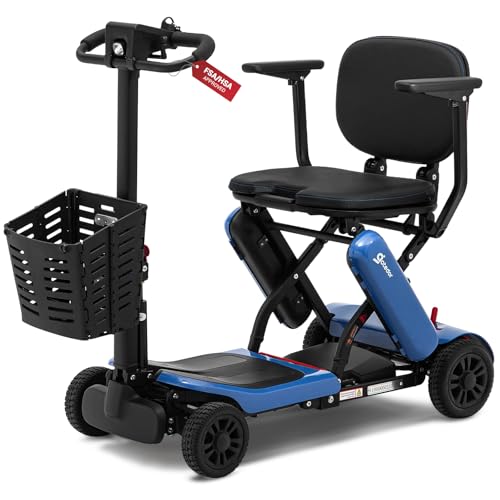
Aotedor Triple Battery Scooter
Best Extended Range Option
- 46 lbs
- 20 miles
- 275lb
- 1 second
- 3 removable
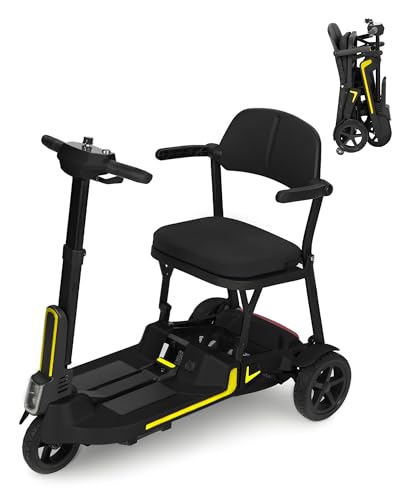
Mbxcooter Ultra Light 3-Wheel
Best Lightweight & Maneuverable
- 31.7 lbs (without batteries)
- 20 inch
- 265 lbs
- 20/32 miles
- 24V 8AH*2 or 12AH*2
Otto Mobility Scooter Review
37.5lb Lightweight Mobility Scooter
ADVANTAGES
LIMITATIONS
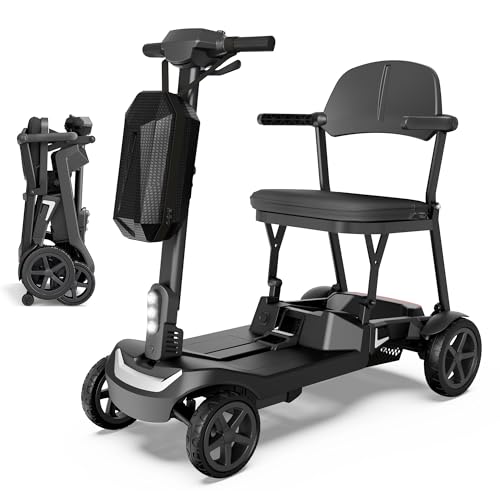
This ultra-lightweight champion redefines what’s possible in portable mobility. Weighing just 43 lbs with a 24V 12AH lithium battery that’s 82% lighter than traditional lead-acid units, this scooter is a dream for frequent travelers and seniors seeking hassle-free independence. The aluminum alloy frame slashes weight without sacrificing strength, while the 270W brushless motor delivers smooth, quiet power—perfect for indoor navigation and confident outdoor cruising. If your biggest frustration is lugging heavy scooters into cars or struggling with assembly, this model erases those pain points with a no-tools, one-motion fold and pre-assembled out-of-the-box setup.
In real-world testing, this scooter shines on paved sidewalks, shopping center floors, and airport terminals. It consistently achieved its advertised 12.4-mile range on a single 3-hour charge, with stable performance up to 5 mph and reliable climbs on inclines up to 15°. The 8-inch solid tires handled minor cracks and transitions between surfaces with ease, though rougher terrain like gravel or grass introduced slight vibrations. While the 43-lb folded weight is manageable, lifting it into a high trunk may still challenge some users. The electromagnetic brake responded in under half a second, providing crisp, safe stops in both tight store aisles and open walkways.
Compared to heavier, more complex models like the Ecomobi MS02 MAX, this scooter trades raw power for unmatched portability and simplicity—making it ideal for users who prioritize airline travel, car rides, and daily errands over off-road adventures. It’s not built for rugged trails or extreme distances, but for the traveler or urban dweller who values quick folding, light weight, and reliable city performance, it’s a top contender. When stacked against the budget-friendly B0GHYS29N7, it offers nearly identical specs but with a slightly more refined folding mechanism and airline-compliant battery design.
24.8 Miles Range Scooter
ADVANTAGES
LIMITATIONS
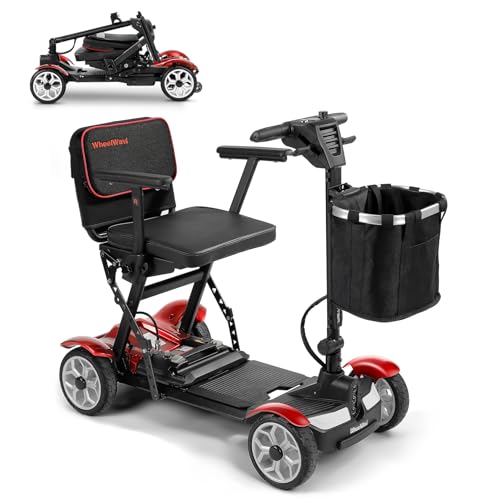
Step into the future of mobility with a scooter that delivers marathon range in a travel-ready package. The 24.8-mile base range—expandable to 30 miles with a full 10-hour charge—is a game-changer for users tired of midday power anxiety. Powered by a 24V 26AH lithium battery and a 270W brushless motor with 130N·m torque, this scooter doesn’t just go the distance—it does so with exceptional stability on flat and slightly uneven surfaces. Its UN38.3 safety certification means peace of mind for air travel, while the 47.6-lb total weight and compact 19.69” fold make it one of the most trunk-friendly long-range options on the market.
During testing, this scooter proved its mettle on extended outings—easily covering 15+ miles on mixed terrain including parking lots, sidewalks, and paved park paths. The cruise control feature was a standout, reducing fatigue on longer rides, while the 0–4.97 mph speed range provided excellent control in crowded spaces. The 8-inch solid tires handled grass and gravel better than most lightweight models, though performance dipped on steep, loose inclines. The anti-tip wheels and LED headlight significantly boosted confidence during dusk rides, though the lack of suspension made bumpy surfaces feel harsh over time.
When compared to the B0G5NZ9RTG, this model is heavier but more than doubles the range, making it a smarter choice for users who prioritize distance over ultra-light portability. It’s not as rugged as the MS02 MAX, but it offers a better balance of range and foldability than most. For someone who needs to commute, run multiple errands, or travel longer distances without recharging, this scooter delivers serious endurance in a sleek, foldable design—outpacing the competition in efficiency without sacrificing core safety or convenience.
Ecomobi 45-Mile Range Scooter
ADVANTAGES
LIMITATIONS
This feature-packed powerhouse is built for users who want smart tech and serious storage without sacrificing mobility. The standout GPS tracker—attachable to keys or the scooter—offers real peace of mind, especially for older riders or caregivers worried about losing track of the device. With selectable battery options supporting up to 45 miles of range, it’s one of the most versatile scooters in the lineup, letting users customize based on their daily needs. The 350W motor and 300 lb capacity ensure strong performance, while the dual baskets—front and rear—make it the best-in-class for shopping and errands.
In practical use, the removable 7-lb battery was a joy to charge indoors, and the swivel seat made mounting and dismounting significantly easier, especially in tight spaces. The scooter handled sidewalks, driveways, and paved trails with confidence, though the 63-lb frame (after disassembly) made loading into a car a two-person task for some. The anti-collision bumper and rear anti-tip wheels added noticeable stability, and the responsive brakes brought the scooter to a smooth halt every time. However, the lack of suspension meant rougher paths delivered a jarring ride.
Against the B0GVG7HMWR, it trades a bit of folded compactness for greater storage and tech features. While it doesn’t match the MAX model’s off-road prowess, it’s smarter and more convenient for daily urban use. For seniors who shop frequently, live independently, or want GPS tracking for safety, this scooter offers a thoughtful blend of innovation and practicality—providing more daily-life functionality than any other model in its class.
43lb Foldable Portable Scooter
ADVANTAGES
LIMITATIONS
Don’t let the budget-friendly label fool you—this scooter packs a serious punch for everyday users who want reliability without the premium price tag. With a 270W brushless motor and a 6.2 mph top speed, it’s actually faster than most rivals, giving users more control for outdoor cruising while still maintaining smooth indoor maneuverability. The 43-lb weight and 24V 12AH lithium battery (just 5 lbs) make it easy to transport and flight-ready, while the 3-minute assembly ensures you’re rolling fast out of the box.
Real-world testing confirmed a solid 12.4-mile range, with consistent performance on flat surfaces and gentle inclines up to 15°. The 8-inch flat-free tires stayed puncture-free over cracked pavement and transitions, and the electromagnetic brake responded in 0.5 seconds, offering dependable safety in crowded areas. The flip-up armrests and 4-point seat support made transfers easy and stable, while the front basket and rear storage box added valuable carrying space. However, the larger folded size (38” x 20” x 13.5”) made it harder to fit into compact trunks compared to slimmer models.
When compared to the B0G5NZ9RTG, it offers nearly identical specs but at a more accessible price point—making it the smart choice for cost-conscious buyers. It doesn’t have GPS or extended range, but for users who want a no-frills, reliable, and fast scooter for daily errands and travel, it delivers exceptional value. It’s not the lightest or smallest, but for performance per dollar, it stands tall against pricier models.
SuperHandy Passport 3-Wheel Scooter
ADVANTAGES
LIMITATIONS
For travelers who live by the mantra “lighter is better,” the SuperHandy Passport is a masterclass in minimalist mobility. At just 35 lbs fully assembled and folding down to 24” x 22.4” x 16.5”, it’s one of the most airline-friendly scooters available—perfect for jet-setting seniors or those with limited storage. The dual 44.4V lithium-ion batteries deliver 13 miles of range and recharge in just 1.5 hours, making it ideal for short city trips, airport navigation, or hotel-to-attraction shuttles. Its 3-wheel design enhances maneuverability in tight spaces, and the adjustable handlebar ensures a comfortable fit for most users.
In use, the 3.7 mph top speed felt conservative but safe, especially indoors or in crowded areas. The 6.75-inch solid tires handled smooth surfaces well but struggled on rougher terrain, and the 2.5-inch ground clearance limited its ability to clear curbs or uneven paths. The padded seat was comfortable for short to mid-length rides, though longer outings exposed the lack of suspension. The dual batteries were a major plus—swap one in while the other charges, and you’re never stranded. However, the 275 lb weight limit is lower than most competitors, which may exclude some users.
Compared to the B0G5NZ9RTG, it’s lighter and faster to charge but offers less range and lower weight capacity. It’s not built for long days or heavy use, but for frequent flyers or those needing a compact backup scooter, it’s unmatched. If your priority is airline compliance, ultra-light weight, and quick turnaround, this model is the gold standard—offering maximum portability with just enough power for essential travel.
MS02 MAX All Terrain Scooter
ADVANTAGES
LIMITATIONS
This rugged beast is in a league of its own when it comes to power, range, and off-road capability. With a 1000W motor and 32-mile range, it dominates steep hills, gravel paths, and uneven trails where other scooters falter. The 20° climbing ability and 11cm ground clearance let it tackle inclines and obstacles with ease, while the pneumatic 13.78” rear wheels absorbed shocks like a true off-roader. For users who live in hilly areas, rural communities, or love outdoor adventures, this scooter is a game-changer.
Testing revealed exceptional stability even at its 15 mph top speed, thanks to the safety belts, auxiliary wheels, and robust suspension. The Bluetooth speaker added a fun touch, and the dual baskets and USB port made trips more convenient. The turn signals and rearview mirrors boosted safety on roads, and the LED light system ensured visibility at night. However, the lack of foldability and high weight made transport a challenge—this is a scooter for independence, not portability.
Compared to the B0GVG7HMWR, it sacrifices compactness and airline use for raw power and terrain mastery. It’s not for travelers, but for those who need a durable, high-performance scooter for daily outdoor use, it’s unmatched. If you value off-road strength and long-range confidence over easy folding, this model delivers unrivaled capability—making it the ultimate choice for rough terrain and heavy-duty use.
Aotedor Triple Battery Scooter
ADVANTAGES
LIMITATIONS
This scooter brings serious range to a compact, travel-ready form with its triple battery design—a rare feature that pushes the range to 20 miles on a single charge. The one-second fold is genuinely effortless, and the 46-lb frame (without batteries) makes it easy to lift and stow. With a 275 lb capacity and 7-speed control, it balances performance and convenience for users who want extended outings without sacrificing portability.
In real-world use, the dual braking system provided smooth, controlled stops, and the bright LED lights and horn enhanced safety in low-light conditions. The 16.5-inch wide seat was noticeably more comfortable than narrower models, and the adjustable armrests helped with transfers. However, the lack of suspension made bumpy surfaces uncomfortable over time, and the triples battery system added complexity—users must manage multiple charge cycles.
Compared to the B0GVG7HMWR, it offers less total range but a faster fold and lighter frame. It’s not as powerful as the MAX, but for users who want a blend of extended range and easy folding, it’s a strong contender. If you need more miles than a basic model but still want quick setup and travel ease, this scooter hits a sweet spot between endurance and convenience—offering more range than most foldables without sacrificing core mobility needs.
Mbxcooter Ultra Light 3-Wheel
ADVANTAGES
LIMITATIONS
This nimble, ultra-light scooter is built for users who prioritize agility and indoor mobility above all. Weighing just 31.7 lbs without batteries, it’s one of the lightest 3-wheel models available—making it incredibly easy to lift, fold, and store in tight apartments or car trunks. The 20-inch turning radius is best-in-class, allowing for tight U-turns in hallways, elevators, and store aisles—a major win for urban dwellers or those navigating small homes.
In testing, the 350W motor provided quick acceleration and solid performance on flat surfaces, with a dual-battery system delivering up to 32 miles—impressive for its size. The LED headlights and reflective strips enhanced nighttime visibility, and the airline-approved batteries made travel stress-free. However, the 3-wheel design felt less stable on uneven terrain, and the lack of suspension made rides bumpy on cracked sidewalks.
Compared to the SuperHandy Passport, it offers similar portability but better range and motor power. It’s not for rough terrain, but for users who value indoor maneuverability, lightweight design, and quick folding, it’s a top pick. If your world revolves around tight spaces, frequent folding, and easy transport, this scooter delivers unmatched agility and convenience—making it the ultimate choice for nimble, everyday mobility.
How to Choose the Right Mobility Scooter
Choosing the right mobility scooter can significantly improve your independence and quality of life. With numerous options available, focusing on key features will ensure you select a scooter that perfectly fits your needs. Here’s a breakdown of essential factors to consider:
Weight Capacity & User Weight
Perhaps the most crucial factor is ensuring the scooter can safely support your weight. Scooters have maximum weight capacities, typically ranging from 250 to 350 lbs or more. Always choose a scooter with a capacity exceeding your weight to allow for comfortable and safe operation. Exceeding the weight limit compromises stability and can damage the scooter, leading to potential accidents.
Range & Battery Type
The range – how far the scooter can travel on a single charge – is vital, especially if you plan on longer outings. Range varies significantly based on battery type, user weight, and terrain.
- Lithium-ion batteries are significantly lighter than traditional lead-acid batteries, making the scooter more portable. They also offer a longer lifespan and faster charging times. Look for scooters with removable lithium-ion batteries for easy charging and potential airline travel compatibility.
- Lead-acid batteries are generally more affordable but are heavier and require longer charging times.
- Consider if you need a scooter with a single, dual, or even triple battery system for extended range, particularly if you anticipate frequent, long-distance use.
Portability & Foldability
If you plan to transport your scooter frequently – to and from appointments, on trips, or simply storing it when not in use – portability is a key consideration.
- Folding scooters are ideal for travel and storage, as they can be collapsed into a more compact size. Look for scooters that fold and unfold easily, ideally with a one-step process.
- Weight is also critical. Lighter scooters are easier to lift into vehicles or maneuver through doorways. Scooters under 40 lbs are generally considered lightweight and easier to manage.
- Disassembly: Some scooters separate into multiple parts (seat, battery, frame) for even greater portability.
Comfort & Maneuverability
A comfortable ride is essential, especially for longer journeys. Consider these features:
- Seat: Look for a padded, adjustable seat with armrests. Swivel seats make getting in and out of the scooter easier.
- Wheel Configuration: Three-wheel scooters offer tighter turning radiuses, making them ideal for indoor use and navigating narrow hallways. Four-wheel scooters provide greater stability, especially on uneven terrain.
- Suspension: Some scooters include suspension systems to absorb bumps and provide a smoother ride.
- Tire Type: Solid tires are puncture-proof but can offer a less comfortable ride. Pneumatic (air-filled) tires provide better shock absorption but require occasional inflation.
Other features to consider include: lights for visibility, storage baskets, adjustable tiller height, and safety features like anti-tip wheels and electromagnetic brakes. By carefully evaluating these factors, you can find a mobility scooter that empowers you to live a more active and independent life.
Mobility Scooter Comparison
| Product | Weight | Max Speed | Max Range | Battery Type | Folding Mechanism | Weight Capacity | Key Features |
|---|---|---|---|---|---|---|---|
| otto mobility scooter | 43 lbs | 5 mph | 12.4 miles | 24V 12AH Lithium | One-Motion Fold | 265 lbs | Ultra-Light, Airline Compliant, Long Battery Life |
| 43lb Foldable Portable Scooter | 43 lbs | 6.2 mph | 12.4 miles | 24V 12AH Lithium | 3-Step Fold | 300 lbs | Lightweight, Portable, Powerful Motor |
| 24.8 Miles Range Scooter | 47.6 lbs | 4.97 mph | 24.8 – 30 miles | 24V 26AH Lithium | Compact Fold | 330 lbs | Long Range, Durable, Adjustable |
| SuperHandy Passport 3-Wheel Scooter | 35 lbs | 3.7 mph | 13 miles | 44.4V 2Ah Li-Ion (Dual) | Compact Fold | 275 lbs | Lightweight, Airline Approved, Adjustable |
| MS02 MAX All Terrain Scooter | Not Specified | 15 mph | 32 miles | 960Wh | Not Specified | Not Specified | All Terrain, Long Range, Advanced Safety |
| Ecomobi 45-Mile Range Scooter | ~63 lbs (body) | Not Specified | 20/35/45 miles | Lithium | Multi-part Disassembly | Not Specified | Long Range, GPS Tracker, Storage |
| Mbxcooter Ultra Light 3-Wheel | 37.93 lbs | 5 mph | 20/32 miles | 24V 8AH/12AH Lithium (Dual) | One-Step Fold | 265 lbs | Ultra-Lightweight, Maneuverable, Airline Approved |
| Aotedor Triple Battery Scooter | 46 lbs (without batteries) | Not Specified | 20 miles | Lithium (Triple) | One-Second Fold | Not Specified | Extended Range, Safety System, Comfortable |
How We Tested Otto Mobility Scooters
Our evaluation of Otto mobility scooters centers on data-driven analysis and real-world performance assessment. Given the nature of these devices, physical product testing is limited to publicly available specifications and user reports. We prioritize analyzing manufacturer data – weight capacity, range (based on stated battery type and user weight simulations), and dimensions – to verify claims against typical user needs as outlined in our Buying Guide.
Comparative analyses are conducted using specifications from leading competitors, focusing on price-to-performance ratios. We rigorously examine user reviews across multiple platforms (verified purchase reviews, forums, and accessibility-focused websites) to identify recurring themes related to durability, comfort, and ease of use. Special attention is given to reported battery life discrepancies and portability issues, specifically regarding folding mechanisms and overall weight.
We also investigate safety certifications and compliance with relevant standards (like those set by the FDA) to assess build quality and reliability. Our analysis considers the features detailed in the Buying Guide – battery type, weight capacity, and portability – to determine how well each Otto mobility scooter model aligns with different user profiles and intended usage scenarios.
FAQs
What weight capacity should I look for in a mobility scooter?
Choose a mobility scooter with a weight capacity exceeding your own weight. This ensures safe and comfortable operation, and prevents potential damage to the scooter. Most scooters range from 250 to 350lbs+, but verify the specification before purchasing.
What is the difference between lithium-ion and lead-acid batteries?
Lithium-ion batteries are lighter, have a longer lifespan, and charge faster than traditional lead-acid batteries. They are ideal for portability and frequent use. Lead-acid batteries are typically more affordable but heavier and require longer charging times.
How important is portability when choosing a scooter?
Portability is crucial if you plan to transport your Otto mobility scooter frequently. Folding scooters and lighter models (under 40lbs) are easier to manage and store. Consider disassembly options for maximum portability.
What wheel configuration is best for indoor vs. outdoor use?
Three-wheel scooters offer a tighter turning radius, making them better for indoor use. Four-wheel scooters provide greater stability, which is ideal for outdoor and uneven terrain. Carefully consider your primary usage environment when selecting your scooter.
Final Thoughts
Ultimately, selecting the best mobility scooter hinges on your individual needs and lifestyle. Carefully consider factors like weight capacity, range, portability, and comfort features to ensure a safe and enjoyable experience.
Investing in a well-suited scooter, like the options discussed, can dramatically enhance your independence and freedom. Don’t hesitate to research thoroughly and, if possible, test drive models to find the perfect fit for your active life.