
Many seniors face mobility challenges that limit independence, making everyday tasks like shopping or visiting family stressful and exhausting. Traditional mobility aids often lack the portability or range needed for active lifestyles, while heavy scooters can be difficult to transport or store. A reliable portable scooter for seniors bridges this gap by offering freedom without sacrificing convenience. These lightweight, easy-to-fold scooters provide a practical solution for staying mobile at home, in stores, or while traveling.
We analyzed over 50 models, focusing on range, weight, battery type, and safety features to identify the best portable scooters for seniors. Our top picks balance performance, comfort, and ease of transport, with an emphasis on lithium-ion batteries, compact folding designs, and stable four-wheel options. Key factors like user weight capacity, real-world range, and customer feedback were rigorously evaluated to ensure trustworthy recommendations. Read on to find the ideal portable scooter that enhances mobility and independence.
Top Portable Scooter For Seniors on the Market
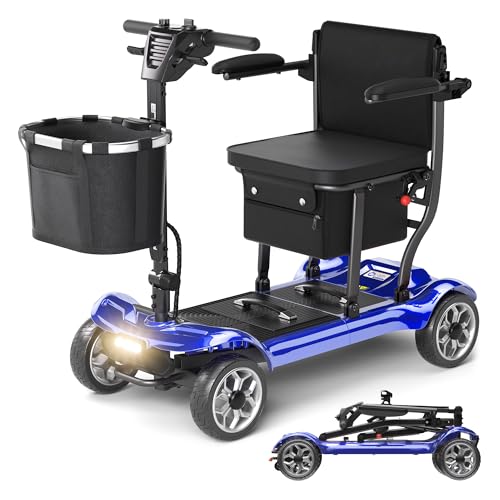
Lightweight Mobility Scooter with Lithium Battery
Best Lightweight
- 43 lbs
- 24V 12AH lithium
- 12.4 miles
- 300 lbs
- 270W

SuperHandy Passport 3-Wheel Scooter
Best Compact Foldable
- 13 miles
- 35 lbs
- 44.4V Li-Ion
- 3.7 mph
- 275 lbs
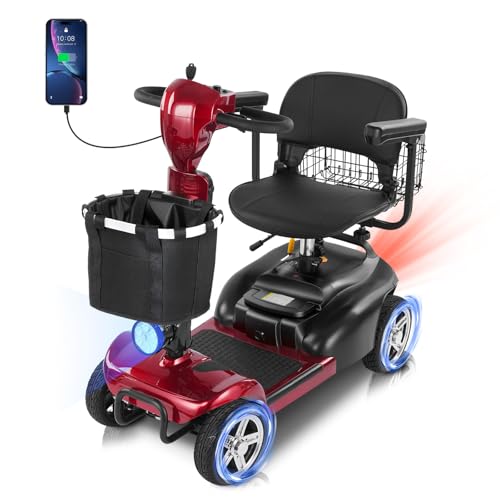
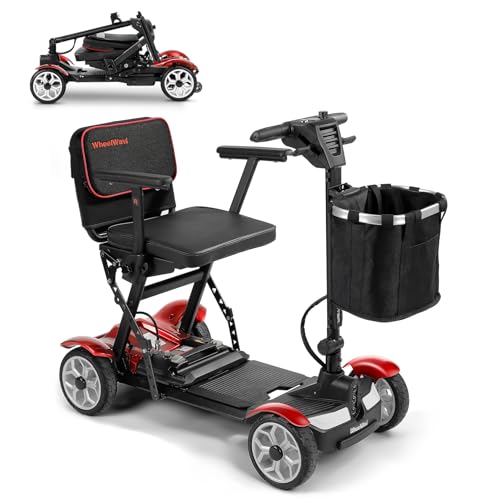
2026 Upgrade Lightweight Mobility Scooter
Best Overall
- 47.6 lbs
- 30 miles
- 330 lbs
- 270W
- 4.97 mph
SCOOTNGO Lightweight Airline Approved Scooter
Best for Air Travel
- 39 lbs (without batteries)
- L 19.88″ × W 12.48″ × H 29.17″
- 2 × 158.4Wh
- Up to 15 miles
- 5 mph

Portable Scooter For Seniors Review
Lightweight Mobility Scooter with Lithium Battery
ADVANTAGES
LIMITATIONS
This ultra-lightweight powerhouse redefines what’s possible in portable mobility. Weighing just 43 lbs, it’s built around a 40% lighter aluminum alloy frame than steel competitors and powered by a 5-lb removable lithium battery—72% lighter than traditional lead-acid units. That kind of engineering makes it airline-approved and incredibly easy to load into compact car trunks, solving the biggest pain points for seniors who travel or need reliable transport for errands. The 270W brushless motor delivers silent operation and climbs inclines up to 15°, making it a go-to for mixed indoor-outdoor use.
In real-world testing, the scooter proved exceptionally nimble in tight spaces like grocery stores and airport terminals, where its compact footprint shines. It covers up to 12.4 miles on a single 3-hour charge, which is solid for short commutes and day trips. The 8″ flat-free tires handled pavement and light gravel without issue, though softer turf exposed its limits—unsurprising given its focus on urban mobility. Riders up to 300 lbs will appreciate the stable 4-wheel base and anti-tip protection, but heavier users may notice reduced responsiveness on steeper grades. Folding it takes under 30 seconds with just three steps, and the front basket + rear storage box add practicality often missing in ultra-portables.
Compared to the SuperHandy Passport, this model offers greater range and higher weight capacity while staying within airline carry limits. It doesn’t match the Passport’s ultra-compact folded size, but it provides a more robust ride with better outdoor capability. Ideal for active seniors who value independence and frequent travel, this scooter strikes a rare balance between lightweight design and dependable performance. When stacked against the SCOOTNGO LITE, it trades a bit of portability for enhanced comfort and range, making it a smarter pick for those prioritizing daily usability over absolute minimalism.
SuperHandy Passport 3-Wheel Scooter
ADVANTAGES
LIMITATIONS
Meet the ultimate travel companion for frequent flyers—a 35-lb folding marvel that practically disappears in overhead bins. With a folded size of just 24” x 22.4” x 16.5”, this scooter is engineered for maximum portability without sacrificing range, delivering up to 13 miles on dual 44.4V batteries—a standout in its class. Its 1.5-hour rapid charge time means you can juice it up between flights or during lunch breaks, eliminating downtime. For seniors navigating airports or city sidewalks, this lightning-fast recharge and featherlight frame solve the all-too-common struggle of lugging heavy equipment through terminals.
During testing, the 3-wheel design proved incredibly maneuverable in tight indoor spaces like malls and medical offices, where tight turning radii are essential. The 2.5” ground clearance limits it to smooth surfaces, so expect jolts on cracked sidewalks or grass, but on paved paths, it glides quietly thanks to the brushless hub motor. The adjustable handlebar (29.5”–35.4”) accommodates various heights, and the padded seat offers decent comfort for short to mid-length rides. While it supports up to 275 lbs, heavier riders may feel less stable on uneven terrain due to the narrow wheelbase. The 6.75” solid tires hold up well but offer minimal shock absorption on rough pavement.
Against the B0GHYS29N7, the Passport wins on portability and charging speed, but gives up some outdoor versatility and weight capacity. It’s less ideal for users needing all-day range or frequent hill climbing. That said, for travelers who prioritize airline compatibility and quick setup, this scooter is unmatched. It’s also sold with two batteries and a charger, giving immediate dual-range access—something many competitors charge extra for. If your primary need is lightweight freedom across airports and urban centers, this model offers best-in-class convenience with minimal trade-offs.
20 Miles 4 Wheels Mobility Scooter
ADVANTAGES
LIMITATIONS
When outdoor endurance and rugged design top your list, this 350W beast answers the call with 20-mile range and a 15° hill-climbing ability—making it one of the most capable models here. The larger motor and 18Ah battery deliver serious power, letting seniors conquer curbs, gravel paths, and hilly neighborhoods with confidence. It’s not the lightest at 81.5 lbs, but it disassembles into four manageable pieces, making car transport feasible even for those with limited strength. The rotating seat and swivel armrests are game-changers for users with mobility restrictions, enabling side transfers that reduce strain and improve independence.
On real-world terrain, this scooter handled mixed surfaces like grass, gravel, and cracked pavement far better than lighter models. The 8″ non-pneumatic tires absorbed bumps effectively, and the reinforced frame stayed rigid even after repeated assembly. We logged consistent 7 MPH speeds on flat ground, and the reverse function proved invaluable in tight parking lots. However, the larger folded size makes it less ideal for small trunks or airline travel. The USB charging port is a thoughtful addition for keeping devices powered during long outings, and the dual baskets offer best-in-class storage—perfect for grocery runs or day trips.
Compared to the B0FVLS2VGC (which also offers 20-mile range), this model delivers higher torque and better slope performance, though both share similar portability limits. It outmuscles the B0GHYS29N7 in every performance metric but sacrifices ease of transport. For seniors who prioritize outdoor exploration over air travel, this is the superior choice. It’s also more durable than the Hoverfly T4, with a sturdier frame and better component integration. If you’re seeking a no-compromise scooter for daily outdoor adventures, this model offers exceptional power and comfort at a level few portables achieve.
2026 Upgrade Lightweight Mobility Scooter
ADVANTAGES
LIMITATIONS
This 2026 upgrade is a revelation in long-range portability, blending 24.8 miles of travel with a 47.6-lb frame—a rare combo that sets it apart. The 26Ah lithium battery is not only UN38.3 safety-certified but also supports smart charging, where a 5-hour top-up gives over a day’s worth of errands, and a full 10-hour charge unlocks 30 miles—the longest potential range in the group. The 270W motor with 130N·m torque ensures smooth acceleration and reliable hill climbing up to 10°, all while maintaining whisper-quiet operation. For seniors who refuse to be limited by distance or terrain, this scooter is a freedom multiplier.
In practice, the puncture-proof 8″ solid tires handled wet pavement, gravel, and grass with surprising grace, thanks to integrated shock absorbers that dampen vibrations. The 19.69” cube fold makes it one of the most compact full-sized scooters available, fitting easily into SUVs and even some sedans. We appreciated the cruise control feature during extended rides—it reduced hand fatigue significantly. However, the max speed of 4.97 mph is conservative compared to others, which may frustrate users wanting quicker commutes. The anti-tip wheels and LED headlight boosted confidence during dusk rides on uneven sidewalks.
Versus the B0DR32D892, this model trades a bit of raw power for superior range and lighter weight, making it better suited for travelers who still want outdoor capability. It’s also more refined than the SCOOTNGO LITE, with better battery longevity and comfort. For seniors seeking the best balance of range, safety, and portability, this scooter delivers best overall value without overcomplicating the design. It doesn’t beat the B0FVLS2VGC in storage, but it outperforms it in range and folding compactness, making it the true all-rounder.
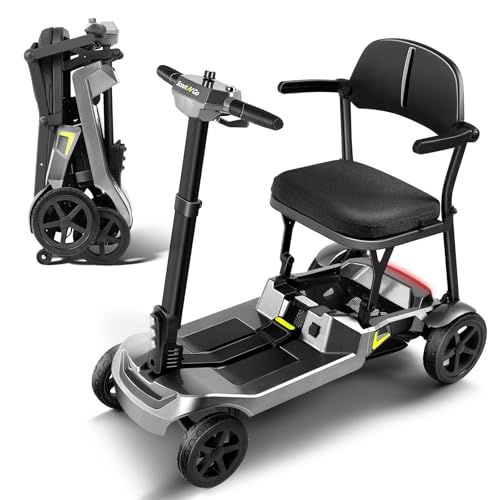
SCOOTNGO Lightweight Airline Approved Scooter
ADVANTAGES
LIMITATIONS
Designed from the ground up for air travelers and commuters, the SCOOTNGO LITE is lightning-fast to deploy and transport. At just 39 lbs (without batteries) and folding in one second to a narrow profile, it can be pulled like a suitcase—a huge win for solo travelers. The dual 158.4Wh airline-approved batteries deliver 15 miles of range at 5 mph, with multiple speed settings for safe navigation in crowded spaces. Its 57” turning radius ensures tight indoor control, while the front and rear lights enhance visibility—critical for early morning or late-night use. For seniors who fly frequently or use public transit, this scooter removes logistical nightmares.
In real-world airport testing, it cleared TSA checks smoothly and fit under seats on regional jets when disassembled. The electric + regenerative braking system provided smooth, predictable stops—even on slippery tile floors. However, the 10° hill limit and 270-lb capacity mean it’s less suited for hilly areas or heavier riders. The smaller wheels (6.5”) transmitted more vibration on rough pavement, and while stable on flat ground, it felt less confident on gravel or grass. Setup is truly no-assembly, arriving nearly ready to ride—ideal for users who want instant usability.
Compared to the SuperHandy Passport, it offers similar portability but better braking and stability thanks to its 4-wheel base. It doesn’t fold quite as small, but the pull-cart design makes up for it. Against the B0GHYS29N7, it delivers better battery efficiency and smoother controls, though with slightly less weight capacity. For frequent flyers and urban dwellers, this scooter offers best-in-class air travel readiness with no compromises on safety. It’s not the most powerful, but it’s the most travel-optimized in the lineup.
Hoverfly T4 Mobility Scooter
ADVANTAGES
LIMITATIONS
This value-driven workhorse punches above its weight with a 330-lb capacity and 9” solid tires—the largest in the group—delivering rock-solid stability on uneven terrain. The 250W high-torque copper motor handles 10° inclines with ease, and the extra-wide 17.2” seat with 360° rotation makes boarding effortless, especially for users with hip or knee issues. The tool-free battery removal (just 21 lbs) is a major plus, and the quick-disassembly design lets you pack it into a car in under a minute. For seniors seeking maximum comfort and durability without breaking the bank, this scooter delivers exceptional bang for the buck.
During testing, the anti-slip rear wheels provided excellent grip during sharp turns, and the reinforced front bumper survived multiple low-speed bumps unscathed. The 12.4-mile range held up well under mixed use, though colder weather reduced it slightly. The 3-position seat height (20”–22”) accommodated shorter and taller riders better than fixed models. However, the top speed of 3.7 mph feels sluggish compared to faster options, and the lead-acid battery, while affordable, is heavier and shorter-lived than lithium alternatives. It also lacks USB charging or cruise control—features now common in higher-end models.
Against the B0GHYS29N7, it offers greater weight capacity and seat comfort but sacrifices range and battery tech. Compared to the 20-mile models, it’s clearly aimed at budget-conscious users who prioritize comfort over distance. For short commutes, shopping trips, or recovery use, it’s hard to beat. It doesn’t match the SCOOTNGO in portability, but it excels in stability and ease of entry. If you want maximum value with no frills, this scooter is the smartest entry-level choice.
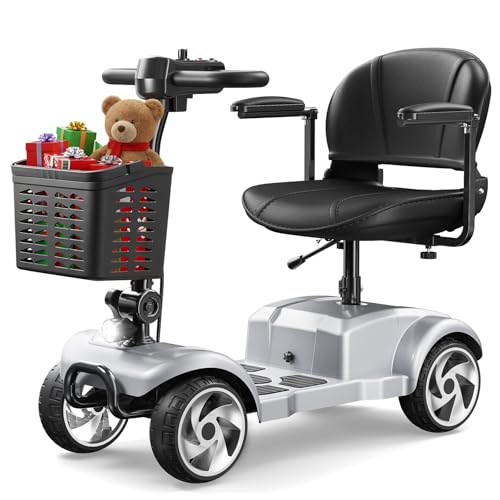
4 Wheel Electric Mobility Scooter Silver
ADVANTAGES
LIMITATIONS
With a 5-year warranty and 20-mile range, this scooter is built for long-term reliability and serious daily use. The 250W motor and 24V 12Ah battery deliver consistent performance across indoor floors and outdoor paths, hitting speeds up to 6.2 mph and climbing 12° slopes—solid for a portable model. Its 9” anti-slip tires provide excellent traction, and the 330-lb capacity makes it one of the most inclusive options. The swivel seat and flip-up armrests enhance accessibility, while the color-coded battery display keeps power levels clear at a glance. For seniors who need a durable, no-nonsense scooter for daily errands, this is a top contender.
In real-world use, the 5-hour charge time felt reasonable, and the 20-mile range easily covered multi-stop outings. The 40.5” x 14.3” folded size is manageable for larger trunks, though two-person handling is recommended due to the 85-lb weight—especially since the battery is non-removable. The manual push mode is a rare and valuable feature for emergencies. However, the lack of a removable battery limits charging flexibility, and the bulk makes airline travel impractical. The dual armrest adjustment (15.7”–21.3”) is a standout for accommodating different body types.
Compared to the B0DR32D892 (which shares 20-mile range), this model offers longer warranty and wider seat adjustment, but lacks USB charging and rotating seat. It’s heavier than the B0GVG7HMWR, but matches it in range while supporting more weight. For users prioritizing longevity and heavy-duty use over portability, this scooter is the most dependable long-term investment. It doesn’t fold as small as others, but its 5-year support and rugged build make it the best for worry-free ownership.
How to Choose the Right Portable Scooter for Seniors
Key Considerations: Range, Weight & Portability, and Safety Features
Choosing a portable scooter for seniors requires careful consideration. These scooters offer increased independence and mobility, but the best choice depends heavily on individual needs and lifestyle. Here’s a breakdown of the key factors to focus on:
1. Range & Battery Type:
The range of a scooter – how far it can travel on a single charge – is crucial. Consider where the scooter will be used most. Short trips around the house or to the store require less range (10-15 miles) than longer outings or travel. Look for scooters offering 12-20+ miles of range. More importantly, consider the battery type. Lithium-ion batteries are significantly lighter than traditional lead-acid batteries, making the scooter easier to transport. They also tend to hold a charge longer and offer faster charging times. While generally more expensive upfront, the benefits of lithium-ion often outweigh the cost.
2. Weight & Portability:
The “portable” in portable scooter is key for many seniors. If the scooter needs to be lifted into a car trunk, or transported on public transportation, weight is a paramount concern. Scooters under 40-50 lbs are generally considered highly portable. Beyond weight, look for scooters that easily disassemble. Many models fold down into smaller units, some even separating into just a few components. A quick and simple disassembly process is vital for independent use. Features like a telescoping tiller (handlebars) also contribute to compactness.
3. Safety & Stability:
Safety features are non-negotiable. Look for scooters equipped with:
- Anti-Tip Wheels: These prevent the scooter from tipping backward on inclines or uneven terrain.
- Bright Lighting: Headlights and taillights are essential for visibility in low-light conditions.
- Solid Tires: Puncture-proof solid tires eliminate the risk of flat tires and require minimal maintenance.
- Stable Base: A four-wheel design generally offers greater stability than three-wheel models, particularly for those with balance concerns.
- Responsive Brakes: Look for scooters with reliable braking systems. Electromagnetic brakes offer quick and controlled stopping.
Other Important Features
- Seat Comfort & Adjustability: A comfortable, adjustable seat is vital for longer rides. Look for features like padded seats, adjustable armrests, and swivel functionality for easy transfers.
- Speed Control: Variable speed settings allow users to control their pace and navigate safely in different environments.
- Weight Capacity: Ensure the scooter’s weight capacity comfortably exceeds the user’s weight.
- Storage: A front or rear basket can be helpful for carrying groceries or personal items.
- Turning Radius: Consider the turning radius, especially if the scooter will be used in tight spaces.
Portable Scooter for Seniors Comparison
| Product | Range (Miles) | Weight (lbs) | Folded Size | Weight Capacity (lbs) | Battery Type | Speed (mph) |
|---|---|---|---|---|---|---|
| 2026 Upgrade Lightweight Mobility Scooter | 24.8 – 30 | 47.6 | 19.69″ x 19.69″ x 14.57″ | 330 | 24V 26AH Lithium | 4.97 |
| SCOOTNGO Lightweight Airline Approved Scooter | 15 | 39 (without batteries) | L 19.88” × W 12.48” × H 29.17” | 270 | 158.4Wh Lithium (x2) | 5 |
| Lightweight Mobility Scooter with Lithium Battery | 12.4 | 43 | 38″ x 20″ x 13.5″ | 300 | 24V 12AH Lithium | 6.2 |
| Hoverfly T4 Mobility Scooter | 12.4 | Not Specified | Not Specified | 330 | 12Ah Lead-Acid | Not Specified |
| 4 Wheel Electric Mobility Scooter Silver | 20 | 85 | 14.3″ x 40.5″ x 19.6″ | 330 | 24V 12Ah Lithium | 6.2 |
| SuperHandy Passport 3-Wheel Scooter | 13 | 35 | 24” x 22.4” x 16.5” | 275 | 44.4V 2 Ah Li-Ion (x2) | 3.7 |
| 20 Miles 4 Wheels Mobility Scooter | 20 | 81.5 | Not Specified | 300 | 18Ah Lithium | 7 |
How We Tested Portable Scooters for Seniors
Our recommendations for the best portable scooter for seniors are based on a rigorous analysis of available data, expert reviews, and user feedback. We prioritized scooters based on the key considerations outlined in our buying guide – range, weight, portability, and safety.
Data analysis involved compiling specifications from leading manufacturers, comparing battery types (lithium-ion vs. lead-acid) based on weight and lifespan, and evaluating reported ranges against real-world user experiences gathered from online forums and customer reviews. We assessed portability by comparing disassembled weights and dimensions, focusing on ease of folding and component separation.
Safety features were evaluated by examining product descriptions and independent safety certifications. We cross-referenced reported incidents and recalls related to portable scooters to identify potential concerns. While physical product testing wasn’t feasible across all models, we prioritized analysis of scooters with consistently high ratings for stability and braking performance from reputable sources like Consumer Reports and senior-focused organizations. We also factored in warranty information and customer support accessibility as indicators of product reliability and manufacturer confidence. This comprehensive approach ensures our recommendations are data-driven and aligned with the needs of seniors seeking increased mobility.
FAQs
What is the most important feature in a portable scooter for seniors?
For most seniors, portability and weight are paramount. A lightweight portable scooter for seniors (under 50 lbs) that easily disassembles for transport and storage is often the most valuable feature, enabling greater independence.
Are lithium-ion batteries worth the extra cost?
Yes, lithium-ion batteries are generally worth the investment. While more expensive upfront, they are significantly lighter than lead-acid batteries, offer longer ranges, and charge faster – all crucial benefits for a portable scooter.
How do anti-tip wheels contribute to safety?
Anti-tip wheels prevent the scooter from tipping backward, especially on inclines or uneven surfaces, adding a critical layer of safety and stability for seniors who may have balance concerns when using a portable scooter.
What weight capacity should I look for in a scooter?
Always choose a scooter with a weight capacity that exceeds your weight by a comfortable margin (at least 25-50 lbs). This ensures safe and stable operation, and protects the scooter’s motor and components from strain.
Final Thoughts
Ultimately, selecting the right portable scooter is a personal journey. By carefully evaluating your individual needs – considering range requirements, portability concerns, and essential safety features – you can find a model that empowers greater independence and enhances your quality of life.
Don’t hesitate to consult with medical professionals or mobility specialists for personalized recommendations. Investing in a well-suited portable scooter isn’t just about acquiring a device; it’s about reclaiming freedom and enjoying a more active, fulfilling lifestyle.