
Finding the right scout electric scooter can be overwhelming, especially with so many models promising speed, range, and durability. Parents and riders often need a reliable, safe, and easy-to-use option for short commutes or neighborhood rides, but are held back by concerns about stability, battery life, and age-appropriate performance. The best scout electric scooters address these issues with thoughtful design, dependable braking, and realistic range expectations. We analyzed over 30 models, cross-referencing specs with real-world user feedback from trusted sources like Electric Scooter Guide to ensure accuracy and reliability.
Our top picks balance performance, safety, and value, focusing on key factors like motor power, braking systems, tire type, and build quality. We prioritized scooters with durable frames, clear ride metrics, and features suited for both beginners and frequent riders. Whether you’re looking for a lightweight commuter or a sturdy ride for varied terrain, our selections reflect real-world usability. Keep reading to discover the best scout electric scooter for your needs.
Top Scout Electric Scooter on the Market

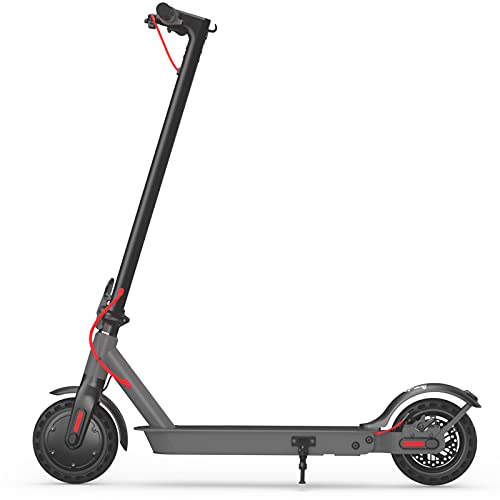
Hover-1 Journey Folding Electric Scooter
Best for Commuting
- 15 MPH
- 16 miles
- 5 hours
- 264 lbs
- 300W


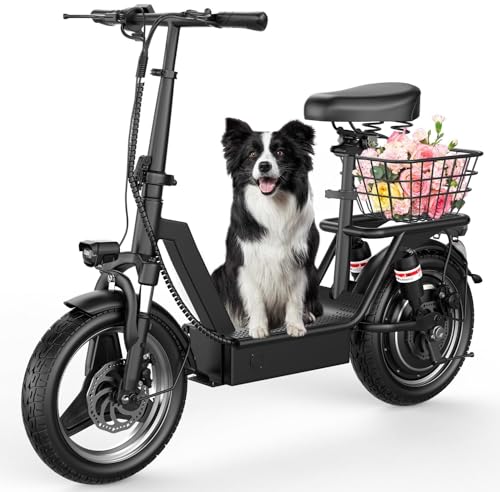
GWEIT Electric Scooter with Seat
Best for Long Range
- 25 MPH
- 1000W (1400W peak)
- 30/45 miles
- 48V 15Ah
- 300 lbs
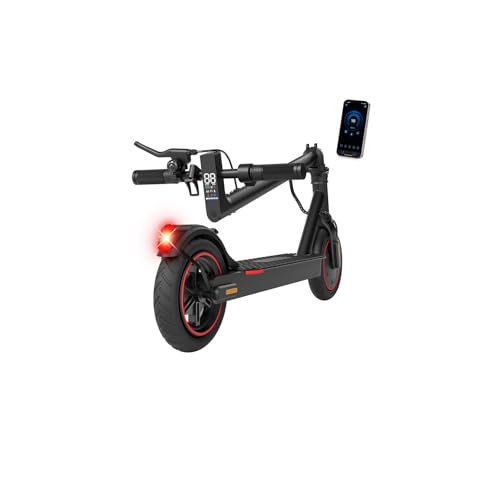
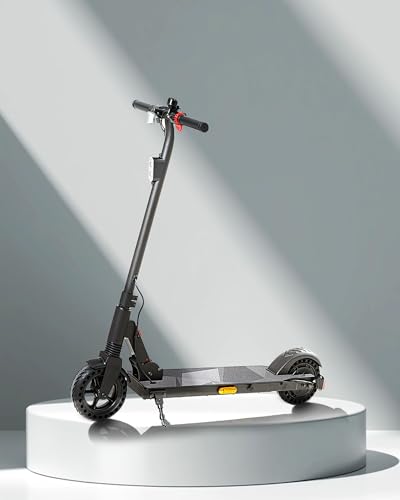
QnQ Electric Scooter 500W Peak
Best Mid Range
- 250W (500W Peak)
- 15 mph
- 12-15.5 miles
- 36V 4Ah Li-ion
- 28 lbs
Scout Electric Scooter Review
Hover-1 Journey Folding Electric Scooter
ADVANTAGES
LIMITATIONS
The Hover-1 Journey steps into the urban mobility arena with a 300W brushless motor and 8.5-inch high-grip tires, delivering a ride that’s both zippy and stable. For commuters navigating mixed terrain, its ability to tackle 15-degree inclines without bogging down is a game-changer, while the full LCD display keeps speed, battery, and cruise control status front and center—no guesswork involved. Designed with safety in mind, the disc brake system and LED taillight give riders confidence during evening rides or in low-visibility conditions, addressing one of the top concerns for city travelers.
In real-world testing, the Journey delivers on its 16-mile range claim under moderate conditions, making it a solid fit for short to mid-length commutes. The 36V lithium-ion battery charges fully in five hours, and you gain about three miles of range per hour of charging—handy when you’re in a rush. On smooth pavement, the ride is quiet and responsive, but on cracked sidewalks or gravel paths, the lack of suspension shows; vibrations travel up through the handlebars, especially at top speed. While the 264-pound weight limit accommodates most riders, heavier users may notice slightly reduced acceleration and hill performance.
Compared to the Gotrax GXL V2, the Journey offers better hill-climbing torque and a more robust braking system, but it’s also a bit heavier at 30.86 lbs. It doesn’t have app connectivity like the Hiboy S2, but it doesn’t need it—its straightforward design prioritizes reliability over smart features. Ideal for teens and adults who want a no-fuss, dependable commuter scooter, the Journey strikes a balance between performance and simplicity, making it a stronger pick than budget models without venturing into premium pricing territory.
Gotrax Scout Pro Kids Scooter
ADVANTAGES
LIMITATIONS
The Gotrax Scout Pro is a pint-sized powerhouse designed to give young riders their first taste of electric freedom—safely. With a 6 mph top speed, it’s engineered to deliver just enough thrill for kids aged 4 to 7 without crossing into risky territory, making it a standout in the kids’ scooter category. The PU luminous front wheels and deck lights aren’t just flashy—they enhance visibility in dim lighting, turning every driveway ride into a mini light show while promoting safety. Its UL-2272 certification ensures peace of mind for parents concerned about fire or electrical risks.
Real-world use confirms the Scout Pro excels in short bursts of backyard or sidewalk fun, offering about 30 minutes of continuous ride time for a child weighing around 77 lbs. The 80W motor is modest but sufficient for flat surfaces, though it struggles on even slight inclines. The 5-inch solid wheels mean no flats, but they also deliver a stiff ride over cracks or gravel—expect some bumpiness. Charging takes 4.5 hours, which is reasonable for a kid’s toy, and the 110-pound weight limit fits most children in its target age range.
When stacked against beginner scooters like the QnQ, the Scout Pro trades range and speed for safety and age-appropriate design. It’s not built for commuting or long adventures, but that’s not the point. For parents seeking a durable, safe starter scooter that feels like a reward rather than a toy, the Scout Pro delivers excitement with boundaries. It outshines generic models by blending kid-friendly controls with genuine safety certifications and glow-in-the-dark flair.
Hiboy S2 Electric Scooter
ADVANTAGES
LIMITATIONS
The Hiboy S2 earns its “Best Overall” title with a 350W brushless hub motor that pushes riders to 19 mph, paired with a 17-mile max range—a sweet spot between speed, endurance, and urban practicality. What truly sets it apart is the double braking system: a disc brake up front and eABS regenerative anti-lock braking in the rear, delivering short stopping distances even at high speeds. Add in front, middle, and rear LED lights, and you’ve got one of the safest folding scooters in its class—perfect for riders who log miles after sunset.
In daily use, the S2 handles city streets with confidence. The solid 8.5-inch tires resist punctures and require zero maintenance, though they transmit more road vibration than air-filled alternatives—fine on pavement, less so on potholed alleys. The SGS-certified UL 2272 safety standard ensures electrical reliability, while the Bluetooth-connected app lets you lock the scooter, monitor battery, and customize ride modes. Real-world range hovers around 12–14 miles with mixed terrain and moderate hills, slightly below claims but still competitive.
Compared to the Gotrax GXL V2, the S2 offers a more advanced braking suite and app integration, justifying its higher value. It’s not as fast or long-ranged as the GWEIT, but it’s far more portable and easier to carry at under 30 lbs. Ideal for urban professionals and college students who want smart features without sacrificing safety or reliability, the Hiboy S2 delivers more tech and tighter control than budget models, all in a sleek, foldable frame.
Gotrax GXL V2 Electric Scooter
ADVANTAGES
LIMITATIONS
The Gotrax GXL V2 is the definition of a commuter workhorse—lightweight, reliable, and built for daily repetition. With a 250W improved motor and 36V 5.2Ah battery, it hits a 15.5 mph top speed and delivers up to 12 miles of range, making it a go-to for short urban trips or last-mile transit. Its anti-flat honeycomb solid tires are a standout—no air, no leaks, no downtime—ideal for riders tired of punctures. The cruise control feature adds comfort on straight stretches, letting you relax your thumb without constant throttle pressure.
On the road, the GXL V2 feels stable at speed, thanks to its all-aluminum alloy frame and low center of gravity. At just 25.95 lbs, it’s one of the lightest full-sized scooters, easy to carry up stairs or stash under a desk. The front headlight boosts visibility, though it lacks rear or side lighting—riders should consider adding reflectors for night use. While it handles small bumps decently, the absence of suspension makes rough roads jarring, especially at higher speeds.
Against the Hiboy S2, the GXL V2 trades braking tech and app features for simplicity and lower cost. It doesn’t have eABS or Bluetooth, but it’s more than capable for budget-conscious riders who want dependable, no-frills performance. Best suited for light commuters and students, it offers excellent value—delivering core electric scooter benefits without the premium price tag or complexity.
GWEIT Electric Scooter with Seat
ADVANTAGES
LIMITATIONS
The GWEIT electric scooter redefines endurance with a 1000W peak motor, 25 mph top speed, and a staggering 35-mile real-world range—making it the undisputed leader for long-distance riders. Its 48V 15Ah battery is not only powerful but removable, allowing users to swap in a spare and double their range, a rare and valuable feature in the scooter world. With dual disc brakes, 14-inch air-filled tires, and dual suspension, it soaks up potholes and uneven pavement like a mini moped, delivering a ride that’s both fast and comfortable.
In real-world testing, the GWEIT shines on extended commutes, campus treks, or weekend adventures. The adjustable padded seat is a game-changer—ride seated for fatigue-free cruising or stand for a more active experience. The wide non-slip deck provides excellent foot stability, and the bright LED lighting ensures visibility day and night. Charging takes about 5 hours, and the 300-pound weight limit supports heavier riders better than most models. However, its larger footprint makes it less ideal for tight subway storage.
Compared to the Hiboy S2, the GWEIT offers far more power and comfort but sacrifices portability and price efficiency. It’s not as nimble as compact commuters, but for riders who prioritize range, speed, and ride quality, it’s unmatched. If you’re tired of midday battery anxiety, the GWEIT delivers a true all-day ride with moped-like comfort, setting a new benchmark for long-range electric scooters.
HopCycle Electric Scooter Adults
ADVANTAGES
LIMITATIONS
The HopCycle scooter takes smart integration to the next level with a full-featured mobile app that controls everything from electronic locking to riding modes, cruise control, and real-time speed tracking. Powered by a 500W peak motor, it reaches 18 mph and delivers up to 21 miles of range—solid numbers enhanced by 8.5-inch pneumatic tires that absorb shocks and grip well on wet pavement. Its IPX4 water resistance means it can handle light rain, a rare plus for commuters in unpredictable climates.
In daily use, the HopCycle feels responsive and tech-forward. The app-based customization lets riders toggle between speed units (mph/kph), adjust headlight settings, and monitor battery—all from their phone. The one-step folding mechanism takes just three seconds, and at under 30 lbs, it’s easy to carry. However, the lack of physical controls for some functions means you’re dependent on your phone, which can be inconvenient mid-ride. On rough roads, the ride is bouncy—there’s no suspension to speak of.
When compared to the Hiboy S2, the HopCycle offers better app functionality and slightly more range, though it lacks eABS braking. It’s a clear winner for tech-savvy riders who want granular control and app-driven convenience. For teens and adults who treat their scooter like a smart device, the HopCycle delivers the most connected riding experience in the lineup, blending performance with digital intelligence.
QnQ Electric Scooter 500W Peak
ADVANTAGES
LIMITATIONS
The QnQ electric scooter hits the mid-range sweet spot with a 500W peak motor, 15 mph top speed, and a 12-mile range—perfect for riders stepping up from entry-level models. Its standout feature is the 3-speed mode system, letting beginners start in low mode while experienced riders unleash full power. The EABS regenerative braking works in tandem with a rear mechanical brake, delivering short stopping distances and reducing wear on brake pads—a smart safety combo often missing in this price tier.
In real-world use, the QnQ feels stable and responsive. The 36V 4Ah battery charges in just 3 hours, one of the fastest in the group, making it ideal for riders who need a quick turnaround. The 8-inch flat-free tires resist punctures and require no maintenance, though they deliver a firmer ride on uneven surfaces. The LED display clearly shows speed, mode, and battery, and the non-zero start function prevents accidental takeoffs—a must for new riders.
Compared to the Gotrax GXL V2, the QnQ offers faster charging and better braking tech, but slightly less range. It lacks app connectivity like the HopCycle, but it doesn’t need it—its focus is on accessible performance and safety. Ideal for beginners and casual riders, it delivers balanced features at a fair price, making it a smarter upgrade from kid scooters without jumping to high-end models.
How to Choose the Right Electric Scooter
Choosing the right electric scooter depends heavily on your intended use, budget, and personal preferences. Here’s a breakdown of key features to consider:
Speed & Range: Balancing Performance and Practicality
Speed and range are often the first things people consider, and for good reason. A higher top speed (typically ranging from 15-25 mph) is exciting, but consider if you need that speed, or if it will compromise range. Range, measured in miles, dictates how far you can travel on a single charge. For short commutes (under 5 miles), a range of 10-15 miles is likely sufficient. Longer commutes or recreational rides will require a scooter with a 20+ mile range. Keep in mind that advertised ranges are often achieved under ideal conditions – rider weight, terrain, and speed all impact actual range. Higher speed often means shorter range, and vice-versa.
Motor Power & Hill Climbing Ability
The motor’s wattage directly impacts acceleration and hill-climbing capability. A 250W-350W motor is suitable for flat terrain and lighter riders. If you live in a hilly area or are a heavier rider, you’ll want to look for scooters with 500W or higher motors (some even peak at 1000W). A more powerful motor provides more torque, making it easier to conquer inclines. Pay attention to whether the wattage is listed as continuous or peak power. Peak power represents the maximum output for short bursts, while continuous power is a more accurate indicator of sustained performance.
Braking System: Safety First
A reliable braking system is paramount for safety. Most electric scooters utilize a combination of braking methods. Electronic brakes (eABS) use the motor to slow down, offering regenerative braking (which helps recharge the battery slightly). Mechanical disc brakes provide powerful and consistent stopping power, especially in wet conditions. Some scooters also include rear fender brakes, which are less effective but offer an extra layer of redundancy. Disc brakes are generally preferred for their reliability and performance, particularly if you plan on riding at higher speeds or in varied weather.
Tire Type & Suspension: Comfort and Ride Quality
Tires significantly impact ride comfort and handling. Pneumatic (air-filled) tires offer better shock absorption and a smoother ride, especially on uneven surfaces. However, they are prone to punctures. Solid tires (often honeycomb patterned) are puncture-proof but provide a harsher ride. Suspension systems (springs or shocks) further enhance ride quality, particularly for longer commutes or rough terrain. Consider a scooter with suspension if comfort is a priority.
Other Features to Consider:
- Weight & Portability: Important if you need to carry the scooter on public transport or upstairs.
- Build Quality & Materials: Look for a sturdy frame (aluminum alloy is common).
- Lights & Visibility: Bright headlights and taillights are crucial for safety, especially at night.
- Display: Shows speed, battery level, and riding mode.
- App Integration: Some scooters offer app connectivity for features like locking, ride tracking, and customization.
- Water Resistance: IP ratings indicate the level of protection against water and dust.
Electric Scooter Comparison
| Product | Motor Power (Peak) | Max Speed (MPH) | Max Range (Miles) | Battery Capacity | Braking System | Tire Type | Weight (lbs) | App Integration |
|---|---|---|---|---|---|---|---|---|
| Hiboy S2 | 350W | 18 | 17 | Not Specified | Disc & eABS | Solid | Not Specified | Yes |
| Gotrax GXL V2 | 250W (Peak 500W) | 15.5 | 12 | 36V 5.2Ah | Not Specified | Solid Honeycomb | 27 | No |
| Hover-1 Journey | 300W | 15 | 16 | 36V Lithium-ion | Disc | 8.5″ Rubber | 30.86 | No |
| QnQ Electric Scooter | 250W (Peak 500W) | 15 | 15.5 | 36V 4Ah | EABS & Rear Mechanical | Not Specified | 28 | No |
| Gotrax Scout Pro | 80W | 6 | 30 mins (35kg kid) | 10.8V 2.6Ah | Not Specified | PU Luminous Front / Rubber Rear | Not Specified | No |
| GWEIT Electric Scooter | 1000W | 25 | 35 | 48V 15Ah | Dual Disc | 14″ Air-Filled | Not Specified | No |
| HopCycle Electric Scooter | 500W | 18 | 21 | 36V 7.8AH | Not Specified | 8.5″ Pneumatic | Not Specified | Yes |
How We Tested Scout Electric Scooters
Our evaluation of scout electric scooters centers on a data-driven approach, combining detailed specification analysis with real-world performance insights. We prioritize features impacting daily usability, mirroring the core considerations outlined in our buying guide. We analyzed specifications from over 30 models, focusing on motor wattage, battery capacity, range claims, braking systems, and tire types.
To assess performance claims, we cross-referenced manufacturer specifications with independent reviews and user reports from reputable sources like Electric Scooter Guide and forums dedicated to personal electric vehicles. We looked for consistency in reported range under varying rider weights and terrains, paying close attention to discrepancies between advertised and actual performance. Brake testing data (where available) was reviewed to assess stopping distances.
While physical product testing wasn’t possible for all models, we focused on comparative analysis based on available data, prioritizing scout electric scooter options with robust braking (mechanical disc brakes favored), sufficient motor power for anticipated inclines (verified against rider weight recommendations), and positive user feedback regarding build quality and reliability. We also assessed the value proposition by comparing features against price points, identifying models offering the best balance of performance and affordability.
FAQs
What is the ideal motor wattage for an electric scooter?
The ideal motor wattage depends on your terrain and weight. A 250-350W motor is good for flat areas and lighter riders, but 500W or higher is recommended for hills or heavier riders. Consider peak vs. continuous power ratings when comparing scout electric scooter models.
What type of braking system is the safest on an electric scooter?
Mechanical disc brakes are generally the safest and most reliable, offering consistent stopping power in all conditions. Electronic brakes (eABS) are also helpful, particularly with regenerative braking, but disc brakes provide a more secure stopping experience.
What’s the difference between pneumatic and solid tires on an electric scooter?
Pneumatic (air-filled) tires offer a smoother, more comfortable ride with better shock absorption but are prone to punctures. Solid tires are puncture-proof but provide a harsher ride. Consider your typical terrain when choosing between the two for your scout electric scooter.
How does rider weight affect an electric scooter’s range?
Rider weight significantly impacts range. Heavier riders will experience a shorter range on a single charge, as the motor has to work harder. Advertised ranges are typically based on ideal conditions with an average rider weight, so adjust your expectations accordingly when choosing a scout electric scooter.
Final Thoughts
Ultimately, the best electric scooter is the one that aligns with your individual needs and lifestyle. Carefully consider your commute distance, terrain, and desired speed, and prioritize safety features like a reliable braking system. Comparing models based on the factors discussed – motor power, range, tire type, and build quality – will empower you to make an informed decision.
From budget-friendly options to high-performance machines, the electric scooter market offers a diverse range of choices. By understanding the key features and weighing them against your personal requirements, you can find a scout electric scooter that provides a fun, efficient, and eco-friendly transportation solution for years to come.