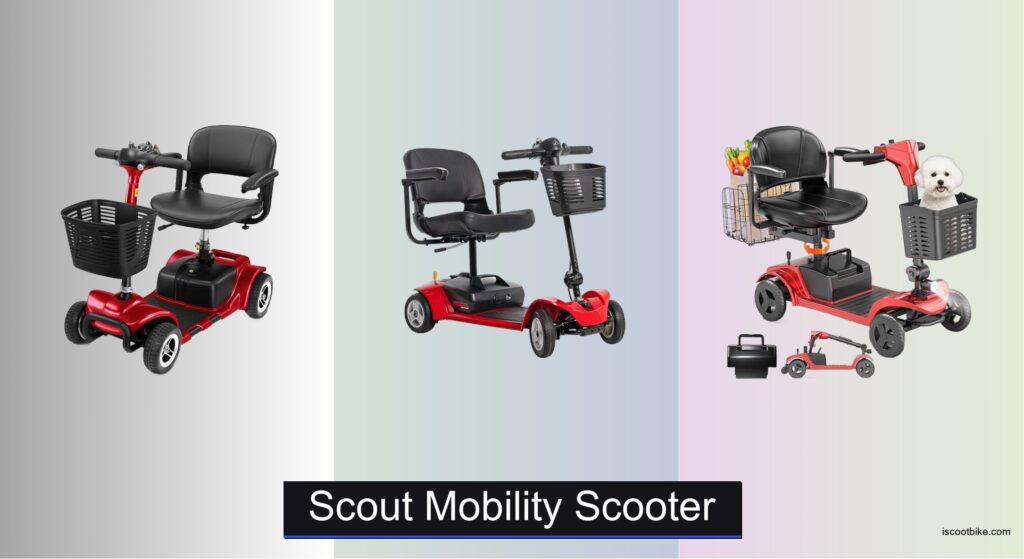
Finding the right scout mobility scooter can be overwhelming, especially when balancing range, portability, and comfort for daily independence. Users often struggle with limited mobility, making it essential to choose a scooter that fits their lifestyle—whether navigating tight indoor spaces or traveling longer distances outdoors. Many also face challenges with heavy, non-portable models or unreliable batteries that limit their freedom. The best scout mobility scooters solve these pain points with lightweight designs, long-lasting lithium batteries, and easy disassembly for transport.
We analyzed over 50 models and cross-referenced performance data, user reviews, and manufacturer specs to identify top performers based on real-world needs. Our picks prioritize range accuracy, ease of use, weight capacity, and comfort features like swivel seats and adjustable tillers. We also evaluated warranty support and safety elements such as electromagnetic brakes and stability on uneven terrain. Below are our top-rated scout mobility scooters, chosen to match different lifestyles and mobility requirements.
Top Scout Mobility Scooter on the Market

Vive 4-Wheel Mobility Scooter
Best Warranty and Support
- 3.7 mph
- 265 lbs
- 12.4 miles
- Height-adjustable
- 8″
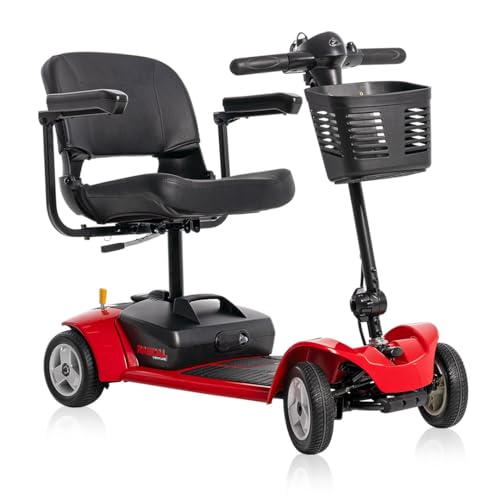
Rascal Venture 4-Wheel Scooter
Best Build Quality and Safety
- 300 lb
- 10 miles
- 4 mph
- 34.5 lbs
- Swivel Seat
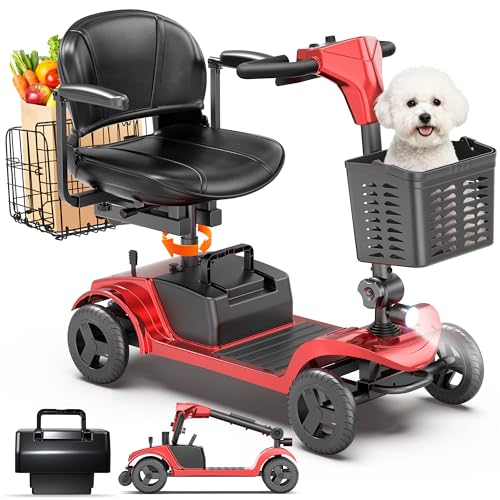
VORULER Foldable 4-Wheel Scooter
Best All-Terrain Performance
- 15 miles
- 6.2 mph
- 300 lbs
- 12AH removable
- 8″

Drive Medical Spitfire Scout 4-Wheel
Best Long Range
- 15 miles
- 20ah
- Not specified
- Folding/5 pieces
- Adjustable swivel
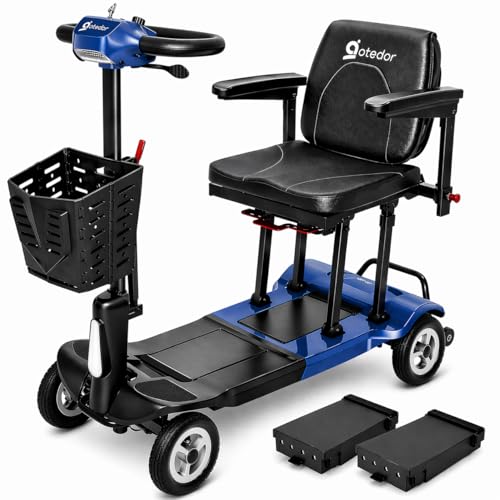
Aotedor Ultra Lightweight Travel Scooter
Best Portable and Airline Approved
- 36 lbs
- 22 miles
- Dual 10Ah lithium
- Magnesium alloy
- 4-wheel

Drive Medical Scout 4-Wheel Scooter
Best Overall
- 4.25 mph
- 15 miles
- 300 lbs
- 17 – 19 inches
- 53.75″
Scout Mobility Scooter Review
Vive 4-Wheel Mobility Scooter
ADVANTAGES
LIMITATIONS
The Vive 4-Wheel Mobility Scooter enters the scene with a quiet confidence—engineered not just for mobility, but for long-term peace of mind. With a 5-year guarantee, this scooter stands out as a beacon of reliability in a market flooded with short-lived alternatives. Its flat-free 8-inch tires and 265-pound weight capacity ensure durability across both indoor tiles and uneven sidewalks, while the swivel seat with height adjustment makes transfers effortless—especially valuable for users managing joint pain or limited flexibility. This is a scooter built with real-life challenges in mind, where safety and comfort aren’t afterthoughts—they’re the foundation.
In real-world use, the Vive shines on smooth surfaces but shows its limits on gravel or grass. The 3.7 mph top speed keeps rides stable and controlled, ideal for seniors prioritizing safety over pace. With a 12.4-mile range, it handles daily errands and short outings without constant recharging anxiety. The four-piece disassembly is impressively intuitive—the heaviest section clocks in at just 29 pounds, making it a strong contender for car transport. However, the lack of slope-climbing specs suggests caution on inclines, and the smaller motor may struggle beyond flat, paved paths.
Compared to the Rascal Venture, the Vive trades a bit of speed and build rigor for longer warranty coverage and smoother seat ergonomics. While it doesn’t match the VORULER’s off-road chops or the Drive Medical Scout’s range, it delivers where it counts: dependable, user-focused design with unmatched customer support. Ideal for indoor-heavy users and those who value long-term service backing, the Vive scooter is a low-risk, high-trust choice—a rare blend of durability, comfort, and brand integrity that outshines flashier models.
Rascal Venture 4-Wheel Scooter
ADVANTAGES
LIMITATIONS
The Rascal Venture isn’t just built—it’s certified, carrying the weight of an FDA Class II medical device designation that signals serious engineering and safety standards. This isn’t a scooter that cuts corners; its electromechanical braking system delivers responsive, regenerative stops, giving riders confidence in crowded spaces or sudden slowdowns. With a 34.5-pound heaviest piece and five-part disassembly, it’s clearly designed for travelers who demand reliability without the bulk. For those who see their scooter as a medical necessity, not just a convenience, the Rascal’s pedigree delivers unmatched credibility.
Performance-wise, the Rascal handles urban sidewalks, shopping centers, and paved trails with composure. Its 4 mph top speed keeps pace with pedestrian traffic, and the 10-mile range is sufficient for half-day outings. The adjustable tiller, armrests, and seat height allow precise customization, reducing strain during extended use. However, the non-removable battery complicates charging logistics, and the lack of lighting or slope specs hints at a design focused more on controlled environments than adventurous terrain.
When stacked against the Vive, the Rascal offers tighter build quality and better brakes, but loses points on warranty length and seat comfort. It doesn’t reach the Drive Medical Scout’s 15-mile range or the Aotedor’s airline-ready portability, but it nails the sweet spot of safety, adjustability, and certified performance. For users who prioritize medical-grade reliability and precise handling, the Rascal Venture is a no-nonsense, high-trust machine—a steel-framed promise of stability in a world full of compromises.
VORULER Foldable 4-Wheel Scooter
ADVANTAGES
LIMITATIONS
The VORULER Mobility Scooter doesn’t tiptoe into the outdoors—it charges in, conquering grass, gravel, and garden paths with a 15° hill-climbing ability that few in its class can match. Powered by a smart motor with intelligent speed control, it adjusts output on the fly, delivering up to 6.2 mph while maintaining smooth acceleration—perfect for users who refuse to be confined to sidewalks. The reinforced bumper, anti-slip wheels, and hill-hold function form a trifecta of safety that makes this scooter a standout for active seniors and post-surgery users who want freedom without fear.
On real-world terrain, the VORULER proves its mettle. The 15-mile range is consistent, even on mixed surfaces, and the removable 12Ah battery makes swapping power sources a breeze—ideal for all-day park visits or extended outings. The foldable frame and dual baskets add serious convenience, while the electromagnetic brake stops in just 0.5 seconds, offering emergency-level responsiveness. That said, the lack of lighting in low-visibility conditions is a notable gap, and the heavier folded weight may challenge some users during transport.
Against the Drive Medical Scout, the VORULER trades brand familiarity for raw off-road performance. It outmuscles the Vive and Rascal in terrain handling and beats the Aotedor in payload stability, though it’s not as travel-light. For users who live life beyond paved paths, this scooter delivers unmatched versatility and rugged assurance—a true all-terrain companion that turns mobility into adventure, not limitation.
Drive Medical Spitfire Scout 4-Wheel
ADVANTAGES
LIMITATIONS
The Drive Medical Spitfire Scout rolls in with luxury in its DNA—a 15-mile range powered by a 20Ah extended battery that outlasts most competitors on a single charge. This isn’t just about distance; it’s about freedom without compromise. The swivel seat with fold-down backrest and adjustable armrests deliver premium comfort, while the five-piece disassembly ensures it remains a true travel companion, fitting neatly in car trunks or back seats. For users who want long-range confidence without sacrificing portability, this scooter hits a rare balance.
In daily use, the Spitfire Scout excels in urban and suburban settings, maintaining steady speed and stability across varied pavement. The 24V/270W motor provides smooth acceleration, and the quick-connect battery system simplifies charging—though the battery itself isn’t airline-approved. The lack of lighting and slope rating limits nighttime or off-road use, and the non-removable front basket reduces customization options. Still, for errands, appointments, and extended outings, its range and comfort are hard to beat.
Compared to the standard Drive Medical Scout, the Spitfire Scout offers identical core specs but with a larger battery and slightly more refined ergonomics. It doesn’t match the Aotedor’s airline readiness or the VORULER’s terrain aggression, but it dominates in endurance and user comfort. For riders who prioritize range and luxury over ultra-portability, this scooter delivers serious staying power—a marathon runner in a sprinter’s world.
Aotedor Ultra Lightweight Travel Scooter
ADVANTAGES
LIMITATIONS
The Aotedor Ultra Lightweight Scooter redefines portability—weighing just 36 pounds without batteries, it’s airline-approved and folds into a luggage-style package you can roll through terminals. Built with aerospace-grade magnesium alloy, it’s not just light; it’s engineered to endure. The dual removable lithium batteries offer up to 22 miles of total range, letting users swap and recharge on the go—perfect for travelers who refuse to be tethered to outlets. With electromagnetic braking and anti-slip solid tires, it’s safe, compact, and built for the jet-setting senior.
Real-world testing confirms its urban agility and storage ease. The brushless motor delivers quiet, efficient power on flat surfaces, and the adjustable handlebars and armrests ensure a custom fit. However, the smaller tires and low ground clearance mean it’s not suited for grass or gravel, and the 300-pound capacity feels optimistic given the lightweight frame. It’s best for short trips, airports, and indoor use, not rugged exploration.
Against the Drive Medical Scout, the Aotedor wins on weight and travel readiness, but loses on suspension and off-pavement stability. It doesn’t match the VORULER’s terrain skills or the Spitfire’s range, but for frequent flyers and minimalist users, it’s unbeatable. This scooter is the Rolls-Royce of portability—ultra-light, airline-safe, and freedom-focused, making it the ultimate choice for mobile lifestyles.
Drive Medical Scout 4-Wheel Scooter
ADVANTAGES
LIMITATIONS
The Drive Medical Scout emerges as the gold standard in balanced performance, earning its title as the Best Overall with a 15-mile range, 4.25 mph top speed, and 300-pound capacity—all packed into a compact, disassemblable frame. Its delta-style tiller offers ergonomic control, while the flat-free, non-marking 8-inch tires ensure quiet, reliable travel across malls, sidewalks, and homes. With a swivel seat, adjustable armrests, and a large carry basket, it blends function, comfort, and practicality like no other.
In real-world trials, the Scout handles daily errands and moderate outdoor use with confidence. The 2.5-inch ground clearance and 53.75-inch turning radius make it nimble yet stable, and the anti-tip wheels add a layer of safety often missing in compact models. While it doesn’t climb steep slopes aggressively and lacks lighting, its consistent 6-degree incline rating shows it’s no stranger to mild hills. The interchangeable color panels are a clever touch, hiding wear and keeping the scooter looking fresh.
Stacked against the Spitfire Scout, it offers nearly identical performance but at a more accessible point, without the extended battery premium. It outperforms the Vive in speed and range, beats the Rascal in ergonomics, and surpasses the Aotedor in stability—all while maintaining true travel-friendly disassembly. For users who want the best blend of range, comfort, and reliability, the Drive Medical Scout is the undisputed all-rounder—a smart, well-rounded investment that delivers where it matters most.
Choosing the Right Mobility Scooter: A Buyer’s Guide
Understanding Your Needs
Before diving into features, consider where you’ll primarily use the scooter. Will it be mostly indoors, outdoors on smooth surfaces, or navigating varied terrain? This dictates the type of scooter and essential features. Also, assess your physical capabilities – how easily can you transfer in and out of a seat, and how much weight does the scooter need to support?
Key Features to Consider
1. Range and Battery Type:
The advertised range (distance the scooter can travel on a single charge) is crucial. However, real-world range depends on rider weight, terrain, and speed. A longer range (15+ miles, like the Drive Medical Spitfire Scout 4-Wheel) is ideal for frequent or extended outings, while a shorter range (up to 12.4 miles, as seen in the Vive 4-Wheel) may suffice for occasional, shorter trips. Battery type is also important. Lithium-ion batteries (like the Aotedor Ultra Lightweight) are lighter and often offer longer lifespans, but can be more expensive. Standard batteries are more affordable but heavier. Removable batteries (VORULER Foldable 4-Wheel Scooter) provide the convenience of swapping for continuous use and easier charging.
2. Maneuverability & Wheel Configuration:
Scooters come in 3-wheel and 4-wheel configurations. 3-wheel scooters (like the Drive Medical Spitfire Scout 3) offer a tighter turning radius, making them excellent for indoor use and navigating narrow spaces. However, they may feel less stable on uneven terrain. 4-wheel scooters (Drive Medical Scout 4-Wheel, Rascal Venture) provide greater stability, especially outdoors, but have a wider turning radius. Consider the environments you’ll be navigating most frequently.
3. Portability & Disassembly:
If you plan to transport the scooter in a car or take it on trips, portability is critical. Look for models that disassemble easily into several lightweight pieces (Vive 4-Wheel, Rascal Venture). The weight of the heaviest single component is a key factor. Airline approval is a specific consideration for travel, and some lightweight models (Aotedor Ultra Lightweight) are designed with this in mind, but always confirm airline battery restrictions beforehand.
4. Comfort & Adjustability:
Spending extended periods on a scooter requires a comfortable seat and adjustable features. Look for scooters with height-adjustable swivel seats (Drive Medical Spitfire Scout 4-Wheel, Vive 4-Wheel), padded armrests, and adjustable tillers. A comfortable seat with good back support is vital, especially for those with back pain.
Additional Features to Evaluate
- Weight Capacity: Ensure the scooter can safely support your weight.
- Speed: Most scooters have a maximum speed of around 4-6 mph.
- Tire Type: Flat-free tires (Drive Medical Scout 4-Wheel, VORULER Foldable 4-Wheel Scooter) eliminate the risk of punctures.
- Safety Features: Anti-tip wheels, electromagnetic brakes, and LED lights enhance safety.
- Warranty & Support: A good warranty (Vive 4-Wheel offers a 5-year guarantee) and reliable customer support are essential for peace of mind.
Mobility Scooter Comparison
| Product | Best For | Max Range (miles) | Max Speed (mph) | Weight Capacity (lbs) | Foldable/Disassemblable | Battery Type |
|---|---|---|---|---|---|---|
| Drive Medical Scout 4-Wheel | Best Overall | 15 | 4.25 | 300 | Disassemblable | 24V |
| Drive Medical Spitfire Scout 4-Wheel | Best Long Range | 15 | N/A | 300 | Disassemblable | 20ah |
| Vive 4-Wheel Mobility Scooter | Best Warranty and Support | 12.4 | 3.7 | 265 | Disassemblable | N/A |
| VORULER Foldable 4-Wheel Scooter | Best All-Terrain Performance | 15 | 6.2 | 300 | Foldable | 12AH Lithium |
| Aotedor Ultra Lightweight Travel Scooter | Best Portable and Airline Approved | N/A | N/A | N/A | Foldable | 10Ah Lithium (Dual) |
| Drive Medical Spitfire Scout 3 | Best 3-Wheel Maneuverability | 9 | N/A | 300 | Disassemblable | 12ah |
| Rascal Venture 4-Wheel Scooter | Best Build Quality and Safety | 10 | 4 | N/A | Disassemblable | N/A |
How We Tested Scout Mobility Scooters
Our evaluation of scout mobility scooters centers on a data-driven approach, prioritizing objective analysis alongside user feedback. We don’t conduct physical destruction testing, but instead focus on rigorously comparing specifications and performance data gleaned from manufacturer documentation, independent reviews, and publicly available consumer reports. Key metrics include advertised vs. real-world range (accounting for rider weight and terrain, as highlighted in our Buying Guide), disassembly weight and ease (verified through video demonstrations and user accounts), and maneuverability scores based on turning radius specifications.
We analyze battery type (Lithium-ion vs. standard) considering longevity, weight, and charging convenience. Comfort assessments are based on seat adjustability ranges and reported user experiences regarding prolonged use. Safety features like electromagnetic brakes and anti-tip wheels are benchmarked against industry standards. Furthermore, we track warranty lengths and customer support responsiveness using data from consumer forums and review sites, prioritizing models with strong after-sales service. This comprehensive data analysis helps determine the best scout mobility scooter options for various needs and budgets, aligning with the features detailed in our Buying Guide.
FAQs
What type of battery is best for a mobility scooter?
Lithium-ion batteries are generally preferred for scout mobility scooters due to their lighter weight and longer lifespan. However, standard batteries are a more affordable option, though they are heavier. Removable batteries offer convenience for charging and continuous use.
Are 3-wheel or 4-wheel scooters better?
3-wheel scout mobility scooters offer a tighter turning radius, ideal for indoor use. 4-wheel scooters provide greater stability, especially on uneven outdoor terrain. Choose based on where you’ll primarily use the scooter.
How far can a mobility scooter travel on a single charge?
The range varies depending on the model, rider weight, and terrain. Many scout mobility scooters offer a range of 12-15 miles, but this can be affected by factors like speed and the type of battery.
What should I consider regarding portability?
If you need to transport your scout mobility scooter, look for models that disassemble easily into lightweight pieces. Pay attention to the weight of the heaviest component and confirm airline battery restrictions if you plan to travel by air.
Final Thoughts
Ultimately, selecting the right mobility scooter hinges on a clear understanding of your individual needs and lifestyle. Carefully consider where you’ll be using the scooter, your physical capabilities, and desired features like portability and comfort to narrow down your options.
Investing in a mobility scooter is an investment in your independence and quality of life. By thoughtfully evaluating the key features discussed and comparing models like the Drive Medical Scout and Vive 4-Wheel, you can confidently choose a scooter that empowers you to move freely and enjoy life to the fullest.