If your Vespa scooter isn’t starting, runs rough, or feels unstable during braking, you’re not alone. Many Vespa owners face recurring mechanical issues, especially as scooters age or suffer from improper maintenance. The good news? Most problems are preventable or fixable with the right knowledge. Whether you’re dealing with a no-start engine, clutch grinding, or planning a full restoration, this guide delivers professional-level Vespa scooter repair insights based on real-world diagnostics and factory-correct procedures.
From routine oil changes done right to diagnosing mysterious stalling and performing DIY clutch work, we’ll walk through every critical phase of Vespa care. You’ll learn how to avoid common mistakes that lead to costly damage, when to replace key components, and what separates amateur repairs from expert-level service.
Initial Break-In and Service Intervals
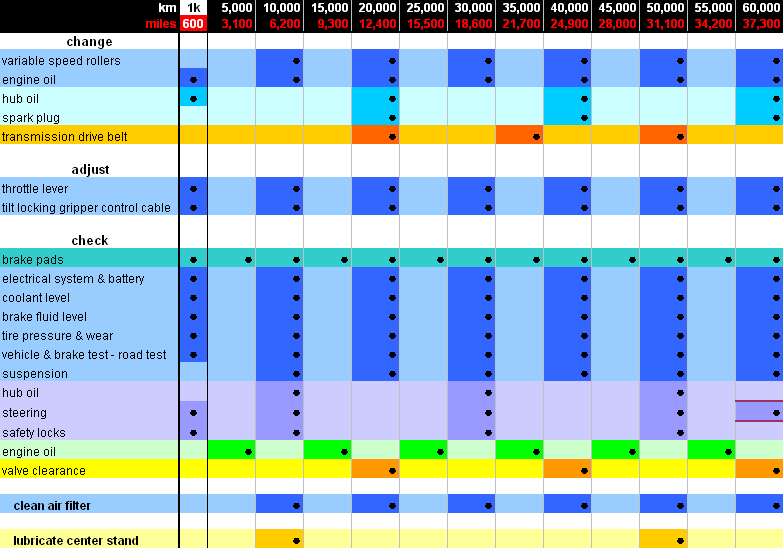
Proper timing for maintenance is the foundation of long-term reliability in any Vespa scooter. Skipping early services or stretching intervals can cause premature wear and expensive failures.
First Service at 625 Miles
The initial break-in service at 625 miles or 4 months is non-negotiable for new or rebuilt engines. This early check removes metal shavings and debris generated during initial engine operation. Skipping it risks embedding contaminants into bearings and cylinder walls, leading to accelerated wear.
During this service, technicians perform these critical tasks:
• Change engine oil using scooter-specific 10W-40 or 15W-50 synthetic
• Inspect air filter and spark plug
• Check valve clearance on 4-stroke models
• Torque all fasteners to factory specs
Using car motor oil here is a common mistake. It lacks the shear stability and additives needed for scooter transmissions and wet clutches.
Routine Maintenance Every 3,000 Miles
After break-in, schedule maintenance every 3,000 miles. While some riders stretch this, real-world conditions demand more frequent attention.
Standard 3,000-mile service includes:
• Engine oil and filter change
• Air filter replacement
• Drive belt inspection or replacement
• Spark plug check and gap adjustment
• Brake fluid flush every other service
• Coolant change on liquid-cooled models like GTS 300
• Valve adjustment every 6,000 miles
Pro Tip: Always use a torque wrench. Hand-tightening bolts on exhaust manifolds, cylinder heads, or clutch covers leads to leaks or warping.
Diagnosing No-Start Conditions
When your Vespa won’t start, don’t guess. Diagnose systematically. Most no-start issues stem from poor maintenance, not complex electrical faults.
Check Spark and Compression First
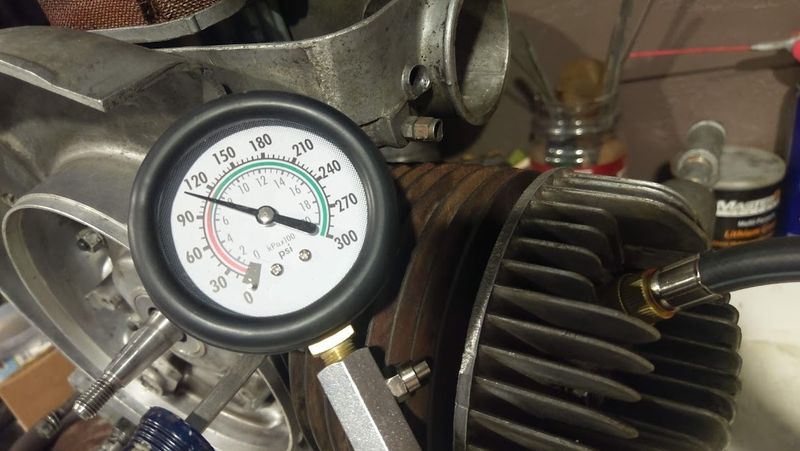
Begin with two fundamental tests. First, perform a spark test by removing the spark plug, reconnecting it to the boot, and grounding it against the engine. Crank the engine and look for a strong blue spark. Second, use a compression gauge. Most 4-stroke Vespas like the GTS 300 should read 120 to 160 psi when warm.
No spark means the problem lies in the ignition system. Low compression could indicate worn piston rings or valve issues.
Verify Fuel Delivery
If spark and compression are good, the issue is likely fuel-related.
For carbureted models like PX, Primavera, and Sprint:
• Remove the float bowl and check for debris
• Ensure the fuel valve is allowing flow
• Clean the main jet with carb cleaner and compressed air
For fuel-injected models like GTS and ET4:
• Listen for the fuel pump priming when you turn the key
• Check for clogged injectors or improper installation
• Use an OBD2 scanner to pull error codes
Warning: Never assume the battery is dead. A weak battery may crank slowly, but if the starter spins fast and nothing happens, focus on fuel or spark.
Rule Out Bad Oil Practices
One of the top causes of engine failure is improper oil changes. Tipping the scooter on its side leaves sludge in the crankcase. Using car oil breaks down under high RPM and heat, leading to clutch slippage and bearing wear.
Always drain oil with the scooter upright, and use JASO MB-rated scooter oil.
Fixing Clutch and Drivetrain Issues

Rough stops, grinding noises, or slipping under acceleration often point to clutch or belt problems, especially on modern Vespas like the GTS 300.
Diagnose Clutch Bell Wear
A rocky stop or vibration when decelerating is a red flag for clutch bell wear.
To inspect:
- Lift the rear wheel using a scissor jack
- Remove the right-side cover
- Spin the rear wheel and watch the clutch assembly
Look for deep grooves or scoring inside the clutch bell, misaligned or wobbling clutch shoes, and burnt smell or discolored metal. If you see grinding marks, the clutch hub or bell is worn and must be replaced.
Replace the Drive Belt Properly
Even if the belt looks fine, replace it every 6,000 to 9,000 miles. A stretched belt reduces acceleration and top speed.
Steps to replace:
- Drop the motor slightly by removing the lower shock bolt
- Lift the rear with a jack to pivot the engine down
- Remove the clutch cover and slide off the old belt
- Install the new belt, ensuring it sits flush in both pulleys
- Reassemble and torque all bolts
Never reuse old rollers or variator weights. They wear unevenly and cause imbalance.
Perform DIY Repairs Safely
You don’t need a shop lift to work on your Vespa. With the right tools and technique, you can perform major repairs at home.
Lift with a Scissor Jack
The 22mm socket scissor jack is essential for DIY Vespa work.
Rear lifting steps:
- Place the jack under the rear tail section, just behind the license plate
- Raise only 1 to 2 inches, just enough for the wheel to spin freely
- Stop before the center stand goes vertical. Over-lifting causes it to flip up and destabilize the scooter
For clutch or engine work, reposition the jack under the motor casting near the rear of the block.
Drop the Motor for Clutch Access
To access the clutch without full engine removal:
- Remove the lower rear shock bolt
- Slowly raise the rear with the jack
- The engine will pivot downward, exposing the clutch cover
This method also helps when replacing the rear tire or shock.
Stabilize the Front End
For fork or center stand work:
- Use a tie-down strap across a frame crossmember
- Protect paint with rags or foam
- Lift slowly. The center stand will retract and hold the scooter steady
- Add a wooden wheel chock for extra security
Restore Frame and Body Like a Pro
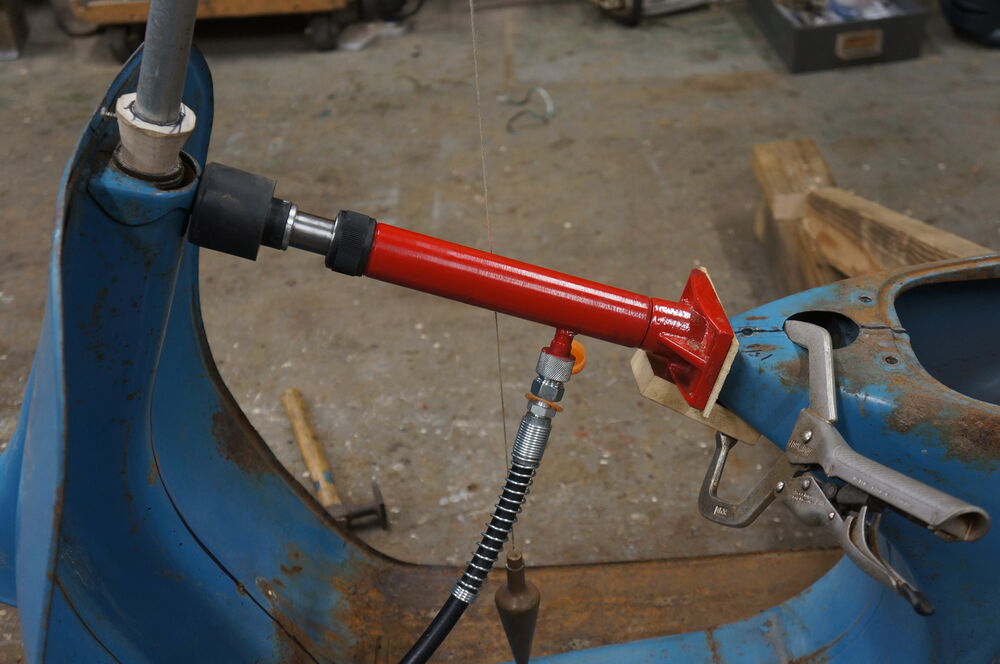
A scooter’s structure affects both safety and ride quality. Vintage models often need frame repairs due to rust or crash damage.
Repair Fatigued Frames
Professional frame restoration includes cutting out rusted sections and welding in new metal, using jigs to maintain alignment which is critical for handling, and stress-relieving welds to prevent cracking. Misaligned frames cause uneven tire wear and unstable steering.
Refinish Paint and Handle Insurance Claims
For accident-damaged scooters, choose a shop experienced in Vespa-specific bodywork. They should coordinate directly with insurance providers to ensure OEM-level repairs. Demand factory-correct panel gaps and paint matching.
Even minor dents affect aerodynamics and value. Do not settle for close enough.
Avoid Shop Malpractice
Not all repair shops deliver quality work. Know what separates professional service from risky shortcuts.
Spot Dangerous Shortcuts
Red flags in poor repairs include hand-tightened fasteners on exhaust, clutch, or suspension, tipping the scooter on its side to drain oil which leads to incomplete drainage and sludge buildup, and pouring used oil into plastic bags which is illegal and environmentally harmful.
Always ask: Do you use a torque wrench? Do you dispose of oil properly?
Demand OEM Parts and Factory Training
Top shops use original equipment manufacturer parts whenever possible, factory-trained technicians familiar with Piaggio Group electronics, and torque specs from official diagrams, not guesswork.
Ask about technician experience. 20 or more years of Vespa-only service is ideal.
Choose the Right Service Model

Whether you own a vintage PX or a modern GTS, selecting the right shop matters.
Vintage Models Need Specialists
For PX, Sprint, Rally, Super, and Primavera models, seek shops specializing in carburetor tuning and two-stroke rebuilds. Ensure they use year-specific parts and diagrams. Look for frame-off restoration experience.
General motorcycle shops often lack the tools or knowledge for vintage scooters.
Modern Scooters: Watch for Electronic Errors
On GTS 300 and ET4 150 models, fuel injection issues are common, especially improperly installed injectors. Clutch system complexity requires precise alignment. Use shops with OBD2 diagnostic tools for error code reading.
Avoid dealerships that only service scooters under 10 years old. They may lack deep expertise.
Manage Service Logistics Smartly
Know the policies before dropping off your scooter to avoid surprises.
Understand Deposits and Cancellation Fees
A $50 deposit is standard to book service. Cancel within 24 hours or lose the deposit. Pick up within 48 hours of completion or pay $85 per day storage.
Plan ahead to avoid fees.
Use Pre-Purchase Inspections
Before buying a used Vespa, pay for a pre-purchase inspection. Technicians will uncover hidden issues like worn clutches or frame cracks. This can save you hundreds in future repairs.
Always inspect the service history and oil condition.
Optimize Your Workspace
For long-term projects, set up a professional-grade workspace at home.
Build a Chest-Height Workbench
Mount your scissor jack on a sturdy bench. This eliminates back strain, allows precise work on engine, frame, or suspension, and makes cleaning and detailing easier. Secure the scooter with straps and chocks.
Stock Essential Tools
Every DIY Vespa mechanic needs these tools:
• 22mm socket scissor jack
• Torque wrench in the 10 to 100 in-lb range
• Spark plug gap tool
• Compression tester
• OBD2 scanner for fuel-injected models
• Carb cleaning kit with ultrasonic tank
Buy from authorized Vespa dealers for quality tools.
Frequently Asked Questions About Vespa Scooter Repair
How often should I change the oil on my Vespa?
Change oil at 625 miles for the break-in service, then every 3,000 miles thereafter. Always use scooter-specific oil, never car motor oil.
Why won’t my Vespa start even though the battery is good?
Check spark and compression first. If both are good, verify fuel delivery. Many no-start issues stem from thick, sludgy oil caused by improper oil changes or tipping the scooter on its side.
What causes a rocky stop on a Vespa GTS 300?
A rocky stop typically indicates clutch bell wear. Inspect the clutch assembly for grinding marks, scoring, or misalignment. The clutch bell and potentially the clutch hub require replacement.
Can I work on my Vespa without a professional lift?
Yes. Use a 22mm socket scissor jack positioned under the rear tail section. Raise only 1 to 2 inches and stop before the center stand goes vertical to prevent the scooter from falling.
How do I know if a repair shop is trustworthy?
Ask if they use torque wrenches and OEM parts. Avoid shops that tip scooters on their side to drain oil or hand-tighten critical fasteners. Look for 20 or more years of Vespa-specific experience.
What is a pre-purchase inspection and is it worth it?
A pre-purchase inspection costs $100 to $200 and uncovers hidden issues like worn clutches, frame cracks, or poor prior maintenance. It can save you from expensive repairs after buying a used Vespa.
Key Takeaways for Vespa Scooter Repair
Proper Vespa scooter repair isn’t just about fixing problems. It’s about preventing them. Stick to strict service intervals at 625 miles for break-in and every 3,000 miles for routine maintenance. Use the right JASO MB-rated scooter oil and never tip your scooter on its side to drain oil. Torque every bolt to factory specs and inspect the clutch regularly for signs of wear.
Whether you’re doing repairs yourself or choosing a professional shop, demand factory-correct standards. Look for OEM parts, factory-trained technicians, and proper diagnostic tools. For vintage models like PX and Primavera, seek specialists with carburetor expertise. For modern GTS 300 scooters, ensure the shop has OBD2 diagnostic capability.
With the right care, your Vespa will deliver smooth, reliable rides for years, just like the day it rolled off the showroom floor.