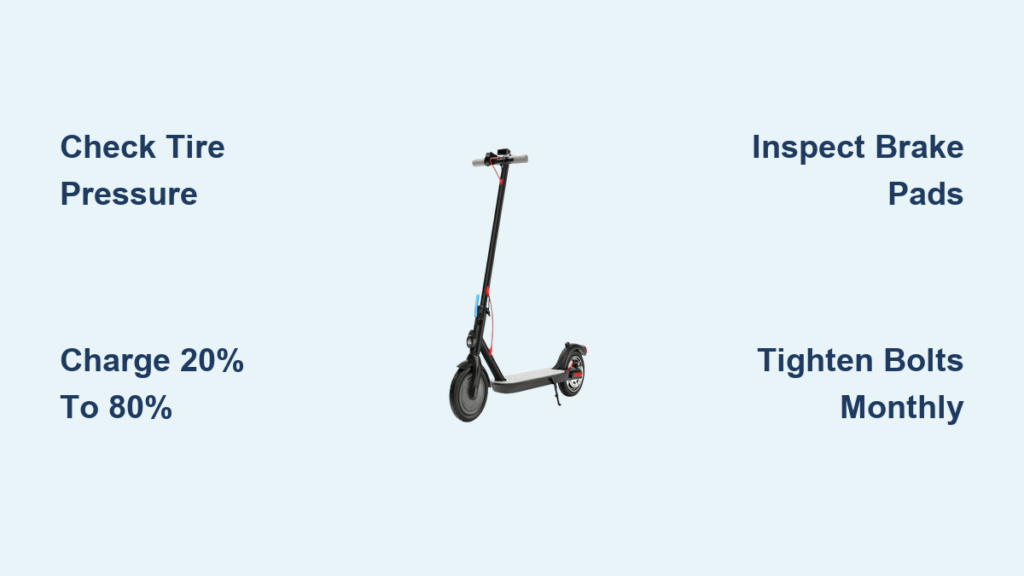
You rely on your electric scooter for quick commutes, last-mile trips, or weekend adventures. But like any high-performance machine, it does not last long without proper care. While e-scooters skip the oil changes and spark plugs of gas-powered vehicles, they depend on delicate systems, including lithium-ion batteries, precision motors, electronic controllers, and structural joints that degrade under vibration, weather, and daily wear.
Neglect leads to shorter range, sluggish brakes, and sudden breakdowns. But research shows a disciplined electric scooter maintenance routine can extend its life by 30% to 50%, turning an 18-month lifespan into 3 to 4 years of reliable use. This guide delivers a step-by-step breakdown of everything you need to know, from tire pressure to battery storage, to keep your scooter running like new.
Optimize Battery Longevity

Your scooter’s battery is its most expensive component. Treat it right, and it will deliver years of solid performance. Abuse it, and you will face early replacement costs.
Charge Between 20% and 80%
For daily use, avoid charging to 100% or draining to 0%. Keeping the battery between 20% and 80% reduces chemical stress and slows degradation. Full 0% to 100% cycles should be rare because partial charges are better for long-term health.
Avoid Extreme Temperatures
Charge only in 10°C to 30°C environments. Heat accelerates cell aging. Cold reduces capacity and can cause permanent damage if you charge a frozen battery. In winter, keep your scooter above 50% charge because range can drop 20% to 30% in freezing temps.
Use the Original Charger Only
Third-party chargers often lack precise voltage control. A difference of just 1 to 2 volts can fry your battery pack. Always use the manufacturer-supplied charger. Modern Battery Management Systems prevent overcharging, but unplugging after full charge is still best practice.
Store at 40% to 60% Charge
If storing your scooter for weeks or months, leave the battery at 40% to 60%. This prevents deep discharge, which can kill cells. Store indoors in a cool, dry place. If your model supports it, enable storage mode or disconnect the battery.
Maintain Proper Tire Pressure
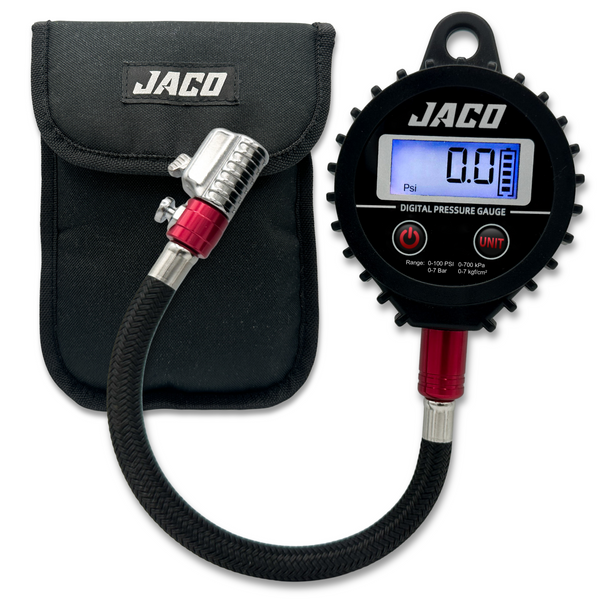
Tires are your only contact with the road. Under-inflated tires sap range, dull handling, and increase flat risks.
Check PSI Weekly
Most scooters need 40 to 65 PSI. Check your manual for exact specs. Use a digital gauge for accuracy. Pneumatic tires lose air naturally, so inspect before every ride or at least weekly.
Recognize Wear and Damage
Look for cracks or dry rot on sidewalls. Check for embedded glass, nails, or debris. Watch for flat spots from prolonged storage. Replace tires every 6 to 12 months, depending on mileage and terrain.
Carry a Repair Kit
A flat can be fixed in 15 minutes with a portable air pump, tire levers, and a spare inner tube. Upgrade to premium tires like PMT for better durability and grip on rough roads.
Ensure Brake System Safety
Faulty brakes double stopping distances. Regular checks are non-negotiable.
Inspect Mechanical Brakes Monthly
Most scooters use cable-actuated disc or drum brakes. Cables stretch over time, leading to soft lever feel. Use the barrel adjuster near the lever to take up slack. Replace pads when under 1 to 2mm. Typical lifespan is 500 to 1,500 miles.
Service Hydraulic Brakes Properly
Hydraulic systems offer superior stopping power but require bleeding to remove air. Check fluid levels periodically. Use a mineral oil bleed kit to restore firmness. Avoid oil contamination on discs or pads.
Test Brakes Weekly
Squeeze each lever firmly. The scooter should not roll. Test stopping power at low speed. If brakes feel weak or spongy, inspect immediately.
Secure Structural Bolts and Joints

Vibration loosens fasteners. A single loose bolt can lead to catastrophic failure.
Tighten Critical Bolts Monthly
Check the stem and neck area, including top and bottom screws plus the anchor bolt underneath. Verify handlebar clamps are snug to prevent wobble. Ensure wheel nuts are tight to avoid detachment. Check fender screws because they loosen easily from vibration.
Lubricate Folding Mechanisms
The stem hinge is a high-stress point. Apply silicone-based lubricant monthly. Open and close the stem to check for wobble. Ensure the locking pin or latch engages fully. A loose folding joint can collapse mid-ride, so test it every month.
Care for Suspension Components
Suspension absorbs road shocks and improves control. Neglect leads to stiff rides and instability.
Inspect Suspension Screws
Check mounting screws regularly. Loose units can shift during riding, affecting steering.
Replace Rubber Cartridges Every 6 Months
Rubber dampers degrade with temperature and UV exposure. Replace them when they harden or soften.
Install a Steering Damper
For high-speed stability, add a steering damper to reduce wobbles caused by road vibrations.
Keep Electrical Systems Functional

Lights, throttle, and controller keep your scooter smart and safe.
Test Lights Weekly
Check the front headlight, rear brake light, turn signals if equipped, and deck or accent lights. If lights fail, check battery charge level, wiring connections at the display, and corrosion on terminals.
Fix Throttle Issues Fast
If the throttle stutters or cuts out, the first step is to disconnect and reconnect the handlebar throttle plug because vibration loosens it. Persistent issues likely indicate a faulty hall sensor that requires replacement.
Protect the Controller
The controller manages power delivery. Avoid water exposure and overheating. Some models allow firmware updates via app to improve performance and monitor temperature.
Clean Safely and Effectively
Cleaning preserves your scooter, but done wrong, it causes water damage.
Never Use a Pressure Washer
Most scooters are IP54 rated, meaning splash resistant, not waterproof. High-pressure water can penetrate cable joints, controller housing, throttle sensors, and battery ports. This can void warranties and cause permanent electrical failure.
Clean with a Damp Cloth
Use a microfiber cloth, mild soap and water, a soft brush for wheel wells, and compressed air for debris. Wipe down the display gently and avoid alcohol-based cleaners.
Dry Thoroughly Before Charging
Moisture near connectors risks short circuits. Always dry the scooter completely after cleaning or rain exposure.
Store Your Scooter Properly
Where and how you store your scooter affects battery health and structural integrity.
Store Indoors, Away from Sunlight
UV rays degrade plastics and heat the battery. Avoid garages or balconies with direct sun.
Avoid Temperature Extremes
Do not leave your scooter in freezing cold or hot cars. Ideal storage is 15°C to 25°C.
Elevate Tires for Long Storage
Use a stand to lift wheels off the ground. This prevents flat spots and tire deformation.
Follow a Maintenance Schedule

Sticking to a routine prevents surprises.
Before Every Ride
Check tire pressure, test brakes and lights, and look for loose bolts or damage.
Weekly
Inflate tires to spec, wipe down frame and wheels, and test all lights and throttle.
Monthly
Tighten stem, handlebar, and fender bolts. Lubricate the folding hinge. Inspect brake pads and suspension. Check for frayed wires or connector damage.
Every 3 to 6 Months
Deep clean and dry, replace brake pads if worn, evaluate tire condition, and assess battery health by comparing current range to baseline.
Annually or As Needed
Seek professional service for motor bearings, controller issues, or firmware updates. Replace the battery if capacity drops below 70%.
Know When to DIY vs. Seek Help
Some tasks are safe to do yourself. Others require professionals.
DIY-Friendly Repairs
Cleaning and drying, tire inflation and flat repair, brake pad replacement, bolt tightening and lubrication, and light bulb replacement are all manageable for most owners.
Professional Repairs Only
Battery replacement involves high-voltage risk. Controller calibration requires diagnostic tools. Motor bearing replacement needs hub disassembly. Wiring repairs require soldering and waterproofing. Hydraulic bleeding is best left to professionals. Persistent error codes indicate internal faults.
Rule of thumb: If repair costs exceed 50% of a new scooter price, consider upgrading instead.
Upgrade for Safety and Performance
Enhance your ride with smart accessories.
Essential Safety Gear
A helmet is non-negotiable. Choose ventilated, certified models. Gloves with reinforced palms provide grip and crash protection. Knee and shin guards are especially important for off-road or high-speed models. Riding boots offer ankle support and toe protection.
Stability Upgrades
Wide handlebars provide better control. Steering dampers reduce high-speed wobbles. PMT tires offer superior grip and puncture resistance.
Carry a Repair Kit
Pack a portable pump, adjustable wrench, spare inner tube, and a multi-tool like Fix-It Stick.
Troubleshoot Common Problems
Reduced range usually stems from low tire pressure, cold weather, or an aging battery. Inflate tires, charge to 80%, and avoid deep discharges.
Throttle stutter comes from a loose connector or faulty hall sensor. Reconnect the throttle plug and replace if the issue persists.
Weak brakes result from worn pads, stretched cables, or air in the system. Adjust the cable, replace pads, or bleed hydraulics.
Grinding noise indicates debris in the wheel or bad bearings. Remove the object and inspect the motor, which may need professional repair.
Lights not working often means a loose wire or low battery. Check connections, charge the battery, and replace LEDs if needed.
Speed drops occur from low battery or under-inflated tires. Charge fully, check PSI, and consult a technician if the problem continues.
Frequently Asked Questions About Electric Scooter Maintenance
How often should I charge my electric scooter battery?
Keep your battery between 20% and 80% for daily use. Avoid full 0% to 100% cycles regularly because partial charges are less stressful on cell chemistry and extend battery life.
Can I use a pressure washer to clean my electric scooter?
No. Most scooters are IP54 rated, meaning splash resistant, not waterproof. Pressure washers can force water into cable joints, the controller, and battery ports, causing permanent damage and voiding your warranty.
How do I know when to replace brake pads?
Replace brake pads when thickness falls below 1mm to 2mm. Typical lifespan is 500 to 1,500 miles, depending on riding style and conditions. Warning signs include squealing noises, reduced stopping power, or needing to pull the lever all the way.
What temperature is safe for charging my scooter?
Charge only in environments between 10°C and 30°C. Extreme heat accelerates battery degradation, while cold can cause permanent damage if you charge a frozen battery.
How long do electric scooter batteries last?
Quality lithium-ion batteries are rated for 300 to 1,000 full charge cycles, typically lasting 2 to 5 years with proper care. Following good charging habits and avoiding extreme temperatures maximizes lifespan.
Key Takeaways for Electric Scooter Maintenance
Consistent electric scooter maintenance is not about fixing problems; it is about preventing them. By following these steps, you will maximize safety, extend lifespan, and enjoy every ride with confidence. Treat your scooter like the precision machine it is, and it will return the favor with years of smooth, reliable performance. Prioritize battery care by keeping charge between 20% and 80%, avoid extreme temperatures, and always use the original charger. Check tire pressure weekly, inspect brakes monthly, and tighten structural bolts regularly to prevent catastrophic failures. When in doubt about complex repairs like battery replacement or controller issues, seek professional help rather than risking further damage.