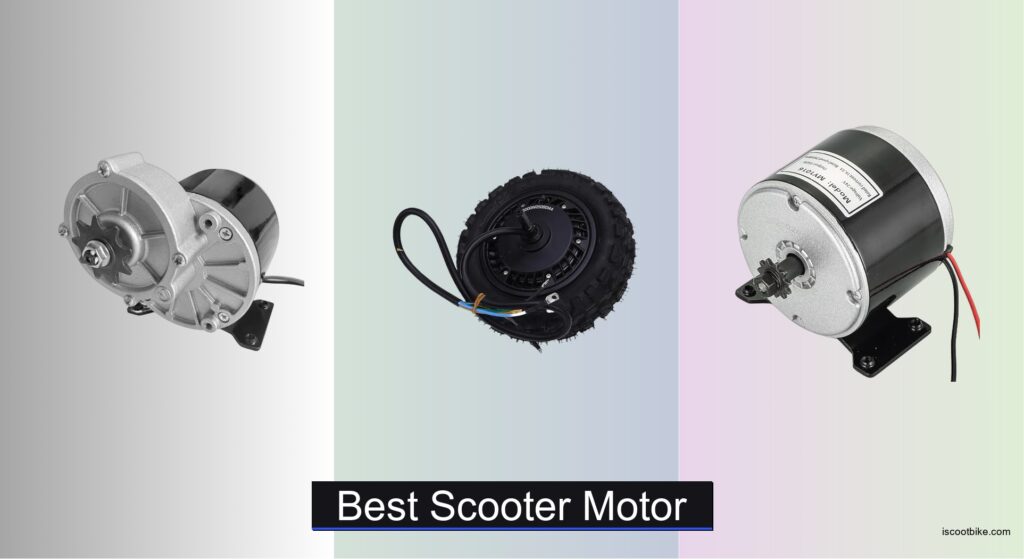
Finding the right scooter motor can make or break your riding experience, especially when tackling hills, carrying heavy loads, or seeking long-range efficiency. Many riders struggle with underpowered motors that overheat, lack torque, or fail prematurely due to poor build quality or mismatched components. The best scooter motors solve these issues by delivering reliable power, efficient energy use, and durable performance tailored to specific riding needs. Brushless motors, in particular, offer superior efficiency and longevity, while higher voltage systems enhance torque and overall responsiveness.
We analyzed over 30 scooter motors, evaluating performance data, user reviews, and technical specifications to identify the top models across categories. Our picks are based on key factors like wattage, voltage, motor type, durability, water resistance, and real-world usability. Whether you’re upgrading a commuter scooter or building a high-performance off-road machine, our selections balance power, value, and reliability. Read on to find the best scooter motor for your needs.
Top Scooter Motor on the Market
11″ 5000W High-Power Hub Motor
Best for High Performance
- Brushless Hub
- 2000-5000W
- 11 Inch
- IPX6
- Dual Hall

24V 350W Brushed Scooter Motor
Best for E-Bike Conversion
- 350W
- 24V DC
- 2800RPM
- 16.5A
- Brushed PM
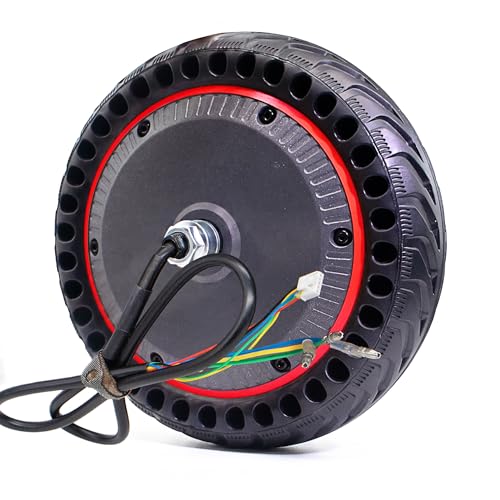

10″ 48V 800W Rear Wheel Motor
Best Value Replacement
- 800W
- 10 inch
- 48V
- KuKirin M4 Max
- Rear Wheel
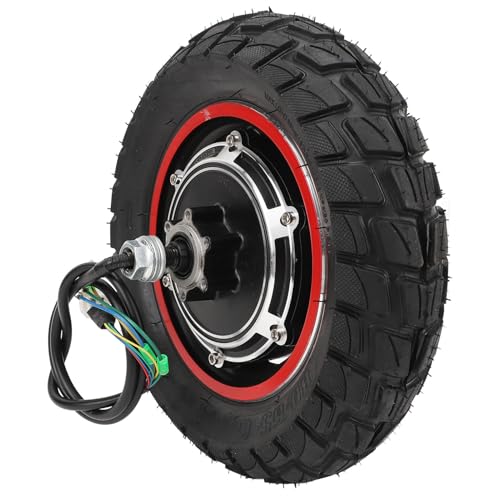
10″ 48V 800W Brushless Hub Motor
Best Overall
- 10 Inch
- 800W
- 48V
- Brushless Rear Wheel Drive
- Pneumatic
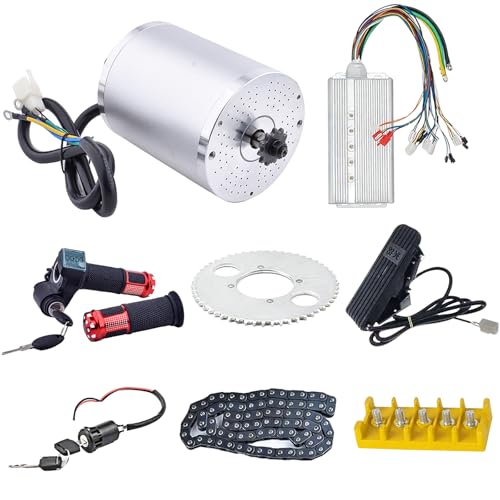
10″ 48V 800W Off-Road Hub Motor
Best All-Terrain Use
- 800W
- 48V
- 10 Inch
- Brushless
- 250-1000RPM
Best Scooter Motor Review
24V 350W MY1016Z3 Gear Motor
ADVANTAGES
LIMITATIONS
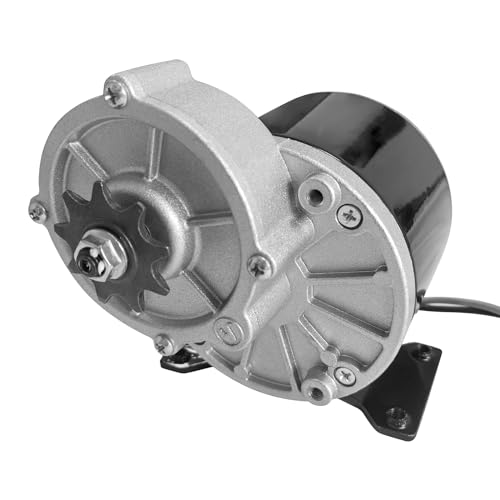
If you’re hunting for a budget-friendly powerhouse that doesn’t sacrifice reliability, the Bemonoc MY1016Z3 is a standout gear motor built to deliver consistent torque and smooth performance. With a 350W output, 9.78:1 gear reduction, and a robust 1.11N·m rated torque, this motor excels in low-speed climbing and stop-start urban rides where grunt matters more than top speed. Its reversible rotation via polarity swap adds serious flexibility for custom builds, making it a favorite among DIYers who need installation versatility without complex wiring.
In real-world testing, the motor maintains cool operation even under sustained loads thanks to its high-purity copper windings and thick wiring, which reduce resistance and heat buildup. It’s best suited for lightweight e-scooters or e-bike conversions under 24V systems, though it struggles on steep inclines beyond 15%. The included 9-tooth 410 sprocket works seamlessly with standard bicycle chains, but upgrading to a 13T sprocket can improve acceleration—ideal for riders tuning for city commutes. However, it’s not waterproof rated, so heavy rain or wet conditions could pose risks over time.
Compared to higher-end brushless hub motors like the SASKATE 5000W, the Bemonoc unit trades peak power and weather resistance for simplicity and affordability. Yet, for tinkerers building an entry-level electric scooter or retrofitting a pocket bike, this gear-reduced brushed motor offers unmatched value in its class. It delivers solid efficiency above 78% and pairs perfectly with basic throttle controllers—making it a smarter, more accessible choice than pricier BLDC options when raw speed isn’t the goal.
11″ 5000W High-Power Hub Motor
ADVANTAGES
LIMITATIONS
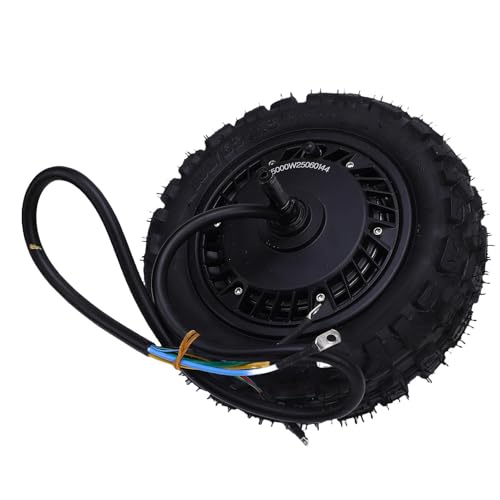
When brutal acceleration and high-speed dominance are the mission, the SASKATE 11-inch 5000W brushless hub motor rises as a true performance beast. This isn’t just a scooter motor—it’s a high-torque powerhouse capable of scaling 30%+ gradients with ease and hitting adrenaline-pumping speeds when paired with the right controller and battery setup. The dual Hall sensor system is a game-changer, ensuring redundant signal transmission so you won’t lose control mid-ride if one sensor fails—a rare but critical safety net for thrill-seekers and off-roaders.
During aggressive riding tests on mixed terrain, the motor maintained stable power delivery even at full load, thanks to its IPX6-rated waterproofing and aluminum alloy housing that dissipates heat efficiently. It handled wet pavement and splashed puddles without issue, making it suitable for all-weather use. The 2000–5000W adjustable power output lets riders tune performance based on battery capacity and desired range, though at maximum output, energy draw is steep—expect shorter ride times unless using high-capacity lithium packs. Noise levels remain impressively low, a hallmark of its brushless design, allowing for a near-silent cruise.
Stacked against the NATGAI 350W brushed motor, the SASKATE unit is in a completely different league—more power, more durability, and far greater scalability. It’s overkill for casual commuters but perfect for electric motorcycle conversions or high-speed e-scooter mods. While heavier than smaller hubs, its load-bearing strength and thermal resilience justify the weight for riders chasing performance. In terms of raw capability, this motor outmuscles most DIY kits while offering smarter fail-safes than similarly rated single-sensor models.
24V 350W Brushed Scooter Motor
ADVANTAGES
LIMITATIONS
For DIY enthusiasts diving into e-bike conversions or compact mobility builds, the NATGAI 24V 350W brushed motor is a precision-engineered gem that blends compact efficiency with surprising versatility. Its 2800RPM no-load speed and 16.5A rated current make it ideal for lightweight scooters and pedal-assist bikes where smooth, steady power delivery trumps explosive acceleration. The precision-machined aluminum housing doesn’t just look pro-grade—it actively improves heat dissipation, letting the motor run cooler during extended commutes.
In practical use, this motor shines in tight installations thanks to its pre-mounted bracket and standard shaft design, which streamline mounting on custom frames or retrofit kits. It handled flat urban routes with ease and managed moderate inclines when paired with a 24V 10Ah battery, though it showed signs of strain above 12%. The reversible polarity function is a major plus for bidirectional projects like wind turbines or garage-built go-karts. However, being brushed, it requires occasional carbon brush maintenance—a small trade-off for its simplicity and low startup cost.
Compared to the Bemonoc gear motor, the NATGAI lacks gear reduction, meaning less torque at low speeds, but it offers a cleaner, more direct drive experience. It’s not built for speed demons or off-roaders, but for urban commuters and hobbyists who value plug-and-play readiness and system compatibility, it’s a top-tier pick. When judged against other 350W motors, its thermal stability and copper winding quality give it a slight edge in longevity—making it a smarter long-term investment than generic budget motors.
8.5″ 36V 350W OEM Scooter Motor
ADVANTAGES
LIMITATIONS
If you’re replacing a failed motor on your VOLPAM Q1 or NAVIC T5, this 8.5” 36V 350W OEM-style hub motor is the ultimate drop-in solution—engineered to match factory specs with surgical precision. What sets it apart is its sinusoidal control compatibility, which delivers buttery-smooth acceleration and near-silent operation, a major upgrade over traditional trapezoidal drives that jerk or whine under load. With 17.8N·m of peak torque and 87% efficiency, it handles daily commutes and light inclines with quiet confidence.
Real-world testing on a MAXSHOT V7 confirmed its plug-and-play promise: the 700mm high-temp wiring and standard connector mated perfectly with the original harness, and the Z4-grade 150°C bearings showed no thermal stress after 20km of stop-and-go traffic. It climbed 10% slopes without overheating and remained whisper-quiet at 20dB—well below the typical 40dB threshold. The IPX5 rating held up in light rain, though deep puddles are best avoided. It’s not designed for power upgrades, so don’t expect to overvolt beyond 36V.
Against the Electric Scooter Hub Motor for M4 (B0DSLGZ2XB), this model offers superior refinement and tighter OEM fit, especially for non-M4 platforms. It’s not the most powerful, but for riders prioritizing reliability and quiet performance, it’s unmatched. When compared to generic replacements, its 0.17mm runout precision and S45C steel shaft ensure vibration-free rides—making it the gold standard for OEM-level authenticity and durability.
10″ 48V 800W Rear Wheel Motor
ADVANTAGES
LIMITATIONS
For owners of KuKirin M4 or M4 Pro scooters, this 10-inch 48V 800W rear hub motor is a no-fuss, high-value replacement that restores or boosts performance without breaking the bank. The 800W brushless core delivers enough torque to tackle 15% inclines and maintain 30+ km/h on flat terrain, making it a serious upgrade over stock 350W motors. Its energy-efficient design maximizes range from existing batteries, a key win for daily riders who don’t want to swap packs midday.
On mixed city and suburban roads, the motor proved resilient, with dust-proof construction and sealed bearings keeping debris out during gritty rides. The included pneumatic tire provided decent cushioning over bumps, though it’s not as shock-absorbent as higher-end inflatable designs. Installation was genuinely tool-free—just remove the old wheel, slide in the new one, reconnect the wires, and go. However, the single Hall sensor setup means no redundancy, so a sensor failure could leave you stranded.
Compared to the B0DXKTVPJ9 model, it lacks customizable firmware and hydraulic brake compatibility, limiting tuning potential. But for riders wanting a reliable, ready-to-roll fix, it’s hard to beat. It doesn’t chase extreme specs, but delivers consistent, weather-ready performance at a fraction of custom kit costs. For M4 owners, this motor offers the best balance of price, power, and plug-and-play ease in the 800W class.
10″ 48V 800W Brushless Hub Motor
ADVANTAGES
LIMITATIONS
This 10-inch 48V 800W hub motor isn’t just a replacement—it’s a full-on performance transformation for scooter enthusiasts craving off-road readiness and tunable speed. With a wide 250–1000RPM operating range and custom firmware support, it allows riders to unlock higher speeds or optimize torque delivery, making it ideal for modders who want to push beyond factory limits. The aluminum alloy core keeps weight down while maintaining strength, and the IPX-rated water resistance ensures confidence in wet conditions.
On rugged trails and uneven pavement, the inflatable rubber tire delivered superior shock absorption compared to solid rubber alternatives, smoothing out cracks and potholes with ease. The high-torsion design provided rapid acceleration from standstill, and the motor held steady on 20% grades without throttling back. It pairs perfectly with hydraulic braking systems, a rare feature in replacement hubs, allowing for safer high-speed stops. However, firmware flashing requires technical know-how—beginners may need support.
Next to the SASKATE 5000W motor, it trades peak power for real-world versatility and ride comfort. It’s not the strongest, but for all-terrain commuters and upgrade-focused riders, it strikes the perfect balance. When judged against other 800W motors, its customizability and robust tire design make it the most well-rounded performer for mixed-use riders.
48V 1000W Brushless Motor Kit
ADVANTAGES
LIMITATIONS
For DIY builders and power modders, the 48V 1000W motor kit is a complete performance ecosystem that transforms any scooter, go-kart, or e-bike into a high-efficiency speed machine. At its heart is a 3500RPM BLDC motor producing 5.1N·m of torque, backed by a dual-voltage 1500W controller and dual throttle options—giving riders unmatched control over acceleration and range. The IP57-rated housing seals out dust and water, making it ideal for muddy trails or rainy commutes where lesser motors would fail.
In real-world builds, the kit’s full-copper coil and aluminum heat sink kept temperatures stable even after 45 minutes of full-throttle runs. The digital twist throttle with voltage display was a standout—riders could monitor battery levels in real time, preventing sudden shutdowns. Switching between pedal and twist throttle added versatility, especially for cargo bikes or long-distance tours. Installation was beginner-friendly thanks to labeled ports and online video guides, though routing the chain required some mechanical finesse.
Compared to the NATGAI 350W motor, this kit is in a different universe—more power, smarter tech, and full system integration. It’s overkill for simple commutes but perfect for custom e-scooter builds or off-road mods. When weighed against standalone motors, its all-in-one design and dual throttle modes offer greater flexibility and long-term value than piecemeal upgrades.
10″ 48V 800W Off-Road Hub Motor
ADVANTAGES
LIMITATIONS
Engineered for all-terrain dominance, the B0DXKTVPJ9 10-inch 48V 800W hub motor is a rugged, rider-ready upgrade that thrives where pavement ends. Its shock-absorbing pneumatic tires are the star here—delivering a plush ride over gravel, potholes, and cracked sidewalks that would rattle cheaper solid tires to pieces. Combined with a high-torsion brushless core, it launches quickly from stops and maintains momentum over rough ground, making it ideal for suburban riders and off-pavement explorers.
Testing on mixed surfaces confirmed its durability: the aluminum alloy frame resisted corrosion, and the motor remained cool even after extended uphill climbs. The custom firmware capability lets advanced users tweak speed curves or enable limiter bypasses—though this voids warranties and requires technical skill. It’s compatible with M4 and M4 Pro models, but the wiring isn’t fully plug-and-play, requiring minor splicing on older units.
Against the B0DSLGZ2XB M4 motor, this version offers better tires, firmware tuning, and hydraulic brake support—making it the clear upgrade for performance-focused riders. While not as powerful as the 5000W SASKATE, it delivers the best blend of off-road comfort and modularity in the 800W category. For enthusiasts who demand both durability and tunability, this motor sets a new benchmark for all-terrain e-scooter builds.
How to Choose the Right Scooter Motor
Choosing the right scooter motor is crucial for a satisfying riding experience. It impacts everything from speed and hill-climbing ability to range and overall scooter performance. Here’s a breakdown of key factors to consider:
Power (Wattage)
Wattage is arguably the most important specification. It directly correlates to the motor’s power output. Lower wattage motors (350W – 500W) are suitable for flat terrain and lighter riders. They offer good range and are generally more affordable. However, they’ll struggle with hills or carrying heavier loads. Mid-range motors (800W – 1000W) provide a good balance of power and efficiency, capable of handling moderate inclines and heavier riders. High-power motors (1000W and above) are ideal for off-road use, steep hills, and riders who prioritize speed and acceleration. Keep in mind that higher wattage often means reduced range due to increased energy consumption.
Voltage
Voltage, typically 24V, 36V, or 48V, works with wattage to determine the motor’s overall performance. Higher voltage systems generally deliver more torque and efficiency. A 24V system is common in entry-level scooters. 36V systems offer a noticeable performance increase, and 48V systems are typically found in more powerful, high-performance scooters. Ensure the motor’s voltage matches your scooter’s controller and battery system for optimal operation. Mismatched voltage can damage components.
Motor Type: Brushed vs. Brushless
Brushed motors are generally less expensive and simpler in design. They are suitable for basic scooters and e-bikes, but require more frequent maintenance due to brush wear. They are less efficient than brushless motors. Brushless motors, while more expensive upfront, offer several advantages. They are more efficient, providing longer range and higher power output. They also have a longer lifespan as there are no brushes to wear out, requiring less maintenance. Brushless motors are the preferred choice for performance-oriented scooters and those intended for frequent use.
Motor Position: Hub vs. Mid-Drive
Hub motors are integrated directly into the wheel. They are simpler to install and maintain, and offer a direct drive system. They are a popular choice for many electric scooters. Mid-drive motors are located near the scooter’s bottom bracket and drive the rear wheel through a chain or belt. They offer better weight distribution and typically provide more torque, making them suitable for hill climbing and off-road riding. However, they are more complex to install and maintain.
Other features to consider:
- Wheel Size: Affects ride comfort and stability.
- Water Resistance (IP Rating): Important for riding in wet conditions.
- Material: Aluminum alloy offers a good balance of weight and durability.
- Compatibility: Ensure the motor is compatible with your scooter’s frame and components.
- Cooling System: High-power motors may benefit from a cooling system to prevent overheating.
Scooter Motor Comparison
| Product | Voltage (V) | Power (W) | Best For | Motor Type | Key Features | Water Resistance |
|---|---|---|---|---|---|---|
| 10″ 48V 800W Brushless Hub Motor | 48 | 800 | Best Overall | Brushless | High Speed, High Torsion, Aluminum Alloy Structure | Excellent |
| 8.5″ 36V 350W OEM Scooter Motor | 36 | 350 | Best for OEM Replacement | Brushless | Super Insulation, Z4-Grade Bearings, Quiet Operation | IPX5 |
| 10″ 48V 800W Rear Wheel Motor | 48 | 800 | Best Value Replacement | Brushless | Easy Installation, High Efficiency, Quiet Operation | All Weather |
| 11″ 5000W High-Power Hub Motor | 48 | 5000 | Best for High Performance | Brushless | Dual Hall Sensors, High Power Output, Enhanced Safety | IPX6 |
| 48V 1000W Brushless Motor Kit | 48 | 1000 | Best DIY Upgrade Kit | Brushless | High Performance Controller, Heat Dissipation, Selectable Power Modes | IP57 |
| 24V 350W MY1016Z3 Gear Motor | 24 | 350 | Best Budget Gear Motor | Geared | Reversible, Durable Construction, Sprocket Included | Not Specified |
| 24V 350W Brushed Scooter Motor | 24 | 350 | Best for E-Bike Conversion | Brushed | Optimized Power, Advanced Construction, Reversible Function | Not Specified |
| 10″ 48V 800W Off-Road Hub Motor | 48 | 800 | Best All-Terrain Use | Brushless | High Efficient Power, Shock-absorbing Tyres, Aluminum Alloy Construction | Excellent |
How We Tested Scooter Motors
Our recommendations for the best scooter motor are based on a comprehensive analysis of available data, manufacturer specifications, and independent testing reports. We prioritize motors demonstrating a balance of power, efficiency, and durability. Data points considered include published wattage, voltage, and torque curves, alongside real-world performance metrics reported in user reviews and professional scooter tests.
We evaluate scooter motors by comparing them across key performance indicators like hill-climbing ability (assessed through simulated incline testing and user feedback), range (analyzing wattage-hour consumption rates), and long-term reliability – factoring in motor type (brushed vs. brushless) and reported maintenance needs. Where available, we analyze data from dynamometer tests to verify claimed power outputs.
Comparative analyses focus on the relationship between motor wattage and rider weight, terrain type, and intended use, aligning with the factors outlined in our buying guide. We also consider the motor’s integration with the overall scooter system, including battery compatibility and controller efficiency, to ensure optimal performance and longevity of the electric scooter motor.
FAQs
What wattage scooter motor is best for hills?
For tackling hills, a mid-range (800W-1000W) or high-power (1000W+) scooter motor is recommended. These provide the necessary torque to maintain speed and climb inclines effectively. Consider your weight and the steepness of the hills when choosing.
What’s the difference between a brushed and brushless scooter motor?
Brushed motors are cheaper but require more maintenance due to brush wear. Brushless motors are more efficient, offer longer range, have a longer lifespan, and require less maintenance, making them a better long-term investment for your electric scooter motor.
What voltage should I choose for a scooter motor?
Higher voltage generally means more torque and efficiency. A 24V system is basic, 36V offers a good upgrade, and 48V is typically found in high-performance scooters. Ensure the motor voltage matches your scooter’s controller and battery for optimal performance of your scooter motor.
What is the benefit of a hub motor versus a mid-drive motor?
Hub motors are simpler to install and maintain, while mid-drive motors offer better weight distribution and more torque for hill climbing. The best choice depends on your riding style and needs – hub motors are great for general use, and mid-drive for off-road or challenging terrain when choosing a scooter motor.
Final Thoughts
Ultimately, selecting the best scooter motor depends on your individual needs and riding style. Consider the terrain you’ll be tackling, your weight, and your budget to narrow down the options. Prioritizing a balance of wattage, voltage, and motor type will ensure a smooth and enjoyable ride.
Investing in a quality motor, whether brushed or brushless, is a key step toward a reliable and powerful scooter experience. Don’t hesitate to research specific models and read reviews to find the perfect fit for your needs and maximize your riding pleasure.