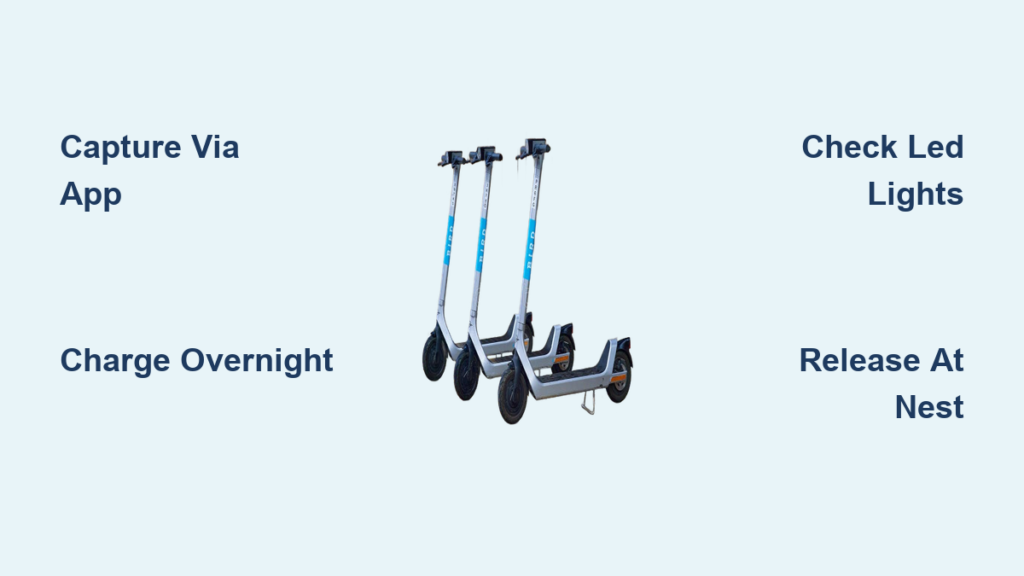
Bird scooters don’t charge themselves. They rely on a network of independent contractors or fleet managers who collect low-battery units, plug them in overnight, and redeploy them by early morning. This process keeps scooters available for riders during peak hours across cities worldwide.
In this guide, you’ll learn exactly how Bird scooters are charged, who does it, what equipment is needed, and how the system works. Whether you’re a curious rider or considering becoming a charger, you’ll discover the step-by-step process, payment structure, and tips for success.
Evolution of Bird Charging Models
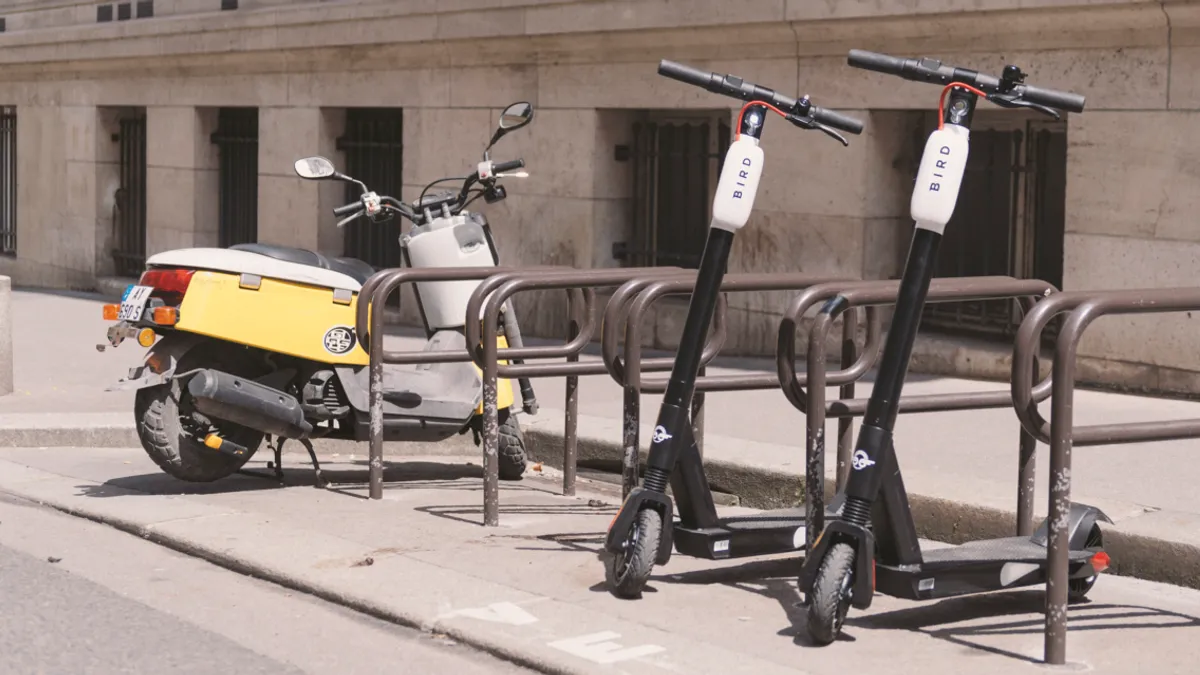
Bird’s charging strategy has shifted dramatically over the years, moving from a decentralized gig model to a more structured, professional system. Understanding this evolution explains why charging looks different today than it did just a few years ago.
Initially, Bird relied on independent contractors using their own vehicles and garages to charge scooters as a side hustle. These chargers hunted for low-battery scooters via an app, brought them home, charged them overnight, and returned them by dawn. It was flexible but unpredictable, with income based on how many scooters you could collect and redeploy on time.
Now, in most major markets, Bird uses Fleet Managers: professionals or small businesses assigned a fixed number of scooters (50–100+). They’re responsible not just for charging, but also for maintenance, repairs, and repositioning. Unlike gig workers, fleet managers often operate out of warehouses, use commercial vans, and are financially liable for lost or damaged units.
Bird’s pivot to fleet management followed financial struggles, including a 2022 bankruptcy and acquisition by Third Lane Mobility. The company needed more reliable, scalable operations. The old gig model had issues: inconsistent availability, hoarding, poor maintenance, and safety concerns. By professionalizing the workforce, Bird improved uptime, reduced losses, and gained better control over service quality.
Equipment Needed to Charge Bird Scooters

Charging a Bird scooter isn’t as simple as using any charger and outlet. Bird provides specific hardware and sets strict guidelines to ensure safety and consistency across its network.
Each charger receives Bird power supply units: proprietary adapters that regulate voltage to safely charge the lithium-ion battery. These are issued by Bird when you onboard as a charger. New users typically get three units, with more unlocked as you prove reliability.
The power supply connects to a standard Bird power cord, which plugs into a wall outlet. Never use third-party chargers. Doing so can damage the scooter and void your agreement with Bird.
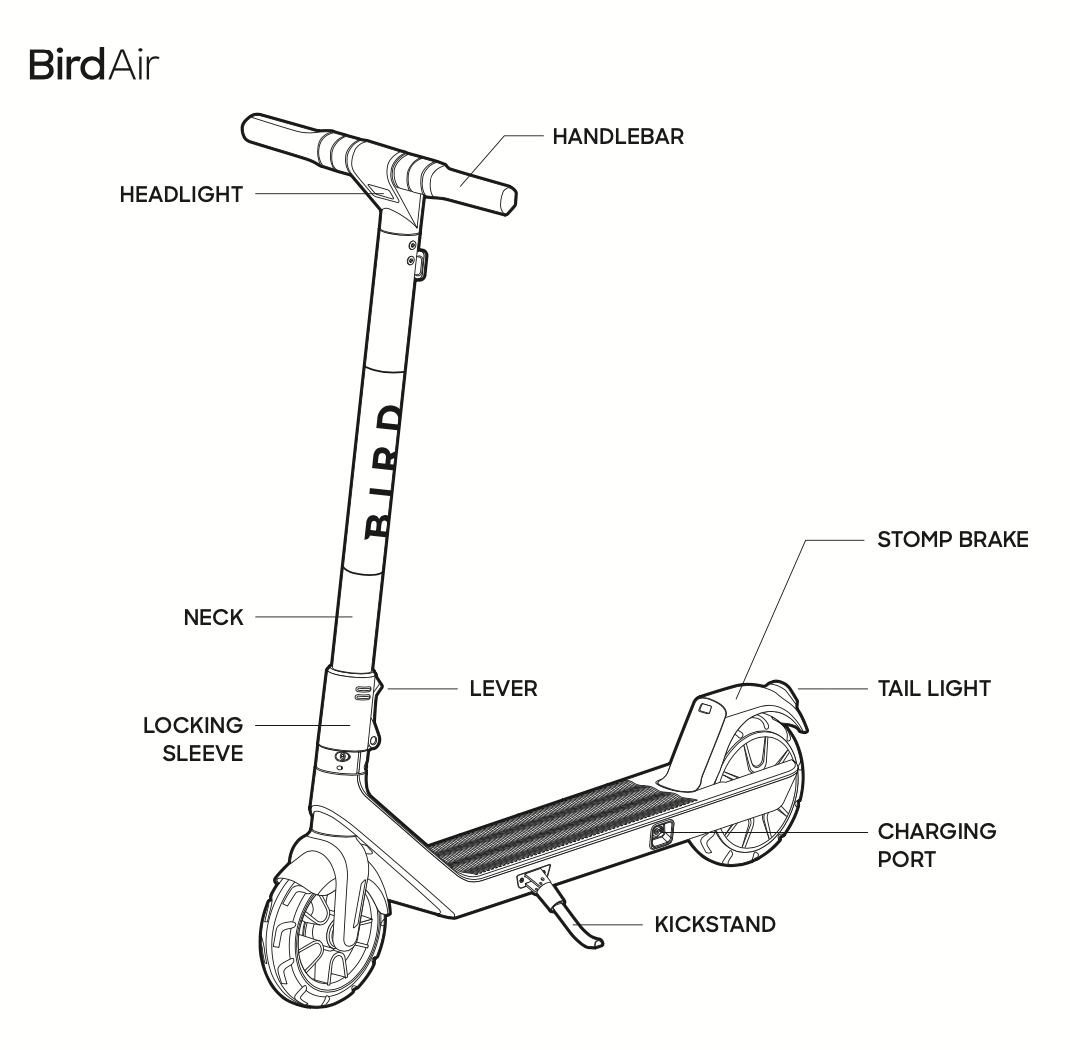
The charging port varies by model but is usually on one of two spots: the left side of the deck near the front wheel or on the neck (stem) of the scooter. It’s a weather-resistant port that accepts the Bird power supply cable. Make sure the port is clean and dry before plugging in.
The power supply features a simple LED light system. A red light indicates charging is in progress. A green light means fully charged and ready to deploy. These lights are your primary signal—no need to guess. Always verify the light is green before releasing a scooter.
Step-by-Step Charging Process
Charging a Bird scooter involves more than just plugging it in. From capture to release, each step must be followed precisely to get paid and keep the system running smoothly.
Before you can charge a scooter, you must capture it in the Bird Charger app. This removes it from the public map and assigns it to your account. Open the app and locate low-battery scooters marked with a battery icon, then walk to the scooter and scan its QR code or manually select it in the app. Tap “Capture” to claim it. Always double-check the scooter number matches the app. Some chargers report “decoy flags”: locations where the app shows a scooter, but it’s already gone.
Once captured, load the scooter into your vehicle. Most independent chargers use cars or trucks, carrying 6–10 scooters per trip (each weighs about 40 lbs). Fleet managers use vans or cargo trucks for larger loads. Secure scooters properly to avoid damage during transport.
At your charging site, follow this connection sequence: plug the power cord into the outlet first, then connect the cord to the power supply, and finally plug the power supply into the scooter. Wait for the red light to confirm charging. Use the app’s “My Birds” tab to monitor battery percentage in real time. Refresh the list by swiping down. Charging time is 2–5 hours depending on how depleted the battery is.
Before redeployment, inspect each scooter thoroughly. Check that the kickstand works properly, throttle responds smoothly, brakes engage firmly, tires are inflated and undamaged, and there are no cracks, dents, or loose parts. Verify all stickers and decals are intact. If a scooter fails inspection, report it in the app. Don’t release it.
Fully charged scooters must be dropped off at designated nests: geofenced zones marked in the app. The release window is 4:00 AM – 7:00 AM. Place scooters upright and spaced apart, take a clear photo of the deployed units, and confirm release in the app. Late releases after 7:00 AM may result in reduced or no payment. Some areas apply prorated penalties.
Safety and Charging Environment Rules

Bird enforces strict safety standards to prevent fires, electrical hazards, and equipment damage. Violating these rules can lead to account suspension.
The ideal charging environment is an enclosed garage with a clean concrete surface. Charging on carpeted surfaces is explicitly prohibited due to heat retention risks. Allowed surfaces include clean, dry concrete like garage floors. Prohibited surfaces include carpet, wood, grass, or any flammable material.
For electrical safety, use surge-protected power strips when charging multiple units simultaneously. Avoid overloading circuits. Don’t plug more than 6–8 scooters into one outlet. Keep cords untangled and off walkways. Ensure at least 6 inches of space between scooters for airflow. Bird recommends having a certified electrician inspect your setup, though enforcement varies.
Lithium-ion batteries generate heat during charging. To prevent overheating, space scooters at least 1 foot apart. Avoid stacking or covering units. Charge in a well-ventilated area, not enclosed closets or sheds. Organize your charging station so you can easily see all lights and access each unit.
How Bird Nests Work

Nests are the backbone of Bird’s deployment strategy. They’re not random drop-off points. They’re strategically placed zones designed to maximize rider access and sidewalk safety.
A nest is a GPS-defined area where fully charged scooters must be released to be considered available for rent. These are often parking lots, private driveways with public access, or designated micromobility zones. Nests are marked in the app with a bird icon and geofenced boundaries. You must be physically inside the zone to release a scooter.
Nest placement rules require that they be away from sidewalks, ramps, and building entrances. They cannot block ADA-compliant pathways. They should be visible and easy for riders to find. Releasing outside a nest means the scooter won’t be available for rent—and you won’t get paid.
Nests help Bird prevent sidewalk clutter, ensure scooters are available in high-demand areas, and reduce improper parking by riders. Some cities fine riders for parking outside nests, encouraging better behavior.
Earnings and Payment Structure
How much you earn charging Bird scooters depends on your role: independent charger or fleet manager.
Independent chargers earn $3–$20 per scooter. Higher pay applies for scooters with very low battery (under 10%), units in remote or hard-to-reach areas, and scooters that have been uncharged for hours. Low-value scooters (30–50% battery in busy zones) pay $3–$7. Typical earnings are $50–$100 per night or $100–$500 per week based on volume and efficiency.
Fleet managers earn 40–45% of the revenue generated by their assigned scooters. Top performers can increase their share and manage hundreds of units. Minimum weekly earnings are about $1,500. Top earners make $100,000+ annually with staff and multiple contracts. Managers are paid weekly, usually via direct deposit.
Chargers are independent contractors, not employees. This means you receive a 1099 form if you earn over $600/year and must pay self-employment tax. You can deduct business expenses including mileage at the IRS rate (67¢/mile in 2024), home garage utilities if used exclusively for charging, and cables, power strips, headlamps, and safety gear. Keep detailed logs: date, trip purpose, odometer readings, and receipts.
Common Challenges and How to Avoid Them
Even experienced chargers face obstacles. Knowing these issues helps you stay efficient and profitable.
Decoy flags occur when the app shows a scooter but it’s already collected, on private property, or hidden by a hoarder. Report missing scooters in the app with a photo and description. Avoid known hoarding zones.
Some chargers collect scooters but delay capturing them to let the bounty increase—or hide them to monopolize high-value units. This reduces available scooters for others, lowering overall efficiency. Workaround: focus on less competitive areas or operate later at night when demand spikes.
Bluetooth or GPS glitches can prevent capturing or releasing. The app may drain your phone battery fast. Fix: use a power bank, restart the app, or try again in an area with better signal.
Physical demands are significant. Lifting 40-lb scooters repeatedly is strenuous. The 4:00–7:00 AM release window requires early mornings. Weather, traffic, or flat tires can delay deployment. Tip: invest in a dolly or ramp for loading. Plan routes in advance to save time.
Tips for Success as a Bird Charger
Whether you’re new or experienced, these strategies can boost your efficiency and earnings.
Optimize your route by starting collection after 9:00 PM when most rides end. Target clusters of low-battery scooters. Use heat maps or third-party tools (if allowed) to spot high-demand zones.
Invest in the right gear. Get heavy-duty power strips with surge protection. Purchase a reflective vest and headlamp for night work. Use a mileage tracking app for tax deductions.
Build a routine. Treat charging like a job: collect at night, charge overnight, deploy by 6:00 AM, then rest and repeat. Consistency leads to higher pay and better app ratings.
Frequently Asked Questions About Bird Scooter Charging
How long does it take to charge a Bird scooter?
Charging takes 2–5 hours depending on how depleted the battery is when you pick it up.
What do the red and green lights mean on the Bird power supply?
A red light means the scooter is currently charging. A green light indicates the battery is fully charged and ready to deploy.
When must Bird scooters be released to nests?
Scooters must be released between 4:00 AM and 7:00 AM. Releasing after 7 AM may result in reduced or no payment.
How much do Bird chargers earn per scooter?
Independent chargers earn $3–$20 per scooter, with higher rates for low batteries or remote locations.
Can I charge Bird scooters on carpet?
No. Bird explicitly prohibits charging on carpet due to fire risk. Only charge on clean, dry concrete surfaces like garage floors.
What happens if I release a scooter outside a nest?
The scooter won’t be available for rent, and you won’t get paid for that cycle.
Key Takeaways for Charging Bird Scooters
Charging Bird scooters is more than a side hustle. It’s a critical link in urban mobility that keeps cities moving. The process involves capturing low-battery scooters via app, transporting them to a charging location, plugging them in using Bird-provided equipment, and releasing fully charged units to designated nests by 7 AM.
While the gig model has faded in many areas, opportunities remain for those willing to operate professionally. By following safety rules, mastering the app, and optimizing your workflow, you can turn charging into a reliable income stream. Treat it like a job, invest in the right gear, and stay consistent for the best results.