Your scooter engine depends on clean oil to run smoothly, but that oil breaks down over time from heat and contamination. Learning how to change oil on a scooter is a simple maintenance task that takes about 30 minutes and saves you money on shop visits. This guide walks you through the complete process with model-specific tips for popular engines like the GY6 150cc and QMB139 50cc.
Warm Up Your Scooter Before Draining
Running your scooter briefly before an oil change helps the old oil flow out completely and carries contaminants with it.
Start the Engine and Let It Idle
Turn on your scooter and let it run for 5 to 10 minutes. Warm oil is thinner and drains faster, while the heat loosens sludge and particles stuck inside the engine. This step ensures you remove more debris during the drain.
Cool Down Before Working
After turning off the engine, wait 15 to 20 minutes before removing the drain plug. This prevents severe burns while keeping the oil fluid enough to drain thoroughly. Hot oil causes serious skin injuries, so never skip this cooling period.
Position Your Scooter on a Level Surface
An upright scooter ensures you drain all the old oil and get an accurate dipstick reading afterward.
Use Center Stand or Wood Block
Place your scooter on its center stand if your model has one. This keeps the engine perfectly vertical for complete drainage. If there is no center stand, prop up the kickstand with a block of wood to prevent the scooter from tilting sideways.
Find a Flat, Stable Workspace
Work on a clean, level floor in a well-ventilated area. This improves safety and prevents errors when checking oil levels later.
Drain the Old Engine Oil
Removing degraded oil is the first hands-on step in the oil change process.
Locate the Drain Plug
On most scooters, the drain plug sits at the bottom of the engine sump. For GY6 150cc engines, look on the left side of the engine. On QMB139 and many 50cc models, it is near the exhaust. You are looking for a 17 mm hex bolt.
Position the Drain Pan
Slide an oil drain pan directly beneath the plug. Make sure it is large enough to catch splashes and hold at least one quart of fluid.
Remove the Plug and Washer
Use a 17 mm socket and ratchet to loosen the plug. Hold it as you remove it to keep it from falling into the oil. Pull off the old drain plug washer and set it aside, because you will need a fresh one for reassembly.
Wait for Complete Drainage
Let the oil flow out completely. Warm oil usually drains in 2 to 5 minutes, while cold oil may take up to 10 minutes. Watch for warning signs during drainage:
- Gasoline smell indicates fuel dilution from rich carburetion or leaking injectors
- Metal flakes or sparkles suggest internal engine wear requiring further inspection
- Thick sludge means the oil change is overdue or you have been using poor-quality oil
Service the Oil Filter
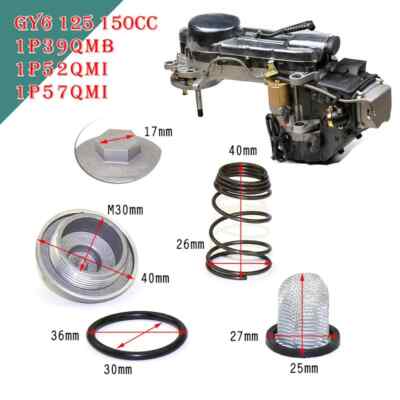
Scooters use either a reusable metal screen filter or a replaceable paper filter, depending on the model.
Clean the Metal Screen Filter
Most 50cc to 150cc scooters use a metal screen filter located on the right side of the engine, opposite the drain plug.
Remove the Filter Cover
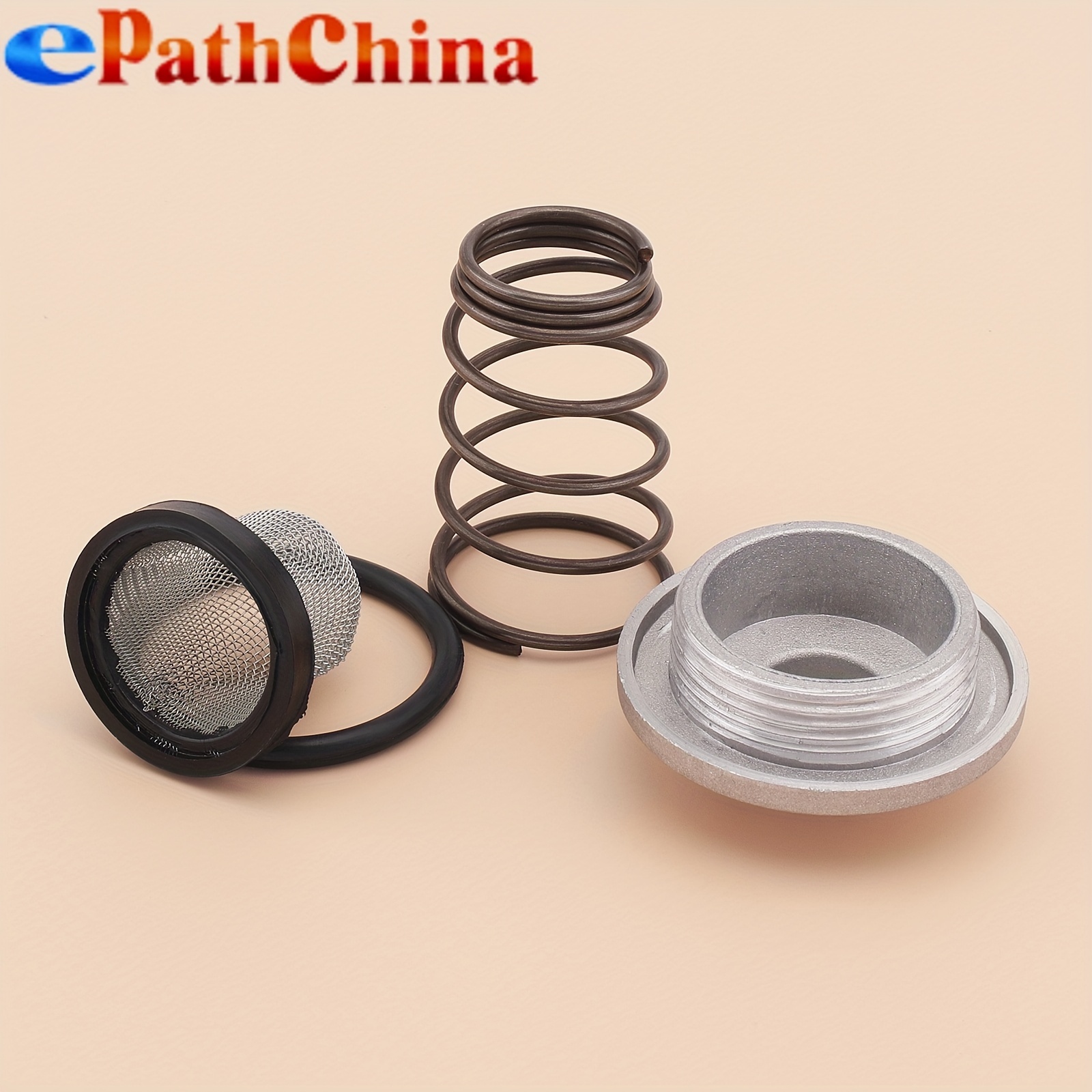
Use a 17 mm socket to remove the cover. Inside, you will find a cap, spring, and fine mesh screen.
Clean All Components
Take out the screen, spring, and cap. Wash all parts with clean solvent or degreaser. Use a soft brush to remove sludge and metal particles.
Inspect O-Rings and Reassemble
Check the rubber O-rings on the cap and housing for cracks or deformation. Replace them if damaged. When putting everything back together, insert the clean screen first, then place the spring on top with the small end going in first. Screw the cap in while pushing straight up to engage the threads.
Tighten and Lubricate
Screw the cap in until snug. Do not overtighten, because aluminum housings strip easily. Apply a drop of fresh oil or grease to the O-ring before final seating for a better seal.
Replace a Paper Oil Filter
Some larger scooters have a screw-on paper filter instead.
Unscrew the Old Filter
Use an oil filter wrench to remove it. Keep the drain pan underneath, because oil will spill out.
Prepare the New Filter
Dip your finger in fresh oil and coat the rubber gasket. This prevents leaks and makes removal easier next time.
Install by Hand
Screw the new filter on until the gasket touches the mounting surface, then tighten three-quarters of a turn more by hand. Never use a wrench unless your manual specifies otherwise.
Reinstall the Drain Plug Properly
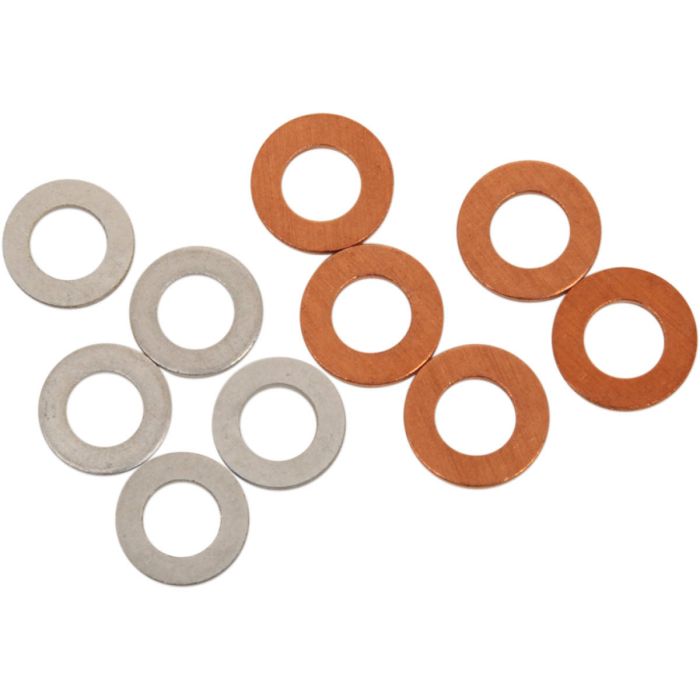
A secure, leak-free drain plug protects your engine from oil loss.
Always Replace the Washer
Install a new copper or aluminum washer every time you reinstall the drain plug. Reusing old washers is the number one cause of post-oil-change leaks.
Avoid Cross-Threading
Start the plug by hand to ensure the threads align correctly. The plug is made of soft metal and damages easily if forced.
Tighten to Snug, Not Maximum
Use the ratchet to tighten until snug, but stop when resistance increases significantly. Over-tightening strips the threads in the engine case. If you know the torque specification, use a torque wrench set to 10 ft-lbs where applicable.
Refill With the Correct Oil Type and Amount
Using the right oil protects your engine and wet clutch from damage.
Use Motorcycle-Specific Synthetic Oil
Never use automotive oil in your scooter. Scooters have wet clutches that require JASO MA, MA1, or MA2-rated oil. Automotive oils contain friction modifiers that cause clutch slippage.
Recommended Viscosities
- 10W-40 works best year-round and is ideal for GY6 150cc engines
- 10W-30 is preferred for QMB139 and Bintelli 50cc models
- 20W-50 suits hot climates or high-mileage engines that run hotter
Synthetic vs. Mineral Oil
- Full synthetic offers superior heat resistance, better cold starts, and longer life. This is the recommended choice for most scooter owners.
- Mineral oil costs less but breaks down faster. Only use it for low-use scooters or very old engines.
Pour Oil Slowly Using a Funnel
Locate the fill port, which is usually the dipstick tube or a side cap. Use a skinny funnel to avoid spills when pouring.
Fix Airlock Issues
If oil will not flow in, check for a kinked crankcase vent hose. Straighten it to release pressure and allow oil to enter the crankcase.
Add the Exact Oil Volume
Overfilling causes oil burning, smoke, and carburetor fouling.
Standard Capacities
- GY6 150cc requires 710 to 750 ml (approximately 0.75 quarts)
- QMB139 50cc requires 725 to 750 ml
- General 50cc models often need 8 to 10 oz (250 to 300 ml). Check your manual for the exact specification.
Add oil gradually. You can always add more, but removing excess is messy and time-consuming.
Check the Oil Level Accurately
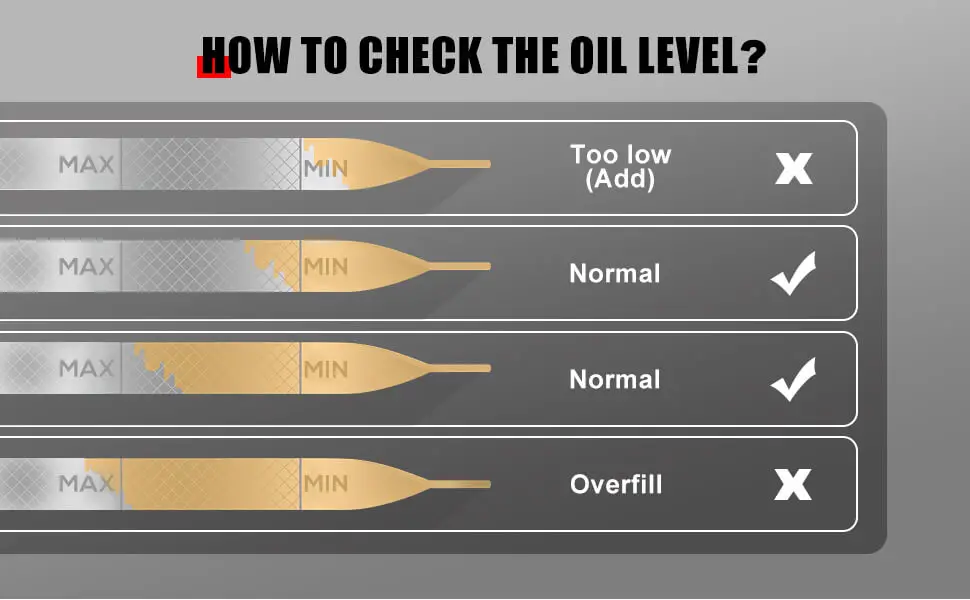
An accurate reading prevents both underfilling and overfilling, which both cause engine problems.
Run the Engine Briefly
Start the scooter and let it run for 5 to 10 seconds. This circulates oil through the filter and internal galleries.
Wait for Oil to Settle
Turn off the engine and wait at least 30 seconds for oil to drain back into the sump. Longer is better for accuracy.
Wipe and Reinsert the Dipstick Correctly
- Pull the dipstick out and wipe it clean with a rag.
- Reinsert it fully but do not screw it in unless your manual specifically instructs you to do so.
- Pull it out again and read the level.
The oil level should fall between the two “X” marks or within the cross-hatched section of the dipstick.
Adjust if Needed
- Below the lower mark means you need to add oil in small increments (about 1/4 ounce at a time)
- Above the upper mark means you have overfilled. Drain the excess immediately using a syringe or by removing the drain plug
Inspect for Leaks and Dispose Responsibly
Final checks ensure your work holds up and you handle hazardous materials properly.
Look for Drips
Check around the drain plug and filter housing for any signs of leaking. If you see drips, snug the plug slightly, but never overtighten.
Dispose of Used Oil Properly
Never pour oil down drains or onto the ground. Used oil is hazardous. Pour it into a sealed container and take it to:
- Auto parts stores like AutoZone or O’Reilly
- Recycling centers
- Local service stations
Many locations offer free oil recycling.
Follow Proper Maintenance Intervals
Regular oil changes prevent engine wear and keep your scooter running smoothly.
Change Oil Every 500 to 1,000 Miles
Or every 3 to 6 months, whichever comes first. If you ride in harsh conditions, change oil more frequently.
High-Risk Conditions Requiring More Frequent Changes
- Frequent short trips where the engine never fully warms up
- Stop-and-go traffic
- Dusty or dirty roads
- Extremely hot climates
- Aggressive or high-RPM riding
Keep a Service Log
Record the date, mileage, oil type and brand, and what filter or washer you replaced. Also note when the next oil change is due. This helps track engine wear and maintains warranty validity.
Change Final Drive Gear Oil (If Applicable)
Some scooters have a separate transmission case that requires its own fluid.
Use the Correct Gear Oil
Fill with 80W-90 hypoid gear oil, not engine oil. Using the wrong fluid damages the transmission.
Fill to the Correct Level
The capacity is approximately 4 oz (0.12 liters). Remove the fill plug on the side of the rear hub and add oil until it drips out, indicating the case is full.
Torque Plugs to Specification
Reinstall both drain and fill plugs with new washers. Tighten them to 10 ft-lbs (14 Nm) to prevent leaks.
Avoid Common Mistakes
Even experienced riders make these errors that cause problems.
Overtightening the Drain Plug
Soft aluminum threads strip easily. Hand-start the plug first, then snug it with a ratchet. Use torque specs when available.
Reusing the Old Washer
Always replace the washer. This $1 part prevents messy leaks and potential engine damage.
Threading the Dipstick In
On many scooters, the dipstick rests on the threads rather than being screwed down. Threading it in gives a false low reading and causes overfilling.
Using the Wrong Oil Type
JASO MB or automotive oil causes clutch slippage. Always use JASO MA or MA2-rated motorcycle oil specifically formulated for wet clutches.
Overfilling the Engine
Excess oil enters the intake via the PCV system, causing smoke and fouling. Fill to the lower “X” mark on the dipstick, then recheck after running the engine.
Frequently Asked Questions About Changing Scooter Oil
How often should I change the oil on my scooter?
Change your scooter oil every 500 to 1,000 miles or every 3 to 6 months, whichever comes first. If you ride in dusty conditions, hot climates, or frequently make short trips, change it more often.
Can I use car oil in my scooter?
No. Scooters have wet clutches that require JASO MA, MA1, or MA2-rated oil. Automotive oils contain friction modifiers that cause clutch slippage and damage. Always use motorcycle-specific oil.
How much oil does a 150cc scooter take?
A typical GY6 150cc scooter holds 710 to 750 ml (approximately 0.75 quarts or 25 ounces). Always check your owner’s manual for the exact specification.
Why is my scooter smoking after an oil change?
Smoke usually indicates overfilling. Excess oil enters the intake through the PCV system and burns. Drain the excess immediately to the correct level on the dipstick.
Do I need to replace the drain plug washer every time?
Yes. Always replace the drain plug washer with a new one. Reusing the old washer is the most common cause of oil leaks after an oil change.
Can I change my scooter oil without a center stand?
Yes, but you must prop up the kickstand with a block of wood to keep the scooter upright. A tilted scooter leaves old oil behind and gives inaccurate dipstick readings.
Key Takeaways for Changing Oil on Your Scooter
Changing your scooter oil is a quick, affordable maintenance task that protects your engine and extends its life significantly. The process takes about 30 minutes and requires only basic tools like a 17 mm socket, drain pan, and funnel. Always warm the engine first, drain completely, and use the correct JASO MA-rated synthetic oil for your specific engine model. Replace the drain plug washer every time and check the level on a level surface with the dipstick resting on the threads, not screwed in. Stick to 500 to 1,000 mile intervals and keep a service log to track your maintenance history. With the right oil, proper technique, and regular changes, your scooter will run smoothly for years to come.