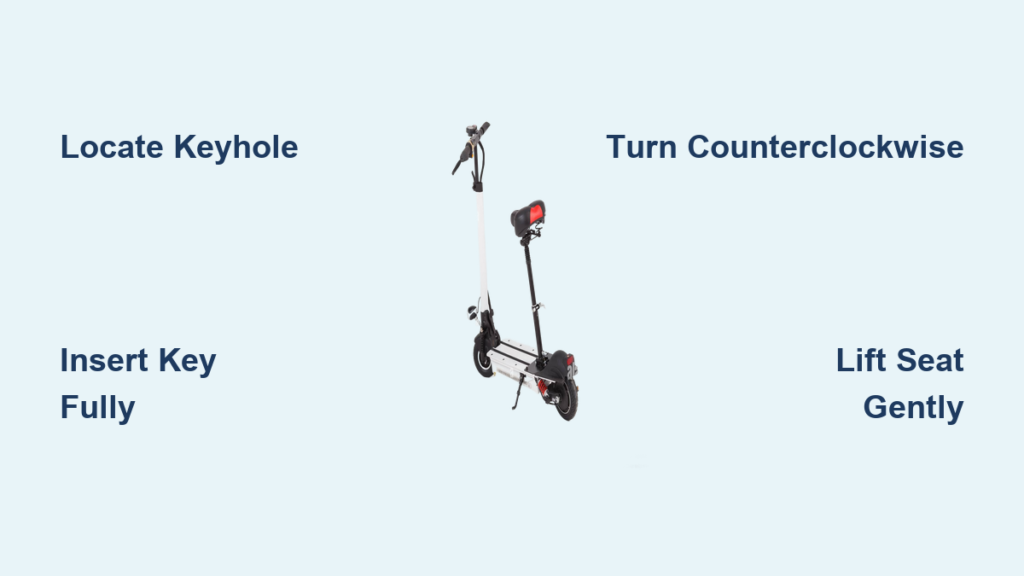
If you’ve ever stood beside your scooter, key in hand, wondering how to open scooter seat with key, you’re not alone. Many riders struggle with this seemingly simple task, especially new scooter owners. The under-seat storage is one of the most convenient features on mopeds and electric scooters, but without knowing the correct technique, it can quickly become frustrating. Whether you ride a Razor Pocket Mod, a Vespa Elettrica, or a budget-friendly e-moped like the SWFT Maxx, the process varies slightly by model and lock type. This guide breaks down every step clearly, including where to insert the key, which direction to turn, and what to do when the seat won’t budge.
You’ll also learn troubleshooting tips for stuck locks, emergency access methods when you’ve lost your key, and how to maintain the mechanism for long-term reliability. Let’s get you into that hidden storage compartment safely, smoothly, and without damage.
Locate the Keyhole Correctly

Before turning the key, you must find the lock. Many riders waste time pulling on the seat because they don’t know where their scooter has a key-operated release.
Check Common Lock Positions
The keyhole is usually in one of three places on your scooter. First, check the rear center of the seat, which is the most common location for traditional mopeds. Second, look at the side edge, either left or right, under the seat lip. Third, check if the lock is integrated into the main ignition switch, common on modern e-mopeds.
For example, Razor scooters typically have a small, centered keyhole at the back of the seat, sometimes covered by a rubber cap. Vespa Elettrica models place the lock on the left side near the seat base. Meanwhile, SWFT Maxx and similar e-mopeds use an ignition-integrated system where no separate seat lock exists.
Identify Protective Covers
Some scooters shield the keyhole with a rubber or plastic flap to block water and dirt. Gently pry it open with your fingernail or the tip of your key. Never force this flap, as it prevents corrosion and keeps the lock functional in wet conditions.
Pro Tip: If you see no visible keyhole, check your owner’s manual. Your model may use a push-button, electronic fob, or bolted seat instead of a key-operated system.
Insert and Turn the Key Properly
Once you’ve found the lock, correct key insertion and rotation are critical. A common mistake is forcing the key when it won’t turn, which often happens due to incorrect technique.
Insert Fully But Not Always at First
Push the key all the way in unless your scooter has a spring-loaded ignition. On some models, pushing too hard prevents turning. Instead, insert the key just enough to grip, begin turning counterclockwise, and apply full insertion pressure as you rotate. This subtle sequence prevents jamming.
Rotate in the Correct Direction
Turning direction depends on the brand of your scooter. Most scooters, including Razor and generic mopeds, require turning counterclockwise, which is left. Vespa Elettrica and some 3-wheelers require turning clockwise, which is right. If unsure, try both directions gently. You should hear a distinct click or pop when the latch disengages.
Visual Cue: On rear-center locks, the seat often tilts forward when opened. If it resists, you may be turning the wrong direction.
Lift the Seat Using the Right Motion
Turning the key unlocks the latch, but lifting incorrectly can prevent the seat from opening or damage the mechanism.
Apply Lift While Holding the Key
Keep the key turned to the unlocked position. Use your other hand to grip the rear edge of the seat and pull upward firmly. Some models require a sharp tug, while others need a gentle, steady lift.
Use Combined Motions for Stubborn Seats
Certain scooters, like Vespas, use internal hooks that need more than just lifting. Push forward slightly, then lift, or press down first, then pull up. This relieves tension on the latch cable, making release easier.
Support the Seat After Opening
Not all scooters have a prop rod. If yours doesn’t, hold the seat open manually or prop it with a soft object like a folded jacket. Never let it fall, as this can misalign the latch or pinch wires.
Handle Integrated Ignition Systems

Some modern scooters skip a separate seat lock. Instead, the ignition switch doubles as the seat release.
SWFT Maxx and Similar E-Mopeds
Follow these steps for scooters with integrated systems. First, insert the key into the main ignition. Second, turn left, which is counterclockwise, to a detent position before the On position. Third, hold the key in place. Fourth, lift the seat from the rear.
Warning: Do not turn past the seat-release position, or you may accidentally start the scooter.
Relieve Tension If It Sticks
If the seat won’t lift after turning the key, press down on the seat with your palm, then try lifting while holding the key. This releases pressure on the internal cable, which is a common cause of failure on these systems.
Address Side-Mounted Locks
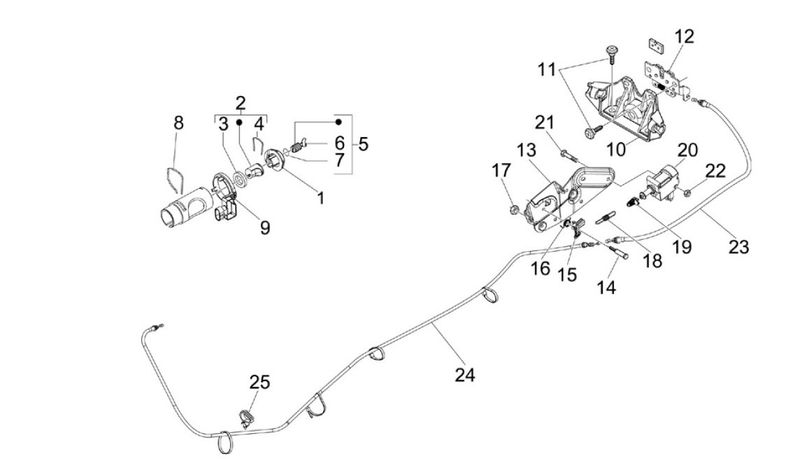
Found on Vespa Elettrica and EWheels EW-11, side-mounted locks are less intuitive but equally reliable once you know the technique.
Open a Left-Side Vespa Lock
Locate the keyhole on the left side, just under the seat. Insert the key and turn clockwise. Listen for the click. Lift from the rear while keeping the key turned in the unlocked position.
Handle EWheels-Style Right-Side Locks
On 3-wheel scooters like the EWheels EW-11, the lock is on the right side. Turn clockwise, and press down slightly on the seat while turning to align the cam. Failure to press down is a frequent reason the key won’t turn on these models.
Troubleshoot When the Key Won’t Turn

A stuck key is a common issue, especially in older or poorly maintained scooters. Several fixes can resolve this without calling a mechanic.
Lubricate the Lock Cylinder
Dirt, moisture, or corrosion can freeze the mechanism. Spray lock de-icer if frozen or graphite powder into the keyhole. Wait 2-3 minutes, then wiggle the key gently while applying turning pressure.
Avoid WD-40 for long-term use, as it attracts dust and creates gumming residue that worsens over time.
Try a Spare Key
Keys wear down over time. A smooth or rounded tip won’t engage the lock pins properly. Use a spare key if available to test whether your primary key is worn.
Apply Downward Seat Pressure
Push down firmly on the seat while turning the key. This reduces tension on the latch cable, aligns internal components, and often allows a stiff lock to rotate smoothly.
Fix a Seat That Won’t Lift After Unlocking
You hear the click, but the seat won’t budge. Here’s how to handle this scenario.
Use a Rocking Motion
While holding the key turned, gently rock the seat side-to-side, or press down and pull up sharply. This can free a stuck latch or misaligned hook that didn’t fully release.
Inspect the Cable Mechanism
If side panels are removable, take them off to expose the latch. Check if the cable is disconnected or frayed. Spray silicone lubricant on the latch spring, then manually pull the cable to test release. Reconnect or replace the cable if damaged.
Emergency Access: No Key? No Problem
Lost your key or broken it inside the lock? Try these last-resort methods.
Use a Slim Tool
Insert a plastic trim tool, flathead screwdriver, or stiff credit card into the gap between seat and body. Slide it toward the latch mechanism and push or pry the internal lever to release it.
Protect the finish: Wrap metal tools in tape to avoid scratches on your scooter’s bodywork.
Fashion a Wire Hook
Straighten a coat hanger and bend a small hook at the end. Slide it into the seam, hook the latch cable or release lever, and pull to disengage. This works best on scooters with accessible internal cables.
Find a Manual Release Cable
Some models hide a secondary pull cable behind side panels or under the rear fender. Remove the cover to access it, then pull to open the seat without using the key.
Drill Out the Lock (Final Option)
If all else fails, use a 3/16-inch drill bit to destroy the lock cylinder. Once drilled, use a screwdriver to turn the core and open the seat. Replace the cylinder afterward. Only attempt this if you own the scooter and have replacement parts ready.
Close and Lock the Seat Safely
Opening is only half the job. Improper closure risks the seat flying open while riding, which is dangerous.
Align and Press Down Firmly
Lower the seat gently without dropping it. Press down with both hands on the rear center. Listen for a solid click indicating the latch has re-engaged.
Test the Lock Before Riding
Tug the rear edge of the seat. If it lifts, the latch didn’t engage properly. Repeat the closing process until secure.
Critical Safety Step: Never ride with an unsecured seat. Loose cargo or sudden opening can cause loss of control.
Maintain the Seat Lock Regularly
Prevent future issues with simple maintenance performed quarterly.
Clean and Lubricate Quarterly
Every 3-6 months, wipe debris from the keyhole and apply graphite powder or dry lubricant to the lock. Spray silicone on hinges and latch mechanisms. Avoid oil-based lubes, as they attract dirt.
Inspect for Wear and Damage
Check the latch hook and striker plate for rust or bending. Verify cable tension, which should not be loose or frayed. Replace rubber seals if cracked.
Know What Not to Store Under the Seat
Even with easy access, not everything belongs in the compartment.
Avoid These Items
Do not store valuables, as compartments are not theft-proof. Avoid flammable liquids near batteries. Skip heavy objects over 15 pounds, as they can break hinges. Keep loose coins out, as they can jam the latch. Never store food or perishables, as heat damage occurs quickly.
Ideal Storage Choices
Store a helmet if space allows, rain gear, charging cables, a first-aid kit, and the owner’s manual in a waterproof bag.
Upgrade for Security and Convenience
Want better access or stronger protection? Consider these upgrades.
Install a Pick-Resistant Lock
Replace the stock cylinder with a high-security version costing $20-$50. This resists lock picking and bumping.
Add a Smart Lock Retrofit
Upgrade to keyless entry with Bluetooth or fob control and app integration. Cost ranges from $50-$150. Ideal for frequent riders who want convenience.
Fit Internal Organizers
Use mesh nets or zippered pouches to prevent item shifting, protect cables and documents, and maximize storage space.
Key Takeaways for Opening Your Scooter Seat
Knowing how to open scooter seat with key isn’t just about convenience. It’s about safety, maintenance, and protecting your gear. Whether your scooter uses a rear-center lock, side-mounted cylinder, or ignition-integrated system, the right technique makes all the difference. Always locate the keyhole first, then insert and turn the key in the correct direction for your model. If the seat won’t open, troubleshoot the lock with lubricant and tension relief before attempting emergency methods. Lubricate the mechanism quarterly, test the latch before every ride, and always confirm the seat is locked before moving. With this guide, you’re equipped to handle normal operation, stubborn mechanisms, and even emergency access, no mechanic required.
Frequently Asked Questions About Opening Scooter Seats
Why won’t my key turn in the scooter seat lock?
The key may not turn due to dirt buildup, corrosion, a worn key, or tension on the latch cable. Try lubricating with graphite powder, using a spare key, or pressing down on the seat while turning the key to relieve cable tension.
Which direction do I turn the key to open the seat?
Most scooters require turning counterclockwise, which is left. However, Vespa Elettrica and some 3-wheel scooters require turning clockwise, which is right. If unsure, try both directions gently until you hear a click.
How do I open a scooter seat without a key?
Use a slim tool like a plastic trim tool or flathead screwdriver to pry the latch mechanism through the seam. Alternatively, fashion a wire hook to pull the internal cable, or locate a manual release cable behind side panels if your model has one.
Why does my scooter seat click but won’t open?
The latch may be stuck or the internal hooks may not have fully released. Try rocking the seat side-to-side while lifting, or press down firmly then lift sharply to free the mechanism. Inspect the cable connection if accessible.
How often should I lubricate my scooter seat lock?
Lubricate the lock cylinder and latch mechanism every 3-6 months with graphite powder or dry lubricant. Avoid oil-based products like WD-40 for long-term use, as they attract dirt and create residue.
Can I ride with the seat unlocked?
No, never ride with an unsecured seat. It can fly open while riding, causing loss of control or ejected cargo. Always verify the seat is locked by tugging the rear edge before riding.