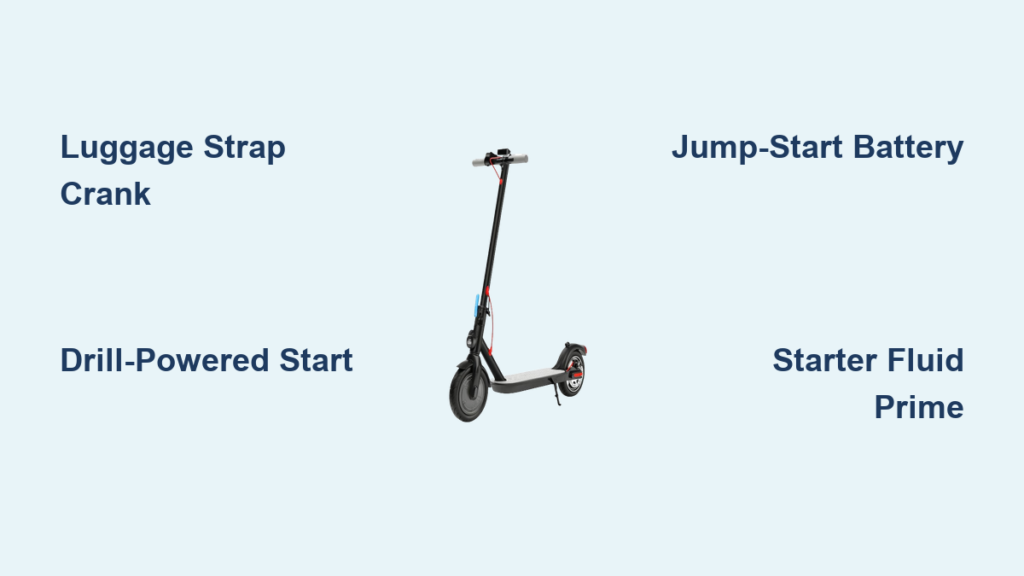
You’re stranded with a scooter that won’t start, the kickstart is broken or missing, and the battery is dead. No push-start option. No tools. Just silence when you press the ignition. This is a common nightmare for riders of modern scooters, especially automatic CVT models that can’t be bump-started like motorcycles. But you have options.
The truth is, you can start a scooter without a kickstart even with a dead battery or failed electric starter. From DIY luggage strap cranks to high-torque drill tricks, there are proven, field-tested methods that bypass traditional systems entirely. This guide reveals exactly how to get your engine running using mechanical force, electrical workarounds, and smart diagnostics.
Diagnose the Real Problem First
Before forcing a start, confirm why your scooter won’t turn over. Applying the wrong fix wastes time and risks damage.
Check Battery and Electrical Flow
A weak or dead battery is the most common cause of failed electric starts. Even if lights turn on, the battery may lack cranking amps. Test with a multimeter.
- 12.6V+ means fully charged
- 12.0–12.4V means weak, may not start
- Below 12.0V means likely dead
If voltage is low, try jump-starting or charging before mechanical methods.
Test the Starter Motor
Turn the key and listen for these sounds.
- Click but no spin means faulty solenoid or starter motor
- Silence means dead battery, bad ignition switch, or broken circuit
- Grinding noise means gear misalignment or worn starter
If the starter is dead but the engine is healthy, mechanical cranking methods will work.
Verify Ignition and Fuel
No spark or fuel means even a spinning engine won’t catch. Pull the spark plug and ground it against the engine. Crank the engine and look for a blue spark. Check fuel flow by opening the petcock and ensuring fuel reaches the carburetor.
Luggage Strap Manual Crank Method
This low-tech hack uses your scooter’s cooling fan as a hand-crank pulley. It works on most scooters even with dead batteries or no kickstart.
How It Works
The cooling fan bolts directly to the crankshaft. Wrapping a strap around it lets you manually rotate the engine, creating compression and spark just like a pull-start.
Step-by-Step Setup
- Open the seat and locate the engine cooling fan near the rear wheel.
- Tie a quick-release knot at one end of a heavy-duty luggage strap.
- Loop the strap around a large fan blade.
- Wind clockwise 2–3 times to create tension.
- Tuck the free end under the fan to prevent slipping.
How to Start
- Turn ignition to ON.
- Squeeze the brake lever if required by safety switch.
- Pull the strap sharply like starting a lawnmower.
- Repeat 2–3 times if needed.
- Once the engine fires, release immediately.
Why It Works
- No battery needed, pure mechanical start
- Takes 30 seconds to set up
- Storable under seat, ideal for emergencies
- Works on CVT and manual scooters alike
Pro Tip: Use a 1-inch wide nylon strap with a bowline knot. It holds under tension but releases fast when the engine runs.
Drill-Powered Variator Start
When you have a power drill, you can turn your scooter into a self-starting machine with no kick or battery required.
Tools You Need
- 18V or higher cordless drill (20V/1000+ RPM ideal)
- Socket or chuck adapter for the variator bolt
- Rubber band or zip tie to hold brake lever
- Safety gloves and goggles
Access the Variator
- Remove the right-side engine cover to expose the front variator pulley.
- Locate the center bolt that connects directly to the crankshaft.
Bypass the Brake Switch
Most scooters require the brake lever to be pressed. Since you need both hands for the drill, wrap a rubber band around the brake lever to keep it engaged. Use just enough pressure to trigger the click.
Start the Engine
- Attach the drill securely to the variator bolt.
- Spin counterclockwise to mimic the starter motor’s rotation.
- Watch for spark or listen for misfires.
- Keep drilling steadily until the engine catches.
- Pull the drill off immediately once running.
- Reinstall the cover and remove the brake tie.
Warning: Do not jerk the drill. Smooth, steady pressure prevents slippage and damage to variator fins.
Push-Start? Only If You Have a Clutch

Forget what you know about motorcycles. Most scooters cannot be push-started, and here is why.
CVT Transmission Blocks Push-Starting
Automatic scooters use a Continuously Variable Transmission (CVT) with no manual clutch. At low speeds, the drive belt slips, and the rear wheel cannot force the engine to turn over. Pushing just drags the engine without cranking it.
Manual Scooters Can Be Push-Started
If your scooter has a manual clutch and gears, push-starting works.
- Turn ignition ON.
- Push the scooter to 5–10 mph.
- Engage 1st or 2nd gear.
- Release the clutch quickly while giving slight throttle.
- Engine should fire. Use full throttle to stabilize.
Bump-Start Variation
- Roll down a gentle slope to gain speed
- Jump on and pop the clutch
- Practice in a safe area where timing is critical
Reality Check: If your scooter has twist-and-go throttle, it is CVT. Push-starting will not work. Save your energy for better methods.
Jump-Start When Battery Is the Only Issue
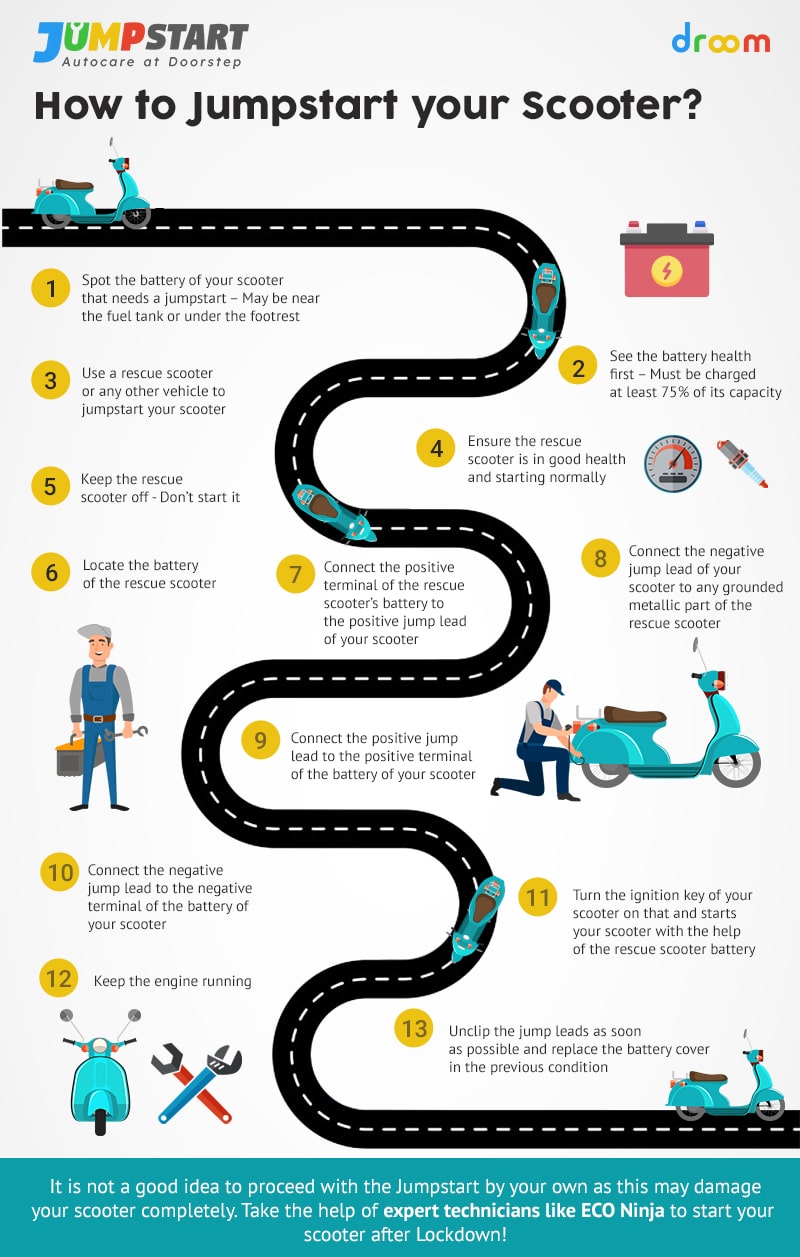
If the engine is healthy but the battery is dead, jump-starting is the fastest fix.
With Another Vehicle
Only if both are 12V systems and the scooter has no sensitive electronics.
- Connect red (+) cable to donor battery positive.
- Connect other red end to scooter battery positive.
- Connect black (-) cable to donor negative.
- Attach other black end to scooter frame, not battery.
- Wait 1–2 minutes.
- Try electric start.
Never reverse polarity. It fries the ECU and ignition system.
Portable Jump Starter Pack
This option is safer and more convenient.
- Plug in the 12V lithium jump starter.
- Connect clamps, red to +, black to – or frame.
- Wait 30 seconds.
- Press start button.
These packs are small, have reverse polarity protection, and double as phone chargers.
Bypassing Electrical Failures Safely
When the starter solenoid or ignition switch fails, you can bypass them, but proceed with caution.
Direct Starter Bypass (Advanced)
Only attempt this if you have mechanical experience.
- Locate the starter motor terminals.
- Use a screwdriver or jumper wire to bridge the battery input and starter input.
- A spark will jump and the engine should crank.
Risks include short circuits, melted wires, and fire. Only do this if you understand scooter wiring completely.
Brake Switch Override
If the brake safety switch is faulty, temporarily jumper the two wires leading to the switch. Alternatively, press the switch manually with a small tool while starting. This restores the circuit without permanent modification.
Prime a Dry Carburetor
After sitting for weeks, fuel evaporates from the carb bowl. No fuel means no start, even with perfect spark.
Quick Fix: Starter Fluid
- Remove the air filter cover.
- Spray 1–2 short bursts of starting fluid into the intake.
- Try starting immediately.
The ether ignites easily, firing the engine. Once running, vacuum pulls fresh fuel into the carb.
Do not overuse starter fluid. It is harsh and can damage seals or cause backfires.
Prevent Dry Starts
- Turn off fuel valve when storing
- Run the engine dry before long storage
- Use fuel stabilizer in the tank
Safety First: Critical Precautions
Never sacrifice safety for a quick start.
Wear Protection
- Gloves to protect hands from sharp edges or slipping tools
- Eye protection when using drills or dealing with sparks
- Helmet if attempting push-starts
Work on Level Ground
Always use the center stand when accessing the variator or fan. This prevents unexpected movement.
Secure Moving Parts
- Ensure drill chuck is tight before spinning
- Keep clothing and hair clear of belts and fans
- Never leave a running scooter unattended
Build an Emergency Starting Kit
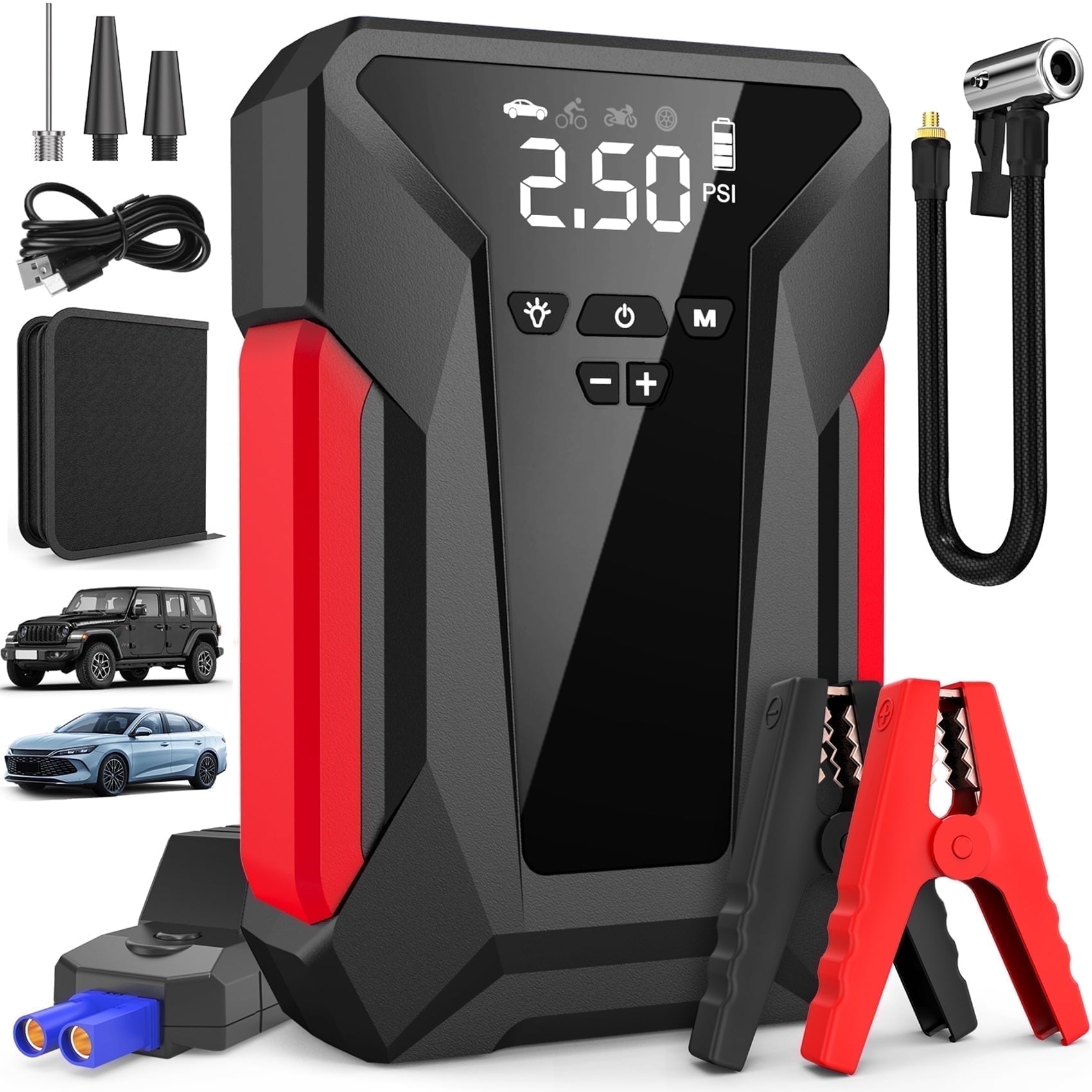
Be ready for failure with a compact, ride-along kit.
- 1-inch luggage strap for fan crank
- Small bottle of starter fluid
- 12V portable jump starter
- Zip ties and rubber bands for brake switch bypass
- Foldable gloves and goggles
Store it under the seat. The entire kit weighs less than 2 pounds.
Choose the Right Method for Your Scooter
| Method | Best For | Tools Needed | Works on CVT? |
|---|---|---|---|
| Luggage Strap | Broken kickstart, dead battery | Strap only | Yes |
| Drill Start | No strength, no battery | 18V+ drill | Yes |
| Push-Start | Manual transmission only | None | No |
| Jump Start | Dead battery only | Cables or pack | Yes |
| Starter Fluid | Dry carb after storage | Spray can | Yes |
Final Tips for Reliable Starts
- Maintain your battery with a trickle charger during storage
- Check spark plugs every 3,000 miles and clean and gap properly
- Clean the carburetor if starting becomes sluggish
- Test emergency methods at home before you need them
Frequently Asked Questions About Starting a Scooter Without Kickstart
Can I push-start an automatic scooter?
No, automatic scooters with CVT transmissions cannot be push-started. The CVT belt slips at low speeds, preventing the rear wheel from turning the engine over. This method only works on scooters with manual clutches and gears.
What is the easiest way to start a scooter without kickstart?
The luggage strap method is the easiest and most reliable. It requires only a sturdy strap, takes under 30 seconds to set up, and works on any scooter type regardless of transmission.
Why won’t my scooter start even with a new battery?
The problem may not be the battery. Check for a bad spark plug, faulty ignition switch, dry carburetor, or failed starter motor. A multimeter test helps identify whether the issue is electrical, fuel-related, or mechanical.
Is starter fluid safe to use?
Starter fluid is safe when used sparingly. Use only 1–2 short bursts into the air intake. Overuse can damage engine seals and cause backfires. It is a temporary fix, not a long-term solution.
Can I use a car battery to jump-start my scooter?
Only if both are 12V systems and your scooter has no sensitive electronics. Connect positive to positive and negative to a grounded metal frame. Never reverse polarity, as this can destroy the ECU and ignition system.
Key Takeaways for Starting Your Scooter Without Kickstart
You do not need a kickstart to start a scooter. Whether you are using a luggage strap, a drill, or a jump pack, the right method depends on your scooter type and what specifically has failed. Always diagnose the root cause first, because jump-starting a dead battery wastes effort if the starter motor is actually the problem.
The luggage strap method remains the most versatile solution. It requires no power source, works on all scooter types, and takes less than a minute to execute. Keep a strap under your seat for peace of mind on every ride.
For long-term reliability, maintain your battery, inspect spark plugs regularly, and keep fuel system components clean. Carry a basic emergency kit with a strap, starter fluid, and a portable jump pack. With these techniques, you will never be stranded by a dead battery or broken starter again.