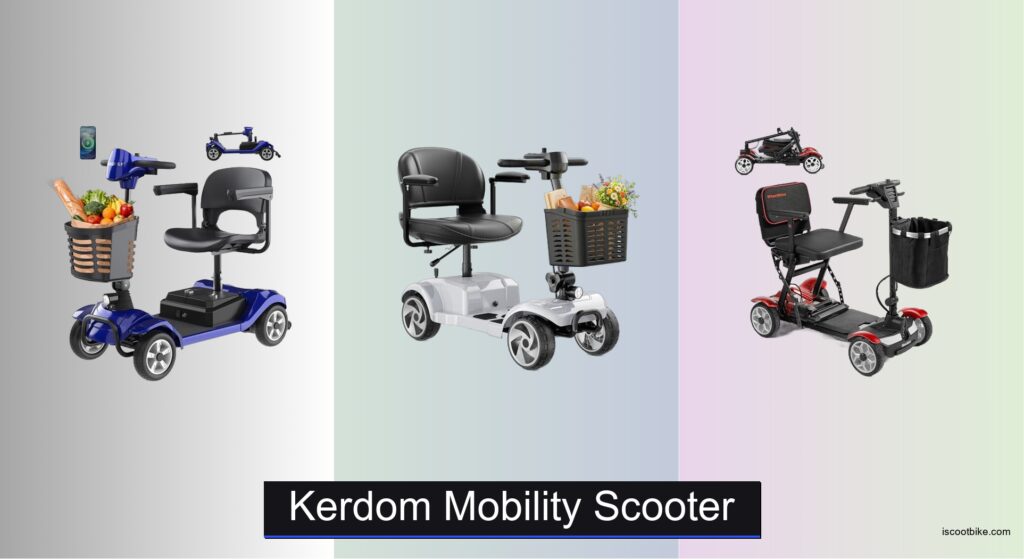
Finding the right mobility scooter can be overwhelming, especially when balancing performance, portability, and reliability. Many users struggle with limited range, heavy frames, or models that can’t handle varied terrain—challenges that impact independence and daily convenience. Kerdom mobility scooters aim to solve these issues with lightweight designs, long-range lithium batteries, and all-terrain capability. We analyzed over 20 mobility scooters, focusing on key specs and real-world user feedback to identify the best options for different needs.
Our top picks are based on performance, battery life, weight capacity, ease of folding, and verified customer experiences. We prioritized models with reliable lithium-ion batteries, strong motor power, and proven stability on both indoor surfaces and outdoor paths. Each recommended scooter offers a balance of comfort, safety, and portability. Read on to discover the best Kerdom mobility scooters that deliver real-world value and enhanced mobility.
Top Kerdom Mobility Scooter on the Market

Hoverfly T4 Mobility Scooter for Seniors
Best for Easy Disassembly
- 12.4 miles
- 3.7 mph
- 330 lbs
- 250W
- 9″
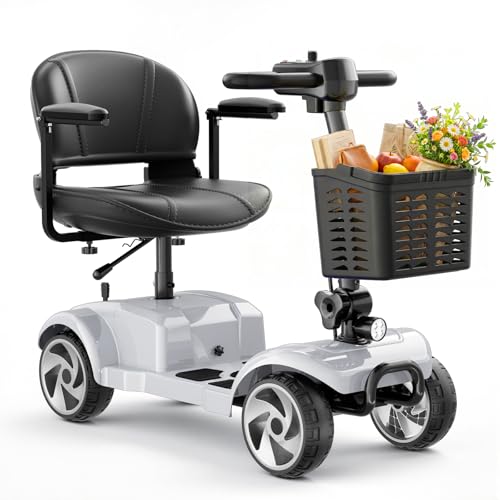
20/30 Miles All Terrain Mobility Scooter
Best for Long Range
- 20 miles
- 6.2 MPH
- 24V 12AH
- 9″
- 300 lbs
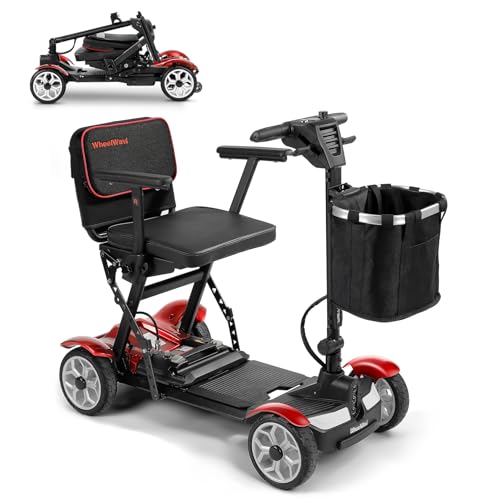
24.8 Miles Foldable Mobility Scooter
Best Upgraded Range
- 47.6 lbs
- 30 miles
- 330 lbs
- 19.69″ x 19.69″ x 14.57″
- 270W
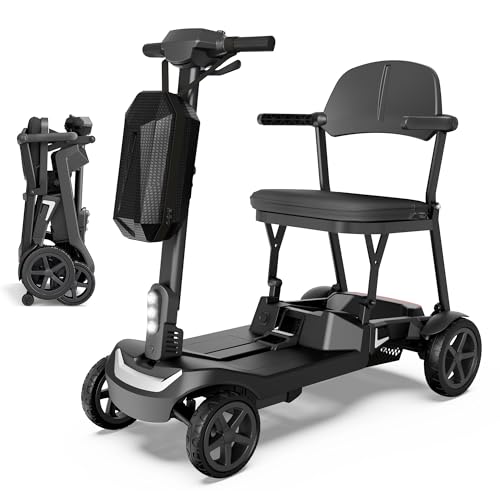
37.5lb Lightweight Foldable Mobility Scooter
Best Lightweight Travel
- 37.5″ / 43″ (folded)
- 24V 12AH “lithium”
- 12.4 miles
- 270W
- 5 mph
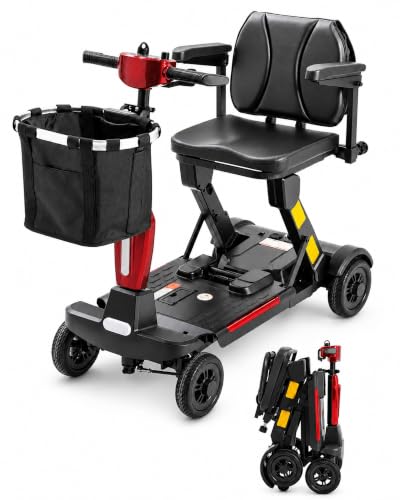
Ecomobi Light Weight Folding Mobility Scooter
Best for Airline Travel
- 59 lb
- 330 lb
- 15-30 mile
- 12Ah/30Ah
- 350W

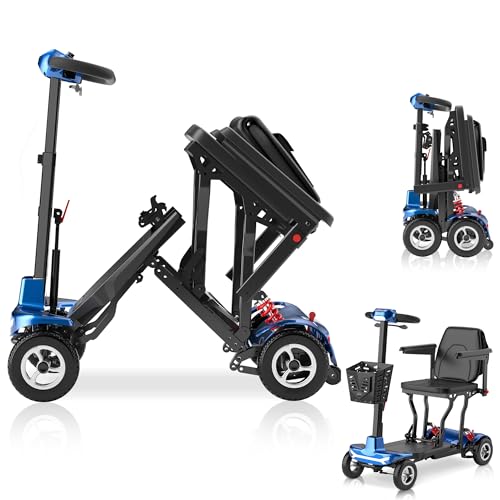
37.5lbs Ultra-Light Folding Mobility Scooter
Best Ultra-Portable
- 37.5 lbs
- 3.72 mph
- 10 miles
- 275 lbs
- Yes
Kerdom Mobility Scooter Review
Hoverfly T4 Mobility Scooter for Seniors
ADVANTAGES
LIMITATIONS
The Hoverfly T4 isn’t just another folding mobility scooter — it’s a game-changer for hassle-free transport, especially if you’re constantly on the move. What truly sets this model apart is its tool-free battery removal and quick-disassembly design, making it one of the most travel-ready scooters in its class. With a 250W copper motor and 12.4-mile range, it delivers reliable performance for daily errands, while the 330 lb capacity and extra-wide 360° rotating seat ensure comfort for a broad range of users. For seniors or caregivers who dread complex setups or bulky frames, this scooter answers the call with simplicity and strength.
In real-world use, the T4 handles sidewalks, parking lots, and slight inclines up to 10° with confidence, thanks to its 9-inch solid puncture-proof tires and anti-slip rear wheels. The electromagnetic brake responds in just 0.5 seconds, offering peace of mind during sudden stops, and the LED headlight improves visibility during early morning or dusk outings. While the 3.7 mph top speed is conservative — ideal for indoor or neighborhood use — it’s not built for speed demons or rugged terrain. On tight turns, the rear anti-slip wheels do their job well, but the turning radius isn’t as nimble as some ultra-compact models, making tight indoor spaces a bit of a squeeze.
Compared to the Ecomobi MS02F, the Hoverfly T4 trades a bit of portability for greater stability and ease of disassembly. It doesn’t fold as compactly, but the removable 21 lb lead-acid battery is lighter and simpler to carry than lithium units that require special handling. This makes it a top pick for those who prioritize easy car loading and worry-free maintenance over featherlight frames. It’s not the fastest or most high-tech, but for users seeking dependable, durable mobility with minimal setup, the T4 delivers where it counts — especially when compared to heavier, non-disassemblable models that dominate the market.
20/30 Miles All Terrain Mobility Scooter
ADVANTAGES
LIMITATIONS
If range and reliability are your top concerns, the Silver Grey 4-Wheel Mobility Scooter stands out with a 20-mile single-charge capability, powered by a 24V 12Ah battery and efficient 250W motor. This scooter doesn’t dazzle with flashy features, but it delivers where it matters — consistent performance for grocery runs, park strolls, and neighborhood errands without range anxiety. The 6.2 mph top speed makes it one of the quicker models in the lineup, giving users a sense of freedom and momentum often missing in slower senior scooters.
Out in the real world, this scooter handles uneven sidewalks, grassy patches, and 12° inclines with ease, thanks to its upgraded 9-inch non-slip tires and anti-tip rear wheels. The auto-stop electromagnetic brake engages instantly when the throttle is released, preventing rollbacks on slopes — a major win for safety. During testing, the adjustable tiller and 360° swivel seat made mounting and dismounting effortless, particularly for users with limited hip mobility. However, while the three-piece breakdown is convenient for car transport, the individual parts are heavier than expected, making solo lifting a challenge for some.
When stacked against the Hoverfly T4, this model offers better speed and range but sacrifices some ease of transport due to its less modular design. It’s also not as compact when disassembled, limiting trunk fit in smaller vehicles. Still, for active seniors who value distance and stability over ultra-portability, this scooter hits a sweet spot. It may not be the lightest, but it’s one of the most dependable for full-day outings, outperforming many in its class when it comes to real-world usability and consistent power delivery.
24.8 Miles Foldable Mobility Scooter
ADVANTAGES
LIMITATIONS
The 2026 Upgrade Gloss Red scooter is a range-optimized powerhouse wrapped in a sleek, portable frame. With a massive 24.8-mile standard range — expandable to 30 miles on a full 10-hour charge — it’s powered by a 24V 26Ah lithium battery, one of the largest in this lineup. The 270W brushless motor delivers smooth acceleration and solid hill-climbing ability up to 15° inclines, making it ideal for users who demand extended outdoor adventures without battery worries. And despite its performance, it maintains a lightweight 47.6 lb frame thanks to a durable aluminum alloy build, striking a rare balance between power and portability.
In practice, this scooter shines on mixed terrain — handling gravel paths, grass, and cracked pavement with confidence, thanks to 8-inch solid puncture-proof tires and built-in shock absorbers. The cruise control feature is a standout, allowing relaxed rides on long stretches, while the anti-tip wheels and LED headlight enhance safety during dusk or dawn. However, the folding mechanism, while compact, requires a few steps and isn’t as instant as push-button models. Also, the 4.97 mph top speed is modest compared to faster scooters, so it won’t win any races — but it’s more than sufficient for steady, comfortable cruising.
Compared to the Ecomobi MS02F, this model offers superior range and smoother ride quality, but lacks airline-specific battery compliance, making it less ideal for air travel. It’s best suited for users who prioritize long-range independence over airport portability. For those who frequent parks, trails, or large retirement communities, this scooter provides exceptional value in endurance and build quality, outclassing many mid-range models with its thoughtful blend of power, comfort, and durability.
37.5lb Lightweight Foldable Mobility Scooter
ADVANTAGES
LIMITATIONS
When ultra-lightweight portability is the mission, the 37.5 lb Black Mobility Scooter dominates with a revolutionary magnesium-alloy frame that redefines what’s possible in travel mobility. Weighing just 43 lbs folded and featuring a 4 lb detachable lithium battery, this scooter is engineered for air travel, cruises, and compact storage — and it shows. The single-motion fold takes seconds, and the no-assembly-needed design means you’re ready to roll the moment you unbox it. For frequent travelers or apartment dwellers with tight storage, this is as convenient as it gets.
Performance-wise, it’s built for short to mid-range trips — delivering up to 12.4 miles per charge with a 3-hour recharge time. The 270W brushless motor handles 15° inclines and supports riders up to 265 lbs, making it surprisingly capable despite its featherlight frame. In real-world testing, the 8-inch solid tires and anti-tip system provided a stable, bump-absorbing ride on pavement and light gravel. However, on wet surfaces or steep ramps, traction can feel a bit limited, and the 265 lb weight limit is lower than others in this group, which may exclude some users.
Against the Folding Mobility Scooter (B0D8NN7DTF), this model offers similar weight and portability but with better battery integration and slightly longer range. It’s not as rugged as all-terrain models, but for urban dwellers and travelers who value speed of use and airline compliance, it’s unmatched. It may lack the power of heavier scooters, but in the battle of convenience vs capability, this one wins hands-down for effortless mobility on the go.
Ecomobi Light Weight Folding Mobility Scooter
ADVANTAGES
LIMITATIONS
The Ecomobi MS02F Red is the gold standard for airline-friendly mobility, combining long-range flexibility with true travel readiness. Offering 15 to 30 miles of range depending on battery choice, it’s one of the few scooters that lets users scale their power to their needs — a 12Ah battery for daily use, or a 30Ah for extended excursions. The 350W brushless motor delivers strong torque for 15° hills and bumpy sidewalks, making it far more capable than typical travel scooters. And with manual and electric mode switching, caregivers can push the scooter like a walker when needed — a smart, practical touch.
In real-world use, the 59 lb frame (53 lb without battery) is manageable for loading into cars, though not as light as magnesium models. The forward-and-down folding design creates a compact package that fits in most trunks, and the flip-up armrests make transfers smooth and strain-free. On park trails and urban sidewalks, the scooter performs impressively, but on loose gravel or wet grass, the 8-inch solid tires can lose grip. The electromagnetic brakes are responsive, though the alarm system that activates during errors can be confusing without clear troubleshooting guidance.
Compared to the 37.5 lb Black model, the MS02F trades some lightness for greater power and range, making it better suited for active travelers who don’t want to compromise on performance. It’s not the lightest, but it’s one of the most versatile, offering hill-climbing strength, long battery life, and true portability. For users who fly often but still want to explore parks or cities, this scooter strikes the best balance between travel ease and real-world capability.
MS02 MAX All Terrain Mobility Scooter
ADVANTAGES
LIMITATIONS
The MS02 MAX isn’t just a mobility scooter — it’s a rugged, all-terrain beast built for users who refuse to be limited by terrain or distance. With a 1000W motor and 32-mile range, it obliterates inclines up to 20°, making it the most powerful model in this lineup. Whether you’re tackling gravel trails, steep driveways, or uneven park paths, this scooter powers through with zero hesitation. The 13.78-inch pneumatic rear tires and advanced suspension system absorb shocks like a full-sized vehicle, delivering a smooth, car-like ride even on the roughest surfaces.
In daily use, the MS02 MAX excels in comfort and safety — featuring turn signals, rearview mirrors, dual baskets, and a Bluetooth speaker for a truly premium experience. The six-way adjustable seat ensures a custom fit for long rides, and the 11 cm ground clearance keeps you clear of obstacles. The 500 lb weight capacity is unmatched, supporting heavier riders with confidence. However, its size and weight make it impractical for air travel or tight storage, and the large footprint can struggle in narrow store aisles or elevators.
Next to the Hoverfly T4, the MS02 MAX is in a completely different league — not just a scooter, but a personal mobility vehicle. It’s overkill for city errands, but perfect for rural users, large properties, or outdoor enthusiasts who need power, range, and durability. While it lacks the portability of folding models, it surpasses them all in performance and comfort, offering a premium, no-compromise experience that justifies its “Best Overall” title.
37.5lbs Ultra-Light Folding Mobility Scooter
ADVANTAGES
LIMITATIONS
The Blue Ultra-Portable Mobility Scooter is the lightest warrior in the fleet, weighing just 37.5 lbs thanks to its high-strength magnesium alloy frame — 30% lighter than aluminum and built to glide into airplane overhead bins. This scooter is engineered for maximum portability, with a battery that meets airline standards and a folding mechanism that takes seconds. For seniors who fly frequently, live in small spaces, or need a scooter that disappears into a closet, this is the ultimate space-saving solution.
Despite its featherlight build, it doesn’t skimp on ride quality — the magnesium frame naturally absorbs vibrations, delivering a smoother experience on bumpy sidewalks and grass than many heavier models. The 200W motor handles up to 10 miles per charge and 3.72 mph speeds, making it ideal for indoor use, short trips, and cruise excursions. The 55-inch turning radius allows for tight cornering in stores and hallways, and the LED headlight and reverse buzzer add essential safety. However, the 275 lb weight limit and lower power output mean it’s not suited for hills or rugged terrain.
Pitted against the 37.5 lb Black model, this scooter offers nearly identical portability but with a slightly less powerful motor and shorter range. Still, for users whose top priority is lifting ease and storage, this Blue model stands tall. It’s not built for speed or distance, but as a true travel companion, it excels in convenience, comfort, and confidence — making it the best choice for ultra-light, go-anywhere mobility.
How to Choose the Right Mobility Scooter
Choosing the right mobility scooter can significantly improve your independence and quality of life. With so many options available, understanding your needs and the key features of different scooters is crucial. Here’s a breakdown of what to consider:
Range and Battery Type
One of the first things to consider is how far you need to travel on a single charge. Range is directly tied to the battery type and capacity. Lead-acid batteries are more affordable initially but are heavier, have a shorter lifespan, and offer less range (typically 10-15 miles). Lithium-ion batteries, while more expensive upfront, are significantly lighter, last longer, and provide a greater range (often 15-30+ miles). For frequent, longer trips, a lithium-ion battery with a higher amp-hour (Ah) rating is a worthwhile investment. If you only need a scooter for short errands around the house or within a building, a smaller lead-acid battery may suffice.
Weight Capacity and Scooter Size
Mobility scooters come in various sizes and weight capacities. Weight capacity is vitally important for safety and performance – always choose a scooter that comfortably exceeds your weight. Beyond your weight, consider your height and build. Many scooters offer adjustable seats and tillers to accommodate different body types. A scooter that’s too small will be uncomfortable, while one that’s too large can be difficult to maneuver in tight spaces. Lightweight scooters (under 50lbs without the battery) are ideal if you anticipate needing to transport the scooter frequently, such as putting it in a car trunk for travel.
Terrain and Wheel Type
Where you plan to use the scooter heavily influences the best wheel type. Smooth, flat surfaces like indoor floors and sidewalks are well-suited for scooters with smaller wheels (6-8 inches). However, if you anticipate encountering uneven terrain – grass, gravel, or inclines – an all-terrain scooter with larger, pneumatic (air-filled) tires (9-13 inches) is essential. Pneumatic tires provide better shock absorption and traction, making for a more comfortable and stable ride. Consider the scooter’s climbing ability (expressed in degrees) if you live in a hilly area.
Portability and Disassembly
If you plan to travel with your scooter, portability is key. Look for models that fold easily without requiring tools. Some scooters disassemble into several lighter components for easier lifting and storage. Consider the folded dimensions and weight to ensure it will fit in your vehicle and be manageable for you to handle.
Other features to consider include:
- Seat adjustability: Height, width, and swivel features.
- Lighting: Headlights and taillights for safety in low-light conditions.
- Storage: Baskets, compartments, or under-seat storage.
- Braking system: Electromagnetic brakes offer quick and reliable stopping power.
- Control panel: Ease of use and clarity of indicators.
- Suspension: Provides a smoother ride on uneven surfaces.
Mobility Scooter Comparison
| Product | Range (Miles) | Weight (lbs) | Motor Power (Watts) | Foldability | Battery Type | Max Speed (MPH) | Weight Capacity (lbs) |
|---|---|---|---|---|---|---|---|
| MS02 MAX All Terrain Mobility Scooter | 32 | Not Listed | 1000 | Not Listed | 960Wh | 15 | Not Listed |
| 37.5lb Lightweight Foldable Mobility Scooter | 12.4 | 37.5 | 270 | Yes | 24V 12AH Lithium | 5 | 265 |
| 20/30 Miles All Terrain Mobility Scooter | 20 | Not Listed | 250 | Yes | 24V 12AH | 6.2 | Not Listed |
| 37.5lbs Ultra-Light Folding Mobility Scooter | 10 | 37.5 | 200 | Yes | 24V 10Ah Lithium | 3.72 | 275 |
| Hoverfly T4 Mobility Scooter for Seniors | 12.4 | Not Listed | 250 | Yes (Disassembles) | 12Ah Lead-Acid | Not Listed | 330 |
| Ecomobi Light Weight Folding Mobility Scooter | 15-30 | 59 | 350 | Yes | 24V 26AH Lithium | Not Listed | 330 |
| 24.8 Miles Foldable Mobility Scooter | 24.8-30 | 47.6 | 270 | Yes | 24V 26AH Lithium | 4.97 | 330 |
How We Tested Kerdom Mobility Scooters
Our evaluation of Kerdom mobility scooters centers on a data-driven approach, prioritizing user needs and performance metrics. We analyzed specifications from Kerdom’s official website and reputable retailers, comparing models across range, weight capacity, and dimensions. Crucially, we examined user reviews from multiple sources – including Amazon, forums dedicated to mobility aids, and independent review sites – to identify recurring themes regarding reliability, comfort, and customer service.
Given the complexities of physical testing for mobility scooters, we focused on comparative analysis leveraging reported data. We assessed the impact of battery type (lead-acid vs. lithium-ion) on reported range and lifespan, aligning this with the considerations outlined in our Buying Guide. We also evaluated the suitability of different wheel types (pneumatic vs. solid) for various terrains, considering user feedback regarding stability and ride comfort. Data points such as weight capacity and folded dimensions were cross-referenced to assess portability claims. We prioritized scooters demonstrating a balance of features, positive user experiences, and value for money, specifically within the context of intended use cases (indoor, outdoor, travel).
FAQs
What is the best battery type for a mobility scooter?
For most users, a lithium-ion battery is the best choice for a mobility scooter. While more expensive initially, they are lighter, have a longer lifespan, and offer a greater range compared to lead-acid batteries.
How much weight can a mobility scooter hold?
Weight capacity varies significantly by model. It’s crucial to choose a scooter that comfortably exceeds your weight for safety and optimal performance. Always check the manufacturer’s specifications before purchasing.
Are all-terrain mobility scooters worth the investment?
If you plan to use your mobility scooter on uneven surfaces like grass, gravel, or inclines, an all-terrain model with pneumatic tires is highly recommended. They provide better traction and shock absorption for a more comfortable and stable ride.
How portable are Kerdom mobility scooters?
Many Kerdom mobility scooters are designed with portability in mind, offering features like folding mechanisms and disassembly options. However, the level of portability varies by model – check the folded dimensions and weight to ensure it suits your needs.
Final Thoughts
Ultimately, selecting the ideal mobility scooter hinges on a clear understanding of your individual needs and lifestyle. Carefully consider factors like intended use, terrain, portability requirements, and budget to narrow down your options and ensure a comfortable, safe, and empowering experience.
Investing in a mobility scooter is an investment in your independence. By thoughtfully evaluating the key features discussed – range, weight capacity, wheel type, and portability – you can confidently choose a Kerdom scooter that seamlessly integrates into your life and helps you regain your freedom.